
Add Row
Add Element
banida digital marketing agency logo
update

Banida digital

update
Add Element
  • Home
  • Contact Us
  • All Posts
  • Social Media
  • 5-Star Reputation
  • SEO
  • Traffic
  • Funnels
  • Blogging
  • Advertising
  • Website
February 04.2025
1 Minute Read

The Power of Consistent Communication in Healthcare

The Power of Consistent Communication in Healthcare

The power of consistent communication in healthcare cannot be underestimated. Effective and ongoing communication between healthcare providers, staff, and patients is essential for promoting patient safety, improving health outcomes, and creating a positive healthcare experience. However, consistent communication isn’t just about delivering information; it’s about ensuring that information flows clearly, accurately, and regularly throughout every part of the healthcare process. In this blog post, we will explore the importance of communication in healthcare, the challenges faced in communicating effectively, the role of technology in improving communication, and how consistent communication can lead to better outcomes for both patients and healthcare professionals.

The Importance of Communication in Healthcare

Communication is the backbone of healthcare. Whether it’s communicating a diagnosis, discussing treatment options, or ensuring that patient information is shared among healthcare teams, effective communication is vital. When healthcare providers communicate clearly with their patients, they can help patients make informed decisions about their health.

This builds trust and makes the patient feel more comfortable in their healthcare environment.

Clear communication also helps reduce errors. Miscommunication can lead to dangerous mistakes, such as incorrect diagnoses or inappropriate treatment plans. Studies have shown that a significant percentage of medical errors are related to poor communication between providers or between providers and patients.

Consistent communication supports coordination among healthcare teams. In busy healthcare settings, multiple professionals may be involved in a patient’s care. Consistent communication ensures that everyone is aligned and working toward the same goal, which reduces the risk of fragmented care and improves overall efficiency.

Challenges in Healthcare Communication

While communication is essential, healthcare providers often face numerous challenges that make consistent communication difficult. One of the most common challenges is the use of medical jargon. Healthcare professionals are trained to speak in technical terms, but patients may not always understand complex medical language.

This can result in confusion and anxiety, leading to patients not fully understanding their treatment plan or their medical condition.

Another challenge is the fast-paced nature of healthcare environments. Healthcare providers often have a heavy workload, with little time for lengthy discussions with patients or team members. This can lead to rushed communication, where key details are omitted or misunderstood.

Cultural and language differences also pose barriers. Patients come from diverse backgrounds and may not speak the same language as their healthcare providers. In these situations, clear communication becomes even more important, as patients may have difficulty understanding their care instructions or expressing their concerns. Without proper tools or assistance, this can lead to a breakdown in communication, resulting in poor care.

Privacy regulations, such as HIPAA, can create constraints. Healthcare organizations must ensure patient information is protected, which may limit how information can be shared across the care team.

This can make it more difficult to communicate freely and effectively.

Technology Tools for Improving Healthcare Communication

Fortunately, technology has played a major role in enhancing communication within healthcare. From electronic health records (EHRs) to patient portals and telemedicine, many digital tools help streamline communication.

Electronic Health Records (EHRs)

EHRs allow healthcare professionals to access patient records quickly and accurately. This tool helps eliminate miscommunication or missed details that can occur when relying on paper charts or verbal handoffs. With EHRs, everyone involved in the patient’s care has access to the same up-to-date information, ensuring that no one is left out of the loop.

Patient Portals

Many healthcare practices now offer patient portals, where patients can view their health records, schedule appointments, and send messages to their healthcare providers. These portals improve communication by allowing patients to easily ask questions or request information without needing to call the office.

They also help patients keep track of their care and make them feel more in control of their health.

Telemedicine

Telemedicine has become an increasingly important tool for communication, especially in remote areas or during situations like the COVID-19 pandemic. Through video calls or online consultations, healthcare providers can communicate with patients from a distance, making healthcare more accessible and efficient. This technology can be particularly beneficial for follow-up visits or routine check-ins, allowing patients to receive care without needing to visit the clinic in person.

Secure Messaging Systems

Many healthcare practices use secure messaging systems to communicate internally among staff or externally with patients. These platforms are designed to meet privacy standards, ensuring that sensitive patient information is protected while also allowing for real-time communication. Secure messaging can help reduce delays, clarify patient needs, and improve overall communication within the practice.

Benefits of Consistent Communication in Healthcare

The benefits of consistent communication in healthcare extend beyond simply reducing errors.
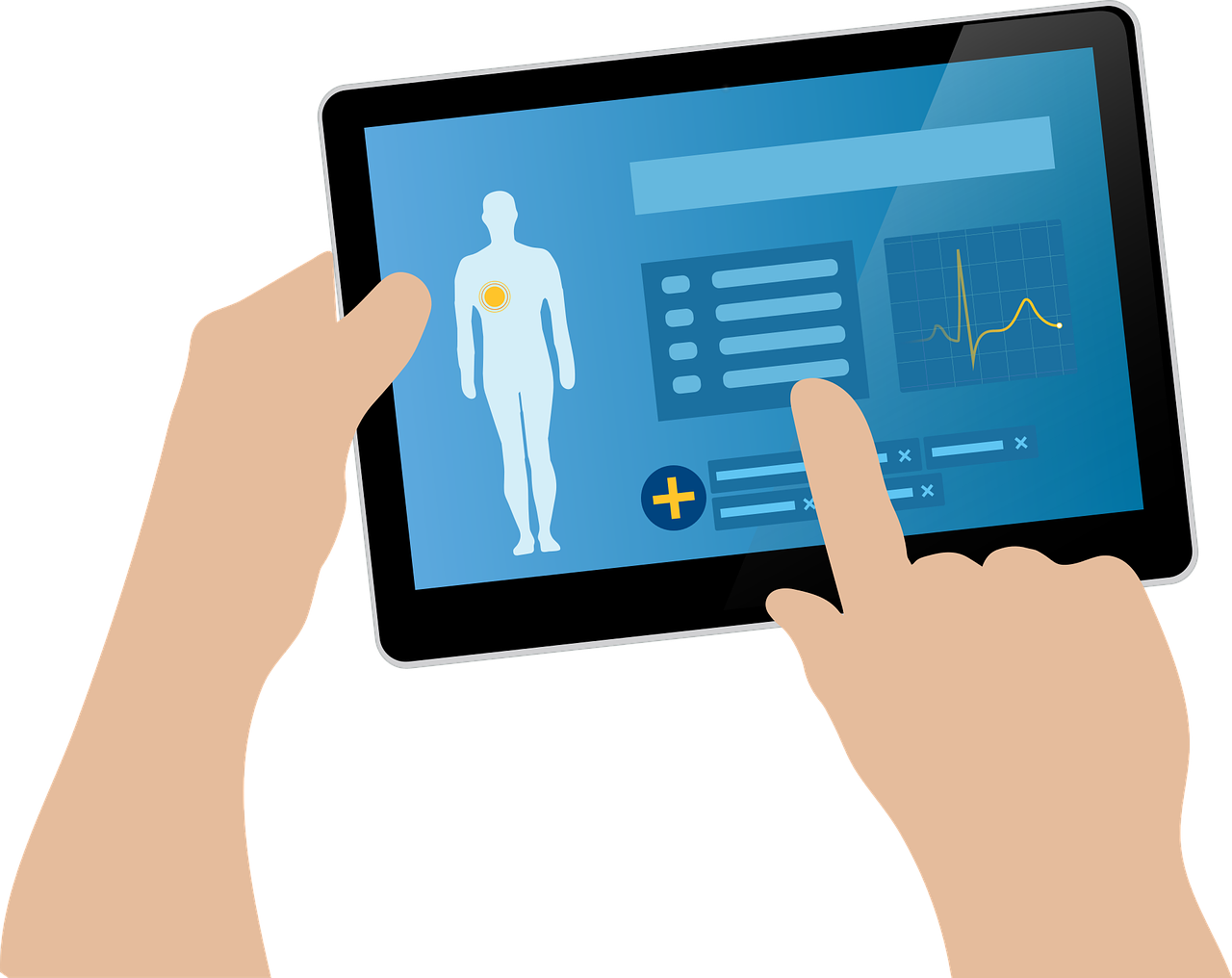
When communication is ongoing and reliable, it leads to improved patient care, better patient outcomes, and more efficient healthcare practices.

Improved Patient Outcomes

Consistent communication helps ensure that patients understand their treatment plans, follow-up instructions, and medication regimens. When patients feel informed and involved in their care, they are more likely to adhere to their treatment plans and take the necessary steps to improve their health. Regular communication also allows for continuous monitoring of a patient’s progress, enabling healthcare providers to make adjustments as needed to optimize care.

Increased Patient Satisfaction

Patients are more likely to be satisfied with their care when they feel heard and understood. Consistent communication helps build trust, creating an environment where patients feel comfortable discussing their concerns and asking questions. This leads to stronger relationships between providers and patients, which translates to higher levels of satisfaction and loyalty.

Enhanced Team Collaboration

In healthcare, multiple providers may be involved in a patient’s care.

Consistent communication ensures that all members of the care team are aware of the patient’s needs, progress, and treatment plan. This reduces the risk of miscommunication or conflicting information being provided to the patient, ensuring that everyone is working toward the same goal.

Improved Efficiency

When communication is consistent, there is less chance for delays, confusion, or mistakes. Healthcare teams can make decisions more quickly, reducing the time spent on administrative tasks or clarifying details. This leads to more efficient workflows and, ultimately, a smoother patient experience.

Strategies for Improving Communication in Healthcare Organizations

To improve communication, healthcare organizations must implement strategies that foster open, clear, and consistent communication among all parties involved in patient care. Below are some key strategies:

Training and Education

Healthcare professionals should be trained in effective communication techniques, including how to simplify complex medical language and engage with patients in a way that fosters understanding.

Cultural competence training can also help providers communicate more effectively with patients from diverse backgrounds.

Streamlined Communication Tools

Investing in technology tools that enhance communication, such as EHRs, patient portals, and secure messaging systems, can make it easier for healthcare teams to stay in touch and collaborate. Ensuring these tools are user-friendly and accessible will maximize their effectiveness.

Patient Education

Healthcare organizations should focus on educating patients about their conditions, treatment options, and self-care techniques. Clear, consistent communication through brochures, videos, and face-to-face conversations helps ensure that patients fully understand their care and feel empowered to take charge of their health.

Regular Check-ins

Whether through phone calls, emails, or virtual visits, regular check-ins with patients can help keep them on track with their care and address any concerns that may arise. These check-ins provide an opportunity for consistent communication, even after patients leave the healthcare facility.


Encourage Open Dialogue

Creating an environment where patients feel comfortable asking questions and providing feedback is crucial. Encouraging open dialogue promotes trust and allows healthcare providers to address any misunderstandings or concerns before they escalate.


In conclusion, the power of consistent communication in healthcare cannot be overstated. Effective, ongoing communication improves patient outcomes, enhances patient satisfaction, and helps streamline healthcare operations. Although challenges such as medical jargon, time constraints, and cultural differences exist, they can be overcome with the right strategies and tools. By leveraging technology, investing in training, and prioritizing clear and open communication, healthcare organizations can create a more effective and patient-centered environment. Consistent communication is key to fostering trust, improving care, and ensuring the best possible outcomes for patients.

For healthcare professionals looking to improve their communication and streamline their digital marketing efforts, Banida Digital offers practical solutions that can help enhance communication both within practices and with patients.




Enhance Your Healthcare Practice's Communication

Social Media

Write A Comment

*
*
Related Posts All Posts
12.29.2025

Enhance Doctor Patient Engagement Social Media Now

Did you know that 75% of patients use social media platforms to inform healthcare decisions? Ignoring this space means missing critical opportunities for trust and connection. If you feel overwhelmed about where to start with doctor patient engagement social media—or worry about compliance—this service-first guide is for you. You’ll walk away knowing exactly how to make your practice visible, trusted, and patient-friendly in the digital age—without adding chaos to your day.Why Doctor Patient Engagement Social Media Matters Now in HealthcareIn today’s rapid-fire digital age, doctor patient engagement social media is no longer optional for smaller medical practices—it’s a top driver of reputation, patient trust, and sustainable growth. More patients search, compare, and connect with providers through social channels than ever before; in fact, nearly three-quarters of patients admit they consciously consider social presence when choosing a doctor. This means your potential patients are forming first impressions—from bedside manner to practice culture—long before setting foot in your waiting room.Ignoring social media in healthcare isn’t just missing out on clicks; it risks losing out on the right patients. Social networks now influence how your community perceives your professionalism, responsiveness, and even your quality of care. The role of social media isn’t just marketing—it’s about connecting authentically, dispelling confusion, and building the type of credibility patients trust. But there’s a catch: You have to get it right from the start, protecting privacy and presenting an image that matches your real-world excellence.The Digital Age: What’s Changed for Medical Professionals and Patient EngagementUnderstanding Social Media in Healthcare: Trends, Risks, and Big WinsThe digital age has fundamentally changed how medical professionals connect with patients. Social media in healthcare now reaches beyond the occasional newsletter or website update—patients expect real-time, accessible communication from their care providers. The biggest wins? Improved health literacy, better access to trustworthy information, and a more approachable practice image. But with opportunity comes risk: Missteps like sharing patient information or using a personal tone in the wrong context can spiral into compliance headaches or lost trust.Trends show that healthcare providers who utilize social media thoughtfully tend to attract more engaged, loyal patients and receive more positive online reviews. However, with new digital platforms and shifting regulations, there’s also a growing risk of misinformation, over-promising, or even accidentally breaching privacy laws. The key is harnessing the best parts of these platforms—transparency, approachability, and education—while staying laser-focused on confidentiality and medical professionalism.The Role of Health Literacy and Patient Expectations OnlinePatients are more empowered and informed than ever before—but also more vulnerable to inaccurate advice. Health literacy (the ability to access, understand, and use medical information) is a critical factor that determines patient outcomes and satisfaction. Social media can be a double-edged sword here: used well, it clarifies complex health information and supports smart decision-making; used poorly, it can lead to confusion, anxiety, or even harm.Your practice’s social presence gives patients a “first lesson” in who you are and how you engage. Today, patients expect timely answers to common health questions, clear explanations, and a sense that their provider genuinely listens. This means your posts should prioritize clarity and patient engagement, not just broadcasting updates. Tools like FAQs, explainers, and myth-busting posts can build trust, provided they’re grounded in the values and voice of your practice.Common Mistakes Medical Professionals Make with Doctor Patient Engagement Social MediaThe way you handle doctor patient engagement social media will directly affect your reputation. Too often, practices equate “being active” with “being effective” and fall into the trap of erratic posting. A flurry of activity followed by months of silence confuses patients and undermines credibility. Going too far in the other direction—over-promising results or focusing on follower counts—can make your practice seem inauthentic or opportunistic, especially in the field of healthcare.By far, the biggest compliance risk is sharing or hinting at patient information on your social feed. This includes not only direct identifiers but also stories or updates that could be traced to a specific individual. Even well-intended shoutouts or before-and-after photos can create legal headaches without airtight consent. Remember: social media for medical professionals should always prioritize patient privacy over the desire for viral attention.Setting Boundaries: Social Media Compliance for Healthcare ProvidersHIPAA, Privacy, and Protecting Patient Information on Social MediaCompliance isn’t just a box to check—it’s your first line of defense for trust and reputation. Under HIPAA and similar privacy rules, any patient information—medical diagnoses, visit details, or even indirect references—must remain off your public channels. When you utilize social media as a practice, think in terms of population health, general wellness, or generic tips; never reveal, hint, or confirm anything about real patient care. If in doubt, leave it out.Privacy risks multiply quickly on digital platforms. Even engaging innocently with a patient’s public post, or replying too personally to a review, can cross legal boundaries. The best doctor patient engagement social media strategies set up clear communication rules and train all staff members, not just providers. Every post and reply should pass the “Would I be comfortable defending this in front of a regulator?” test.Maintaining Professionalism: Separating Your Personal and Practice ProfilesAlways keep your personal and professional social media profiles separate. Patients may try to “friend” a provider, but blurring those lines can turn a routine online interaction into an ethical challenge. Maintain official practice pages for all digital communication with patients and clearly outline who manages and monitors those pages. This protects your privacy and ensures staff or locums understand the professional boundaries required on all channels.Patients appreciate a welcoming, responsive practice presence; they don’t expect (or want) to see their physician’s personal opinions or weekend activities mixed in with clinical content. Consider your social profiles an extension of your waiting room—a place for education, support, and timely answers. Your best defense? Create written guidelines, stick to them, and review them annually as platforms and patient behaviors change."Think of your social media as your waiting room—welcoming, informative, and above all, private."Choosing the Right Social Media Platforms for Doctor Patient EngagementFacebook: Community groups and timely updatesInstagram: Visual stories and practice cultureYouTube: Short, trustworthy health explainer videosLinkedIn: Peer connections (and how it compares to other options)Not every channel suits every practice, so focus where your patients already spend their time. Facebook remains the most versatile for updates and local community groups—perfect for sharing hours, events, or flu shot reminders. Instagram lets you show the human side of your practice visually: staff highlights, cherished traditions, and “day in the life” stories. YouTube is ideal for quick, trusted explainer videos that break down health literacy barriers and promote informed patient engagement.LinkedIn is your tool for professional reputation and networking with other providers—don’t expect patient referrals here, but do maintain a credible, up-to-date profile. Remember, effective doctor patient engagement social media isn’t about being everywhere, but about being intentional where it matters most. Consider running a quick poll or informal survey to learn what networks your patients use most frequently.Quick Wins: Simple Steps to Enhance Doctor Patient Engagement Social Media TodayAudit your current profiles for accuracy and clarityShare a FAQ or quick tip as a pinned postRespond to a patient question (no PHI) publicly to show you listenHighlight a team member or community eventEven if you’re short on time, you can take a few easy steps this week to create immediate value for your patients—and boost your sense of control online. Start with a quick audit: Are your profiles up to date with accurate hours, contact info, and qualified staff introductions? Pin a frequently asked question or health tip at the top for visibility; think “Should I get this year’s flu vaccine?” or “How to prep for your next checkup.” Don’t forget to show that you listen—publicly replying to (general) questions builds a sense of community and responsiveness, even if the answer is simply to invite a private call.Recognize and celebrate your staff or local partners when appropriate—patients appreciate seeing the faces and values behind your practice. These small but consistent actions speak louder than any polished campaign, especially in the world of healthcare social media. For bonus points, track what posts get the most attention or comments, and double down on what resonates.Social Media Platforms for Healthcare Providers: Pros, Cons, and Use CasesPlatformProsConsTypical Use CaseFacebookLarge local reach, event promotion, community engagementAlgorithm changes, privacy concernsPractice updates, health reminders, community Q&AInstagramVisual storytelling, staff and culture highlightsLess conducive to detailed posts, skewed demographicsBehind-the-scenes, staff intros, wellness tipsYouTubeEducational reach, SEO value, reusable contentProduction effort, moderation neededExplain procedures, dispel myths, health educationLinkedInReputation, professional connectionsNot patient-centric, low engagement from the publicNetworking, referrals, peer learningBuilding a Patient-Centric Content Calendar for Long-Term EngagementChoosing Topics: Health Information vs. Practice AnnouncementsNot all posts hold equal value for your patients. Alternating between essential health information and timely practice announcements keeps your feed both actionable and relevant. Health information should answer common questions your patients bring up (“When should I get my child’s next vaccine?”) and introduce seasonal themes (“How to prevent tick bites in summer”). Announcements—like hours changes, insurance updates, or holiday closures—help patients avoid confusion and streamline their experience.When planning, think in terms of “What does my patient need to know right now?” vs. “What do I want them to remember about our practice?” A blended editorial calendar not only addresses urgent health topics but also gently reminds patients of your reliability and accessibility. Use sticky notes, spreadsheets, or free calendar tools to brainstorm and plot post ideas—keeping compliance and clarity at the forefront.Balancing Education, Public Health, and Patient ExperienceThe best doctor patient engagement social media plans balance education, public health updates, and patient experience stories. Educational posts answer real-life questions without giving specific medical advice. Public health themes—like local vaccine clinics or mental wellness weeks—tie your practice into the broader healthcare organization landscape and show community commitment.Sharing patient experience stories (always generic, unless you have written HIPAA-compliant consent) adds a personal touch. This can include team milestones, “meet your provider” spotlights, or support for local events. The goal is a diverse, warm feed that informs, reassures, and motivates patients to trust and engage—not to “sell” or broadcast for the sake of noise. Each post should be designed for skimming: clear headings, bolded keywords, and a call to action toward reliable contact or resources.Framework: Step-by-Step Guide to Doctor Patient Engagement Social MediaHere’s your hands-on framework for transforming doctor patient engagement social media from chore to asset:Identify Patient Needs: Survey common appointment questions. What are people calling about? Use those answers for posts that answer real concerns.Define Boundaries: Draft online community guidelines; decide what staff can (and cannot) say.Pick Formats: Will you share tips, FAQs, videos, testimonials? Pre-approve templates so anyone can use them safely.Assign Ownership: Designate someone—front desk, nurse, digital partner—to publish and reply, with authority but within boundaries.This framework not only makes your workflow safer and easier, it also trains staff and sets clear expectations for everyone involved. Update it every year or when regulations change; compliance isn’t set-and-forget.Measuring Success: Metrics that Matter for Doctor Patient Engagement Social MediaEngagement rate (comments, shares, saves)Rate of new patient inquiries from social platformsPractice reputation signals (reviews, testimonials)Positive mentions of your healthcare social media presenceTo justify the investment, you need to know what’s working. Traditional vanity metrics—follower count or post reach—matter less than engagement rate. Focus on how many people comment, share, or save your posts, not just see them. Even more valuable is the number of new patient calls or appointment requests that begin with “I saw you on Facebook/Instagram.” Track reviews, testimonials, and the tone of patient feedback to measure how your reputation is changing.Positive mentions of your healthcare social media presence and the rate at which patients share your information with friends are direct indicators of trust. At least once a quarter, review your analytics dashboard (available with most platforms for free). Look for patterns: What content drives questions? When do people comment or tag friends? Use those insights to iterate your strategy, highlighting the kinds of posts that strengthen your patient community.Quick Wins vs. Long-Term Strategy: How to Align Doctor Patient Engagement Social Media with Your GoalsChecklist: Weekly and Monthly Social Media Tasks for Medical ProfessionalsIntegrating doctor patient engagement social media into your already packed week doesn’t mean overhauling your calendar. Think small, consistent habits:Weekly: Answer one patient question, share an educational post, and check your analytics for new comments.Monthly: Update pinned posts, review compliance guidelines, recognize a team member, and meet for a 15-minute content brainstorm.These tasks are manageable—even for a one-physician practice—and they build real momentum. The secret is consistency: Showing up reliably beats flashy campaigns every time, especially for skeptical or anxious patients. If you have a larger care team, rotate responsibility to prevent burnout and maintain fresh perspectives.Sample 30-Day Social Media Plan Tailored for Healthcare ProvidersDayThemeExample Post1Practice Update“We’re now accepting new Medicare plans. Call to learn more!”5FAQPinned: “Should I fast before my blood test? Here’s what to know.”10Wellness Tip“3 ways to reduce anxiety before your appointment.”15Staff Highlight“Meet Lisa, RN—her favorite patient snack is string cheese!”20Local Event“Join us for the Community Health Fair on Saturday.”25Public Health Update“Flu season’s here: Here’s what you can do to stay protected.”30Testimonial“Thank you, Dr. Maya! The clinic is always so welcoming.”Building a Trusted and Engaging Online PresenceDoctor patient engagement on social media is no longer optional—it’s a core part of building trust, credibility, and sustainable growth for your practice. By focusing on clarity, consistency, and patient-centered content, healthcare providers can transform social platforms into extensions of their waiting rooms. Small, intentional steps—like posting educational tips, responding to questions, and highlighting your team—create an approachable and professional online presence that patients notice and appreciate.Long-term success comes from balancing quick wins with sustainable habits. Audit your profiles, maintain compliance, and measure meaningful metrics such as engagement and patient inquiries. Over time, these efforts not only increase visibility but also foster a loyal patient community that trusts your expertise. By staying consistent, setting boundaries, and prioritizing patient needs, social media becomes a powerful tool for growing your practice without adding chaos to your day.Frequently Asked Questions About Doctor Patient Engagement Social MediaWhy is social media important for my medical practice?Social media influences nearly 75% of patients’ healthcare decisions. A professional and active presence helps build trust, educate patients, and attract new inquiries.How can I post content safely without violating HIPAA?Focus on general health tips, FAQs, and educational posts. Never share patient-specific details or identifiable stories without written consent.Which social media platforms work best for healthcare providers?Facebook and Instagram are ideal for patient engagement, YouTube works for educational videos, and LinkedIn is best for professional networking. Focus on the platforms your patients use most.How often should my practice post on social media?Consistency matters more than frequency. Weekly posts and monthly reviews of analytics and pinned content provide steady engagement without overwhelming staff.What metrics should I track to measure success?Track engagement (comments, shares, saves), patient inquiries from social media, reviews, and positive mentions of your practice. These metrics reflect real patient trust and interaction.How can I create content that patients actually find useful?Use surveys or common appointment questions to guide posts. Educational tips, myth-busting content, and timely health updates resonate most with patients.How do I balance educational content with practice announcements?Alternate between general health information and operational updates like hours, holiday closures, or new services. This keeps your feed both informative and actionable.Taking the Next Step: Grow Doctor Patient Engagement Social Media Without OverwhelmReady to boost your doctor patient engagement and become the go-to choice in your community? Banida Digital helps medical practices build a strong, compliant, and patient-friendly social media presence—without adding stress to your day. Visit Banida Digital’s website or contact us to schedule a free consultation and start growing your visibility, trust, and meaningful connections today.Enhance Engagement on Social Media Now

12.24.2025

Unlock Healthcare Social Media Strategies That Work

Healthcare social media strategies help practices build trust, stay compliant, and attract new patients. Learn proven ways to boost visibility, engagement, and appointments without overwhelm.

12.22.2025

Master Social Media Marketing for Doctors Today

Social media marketing for doctors helps small practices build trust, protect reputation, and attract new patients by showing up clearly and consistently where patients research care online.

Terms of Service

Privacy Policy

Core Modal Title

Sorry, no results found

You Might Find These Articles Interesting

T
Please Check Your Email
We Will Be Following Up Shortly
*
*
*