
Add Row
Add Element
banida digital marketing agency logo
update

Banida digital

update
Add Element
  • Home
  • Contact Us
  • All Posts
  • Social Media
  • 5-Star Reputation
  • SEO
  • Traffic
  • Funnels
  • Blogging
  • Advertising
  • Website
April 16.2024
7 Minutes Read

Building an Unbreakable Online Reputation in Healthcare

Building an Unbreakable Online Reputation in Healthcare

Establishing and maintaining a strong online reputation is more important than ever. As patients increasingly turn to the internet to research and choose their healthcare providers, building an unbreakable online reputation becomes a strategic imperative. Trust is the foundation on which reputations are built. Patients want to feel confident in the healthcare providers they choose, and a positive online reputation is crucial in earning their trust. From positive reviews and testimonials to engaging website content and active social media presence, some numerous strategies and tactics can help healthcare providers establish and maintain trust with their online audience. 

However, building an unbreakable online reputation in healthcare goes beyond trust alone. It's about creating a reputation that withstands challenges and triumphs over obstacles. It's about consistently delivering superior patient experiences, cultivating strong relationships, and effectively managing online feedback and reviews. In this article, we will explore the essential strategies and best practices for building an unbreakable online reputation in healthcare.

From cultivating a brand voice that reflects your values to leveraging the power of online channels, get ready to take your online reputation from trust to triumph.

The Importance of Online Reputation in Healthcare

Patients have more options than ever when it comes to choosing their healthcare providers. And with the rise of online reviews and ratings, a provider's online reputation has a significant impact on their ability to attract and retain patients. A study by the Pew Research Center found that 82% of American adults consult online reviews and ratings when making healthcare decisions. This makes it clear that a positive online reputation is essential for healthcare providers looking to stand out in a crowded marketplace.

One of the primary reasons why online reputation matters in healthcare is trust. Patients want to feel confident in the healthcare providers they choose, and a positive online reputation is a key factor in establishing that trust.

When patients see positive reviews and testimonials from other patients, it builds confidence in the provider's ability to deliver quality care. On the other hand, negative reviews and low ratings can erode trust and deter potential patients from seeking care from a particular provider.

Beyond trust, an online reputation can also influence a provider's ability to attract new patients and retain existing ones. A study published in the Journal of Medical Internet Research found that a one-star increase in a provider's online rating was associated with a significant increase in the likelihood of choosing that provider. This highlights the importance of maintaining a positive online reputation to attract patients and grow your practice.

To build and maintain a strong online reputation, healthcare providers need to focus on strategies and tactics that showcase their expertise, professionalism, and commitment to patient care. The next sections will delve into some of these strategies in detail.

Understanding the Impact of Online Reviews and Ratings

Online reviews and ratings have revolutionized the way patients choose their healthcare providers. Before making an appointment, many patients turn to popular review sites like Healthgrades, RateMDs, and Yelp to see what others have to say about a particular provider or practice. These reviews and ratings can have a significant impact on a provider's online reputation and ultimately influence a patient's decision.

Positive reviews and high ratings not only help build trust with potential patients but also improve a provider's visibility and credibility. When a provider has a strong online presence with positive reviews, it signals to patients that they can expect quality care and a positive experience. On the other hand, negative reviews and low ratings can damage a provider's reputation and deter potential patients from seeking their services.

To effectively manage online reviews and ratings, healthcare providers should actively monitor and respond to feedback from patients.

This not only shows that you value patient feedback but also provides an opportunity to address any concerns or issues raised in the reviews. By engaging with patients and demonstrating a commitment to resolving problems, you can turn negative experiences into positive ones and showcase your dedication to patient satisfaction.

In addition to managing reviews, healthcare providers can proactively encourage satisfied patients to leave positive reviews and ratings. This can be done through email campaigns, social media posts, or even in-person requests. By actively soliciting feedback from happy patients, you can boost your online reputation and attract new patients who are influenced by positive reviews.

Building Trust Through Patient Testimonials and Success Stories

While online reviews and ratings are important, they are not the only way to build trust with potential patients. Patient testimonials and success stories can be powerful tools in establishing credibility and showcasing the value of your services.

Testimonials provide an opportunity for patients to share their positive experiences and outcomes, highlighting the quality of care they received. These testimonials can be featured on your website, social media profiles, and even in promotional materials. When potential patients see real-life stories of how your services have made a positive impact, it helps build trust and confidence in your abilities.

To gather patient testimonials, healthcare providers can reach out to satisfied patients and ask if they would be willing to share their experiences. This can be done through email surveys, in-person interviews, or even video testimonials. When requesting testimonials, it's important to make the process as easy and convenient as possible for patients to encourage their participation.

Success stories can also be a powerful tool in building trust. Sharing stories of patients who have overcome significant health challenges or achieved remarkable outcomes under your care can inspire and reassure potential patients.

These success stories can be featured on your website, blog, or social media platforms to showcase the positive impact you have made on patients' lives.

By leveraging patient testimonials and success stories, healthcare providers can build trust and credibility with their online audience. These personal narratives offer a glimpse into the quality of care you provide and can be a deciding factor for potential patients in their healthcare decision-making process.

Utilizing Social Media for Reputation Management

Social media platforms provide healthcare providers with a unique opportunity to engage with their audience and manage their online reputation. Platforms like Facebook, Twitter, and Instagram offer a space for providers to share valuable content, interact with patients, and showcase their expertise.

To effectively utilize social media for reputation management, healthcare providers should start by defining their brand voice and values. This will help create a consistent and authentic presence across social media platforms.

Whether you choose to be informative, compassionate, or innovative, your brand voice should reflect your practice's unique identity and resonate with your target audience.

Once you have established your brand voice, you can start creating and sharing content that aligns with your values and addresses the needs and interests of your audience. This can include informative articles, patient success stories, health tips, and updates about your practice. By providing valuable and engaging content, you can position yourself as a trusted source of information and build a loyal online following.

Social media platforms also offer opportunities for patient engagement and feedback. Encourage patients to connect with you on social media, respond to their comments and messages promptly, and address any concerns or questions they may have. By actively engaging with patients on social media, you can demonstrate your commitment to patient satisfaction and build positive relationships.

Lastly, social media can also be used as a platform for reputation monitoring. Regularly monitor mentions of your practice on social media, respond to both positive and negative feedback, and address any issues or concerns raised by patients. By proactively managing your online reputation on social media, you can ensure that your brand image remains positive and credible.

Responding to Negative Feedback and Addressing Patient Concerns

No matter how diligent you are in providing exceptional care, negative feedback is bound to occur. How you handle negative feedback and address patient concerns can make a significant impact on your online reputation.

When responding to negative feedback, it's important to remain calm, professional, and empathetic. Start by acknowledging the patient's concerns and expressing your regret for their negative experience. Avoid getting defensive or engaging in arguments, as this can further damage your reputation.

Once you have acknowledged the patient's concerns, offer a solution or a way to rectify the situation. This can include offering a refund, scheduling a follow-up appointment, or providing additional information or resources. By taking responsibility and showing a genuine commitment to resolving the issue, you can demonstrate that you value patient feedback and are dedicated to their satisfaction.

It's also important to respond to negative feedback in a timely manner. Delayed responses can be perceived as indifference or lack of concern, which can further damage your reputation. Aim to respond to negative feedback within 24-48 hours to show that you take patient concerns seriously.

In some cases, negative feedback may be unwarranted or malicious. In such situations, it's important to respond with grace and professionalism. Avoid getting into arguments or engaging in online disputes. Instead, focus on providing factual information or redirecting the conversation offline to address the issue privately.


By effectively managing negative feedback and addressing patient concerns, healthcare providers can turn potentially damaging situations into opportunities to showcase their commitment to patient satisfaction and improve their online reputation.


By implementing the strategies and best practices outlined in this article, healthcare providers can take their online reputation from trust to triumph and position themselves as trusted and respected leaders in their field. Remember, building an unbreakable online reputation is an ongoing process that requires dedication, consistency, and a genuine commitment to patient care.

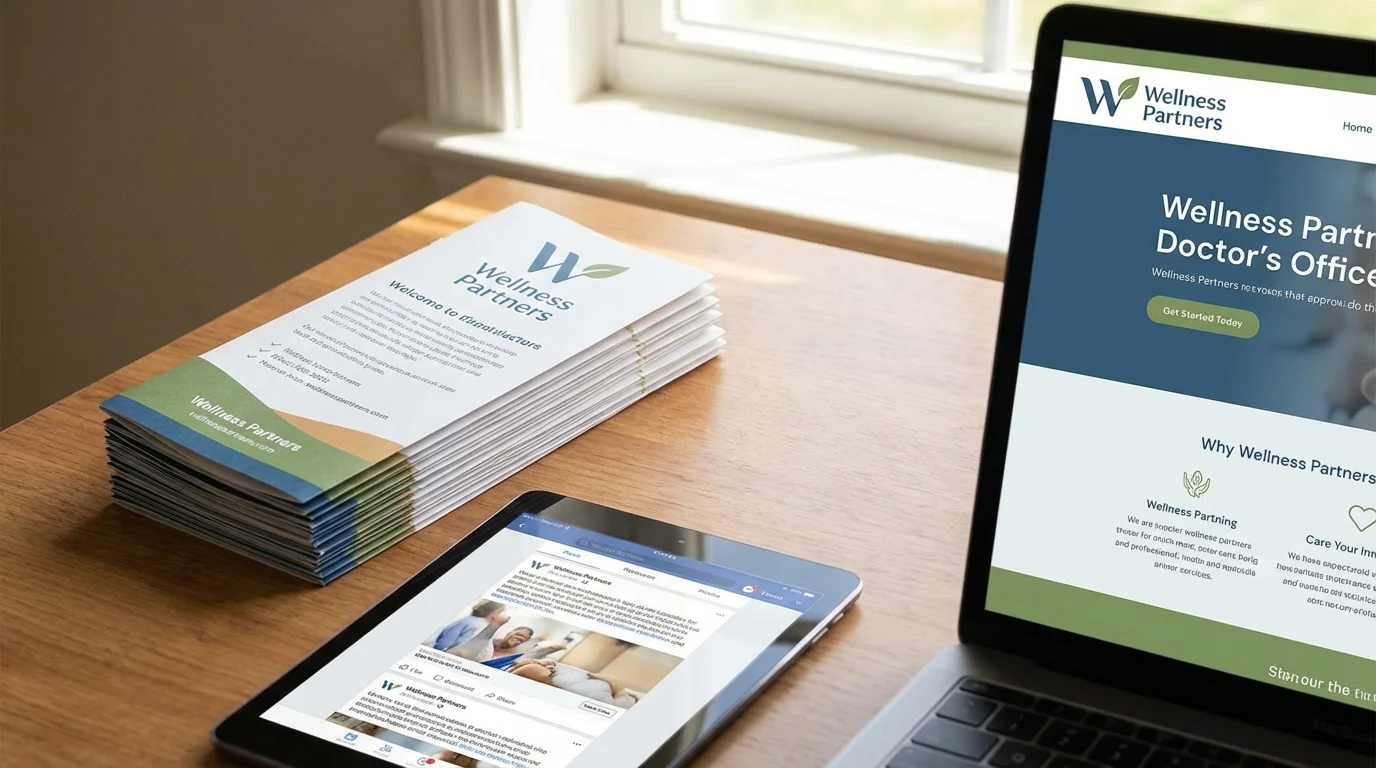

Strengthen Your Online Reputation Today 

5-Star Reputation

0 Comments

Write A Comment

*
*
Please complete the captcha to submit your comment.
Related Posts All Posts
04.13.2026

Master Online Reputation Management Healthcare Today

Did you know that more than 80% of patients read online reviews before choosing a healthcare provider? Long before someone schedules an appointment or walks into your office, they’re evaluating your practice through Google ratings, testimonials, and social media feedback. In today’s digital-first healthcare landscape, your online reputation isn’t just part of your brand—it is your first impression.A single review can influence dozens, even hundreds, of potential patients. That’s why healthcare online reputation management is no longer optional; it’s essential. When managed strategically, your online presence becomes a powerful asset that builds trust, strengthens credibility, and drives patient growth. In this guide, you’ll discover a clear, practical roadmap to protect, enhance, and elevate your healthcare reputation—with confidence and the right tools in place.Startling Trends: Why Online Reputation Management in Healthcare Is Non-Negotiable in 2026In 2026, online reputation management in healthcare isn’t just a marketing strategy—it’s a survival strategy. Today’s patients don’t simply search for providers; they research, compare, and scrutinize. Online reviews, star ratings, and patient feedback now play a decisive role in whether a practice thrives or struggles to maintain steady growth. Delivering excellent care is essential—but how that care is reflected online often determines who walks through your doors.Patient trust is increasingly shaped by what appears on search engines, review platforms, and social media feeds. One unresolved complaint or unanswered review can quickly gain visibility, impacting patient acquisition, referrals, and long-term loyalty. In an era where digital impressions form in seconds, perception and credibility are inseparable.Healthcare providers must take a proactive, strategic approach to reputation management. Word-of-mouth still matters—but in 2026, word-of-mouth lives online. Reviews across platforms like Google and Press Ganey send powerful signals about quality, empathy, and reliability. Ignoring them means surrendering control of your narrative.By implementing strong online reputation management practices, you can respond with professionalism, strengthen patient relationships, and transform feedback into measurable growth. Because right now, somewhere, a prospective patient is researching your practice. The question is: what does your digital footprint say about you?Understanding Online Reputation Management Healthcare: Definitions & Key ConceptsWhat is Online Reputation Management in Healthcare?Online reputation management healthcare is the strategic process of shaping and maintaining a healthcare provider’s public image across digital channels—think search engines, review sites, and social media. This involves actively monitoring what patients and the community are saying, quickly addressing negative feedback, and amplifying positive reviews. Healthcare reputation management isn’t just about managing online complaints. It’s a comprehensive practice that ensures your values, quality care, and compassion come across in every digital touchpoint. Fundamentally, it’s about providing trust and credibility before a patient ever schedules a visit.A robust reputation management solution supports clinics, hospitals, and solo practices in navigating challenges—from inaccurate reviews to emerging online threats. It protects both the brand and the bottom line by fostering ongoing patient engagement. If you want to sustain and grow your practice, knowing how to manage online reputation is as vital as delivering excellent care in person. Think of it as modern bedside manner—digitally amplified and always “on. ”A robust online reputation strategy also means understanding the nuances of digital engagement, from monitoring reviews to responding with empathy and professionalism. For healthcare providers looking to streamline their approach, exploring secure member resources and best practices can be invaluable—discover more insights on the membership login page for practical tools and guidance.Why Healthcare Reputation Management Matters More Than EverYour reputation is your most valuable currency as a healthcare provider. With the digital age accelerating, today's patients expect transparency, compassion, and consistency—both offline and online. Online reviews can influence treatment choices, referrals, and long-term loyalty. For many prospective patients, a single doctor review may weigh more than decades of experience or specialty certifications.Healthcare reputation management fills the important gap between patient experience and public perception. It empowers you to leverage positive feedback, address concerns, and demonstrate a genuine commitment to improvement. This level of engagement not only attracts satisfied patients; it builds a resilient brand, fostering patient trust that extends beyond the exam room. In the fiercely competitive digital landscape, healthcare providers simply cannot afford to let their online reputation drift unattended.Exploring the Role of Search Engine Rankings in Online Reputation HealthcareSearch engines have become the deciding factor for new patient acquisition. Often, the first impression of your practice management comes from search engine results—Google Business Profile, RateMDs, or Healthgrades profiles. What patients see in those first few links determines whether they’ll call your office or look elsewhere.Effective online reputation management means optimizing your digital presence for both patients and search engines. Consistent information, updated contact details, and prompt responses to patient reviews all contribute to higher search engine visibility. Plus, Google and Bing value businesses that maintain active, authentic engagement—rewarding attentive healthcare providers with better rankings. If you want your practice to be found, healthcare reputation management must be an integral part of your digital strategy.The Direct Impact: Patient Satisfaction, Experience & Trust in Online Reputation Management HealthcareHow Patient Reviews Shape Your Healthcare ReputationPatient reviews are now the heartbeat of your healthcare reputation. A single glowing testimonial can resonate across dozens of review sites, boosting patient acquisition and setting your practice apart from competitors. Conversely, a neglected negative review can deter new patients and undermine years of hard work. Studies consistently show that patient satisfaction scores directly correlate with practice growth and wider trust and credibility.From Google to Press Ganey, the collective voice of your patient reviews now tells a powerful story. Healthcare providers who actively cultivate positive feedback—and transparently address areas for improvement—see lasting benefits in patient experience metrics. Keep in mind that potential patients aren’t just searching for star ratings. They’re reading comments and testimonials to see how your staff responds and whether service recovery measures are genuinely offered.Building Patient Trust Through Transparent Reputation ManagementWinning patient trust today requires more than clinical skills; it demands transparent, compassionate communication online. When a patient leaves feedback—good or bad—they’re offering you a chance to build credibility. Prompt, respectful engagement signals that you value their experience and are genuinely committed to improvement.Transparent practices—like responding to both positive and negative feedback, explaining changes, and highlighting successful service recovery stories—create a feedback loop that reassures prospective patients. Over time, you’ll find that a consistently open approach helps foster loyal relationships, enhances online presence, and cements your reputation as a provider of choice. Transparency isn’t just a buzzword; it’s your most effective tool for setting your practice apart in a crowded healthcare landscape.Leveraging Patient Feedback for Service Recovery and ExcellencePatient feedback isn’t just about reputation management—it’s a roadmap for practice improvement. Savvy healthcare providers treat even critical comments as invaluable lessons. By proactively analyzing and acting on patient feedback, you can uncover trends, optimize workflows, and exceed expectations. This approach turns mistakes into opportunities for service recovery and deepens your connection with both current and prospective patients.Incorporate feedback into staff training and regular team meetings. Recognize that every comment represents a real person whose opinions, if addressed properly, not only improve experience but drive practice growth. Over time, this commitment to excellence fuels naturally positive reviews, robust patient satisfaction, and a durable online reputation.Key Components of Healthcare Reputation ManagementOnline Review Monitoring: Track reviews across all major platforms to identify trends and intervene early.Patient Feedback Response Process: Establish clear protocols for addressing both praise and criticism transparently and promptly.Consistent Online Presence Management: Keep your brand image, information, and communication uniform and up-to-date everywhere online.Staff Training on Reputation Best Practices: Empower teams to handle sensitive interactions and reinforce values through every patient touchpoint.Collaboration Across Healthcare Providers: Build a united approach to reputation, ensuring every member contributes to a trusted digital footprint.How to Monitor Online Reputation Healthcare EffectivelyTools and Technology for Online Reputation Management HealthcareNavigating the digital landscape can be challenging, but utilizing the right tools makes online reputation management in healthcare manageable—and efficient. From real-time review alerts to deep sentiment analysis, technology bridges the gap between patient experience and actionable insight. The best solutions combine automation with personal touch:ToolKey FeaturesReviewTrackersAggregates patient reviews, real-time alerts, actionable insightsPress GaneySpecialized healthcare feedback analyticsGoogle AlertsMentions monitoring, basic sentiment analysisSelecting a reputation management solution that fits your practice's size and goals is important. Simple platforms like Google Alerts are great for monitoring, while dedicated services like Press Ganey offer advanced analytics tailored for healthcare providers. Investing time in the right technology means you can not only respond quickly but actually enhance patient experience and anticipate emerging trends. If you’d rather not tackle this alone, experienced consultants can help set up and train your team for success.Best Practices for Responding to Online Reviews in HealthcareStrategies for Handling Negative Reviews and Service RecoveryNo healthcare provider is immune to critical feedback. What sets trusted practices apart is how they respond to patient concerns. The best reputation management professionals view every complaint as a chance for service recovery and improvement. The essentials: Respond promptly and respectfully to all feedback, especially negative comments Acknowledge the patient’s perspective and show empathy in your response Take sensitive issues offline when appropriate to protect privacy and resolve concerns personally Document recurring issues for process changes and team training Thank reviewers for their input, regardless of the sentiment, to show you value patient experienceBy developing a thoughtful, genuine response strategy, you not only de-escalate situations but often convert critics into your advocates. Remember: online audiences watch closely, and even a single compassionate reply can reflect powerfully on your entire practice.Fostering Patient Satisfaction and Positive Online PresencePatient satisfaction remains the strongest driver of positive online presence. Encourage happy patients to share their patient reviews on trusted review sites—it sends powerful trust signals to prospective clients. At the same time, resolve negative feedback in a way that demonstrates accountability and a willingness to learn. Showcase stories of successful service recovery to highlight your commitment to quality care.Fostering authentic connections, not just chasing star ratings, turns your current patients into enthusiastic ambassadors. When you consistently engage and deliver on feedback, your practice’s reputation isn’t just protected—it’s actively growing.The Link Between Online Reputation Management Healthcare and Patient AcquisitionHow Online Presence Impacts New Patient GrowthYour online presence serves as the first and often most influential touchpoint in a potential patient’s journey. More than polished websites, it’s the sum of every review, star rating, and social media mention associated with your name. Practices with strong online reputation management healthcare see upwards of 30% greater new patient growth compared to those who neglect their digital footprints.Whether you’re a solo practitioner or a multi-site group, being easily found with favorable reviews and a history of responsive engagement signals trustworthiness. Search engines also reward up-to-date, highly rated businesses by ranking them higher—further amplifying patient acquisition. Ultimately, a healthy online presence doesn’t just bring new faces; it sets expectations for excellence from the start.Healthcare Reputation Management for Solo and Group PracticesSolo providers and large group practices face different reputation management challenges, but the fundamentals remain: consistency, responsiveness, and genuinely patient-centered care. Solos must pay special attention to platforms like Google Business Profile, Healthgrades, and doctor review forums, ensuring all profiles are up-to-date and monitored.Group practices benefit from unifying their message and reputation strategy across locations—ensuring every branch upholds the same commitment to satisfaction and best practices. Designating reputation management leads in each office helps keep your response times fast and your reviews flowing. For both models, investing in a professional reputation management solution accelerates results and reduces manual effort.Avoiding Common Pitfalls: What to Watch Out For in Online Reputation Management HealthcareIgnoring critical reviews or not respondingViolating patient privacy in responsesUsing generic reply templatesNeglecting staff training in reputation protocolFailing to keep online information currentWatch how a welcoming, real-world healthcare setting bridges patient feedback to actionable change. See a provider listen deeply, address concerns, and directly improve their ratings across review platforms. Not only does this showcase the impact of genuine patient engagement, but it also illustrates just how achievable robust online reputation management can be—one positive interaction at a time.Top Metrics: What to Measure for Online Reputation Management Healthcare SuccessMetricWhy It MattersAverage Review RatingDirect indicator of patient satisfactionResponse TimeFaster replies improve perceptionsVolume of ReviewsMore reviews = more trustReview Source DiversityBroadened credibilityPatient Sentiment TrendsReveals systemic strengths or issuesWhy Online Reputation Management Healthcare Demands a Strategic ApproachOnline reputation management in healthcare is no longer a reactive task—it’s a foundational growth strategy. Practices that consistently monitor reviews, respond professionally, and engage with patient feedback build stronger trust and higher retention over time. In 2026, patients expect transparency and responsiveness. A clinic that actively manages its digital presence signals accountability, empathy, and professionalism. Consistency across review platforms, search listings, and social channels reinforces credibility and ensures your online presence accurately reflects the quality of care you deliver.Improving your reputation isn’t about guesswork—it’s about systems. Monitoring performance metrics, analyzing patient feedback trends, and using specialized reputation management tools help transform scattered reviews into actionable insights. Many healthcare organizations have successfully turned around declining ratings by investing in structured processes, staff training, and the right technology. These strategies are scalable and achievable for practices of any size—and sometimes the most effective step is partnering with experienced digital reputation experts who can guide and accelerate the process.Frequently Asked Questions on Online Reputation Management HealthcareWhat is healthcare reputation management?Healthcare reputation management is the ongoing process of monitoring, protecting, and enhancing a medical practice’s public image—primarily through online channels such as reviews, search engine results, and social media. It’s about ensuring patient experiences are positively represented and any concerns are quickly resolved.How can doctors improve their online reputation?Doctors can enhance their online reputation by consistently delivering excellent patient care, encouraging happy patients to share their stories online, personally addressing concerns or complaints, and ensuring their professional profiles are accurate and up to date on review sites and directories.What are the benefits of online reputation management in healthcare?Benefits include improved online visibility, increased patient acquisition, stronger trust from both existing and prospective patients, actionable insights for staff training, and resilience against negative publicity. Proactive reputation management also boosts search engine rankings and brand authority.How do you handle negative patient reviews online?Handle negative reviews promptly and empathetically. Acknowledge the patient’s concerns without sharing private information, offer an offline resolution when appropriate, and demonstrate a real commitment to improvement. Consistently addressing feedback builds goodwill—even when mistakes happen.How does online reputation affect patient trust and provider choice?Online reputation acts as a public vote of confidence. Positive reviews, transparent feedback management, and responsive provider engagement send powerful signals of reliability, professionalism, and quality care. Patients lean heavily on these cues to compare providers, inform decisions, and establish trust before even making an appointment.Ready to Be the First Choice for Patients?Ready to become the first choice for patients in your community? Banida Digital is here to help your practice stand out, strengthen trust, and turn your online reputation into a powerful growth engine—without adding more to your already full plate. Our team combines strategy, technology, and healthcare marketing expertise to protect and elevate your digital presence across every platform that matters.Visit Banida Digital’s website to explore our solutions or contact us today to schedule your free consultation and discover how we can help you build lasting credibility, attract more patients, and grow with confidence.Strengthen Your Healthcare Reputation Today

04.10.2026

Avoid Reputation Damage with Healthcare Online Reputation Management

Protect your practice with healthcare online reputation management. Learn how top healthcare reputation management software can help you an help maintain a positive reputation.

02.27.2026

Healthcare Reputation Management: Protect Your Practice’s Trust

Protect your practice and attract more patients with expert healthcare reputation management—build trust, respond to reviews, and strengthen your online presence today.

Terms of Service

Privacy Policy

Core Modal Title

Sorry, no results found

You Might Find These Articles Interesting

T
Please Check Your Email
We Will Be Following Up Shortly
*
*
*