
Add Row
Add Element
banida digital marketing agency logo
update

Banida digital

update
Add Element
  • Home
  • Contact Us
  • All Posts
  • Social Media
  • 5-Star Reputation
  • SEO
  • Traffic
  • Funnels
  • Blogging
  • Advertising
  • Website
March 18.2026
1 Minute Read

Clinic Marketing Online: Strategies That Get Results

Did you know that more than 77% of patients search online before booking an appointment? In today’s healthcare landscape, digital transformation isn’t a nice-to-have—it’s the backbone of sustainable growth. Patients are making decisions long before they ever pick up the phone, and your online presence plays a critical role in whether they choose your clinic or scroll past it.

Clinic marketing is evolving fast, and practices that adapt are the ones that continue to grow and earn patient trust. Whether you run a solo practice or manage a multi-location healthcare group, having a clear, effective digital strategy is essential for attracting new patients and delivering a modern patient experience. This guide breaks down proven strategies, practical tools, and straightforward steps any clinic can use to succeed online—no hype, just expert-backed insights that work.

Clinic Marketing Online: Why Digital Success is Non-Negotiable for Medical Practice Growth

The New Healthcare Market: Why Clinic Marketing Online Matters

Today’s patients have more information at their fingertips than ever before. From reviewing patient experiences to comparing services, people rely on digital touchpoints to make critical healthcare choices. This shift has turned clinic marketing online into a must-have, not a nice-to-have, for growing your medical practice. Online marketing influences patient trust, fuels referrals, builds your online reputation, and shapes your competitive edge in a crowded healthcare market.

For clinics, every moment a prospective patient spends online—searching, reading reviews, or visiting your website—is a vital opportunity to build trust. Without a thoughtful online strategy, clinics risk being overshadowed by competitors who present themselves more clearly and professionally across digital channels. Embracing digital marketing isn’t about chasing trends; it’s about ensuring your medical practice meets patients where they’re already searching and making decisions. That’s the new reality of practice marketing.

How Medical Practice Marketing is Evolving in the Digital Age

Word of mouth and print advertising were enough to keep patient appointments full. However, as digital platforms rise, the healthcare marketing landscape has fundamentally shifted. Practices now succeed with a blend of robust websites, strong SEO, targeted social media communities, and thoughtful content marketing.

Today, your clinic’s reputation, reviews, and online presence matter just as much as medical expertise. Medical marketing is about nurturing patient relationships both in-person and online, offering value through educational content, and building credibility before a patient ever walks through your door. Practices that adapt quickly—not only to the latest technology but also to patients’ rising digital expectations—set the pace in the competitive healthcare market.

As you refine your clinic’s digital approach, remember that the quality of your online content plays a pivotal role in attracting and engaging patients. For practical guidance on crafting compelling articles that resonate with your audience, explore these proven techniques for writing a great article that can elevate your clinic’s authority and trust online.

Healthcare team strategy session for end-to-end clinic marketing online success.

Clinic Marketing Online Fundamentals: End-to-End Medical Marketing Success

Identifying Your Target Audience in the Healthcare Market

At the core of every effective clinic marketing online strategy lies a complete understanding of your target audience. Are you speaking to young families, seniors, or chronic illness sufferers? Defining clear patient personas ensures your messaging, content, and outreach efforts truly resonate with the people you aim to help. Avoid the common pitfall of casting too wide a net; instead, focus on what motivates your ideal patients, what concerns and questions they have, and how they move from discovery to booking an appointment.

Great marketing for doctors doesn’t start with tactics; it starts with empathy and research. Talk with current patients, reflect on your most frequent cases, and leverage simple tools like surveys or interviews to clarify who you can serve best. By understanding your audience’s needs at a granular level, you’ll design marketing messages that are timely, trusted, and genuinely helpful. This is foundational for medical practice growth in today’s healthcare market.

Setting Measurable Goals for Your Online Presence

Any successful practice marketing effort begins with setting specific, achievable objectives. Common goals include attracting thirty new patient bookings per month, boosting positive online reviews, or doubling your website traffic in your local area. The key is to define what success looks like for your medical practice, then translate those objectives into meaningful, measurable targets—such as inquiry form submissions, call volume, or ranking positions in local search results.

To track progress, use analytics tools to monitor patient acquisition, website engagement, and the effectiveness of your marketing campaigns. Having clear KPIs (Key Performance Indicators) not only motivates your team but also keeps your marketing strategies focused on real business outcomes. When paired with regular review cycles, your clinic will proactively adjust for better results rather than reacting to slow periods after the fact.
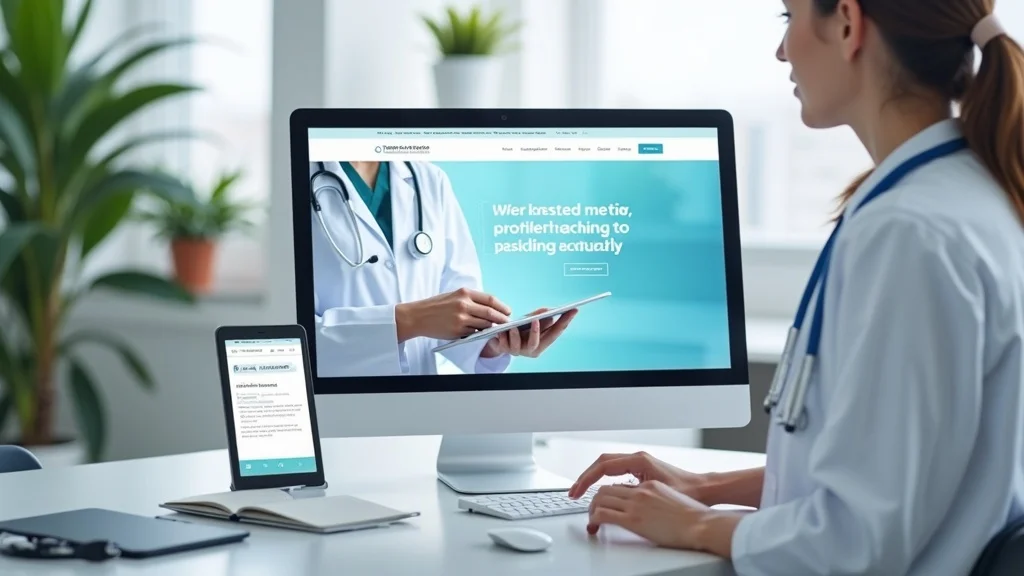
Professional medical clinic website mockup showing conversion-focused online presence.

Building Your Online Presence: Website, SEO, and Clinic Marketing Online Essentials

Developing a Conversion-Focused Medical Practice Website

Your website is the heart of your online presence—often the first impression you make on potential patients. An effective medical practice website must feel professional, approachable, and easy to navigate, with a strong focus on conversion: turning visitors into booked appointments. Clearly share your services, highlight patient experience, offer online booking, and make contact details easy to find from any page. Consider trust signals like bios, certifications, and patient testimonials to establish credibility quickly.

Mobile optimization is non-negotiable, as many patients search and book via smartphones. Ensure all phone numbers, forms, and buttons are touch-friendly and load fast. Finally, balancing imagery, color, and concise copy ensures your website appeals both visually and functionally, guiding visitors effortlessly to take the next step toward their care.

SEO for Clinic Marketing Online: Ranking in Local Search Engine Results

Effective SEO (Search Engine Optimization) brings your clinic to the top of local search results, connecting you with patients right when they’re searching for your services. Focus on healthcare-specific keywords such as your specialties, geographic area, and service names. For example, “pediatrician in [Your City]” or “urgent care near me” draws targeted, ready-to-book prospects.

Don’t overlook your Google Business Profile: keep it updated with hours, photos, and direct appointment links. Encourage reviews and use geo-tagged images of your clinic. Structured data, local directory citations, and simple content tweaks can all help boost your position on key search engines. By investing in local SEO, your medical clinic ensures high visibility to patients searching in your area—and builds a steady stream of new inquiries month over month.

Content Marketing: Authority, Trust, and Patient Experience

High-quality content marketing demonstrates your expertise, showcases thoughtful patient care, and boosts your online reputation. Educational blog posts, FAQ resources, and patient guides answer real questions and empower visitors to take control of their health—building trust long before an appointment is booked. This is one of the most effective ways for medical practices to set themselves apart in the busy healthcare market.

To succeed, publish content tailored to common patient concerns. For instance, a blog about “Recognizing Cold vs. Flu Symptoms” or “What to Expect During Your First Visit” signals that you understand your target audience’s needs. Each piece of content further optimizes your site for search engines, increasing the chances you’re discovered first. Reputation grows one helpful article at a time—and establishes your clinic as a leader patients can rely on.

Healthcare professional engaging with social media for clinic marketing online.

Social Media and Digital Advertising in Clinic Marketing Online

Leveraging Social Media for Healthcare Market Engagement

Social media platforms are invaluable for building relationships with current and potential patients. Facebook, Instagram, and even LinkedIn allow clinics to share updates, celebrate wins, and offer health tips in real-time. The goal isn’t just promotion—it’s engagement. When patients see authentic content and real staff, it humanizes your practice and deepens community trust.

Short videos introducing doctors, Q&A livestreams on new procedures, or behind-the-scenes glimpses all create meaningful connections that extend far beyond what’s possible in an exam room. Responding promptly to comments and messages further enhances patient experience, showing your clinic cares about every touchpoint online. Consistency, creativity, and transparency shine on social media—and build brand loyalty over time.

Paid Digital Marketing: Google Ads, Facebook, and Instagram

When organic reach isn’t enough, paid digital marketing like Google Ads, Facebook, and Instagram offer powerful ways to target your ideal patients. Google Ads put your practice at the top of relevant search results, while social platforms allow hyper-targeted ads based on location, age, and interests. Always match your investments to the places your target audience already spends their time.

In healthcare, strict rules guide ad content. Prioritize transparency, never promise unrealistic results, and ensure compliance with advertising standards for medical practices. Use paid campaigns to promote new services, spotlight events, or re-engage patients who have visited your website but haven’t booked yet. Paid ads, combined with organic content and robust reputation management, complete a well-rounded marketing strategy for clinics aiming to grow.

Clinic manager reviewing online patient feedback for reputation management.

Online Reputation & Patient Experience: The Heart of Clinic Marketing Online

Reputation Management for Medical Practice Growth

Your online reputation is often the deciding factor for new patients. 70% of people trust online reviews as much as personal recommendations. That’s why reputation management is now a central strategy in clinic marketing online. Proactively monitor review sites, promptly address concerns, and encourage satisfied patients to leave feedback after their visits. Over time, a consistent flow of positive reviews will reinforce your credibility and attract even more new patients.

Remember: Reputation management is not just about firefighting negative feedback. It’s about building a steady base of positive, authentic testimonials and demonstrating how seriously you take patient satisfaction. This approach supports long-term medical practice growth and cultivates word-of-mouth in your local area—both online and offline.

Review Strategies That Build Trust in Healthcare Marketing

Transforming one-time feedback into ongoing trust starts with a proactive review request process. Ask every satisfied patient to share their experience, ideally through friendly, automated email or SMS follow-ups. Make it easy with direct links to your Google Business Profile or health-specific review platforms. Encourage honest comments, not scripted responses—authenticity is key to success in healthcare marketing.

Address negative feedback with empathy and professionalism. Thank patients for their input, take concerns offline when appropriate, and resolve issues quickly. These best practices not only diffuse dissatisfaction but also demonstrate accountability and responsiveness to those considering your clinic. A well-run reputation program builds trust, loyalty, and a steady influx of new patients seeking ethical and patient-centered care.

Responding to Patient Feedback: Best Practices

Responding to feedback—good and bad—is non-negotiable in today’s digital healthcare market. Always acknowledge positive reviews with a personal note of thanks, reinforcing appreciation for patient loyalty. For negative reviews, never argue publicly; instead, apologize for the experience, explain your process for resolving concerns, and encourage continued dialogue offline if needed.

Timely, respectful communication shows your commitment to continuous improvement. Over time, prospective patients will see a consistent pattern of empathy, accountability, and care—key qualities that set your practice marketing efforts apart and define exceptional patient experience in a crowded online space.

Analytical dashboard for clinic marketing online showing marketing metrics and A/B test results.

Data-Driven Decisions: Measure, Optimize, and Scale Your Clinic Marketing Online

Marketing Metrics to Track in Digital Healthcare Market

Without measurement, even the best marketing strategies can stall. Track essential marketing metrics like website traffic, conversion rates, new appointment bookings, and review volume. Use tools like Google Analytics, Google Business Profile Insights, and simple dashboards to see which marketing efforts drive real results. Many medical practices also monitor call tracking, email response rates, and SEO rankings for a full view of online presence performance.

Reporting should be clear and actionable—track what really matters to your clinic’s growth. Whether it’s monthly appointment growth or improvements in patient engagement, regular reviews help you refine campaigns and reallocate resources for better ROI. Remember, the ultimate goal is not just more traffic, but more meaningful patient relationships and a better overall patient experience.

Continuous Improvement: AB Testing and Patient Experience

Marketing is never “set and forget,” especially online. Implementing A/B testing—comparing different website layouts, ad creatives, or subject lines—provides concrete data about what resonates best with your audience. Use these experiments to refine website calls-to-action, optimize landing pages, or tweak email content. A small tweak could double your appointment rates without any extra ad spend.

Continually listen to patient feedback, monitor engagement on digital channels, and stay flexible with your approach. The clinics that thrive are open to change, test regularly, and embrace opportunities to improve both marketing outcomes and core patient experience. This iterative mindset keeps your clinic competitive—and ensures sustainable medical practice growth over time.

Agency representative and medical practice owner consulting about clinic marketing online strategy.

Outsourcing Clinic Marketing Online: When to Bring in a Healthcare Marketing Agency

In-House vs. External Marketing Services: Pros and Cons

Should you keep digital marketing in-house or hire a marketing agency specializing in healthcare? The answer depends on your clinic’s size, budget, available skills, and how quickly you want results. In-house teams offer more control and immediate alignment with your practice values, but often lack the expertise or resources to keep up with evolving best practices, technologies, and compliance standards.

External marketing services—from specialized agencies—bring proven processes, advanced tools, and fresh perspectives. Agencies help you avoid common pitfalls, ensure regulatory compliance, and often show results faster with less trial and error. For many growing clinics, outsourcing frees up time to focus on care while maximizing the impact of every marketing dollar spent.

How to Choose a Clinic Marketing Agency

When evaluating a marketing agency, look for experience specific to the healthcare market, transparent reporting, and clear processes for compliance with medical marketing regulations. Red flags include overpromising fast results, vague contract terms, or lack of healthcare references. A truly great agency fits seamlessly into your team’s culture, communicates proactively, and equips you with dashboards and regular performance updates.

Choose partners with a proven track record, genuine understanding of medical practice needs, and a collaborative approach to strategy and execution. A quality agency will help your clinic avoid costly mistakes, adapt to digital trends, and achieve steady online growth—so you can stay focused on delivering patient care with confidence.

Doctor reading an educational blog on tablet, clinic marketing online content authority.

Practical Clinic Marketing Online Strategies for Immediate Impact

  1. Optimize your Google Business Profile

  2. Launch a reputation management process

  3. Develop targeted social media campaigns

  4. Run educational webinars or online Q&A sessions

  5. Start a medical blog addressing patient FAQs

Table: Comparing Key Clinic Marketing Online Tactics

Tactic

Audience Reach

Cost

Time to Results

Difficulty

Best for Medical Practices?

Website SEO

Local & Regional

Medium

3-6 months

Moderate

Yes, essential for long-term growth

Social Media

Wide (Highly Targeted)

Low-Medium

2-8 weeks

Easy-Moderate

Yes, for patient engagement and trust

Google Ads

Local, Immediate

Medium-High

1-4 weeks

Moderate

Yes, for fast visibility

Email Newsletters

Existing Patients

Low

4-12 weeks

Easy

Great for retention and updates

Reputation Management

Local & Referral

Low

Immediate-3 months

Easy-Moderate

Vital for trust & credibility

Modern clinic reception area with patients interacting with digital kiosk, clinic marketing online focus.

Mastering Clinic Marketing Online

Successful clinic marketing online isn’t something you set up once and forget—it’s an ongoing process that evolves with patient behavior, technology, and competition. From search visibility and paid ads to website content and online reviews, every touchpoint should work together to support a seamless patient journey. When your marketing efforts align with the actual patient experience—clear messaging, easy scheduling, and trustworthy information—you build confidence and make it easier for patients to choose your clinic.

Just as important is consistently measuring results and adapting your strategy over time. Tracking performance helps you understand what’s driving patient inquiries and where improvements are needed, allowing you to refine campaigns for better outcomes. And if managing all of this feels overwhelming, you don’t have to do it alone—expert healthcare marketing support is available to help you grow sustainably, avoid costly mistakes, and stay competitive in an ever-changing digital landscape.

Frequently Asked Questions on Clinic Marketing Online

What is clinic marketing online and how is it different from traditional marketing?

Clinic marketing online is the process of promoting your medical practice through digital channels like websites, social media, SEO, and online ads. Unlike traditional methods (e. g., print, TV, or direct mail), it allows for more targeted reach, real-time measurement, and deeper patient engagement. Clinic marketing online adapts to patients’ digital behaviors, making it more cost-effective and impactful in today’s healthcare market.

How much budget should a medical practice allocate for digital marketing?

Budgets vary, but most clinics should dedicate 3-10% of gross revenue to digital marketing (including website design, SEO, content, ads, and reputation management). Prioritize essentials first—like a professional website and local SEO—then expand gradually with tools like Google Ads or social media campaigns as growth allows.

How does content marketing support patient acquisition?

Content marketing provides valuable information, builds trust, and positions your doctors as experts. Blog articles, guides, and FAQs answer patient questions and address concerns, making your clinic the go-to authority in your field. This not only attracts new visitors but also increases the likelihood they’ll book an appointment because they already trust your approach.

What are common mistakes in clinic marketing online?

Common mistakes include neglecting patient reviews, failing to measure marketing results, having an outdated or non-mobile-responsive website, and focusing on generic messages rather than addressing your specific target audience. Avoid these pitfalls by setting clear goals, tracking outcomes, and regularly updating your online presence with fresh, patient-centered content.

Ready to Elevate Your Clinic Marketing Online?

Ready to elevate your clinic’s marketing and see results that truly scale? Banida Digital specializes in tailored healthcare marketing strategies designed to help clinics attract more patients, build trust, and grow sustainably. Whether you’re looking for expert guidance, full-service support, or simply want answers to your questions, our team is here to help. Visit Banida Digital’s website or contact us today to schedule a free consultation and discover how smarter digital marketing can move your clinic forward—no pressure, just clear, actionable insights.


Advertising

0 Comments

Write A Comment

*
*
Please complete the captcha to submit your comment.
Related Posts All Posts
03.16.2026

Avoid Common Pitfalls in Pay Per Click Healthcare Ads

Did you know that more than one in four healthcare PPC dollars are wasted due to poor targeting and inefficient campaign management? Pay per click healthcare ads may seem straightforward, but beneath the surface lie unique industry pitfalls that can silently drain your budget, reduce ad effectiveness, and even put your practice at risk of compliance violations.In this guide, we walk you through the most common mistakes, practical fixes, and real-world strategies used by successful healthcare providers and PPC agencies. Whether you’re just starting with PPC advertising or looking to refine your existing healthcare marketing efforts, you’ll find time-tested advice and actionable steps—clearly explained, never hyped. Let’s get started.Startling Facts: Why Most Pay Per Click Healthcare Ads Waste BudgetFor busy healthcare practices, paid search and PPC campaigns offer a powerful channel to reach potential patients right at the point of need. However, industry research reveals a sobering truth: “According to industry benchmarks, over 25% of healthcare PPC budgets are lost to poorly optimized campaigns and irrelevant clicks. ” This means that even the most ambitious healthcare marketing efforts can fall flat if campaigns are not strategically planned, regularly monitored, and aligned with compliance protocols. The top culprits? Care marketing teams often launch Google Ads or Bing Ads campaigns using broad match keywords, generic ad copy, or untargeted landing pages. This can inflate costs, attract unqualified leads, and send your ads to the top of search results for the wrong reasons. In some cases, lack of negative keywords or conversion tracking in your PPC campaign means you simply don’t know what’s working—or where the leaks are occurring. The good news: with a few foundational fixes, you can quickly pull your campaigns out of the red and position your practice as the clear choice for patients in your area.As you refine your PPC campaigns, remember that the principles of clear, targeted messaging and structured content are just as vital in your ad copy as they are in broader content marketing. For a deeper dive into crafting compelling, high-performing content, explore these expert tips on writing a great article—many of the same strategies apply to both landing pages and ad creatives.Understanding the Unique Challenges of Pay Per Click Healthcare AdsComplying with Healthcare Regulations in PPC AdvertisingUnlike traditional digital marketing, pay per click healthcare ads come with a complex web of legal responsibilities. Every ad, keyword, and landing page must adhere to HIPAA regulations, privacy laws, and search engine advertising policies. An oversight in your PPC strategy could expose sensitive patient information or misrepresent clinical services, leading to severe fines or suspension of your Google Ads account. Healthcare providers and agencies must build processes for compliance into every stage of campaign setup—from vetting ad copy for regulated claims to ensuring all tracking pixels protect personal health data. It pays to regularly review the latest advertising guidelines from both government and search platforms, as regulations evolve rapidly. If managing legal risks feels overwhelming, working with experienced PPC agencies who specialize in healthcare marketing is a safe bet and can help keep your campaigns above board.Sensitive Search Terms: Paid Search and Healthcare MarketingPaid search ads thrive on relevance, but many core healthcare keywords—think “addiction treatment,” “abortion clinics,” or “cosmetic surgery”—are tightly restricted or banned by search engines. That means your Google Ads strategy must account for platform policies on sensitive or prohibited healthcare terms, sometimes requiring special pre-approval or documentation. It’s critical to avoid shortcuts here. If your PPC campaign runs afoul of rules around prescription drugs, mental health services, or medical trials, your ads could be disapproved or your account suspended. A best practice is to carefully research both required certifications (like LegitScript for addiction treatment) and negative keywords to limit unwanted impressions. The bottom line: effective care marketing in PPC is not just about what you say, but how and to whom you say it—without violating advertising rules or patient trust.Common Mistakes in Pay Per Click Healthcare Ads CampaignsIgnoring HIPAA and privacy concerns in PPC ad targeting: Failing to account for patient privacy not only risks compliance violations but can also cause reputational harm. For example, using remarketing lists that inadvertently disclose sensitive health interests could lead to significant penalties for healthcare providers and PPC agencies alike.Broad keyword use in PPC campaigns leading to wasted spend: Without carefully structured keyword lists, your ads might show up for unrelated or low-intent search queries, driving high costs but low lead quality. Specific keywords are important in targeting the right patient journey stages.Neglecting landing page optimization for healthcare providers: Sending PPC traffic to generic or slow-loading pages often leads to a poor conversion rate. Patients expect quick access to relevant information and clear next steps tailored to their health needs.Lack of negative keyword strategies in Google Ads campaigns: Forgetting to purposely exclude irrelevant terms or searches lets wasted clicks pile up. Regularly updating your negative keywords is just as important as targeting the right audience.Failing to track conversions and ROI in paid search: If you’re not measuring how many inquiries, appointments, or calls actually result from your PPC ads, you’re flying blind. Conversion tracking provides the data needed to make smarter campaign decisions and continually improve your marketing strategy.Building a Strategy for Effective Pay Per Click Healthcare AdsSetting Clear Objectives for Healthcare PPC CampaignsSuccess with healthcare PPC campaigns starts with one essential question: What do you want to achieve? Are you looking to drive appointment bookings, increase calls, promote a particular service line, or raise brand awareness? Defining concrete goals before launching any PPC ad gives your campaign direction and ensures all measurement is tied to business outcomes, not just vanity metrics. For healthcare providers, it’s smart to prioritize actions directly tied to patient acquisition—such as online bookings, form submissions, or calls. Once objectives are set, outline your key performance indicators (KPIs)—for example, cost per qualified lead or conversion rates—in your digital marketing plan. Clear goals steer everything from keyword targeting to ad copywriting and even landing page optimization, so don’t skip this foundational work.Choosing the Right Keywords for PPC Ads: Healthcare Marketing InsightsEffective keyword research forms the backbone of every winning pay per click healthcare ads campaign. Instead of going broad, focus on specific keywords that match your target audience's needs and the services you actually provide. For example, “pediatric urgent care near me” performs much better—and wastes less spend—than a generic “doctor” search. Digging deeper, use keyword tools to find long-tail terms, including those related to symptoms, insurance coverage, or geographic location. Regularly prune out underperforming phrases and implement negative keywords to filter irrelevant traffic. For organizations in competitive metro areas, a robust ppc strategy means balancing cost-per-click with relevance and lead quality. Remember: not all traffic is created equal. Only carefully selected keywords can connect your PPC ads to patients truly ready to act.Crafting Compelling PPC Ad Copy for Healthcare ProvidersYour PPC ad is the first—and often only—impression potential patients get of your healthcare brand. That means your ad copy must be clear, trustworthy, and compliant. Great ad copy for healthcare providers does three things: it clearly answers a patient’s search intent, speaks to specific needs, and provides a credible next step (like “Book Your Visit Now”). Avoid medical jargon and vague promises. Instead, use language that builds trust (“Board-certified physicians,” “Same-day appointments,” etc. ) and calls to action that prompt users to engage. Incorporate your unique value, meet compliance guidelines, and ensure each ad tightly matches the keywords targeted in your campaign. Testing alternative headlines and descriptions helps refine messaging toward what gets the best response.The Role of Landing Pages in Pay Per Click Healthcare Ads SuccessEssential Elements of High-Converting Landing Pages for HealthcareEven the best PPC ads can’t succeed without a dedicated, high-quality landing page. For healthcare marketing, the landing page is where trust is won or lost. It should immediately reassure potential patients with clear branding, concise information about services, strong physician credentials, and easy-to-use appointment forms. High-converting landing pages use visual cues (like trust badges or testimonials), mobile-responsive layouts, and fast-loading elements to minimize drop-off. Other best practices include using clear calls to action, such as “Schedule Your Consultation Today,” and ensuring all compliance and privacy requirements are prominently addressed. Match the ad copy’s promise to the landing page message—consistency here improves both quality scores and conversion rates.A/B Testing and Continuous Improvement in Pay Per Click Healthcare AdsHealthcare PPC advertising isn’t “set it and forget it. ” Continuous improvement—via A/B testing—is key to sustainable success. This means regularly testing two versions of your ad copy, headlines, images, or even entire landing pages to see which converts better. Over time, A/B testing helps optimize conversion rates, reduce cost per acquisition, and keep your PPC campaigns competitive in changing search engine landscapes. Make regular use of analytics tools to review user paths and performance metrics. Simple changes, such as tweaking the color of a call-to-action button or refining the headline, can significantly impact lead quality and conversion rates. Commit to testing one element at a time, document your findings, and use those insights to inform broader marketing strategy decisions going forward.Working with PPC Agencies for Healthcare BrandsHealthcare practices often turn to specialized PPC agencies when internal resources are limited or campaigns become too complex. The best agencies go far beyond just running ads—they guide you through best practices, compliance checks, and ongoing optimization. Consider this advice: “The best PPC agencies don’t just run ads—they help healthcare brands establish a process, avoid common pitfalls, and align campaigns with compliance regulations. ” When evaluating potential partners, ask about their track record in healthcare marketing, their approach to privacy and compliance, and the processes they use to generate measurable results. Trusted agencies are transparent, focused on outcomes, and open to providing clear reporting so you never feel in the dark.Optimizing Pay Per Click Healthcare Ads Using Data and AnalyticsKey Metrics for Tracking PPC Campaign PerformanceData-driven decision-making separates average pay per click healthcare ads from outstanding ones. Core PPC metrics to monitor include click-through rate (CTR), cost per click (CPC), conversion rate, cost per acquisition (CPA), and return on ad spend (ROAS). It’s not enough to drive traffic—what matters is turning that traffic into qualified patient leads. Use analytics dashboards to visualize progress, compare different campaigns, and segment performance by specific keyword group, device, or location. Regular reporting enables you to identify wasted spend, top-converting search terms, and areas needing focus. Prioritize metrics that map directly to business goals (like booked appointments, not just traffic). This approach keeps your campaigns accountable and aligned with real-world outcomes.Leveraging Search Engine Data for Better Paid Search ResultsThe search engine itself is a goldmine for campaign insight. Use tools like Google Ads’ Search Terms Report, Keyword Planner, and Analytics to uncover exactly how patients are searching for healthcare providers like you. By mining this search engine data, you can refine your ad copy, identify new keyword opportunities, and optimize bid strategies for better patient acquisition outcomes. Don’t be afraid to pause underperforming PPC ads, shift budget to higher-value search results, and use insights from the digital marketing ecosystem (such as changing patient behaviors or seasonality trends). The best PPC strategy is always adaptive, using precise targeting informed by up-to-date data—not assumptions or outdated tactics.Quick Reference Table: PPC Campaign Pitfalls and Solutions for HealthcareCommon PitfallDescriptionSolutionMeasurable ImpactIgnoring HIPAA complianceAds risk legal violations by mishandling patient data or using targeting methods that breach privacy.Review all campaigns for compliance; use secure tracking and train marketing staff.Reduces legal risk; protects brand trust.Broad keyword targetingResults in wasted spend on unrelated or low-quality traffic.Focus on specific keywords and add negative keyword lists.Improves lead quality; lowers CPA by up to 30%.Poor landing page experienceGeneric or slow pages decrease conversions and frustrate users.Build dedicated, compliant landing pages matched to ad copy.Boosts conversion rate; increases ROI on ads.Lack of conversion trackingDifficult to identify what works—and what doesn’t.Set up tracking for calls, forms, appointments.Makes campaign optimization possible; saves budget.No ongoing campaign optimizationCampaigns stagnate, ad performance drops.Regular A/B testing and data-driven adjustments.Supports continuous improvement; better patient acquisition.Your Path to High-Performing Healthcare PPC CampaignsEffective pay-per-click healthcare ads are more than just clicks—they’re a pathway to connecting with patients while protecting your practice and budget. By setting clear goals, adhering to compliance guidelines, and carefully targeting keywords, healthcare providers can significantly reduce wasted spend, improve lead quality, and build trust with prospective patients. Consistent optimization, well-crafted ad copy, and dedicated landing pages ensure every dollar invested drives meaningful results and strengthens your practice’s online presence.Remember, PPC success doesn’t happen by chance. Continuous monitoring, A/B testing, and leveraging data from search engines allow you to refine campaigns in real time. Whether managing campaigns internally or partnering with a specialized PPC agency, the right strategy turns potential pitfalls into opportunities—maximizing ROI, boosting patient acquisition, and keeping your healthcare marketing compliant and competitive.Frequently Asked Questions on Pay Per Click Healthcare AdsWhy do many healthcare PPC campaigns waste budget?Poor targeting, broad keywords, unoptimized landing pages, and lack of conversion tracking lead to wasted clicks and high costs. Proper planning and monitoring reduce these inefficiencies.How can healthcare practices stay compliant with PPC ads?Ensure all ads, keywords, and landing pages follow HIPAA, privacy laws, and search engine policies. Regular compliance reviews or working with specialized agencies helps avoid violations.What makes a PPC ad effective for healthcare?Clear, targeted messaging that aligns with patient search intent, compliant ad copy, and strong calls-to-action drive higher engagement and conversions.Why are landing pages critical for PPC campaigns?Even high-performing ads can fail if the landing page is slow, generic, or confusing. Dedicated pages with clear info, trust indicators, and easy appointment booking boost conversions.How do I measure success in healthcare PPC?Track metrics like CTR, CPC, CPA, ROAS, and conversions from calls, forms, or bookings. Data-driven insights help optimize campaigns and improve ROI over time.Looking for More Support With Pay Per Click Healthcare Ads?Ready to get better results from your healthcare PPC campaigns? Whether you need a full campaign audit, ongoing optimization, or expert guidance to avoid common pitfalls, Banida Digital is here to help. Our team specializes in creating compliant, results-driven strategies that attract the right patients, build trust, and maximize ROI. Visit our website or contact us today to schedule your free consultation and start turning your PPC efforts into measurable growth for your practice.Fix Your PPC Campaign Now

03.13.2026

Dominate Local Search Ads for Clinics and Gain Patients

Did you know? Over 70% of patients now use local search ads and online listings to find clinics nearby. If your healthcare practice isn't showing up at the top, you're missing out on patients actively seeking the care you provide—often within hours.In today's fast-changing digital health landscape, being visible in local search results isn’t just a techy bonus—it’s mission-critical. This guide will walk you step-by-step through leveraging local search ads for clinics to consistently attract new patients, outshine competitors, and build lasting local credibility. Whether you handle your marketing or delegate, these insights will empower your clinic’s success.The Surge in Local Search Ads for Clinics: Why Now Is the Time to ActThe healthcare industry is experiencing a seismic shift in patient acquisition, with local search ads for clinics leading the charge. Today, patients search for services like “urgent care near me” or “family doctor open now” and make immediate decisions based on what they see in Google search results or maps. Clinics that leverage local services ads find themselves ahead of the curve—capturing motivated patients at the moment of intent.Why act now? First, the majority of patients prefer clinics within a short drive and rely on digital reviews and visibility to inform their choices. Competition is intensifying: more healthcare providers are investing in local SEO, but local service ads allow clinics to leapfrog organic rankings with verified credibility markers like reviews and professional certifications. This means clinics adopting these strategies early can lock in a key advantage—higher conversion rates, more scheduled phone calls, and increased trust from the community. Don’t let neighboring clinics take the lead in your own zip code; position yourself where today’s patients are searching.Understanding Local Search Ads for Clinics: Key Concepts for Healthcare ProvidersLocal search ads have transformed how healthcare providers connect with local patients. These ads surface at the prime real estate of search engine results—especially for queries with high intent. For clinics, mastering local services and Google Ads can directly impact patient inquiries, appointment bookings, and practice growth. However, understanding what sets each option apart is essential before diving into your ad spend.Key concepts like local service ads, local SEO, and Google Business Profiles often overlap, but each plays a unique role. Local search ads provide fast, paid-visibility; local SEO builds sustainable organic ranking; and your Google Business Profile verifies your presence and reputation. Combined, they form the foundation of effective healthcare advertising—empowering your clinic to build trust and attract the right patients for your care services.When developing your clinic’s local search ad strategy, it’s important to remember that the quality of your content and messaging can significantly influence patient engagement and conversion rates. For a deeper dive into crafting compelling, high-performing content that resonates with your audience, explore these expert tips on how to write a great article—a valuable resource for clinics aiming to stand out in competitive local markets.What Are Local Service and Local Services Ads?Local Service Ads, or LSAs, are specialized ads designed to connect local patients with healthcare providers in their immediate vicinity. These appear prominently in Google Search results and offer features like phone call buttons, ratings, and direct booking options. For clinics, local services ads provide a verified, trust-enhancing listing—often distinguished by a green checkmark or "Google Guaranteed" badge (available in some regions). Unlike traditional search ads, LSAs focus on driving qualified leads (like calls or appointment requests) rather than just clicks.Meanwhile, Local Search Ads refer more broadly to any paid promotion shown in response to local, intent-driven queries. These may include sponsored results in Google Maps, ad panels displaying your clinic’s reviews and phone number, and even hyper-targeted display placements for healthcare services. The key is trust and relevancy: by connecting searches for “physician near me” with accurate info, positive reviews, and instant ways to contact you, local search ads remove traditional barriers between you and your next patient.The Difference Between Google Ads, Local Services Ads, and Local SEOUnderstanding how Google Ads, Local Services Ads, and Local SEO work together is importantfor running a successful local campaign. Google Ads are broad and versatile, appearing at the very top of search engine results for various health-related keywords. They’re best for high-volume exposure or targeting nearby communities with seasonal campaigns, like flu shots or urgent care.Local Services Ads, in contrast, are hyper-local, service-specific listings designed with built-in features to verify your business, streamline patient bookings, and showcase high-impact credentials. They only charge you when a potential patient contacts your clinic directly. Local SEO, meanwhile, is your long-term play for organic visibility—optimizing your clinic’s digital footprint through consistent business information, positive reviews, and authoritative content. All three, when managed strategically, can directly impact your clinic’s visibility and patient growth.Comparison: Google Ads vs. Local Service Ads vs. Local SEO for ClinicsFeatureGoogle AdsLocal Services AdsLocal SEOPlacementTop of search results and display networksProminent above organic/local pack with trust badgesMaps, organic search, knowledge panelPay StructurePay per click (CPC)—charged for each user clickPay per lead—charged only for direct call or messageFree (time/investment in content & reviews)VerificationStandard ad policiesBusiness & professional verification requiredBusiness authenticity via profile, reviewsBest ForBroad awareness, promotionsHigh-intent, local patient acquisitionLong-term trust and authority buildingKey MetricsClicks, impressions, cost per clickCalls, bookings, cost per leadOrganic rank, reviews, trafficBenefits of Local Search Ads for Clinics: Attract More Local PatientsThe impact of local search ads for clinics goes beyond boosting website traffic—it empowers clinics to engage directly with potential patients at their moment of need. These ads surface your clinic when it matters most, whether someone’s searching for late-night urgent care or a pediatrician accepting new patients. The local element increases patient engagement, helping clinics improve conversion rates, build trust, and maximize their advertising ROI.By strategically investing in local services ads, clinics can achieve a much higher return on ad spend compared to broad, unfocused campaigns. With location-targeted visibility, patients see your credentials, read recent reviews, and can contact you with a click—all within Google’s trusted environment. This immediate connection translates into more phone calls, quicker bookings, and measurable success for your healthcare services, making local search ads a powerful tool for clinics ready to grow.How Local Services Ad Campaigns Impact Patient EngagementA well-run local services ad campaign meets potential patients where and when they’re making decisions. Features like call tracking, online booking, and clear service descriptions help healthcare providers create a seamless patient journey from the very first search. With the ability to highlight positive reviews, location, and contact information directly in the ad, patients feel more confident reaching out—and clinics experience an uptick in quality inquiries.That’s not all: local search ads allow efficient spending by only charging for verified leads (calls, bookings), unlike traditional pay-per-click models. By focusing on patient engagement rather than just website traffic, clinics build genuine relationships, encourage referrals, and increase satisfaction throughout the care journey. As patients increasingly expect digital convenience, clinics using these ad formats see an improvement in direct calls, appointment show rates, and patient loyalty.Local Search Ads and Healthcare Advertising: Maximizing ROI for ClinicsFor many clinics, ad spend is a critical budget concern. The beauty of local services ads is that you pay only when a qualified lead comes in—unlike traditional advertising models that eat up budgets without guaranteed patient contact. When combined with data-driven local SEO, these ads deliver cost-effective, reliable growth for clinics offering urgent care, family medicine, dental, and more.Local search ads enable better measurement of what works in healthcare advertising. You can track phone calls, monitor which ads led to real appointments, and quickly adjust campaigns for the best results. This transparency gives healthcare providers confidence to reinvest in channels that truly move the needle—maximizing both marketing ROI and patient acquisition rates, all while maintaining compliance and professional standards.Setting the Foundation: Building Your Clinic’s Business Profile for Local SearchBefore your clinic can succeed with local search ads, you need a rock-solid Google Business Profile and complete, trustworthy information across all digital platforms. This foundation ensures not only visibility in search engine results but also builds trust with potential patients, who often decide on a provider based on the accuracy and quality of their online presence.Healthcare providers should treat their business profile as a dynamic asset—regularly updated with current hours, services, appointment links, insurance details, and up-to-date photos. Inconsistent or incomplete profiles lead to confusion, loss of trust, and wasted ad spend. By optimizing your presence on Google, clinics can directly impact the outcome of local services ads and local SEO efforts. Accuracy, consistency, and credibility are the watchwords here.Optimizing Your Google Business Profile for Local Search AdsThe Google Business Profile (formerly Google My Business) is the launchpad for successful local search ads. Start by claiming and verifying your profile—ensuring your clinic’s name, address, phone number, website, and hours are current and match what’s on your site. Add comprehensive descriptions of all healthcare services you offer, from routine care to specialty treatments.Be sure to upload high-quality photos, list accepted insurance plans, and choose accurate service categories. Encourage all satisfied patients to leave positive reviews; Google prioritizes clinics with authentic, recent ratings. Complete each section of your business profile—including amenities, accessibility features, and appointment links—so that potential patients have all the information needed to make an informed choice immediately after seeing your local services ad.Essential Business Profile Elements to Enhance Local Services Ad VisibilityA fully optimized business profile includes important elements that directly impact the success of your local services ads. Make sure your phone number is easy to find and correct—this is how most leads will reach you from an ad. Incorporate a booking button or online scheduler for immediate conversion from search result to appointment. Accurately list your clinic’s specialties so you appear for relevant local searches, not just general queries.Don’t forget to showcase professional certifications, team bios with photos, and publish regular updates (like new physician arrivals or facility improvements). Add frequently asked questions and answers to minimize barriers when patients are deciding. A well-built profile increases both organic visibility and ad performance—Google rewards completeness and recent activity with higher local rankings and more successful services ad placements.Common Business Profile Mistakes and How to Avoid ThemEven small errors in your Google Business Profile can hurt ad visibility and cost you patients. Common mistakes include inconsistent business listings (address or phone), outdated office hours, or missing service descriptions. Some clinics forget to actively request or respond to patient reviews, which decreases trust and can drop your search ranking. Duplicate listings for the same clinic location are another frequent pitfall and should be promptly merged or removed.To avoid these, audit your online profiles quarterly. Use Google’s own tools for accuracy, and make sure every staff member responsible for marketing or reception understands the importance of having up-to-date information. Maintain brand consistency (logo, language, photos) across all platforms, including local listing sites beyond Google. The goal is to build authority, credibility, and frictionless communication—key ingredients for winning with local search ads for clinics.Step-by-Step Tutorial: How to Create Local Search Ads for ClinicsLaunching your first local search ad campaign can seem daunting, but when you break it down, it becomes a straightforward path. Below is a proven workflow for clinics ready to efficiently attract local patients using today’s most effective digital tools.The process involves: preparing your healthcare services for digital marketing, ensuring your Google Business Profile is optimized, and then launching and monitoring your local services ad campaign with a focus on patient engagement. Each of these steps builds on the previous, laying a clear path from setup to see-your-phone-ring results.Preparing Your Healthcare Services for Local Services Ad CampaignsBegin by outlining the core care services you want to promote. Are you targeting urgent care, pediatrics, dental, family medicine, or specialized treatments? List your unique selling points—such as same-day appointments, multilingual staff, or extended office hours. Gather high-quality images of your clinic and team for use in ads and profiles, as visuals build trust.Next, ensure you have a system for tracking leads (like a dedicated phone number or CRM). Develop ready-to-go scripts for receptionists so they convert ad-driven phone calls into bookings. Prepare a frequently asked questions sheet so staff can confidently answer any inquiry generated from your clinic’s search ad. Laying this groundwork way ensures efficient and seamless patient experiences when your campaigns go live.Setting Up Your Google Business Profile for Local Search SuccessOnce your clinic information is updated, visit Google’s Local Services Ads setup page and select all applicable healthcare services you offer. Double-check your business name, address, professional license information, and insurance details. Submit the required verification documentation—Google may ask for background checks, licenses, or proof of insurance depending on your location.Complete the profile by adding service areas (targeting zip codes, neighborhoods, or nearby towns), business hours, and clear service descriptions. Specify which services are suitable for local promotion (e. g., “walk-in urgent care,” “telehealth visits”). Set up a direct line for phone calls to your front desk or scheduling team so each lead is answered and tracked. This ensures that when your local services ad launches, every interested patient can connect easily, enhancing conversion rates and patient satisfaction.Launching and Managing Local Services Ads (With Patient Engagement Focus)Ready to launch? In Google’s Local Services Ads dashboard, set a comfortable ad spend budget and review the lead types you want (phone calls, messages, appointments). Write a clear, welcoming clinic description targeting your key patient segments. Select service categories and ensure you have up-to-date positive reviews—these dramatically improve how often your ads are shown in local search results.Once live, monitor campaigns daily. Track the number of calls and bookings generated. Rotate ad variations and test messages that emphasize your clinic’s strengths. Encourage new patients to leave reviews after visits, then respond to them—this builds trust and increases visibility in paid and organic results. By maintaining this patient engagement focus, you turn ad leads into loyal patients and long-term ambassadors for your clinic.Best Practices for Local Search Ads for ClinicsSuccessful local search ad campaigns are built on careful targeting, consistent optimization, and smart integration with your broader marketing efforts. Below are actionable best practices for healthcare providers looking to maximize their local ad spend and ensure every patient touchpoint builds trust and drives appointments.Use data to continually refine your approach. Routinely check which messages, service areas, and images generate the most calls and bookings. Test integrations with email, social media, or referral campaigns to amplify results. Track all leads, respond quickly, and make incremental improvements every month for lasting clinic growth.Targeting Local Patients and Setting Up Service AreasChoosing the right geographic service area is vital for cost efficiency and patient satisfaction with local search ads for clinics. Within the ad platform, healthcare providers can select target cities, neighborhoods, or zip codes. Focus first on locations with the highest patient density, existing demand, or competitive advantages, such as underserved communities or proximity to major employers.Regularly review lead sources and adjust service radii if you see a drop in calls or a spike in unconvertible leads from outside your area. Avoid casting too wide a net; tighter targeting leads to higher conversion rates and patient loyalty. By balancing reach and relevance, your ads appear to local patients who truly need your services and are most likely to book an appointment.Optimizing for Phone Call and Patient Conversion TrackingOne of the core pillars of local services ads is the ability to track phone calls and calculate true conversion rates. Assign unique phone numbers to each campaign so you can distinguish which leads are coming from local search ads. Monitor not just the number of calls, but also the percentage that result in scheduled appointments—the key metric for clinic growth.Train front desk staff or scheduling coordinators on how to handle ad-driven calls: a friendly greeting, collecting referral/source info, and a simple workflow for confirming insurance and appointment details. Use call tracking software or Google’s call reporting feature to analyze trends, identify high-performing ad copy, and uncover staff training opportunities. This level of detail allows you to directly link marketing spend to real patient outcomes and continuous improvement.Integrating Local Search Ads with Social Media and Other Marketing ChannelsWhile local search ads are an excellent direct response tool, integrating them with your clinic’s social media, email, or referral outreach enhances your credibility and reach. For example, share patient success stories, health tips, and community events on Facebook or Instagram—then invite patients to book directly via your local services ad link.Cross-reference social media campaign results with ad metrics to learn which audiences respond best. Feature testimonials and consistent branding across all platforms so patients recognize your clinic in both paid and organic search results. This cohesion maximizes each marketing touchpoint and strengthens patient trust—ultimately resulting in more consistent bookings and long-term local reputation.Measuring Success: Metrics to Track in Local Search Ads for ClinicsTo know your local search ads for clinics are working, measurement matters. Go beyond clicks—instead, track metrics that reflect real-world business outcomes. Effective clinics closely monitor search result rankings, call and appointment counts, conversion rate (calls to bookings), and patient engagement post-visit. This data-driven approach makes it easy to justify ad spend and continually improve results.Pair your ad reporting dashboard with feedback from your front desk, online reviews, and monthly booking trends. Set up call analytics and lead attribution tools to precisely track which ads are driving the highest ROI. Remember: the goal isn’t just traffic, but real, satisfied local patients who become the backbone of your clinic’s reputation and growth.Monitoring Search Result Performance and Phone CallsUse your local services ad and Google Business Profile dashboards to monitor total search ad impressions, map placements, and resulting phone calls. Look for trends such as peak search times or which services (e. g., urgent care, pediatric care, physical therapy) are booking most often. If you notice a dip in calls, check ad creative, service descriptions, and even your clinic’s office hours to ensure alignment.Track not just volume, but quality: How many calls turned into appointments? What percentage were new versus returning patients? This granular review of search result performance allows clinics to fine-tune campaigns, focus budgets on high-performing keywords, and make real-time adjustments for maximum efficiency. Coupling ad data with patient management insights creates a powerful feedback loop for ongoing growth.Tracking Patient Engagement and ROI in Local Services AdsPatient engagement extends beyond the first click or call. Use local services ad platforms to track follow-ups: Are patients leaving reviews after appointments? Are they returning for follow-up care? Which ad variations or messages lead to the highest satisfaction? By monitoring not just the quantity, but the quality of leads and their long-term relationship with your clinic, you can optimize for the ultimate conversion—repeat care and ongoing loyalty.Analyzing ROI means comparing your total advertising spend to the number of new, completed appointments and the revenue they generate. Look for ways to improve your process, such as updating ad copy, tweaking service area targeting, or investing in staff training for better on-call conversions. Over time, your data will reveal which strategies consistently deliver the best return for your clinic.Key Performance Indicators (KPIs) for Local Search Ads in Healthcare ServicesKPIDescriptionTarget Value (Example)Leads from AdsNumber of qualified calls, messages, or bookings from local ads20–40/monthConversion RatePercentage of ad contacts who schedule an appointment35%–60%Cost per LeadAverage ad spend divided by genuine leads$25–$60Review RatingAverage patient review score reflected in profiles4.2+Repeat Engagement% of new patients returning for follow-up care30%+Common Pitfalls in Local Search Ads for Clinics—and How to Avoid ThemEven experienced healthcare providers sometimes make avoidable mistakes in their local ad campaigns. The most frequent include incomplete business profiles, neglecting to track phone calls and leads, targeting areas outside a realistic service radius, or failing to actively request and manage patient reviews. Some clinics set ad budgets and never revisit them, missing chances to capitalize on high-demand periods or innovative ad features.By maintaining vigilance—auditing your profiles, tracking every lead, and encouraging consistent staff training—clinics can sidestep these pitfalls. Remember: clear, up-to-date information and responsive communication drive the best patient results, every time.Frequent Mistakes in Local Services Ads for Healthcare ProvidersIncomplete or inconsistent business listings (address, phone)Not tracking patient phone calls or spent ad budgetTargeting irrelevant zip codes or too wide a radiusIgnoring or failing to request reviews from patientsLetting profiles stagnate without regular updatesDelaying response to ad-driven patient inquiriesWinning with Local Search Ads for ClinicsLocal search ads are a powerful way for clinics to get noticed by patients in their immediate area. By focusing on the locations that matter most, clinics can appear right when potential patients are searching for relevant services, making it easier to fill appointment slots quickly. A well-optimized Google Business Profile acts as the foundation, ensuring your clinic’s name, address, hours, and services are accurate and compelling. Coupled with targeted ads, this strategy not only drives traffic but also builds credibility and trust within the local community.To maximize results, it’s essential to monitor performance and refine your approach continuously. Track which ads and keywords bring in appointments, test different messaging, and adjust targeting to focus on high-converting areas. Over time, this iterative process helps clinics achieve a steady flow of new patients while maintaining a strong local presence. With consistent effort, local search ads can become an ongoing engine for growth, turning online searches into real-world appointments.Frequently Asked Questions on Local Search Ads for ClinicsAre local search ads for clinics effective for all types of healthcare services?Yes, most healthcare services—including family medicine, dental, urgent care, physical therapy, and mental health—can benefit from local search ads, but some niche specialties may require custom targeting. Always ensure ads accurately reflect your practice’s services for best results.How much do local services ads cost for clinics?Local services ads are priced on a per-lead basis, so you only pay when a patient contacts your clinic through the ad. Typical costs range from $25 to $60 per qualified lead, depending on competition and market size.Can local SEO replace local search ads for clinics?Local SEO builds long-term organic visibility, while local search ads provide paid, scalable patient acquisition. For best growth, clinics should use both strategies in tandem instead of relying on one approach alone.What are best practices for promoting healthcare providers in local search results?Optimize your business profiles, request and respond to patient reviews, target neighborhoods where you provide care, and consistently update service info. Use both local services ads and Google Ads for multi-channel local search visibility.Ready to Optimize Your Clinic’s Local Search Ads?Ready to take your clinic’s local search ads to the next level? Banida Digital is here to help you dominate local results, attract more patients, and simplify the process with expert guidance. Whether you want a free strategy session, answers to your questions, or a partner to manage your campaigns, we make it easy—no obligation, just clear, actionable advice. Visit our website or contact us today to schedule your free consultation and start turning local searches into booked appointments.Start Your Local Ads Today

03.11.2026

Google Ads Campaign Optimization Tips to Skyrocket ROI

Boost ROI with proven Google Ads campaign optimization tips—refine keywords, ad copy, bids, and targeting to reach the right audience, reduce wasted spend, and drive more consistent conversions.

Terms of Service

Privacy Policy

Core Modal Title

Sorry, no results found

You Might Find These Articles Interesting

T
Please Check Your Email
We Will Be Following Up Shortly
*
*
*