
Add Row
Add Element
banida digital marketing agency logo
update

Banida digital

update
Add Element
  • Home
  • Contact Us
  • All Posts
  • Social Media
  • 5-Star Reputation
  • SEO
  • Traffic
  • Funnels
  • Blogging
  • Advertising
  • Website
July 17.2025
13 Minutes Read

Content Marketing for Medical Practices: Drive Patient Trust Now

Did you know that over 72% of patients research online before choosing a healthcare provider? In today’s digital-first world, content marketing for medical practices is vital—not just to acquire new patients, but to build trust, establish your expertise, and ensure steady growth. This guide dives deep into proven tactics that will help your practice shine online, engage both prospective and existing patients and develop an authentic reputation in the healthcare industry.

Unlocking the Power of Content Marketing for Medical Practices

Modern patients rely on online resources for making informed decisions. With the majority using search engines and social media to research symptoms, treatments, and providers, there’s never been a more critical time to invest in healthcare content marketing. High-quality, trustworthy content positions your medical practice as a go-to resource, increasing the likelihood that patients will trust your expertise.

Practices that leverage content marketing see significantly higher brand awareness and patient engagement than those that rely solely on traditional advertising. From blog posts to engaging video content, the right marketing strategies can distinguish your practice in an increasingly competitive healthcare market.

An effective content marketing strategy bridges the gap between your expertise and what patients are actively searching for. By investing in robust healthcare content creation—such as blog posts, testimonials, and social media updates—you’re not only meeting patient needs but also improving your visibility in search engines, ultimately attracting more potential patients to your practice.

What You'll Gain from Mastering Content Marketing for Medical Practices

Mastering content marketing for medical practices isn’t just about posting information. It’s about educating patients, nurturing long-term relationships, and solidifying your medical practice as a thought leader. You’ll learn how to craft engaging blog posts, optimize your presence on social media platforms, and measure the real impact of your content strategy. The guide goes further with wisdom from thought leaders in the healthcare industry who’ve set benchmarks for patient-centric care marketing.

Each section is designed to provide both a big-picture strategy and practical tips you can use immediately. As you apply these principles, you’ll notice improved patient satisfaction, stronger online reviews, and a growing community of patients who see your medical practice as a trusted healthcare provider. Get ready to transform your digital marketing efforts into measurable results.


A confident healthcare professional sitting at a desk surrounded by digital content icons like charts, blog posts, video thumbnails, and social media symbols.

Content Marketing for Medical Practices: Core Principles and Strategy Overview

Content marketing for medical practices revolves around creating and distributing valuable, targeted, and consistent healthcare content to attract, educate, and retain patients. Unlike traditional advertising, which focuses on direct promotion, content marketing builds a foundation of trust and authority by providing real information that patients genuinely seek. This may include detailed blog posts on medical conditions, videos explaining treatment options, or infographics breaking down complex procedures into understandable terms.

Becoming a thought leader in healthcare content marketing isn’t reserved for hospitals or large providers. Even a small medical practice can establish itself as a trusted source by addressing common patient concerns, providing up-to-date health information, and engaging users across digital channels. Consistency and a patient-centric approach are critical to standing out in the crowded healthcare market. By focusing on quality content that puts patient needs first, your medical practice can attract potential patients while strengthening bonds with existing ones.

Ultimately, the goal is not just to attract new patients but to build trust and loyalty over time. When you shift your focus from promotional messaging to solving real patient problems through valuable content, you pave the way for long-term practice growth and a positive reputation in the healthcare industry.


Professional healthcare marketer analyzing content marketing strategy for medical practices on a tablet, brainstorming in a medical office

The Essential Role of Healthcare Content Marketing in Patient Engagement

Patient engagement is at the heart of any successful content marketing strategy. Today’s patients are informed and digitally savvy and expect healthcare providers to address their concerns proactively, well before a face-to-face consultation. Healthcare content marketing fulfills this by providing accurate health information to answer questions, reduce anxiety, and empower patients to participate actively in their care.

Strategically developed blog posts, Q&A videos, and real-world patient testimonials put relevant info directly into the hands of your audience. This engagement improves patient satisfaction and outcomes while fostering a sense of loyalty. Over time, as patients see your practice consistently offering high-quality content, your reputation as a thought leader grows.

Engaging content also serves as a bridge between your medical expertise and the needs of potential patients. By anticipating common questions and concerns, your practice proactively builds meaningful relationships, increases patient retention, and encourages referrals—all essential for long-term success.


Professional healthcare marketer analyzing content marketing strategy for medical practices on a tablet, brainstorming in a medical office

Why a Content Marketing Strategy Matters for Every Medical Practice

"Content marketing for medical practices builds lasting relationships by providing value beyond the clinic—educate, inspire, build trust."

A solid content marketing strategy gives your medical practice a competitive advantage, especially in a digital landscape where information is abundant. Without a structured approach, it’s easy to get lost in the sea of generic health advice and forgettable campaigns. A well-planned strategy outlines your goals, defines your target audience, and ensures each piece of content aligns with both patient needs and your overall business objectives.

For medical practices, this means identifying the most critical touchpoints in the patient journey—whether it’s the first time they search for a health solution or when they need guidance on managing chronic conditions after a visit. With the right marketing strategies, your practice can transform from a service provider to a trusted resource patients return to and recommend to others.

In short, a thoughtful content marketing strategy not only improves search engine performance and brand perception but also positions your team as true thought leaders within the healthcare industry.


Team of healthcare professionals mapping content marketing strategy for medical practices on a glass board in a modern conference room

Building Your Content Marketing Strategy: Setting the Foundation for Medical Practices

Every successful content marketing strategy starts with well-defined goals. Do you want to increase brand awareness, become known as a thought leader, generate leads, or deepen loyalty with existing patients? These objectives will influence the types of healthcare content you create and the distribution channels you use—be it educational blog posts, engaging video content, or live Q&A sessions on social media.

Aligning your marketing strategy with business objectives ensures your team stays focused and your efforts are measurable. For instance, if your practice aims to educate patients about preventive care, creating a blog post series and downloadable guides on wellness topics could help build trust while supporting improved patient outcomes.

To position your practice as a trusted healthcare provider and thought leader, highlight your areas of expertise, share insights into emerging health trends, and offer transparent communication. Over time, this not only enhances your reputation but also strengthens patient loyalty and community referral rates.


A clinic waiting room with digital screens displaying health tips, blog headlines, and social media posts – symbolizing in-practice content strategy.

Identifying and Understanding Your Target Audience and Potential Patients

Key Steps to Define Target Audience:

  • Demographics

  • Health concerns

  • Preferred communication channels

  • Decision-making factors

Knowing your target audience is fundamental for any effective content strategy. Start with demographic details like age, gender, and language preferences—but delve deeper into their health concerns, cultural backgrounds, and the specific pain points your medical practice can solve. For example, a pediatric clinic will need vastly different content than an oncology specialist.

Consider how your potential patients consume information. Do they prefer digestible social media tips or in-depth educational guides? Are they drawn to authentic patient testimonials or explainer videos? You can use surveys, feedback forms, or analytics from your website and social media to refine your messaging and ensure it reaches—and resonates with—the right patients.

By aligning your content marketing with your audience’s real needs, you ensure that each touchpoint is meaningful, driving higher engagement and positioning your medical practice as a genuinely patient-centric healthcare provider.


Diverse group of patients reviewing healthcare marketing materials for content marketing for medical practices in a welcoming clinic waiting area

Researching the Healthcare Market and Competitors

In-depth research of the healthcare market is important for distinguishing your practice from competitors. Analyze local and national healthcare providers to see what kind of healthcare content they’re sharing, which formats perform well, and where there may be gaps your practice can fill.

Consider competitor blog posts, FAQ pages, and social media campaigns—what questions are they answering for patients? What health information do they leave unaddressed? Tools like Google Trends, industry forums, and analytics platforms can help identify emerging topics that matter to your target audience.

Meeting your patients where they are and addressing both their unmet needs and interests positions your practice as a solution-oriented, innovative healthcare provider—enhancing both patient satisfaction and your own digital marketing results.

Choosing the Right Marketing Strategies for Modern Healthcare

There’s no one-size-fits-all approach to healthcare marketing. Modern marketing strategies require a blend of digital campaigns, community outreach, and in-practice patient education. For optimal results, balance tried-and-true tactics, like blog posts and newsletters, with new approaches such as interactive social media campaigns and visually engaging video content.

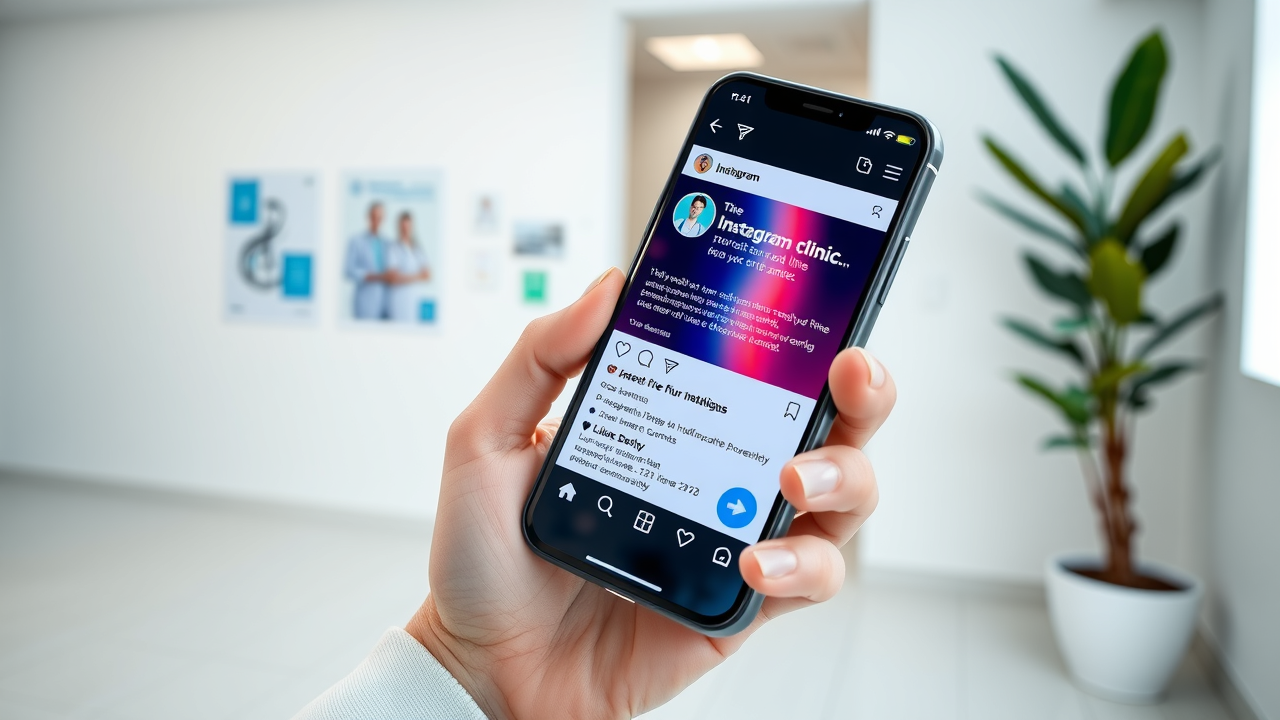
Leveraging the right channels not only increases visibility in the healthcare market but also drives sustainable patient growth. Whether it’s using Instagram Stories for quick wellness tips or LinkedIn articles to reach professional peers, choose platforms where your target audience is most active and engaged.

Regularly measuring effectiveness ensures you continue to reach your objectives. Test new ideas, experiment with emerging formats, and always remain open to feedback from patients and your marketing team.


Doctor filming a short medical video in a well-lit clinic, with lights, camera, and social media platform icons floating nearby.

Planning Relevant Blog Posts and Video Content for Patient Education

A well-rounded content marketing strategy combines both written and visual content to maximize impact. Educational blog posts should tackle frequently asked health questions, highlight new treatments, and clarify complex medical topics in simple, relatable terms. Video content, on the other hand, brings human connection—use it for patient testimonials, behind-the-scenes practice tours, and explainer videos for common procedures.

Content calendars help map out upcoming blog posts and video themes to ensure consistency and strategic variety. Collaborate with your clinical team to brainstorm topical ideas that address seasonal health challenges or trending patient questions. This keeps your content timely, relevant, and deeply connected to what your patients care about most.

Combining value-packed written information with relatable video content not only educates your patients—it also helps build trust and turns your audience into loyal advocates for your medical practice.


Caring doctor explaining medical blog to a patient as part of content marketing for medical practices, consultation room with health graphics on a laptop

Crafting Quality Healthcare Content that Builds Trust

To develop a reliable content strategy, focus on patient education at every stage. Start by mapping out questions that patients commonly ask before, during, and after appointments. Then, build a library of relevant blog posts, how-to guides, and resource lists that are easy to find on your website and share on social media.

Ensure that your healthcare content is accurate, up-to-date, and accessible. Use plain language and a supportive tone to make sure patients feel empowered and informed. Supplement written materials with visual elements—such as graphics, videos, or infographics—to cater to different learning preferences and boost retention.

Providing high-quality content not only answers questions but also demonstrates your commitment to excellence. By being proactive, you help educate patients beyond clinic walls, which sets you apart as a genuinely caring and knowledgeable healthcare provider.


A clinic waiting room with digital screens displaying 5 stars for quality medical practice

How Medical Practices Can Drive Trust Through Thought Leadership

"Healthcare providers who publish quality content are viewed as industry thought leaders, increasing consumer trust and loyalty."

Earning a reputation as a thought leader takes time and consistency. Contribute regularly to industry conversations by sharing your unique perspective on healthcare trends, publishing updates about technological advancements, or addressing emerging public health topics. Guest blogging for professional organizations and giving interviews can further amplify your practice’s thought leadership.

Incorporate your team’s credentials and experience in your content. Authored articles from your medical director or Q&A videos led by experienced nurses reinforce your expertise, heighten patient trust, and differentiate your practice from competitors who have yet to establish thought leadership.

By producing content that aligns with patient interests and concerns, your practice is seen as both a resource and a reliable authority—driving ongoing engagement and fostering unwavering loyalty.


Happy patient and provider sharing a successful recovery story for content marketing for medical practices, in a detailed clinic setting

Incorporating Patient Stories and Visuals to Make an Impact

Authentic patient stories are some of the most compelling tools in healthcare content marketing. They showcase real-life outcomes and demonstrate your team’s compassion and skill. Always obtain consent before sharing stories, then present them in video, written, or visual formats to highlight the transformative effects of your care.

Complement these narratives with visuals—photos of your team, infographics summarizing treatment plans, or behind-the-scenes glimpses of your practice. Visuals create instant connections, break down complex topics, and help prospective patients envision their experience with your medical practice.

This balanced approach resonates on an emotional level, making your content memorable. Incorporating diverse voices and experiences also strengthens your reputation for inclusivity and genuine patient-centered care.


Energetic social media manager posting healthcare content, floating icons, digital marketing for medical practices

Leveraging Social Media in Content Marketing for Medical Practices

Social media amplifies your medical practice’s reach, letting you connect authentically with existing and potential patients. The most effective marketing strategies involve consistent posting, responsive engagement, and mixing educational content with community stories or interactive health challenges.

Use specific platforms to achieve unique goals: Facebook for community announcements, Instagram for behind-the-scenes visuals, LinkedIn for professional insights, and YouTube for detailed educational videos. Each channel has its own best practices—such as using hashtags on Instagram or going live for Q&As on Facebook—so tailor your content accordingly.

Respond quickly to messages and feedback on your social accounts to build real-time trust and show that your practice values patient voices. Over time, a proactive, personal approach can drive both brand awareness and patient loyalty.

Top Social Channels for Medical Practices

Content Formats

Key Benefits

Facebook

Live Q&A, Announcements

Wide Patient Reach

Instagram

Visual Tips, Stories

Engaging Visuals

LinkedIn

Articles, Thought leadership

Professional Credibility

YouTube

Video content, Tutorials

Patient Education


Focused marketing analyst monitoring SEO performance for healthcare content marketing in a high-tech futuristic workspace

Using Search Engine Optimization (SEO) in Healthcare Content

SEO (Search Engine Optimization) is essential for increasing the visibility of your healthcare content and attracting potential patients organically. Proper keyword placement in blog posts, meta descriptions, headers, and image alt text ensures your content ranks high when patients search for health information related to your practice’s services.

Stay current with search engine algorithms, which reward quality content, mobile responsiveness, and fast page loading. Invest time in building backlinks from reputable medical platforms and encourage patients to leave positive reviews on search portals and healthcare directories.

By focusing on both technical SEO and high-value, patient-focused content, your medical practice will enjoy greater reach, improved website credibility, and consistent growth in patient acquisitions—all achievable through a smart, ongoing SEO effort.


Analytical healthcare marketer reviewing content marketing performance metrics dashboard in an open medical office

Key Metrics: Measuring Success of Content Marketing for Medical Practices

Measuring your content marketing success is critical for ongoing improvement. Use analytics tools like Google Analytics and social media insights to track core metrics: website traffic, time spent on key blog posts, conversion rates (requests for appointments), and engagement such as social shares and comments.

Consistent tracking allows you to see which content resonates most with your target audience. For example, if wellness videos receive more shares and positive feedback than long-form articles, it’s worth allocating more resources to future video content. Over time, this data-driven approach sharpens your overall marketing strategy and ensures maximum ROI on every effort.

Remember, success is defined by your goals. Track progress toward enhanced patient engagement, increased referrals, and improved brand reputation to see which strategies move the needle for your medical practice.

Core Metrics

Importance

Website Traffic

Indicates reach

Time on Page

Reflects content quality

Conversion Rate

Measures patient acquisition

Social Shares

Gauges engagement

High engagement (measured in blog comments, social shares, and direct messages) indicates that your healthcare content is hitting the mark. Pay attention to conversion metrics, like online appointment requests or newsletter sign-ups, to track how well your content is attracting and converting potential patients.

Use deeper analytics—such as user flow through your site or popular entry points—to refine funnels and remove obstacles to conversion. For practices aiming to build trust and brand loyalty, monitor changes in review quality, referral patterns, and repeat visits to your digital channels. Each metric provides insight into what your patients value most.

Adopting a data-driven mindset is key for continual improvement, ensuring your medical practice’s content marketing adapts to evolving patient needs and digital trends.


Motivated healthcare marketing team presenting successful content marketing strategies in a boardroom for medical practices

Creative Content Strategies by Leading Healthcare Providers

Top-Performing Content Marketing Campaigns for Medical Practices:

1. Chronic illness management guides

2. Prevention awareness blog posts

3. Patient-centered video testimonials

4. Thought leader interviews

Innovative medical practices go beyond standard updates and leverage creative storytelling, data-driven infographics, and interactive Q&As. Chronic illness guides, for example, help educate patients dealing with long-term conditions, building loyalty and improving outcomes.

Prevention-focused blog posts and videos drive home the importance of routine exams or lifestyle modifications. Integrating thought leader interviews demonstrates your depth of knowledge and strengthens your network within the healthcare industry—curating a reputation as a go-to source for both patients and peers.

The most successful campaigns incorporate feedback, adjust to audience preferences, and keep patient experience at the forefront of every marketing decision.


Close-up of a computer screen showing website analytics with traffic spikes after publishing healthcare blog content.

Frequently Asked Questions

What is content marketing in the healthcare industry?

Content marketing in the healthcare industry involves producing and sharing valuable, relevant, and consistent content—such as blog posts, videos, and guides—to attract, educate, and engage patients, build trust, and establish thought leadership.

How do I market my medical practice?

To market your medical practice, use a strategic blend of quality healthcare content, targeted social media, patient testimonials, effective SEO, and a patient-centered approach to build relationships and boost brand awareness.

How often should a medical practice publish blog posts?

Consistency is key—publishing at least two to four blog posts per month can keep your audience engaged and demonstrate your practice’s expertise.

What types of video content are most effective in healthcare marketing?

Patient testimonials, educational explainers, provider Q&As, and practice walkthroughs help humanize your brand and build patient trust.

How can a small medical practice compete with larger providers using content marketing strategies?

Focus on niche expertise, personalize your approach, highlight unique patient care stories, and maintain high-quality, consistent content output to stand out.

Are there regulations for healthcare content marketing?

Yes, follow all HIPAA and privacy regulations—protect patient identities, obtain consent for testimonials, and ensure all health information is accurate and compliant.


Confident medical expert pointing to digital content for content marketing for medical practices in a bright clinic

Take the First Step Toward Smarter Content Marketing

If you’re ready to position your medical practice as a trusted authority in your community, now is the time to invest in a content marketing strategy that works. From blog posts and videos to patient education materials and social media engagement, the right content builds credibility, boosts search visibility, and keeps your patients informed and connected.

Don’t wait to create meaningful relationships that lead to long-term success. Start your content marketing journey today by booking a consultation with our team of healthcare marketing experts , and let us help you turn valuable insights into real patient growth.



Start Smarter Content Marketing for Your Practice Today

Advertising

Write A Comment

*
*
Related Posts All Posts
01.16.2026

Unlock Growth: Google Business Profile Healthcare Secrets Revealed

Did you know? Nearly 85% of patients begin their healthcare search on Google, but if your practice isn’t easy to find, you’re essentially invisible to those looking for help. In a world where trust and first impressions happen online, your Google Business Profile healthcare can be the game-changer that determines whether your practice grows—or gets left behind.By the end of this guide, you’ll have straightforward action steps to take control of your visibility, reputation, and patient pipeline—no marketing jargon required.A Game-Changer: Why Every Healthcare Practice Needs a Google Business ProfileFor every healthcare practice—large, small, single-specialty, or multi-provider—mastering your Google Business Profile healthcare is no longer optional. It's foundational. Local search has become the first point of contact for most potential patients. When someone types “pediatrician near me” or “urgent care open now” into Google Search, the results are powered by Google Business Profiles (GBPs). These listings show your clinic’s contact information, reviews, photos, hours, and even patient questions—all before someone visits your website. If your business info is missing or out of date, you'll lose out on appearing in those all-important local search rankings.What’s at stake? Reputation, patient trust, and ultimately, your clinic’s bottom line. A complete, properly managed Google Business Profile healthcare not only helps you show up in local search results—it helps you control the impression you make. It also gives you ways to highlight your team, services, and unique value before a potential patient ever picks up the phone. The stakes for healthcare businesses are even higher due to compliance and privacy needs, so a trustworthy, accurate listing is also a sign of your professionalism. Skipping this step—or phoning it in—means missing out on not just patients, but precisely the right ones you want to serve.What is a Google Business Profile for Healthcare — And Why Is It Essential?The Basics: Google Business, Business Profile, and Their Role in HealthcareA Google Business Profile healthcare listing is a free public page created on Google that lets patients find, contact, and learn about your healthcare practice on Google Search and Google Maps. Think of it as your digital front door: it shows your clinic name, address, phone number, website, business hours, and more. For busy patients, it’s often the first—and sometimes only—place they look for information. By providing accurate information, beautiful photos, and trustworthy signals, your business profile bridges the gap between someone searching for care and choosing your practice out of dozens of options.In healthcare, these profiles hold extra weight because every detail—from whether you accept walk-ins to your current open status—can affect patient decisions and trust. Most healthcare providers already know word of mouth drives volume, but in today’s digital-first world, word of mouth is amplified through online visibility. When your business info is up to date and your listing features clear images, service details, and verified ownership, patients feel confident reaching out. Incomplete, inaccurate, or abandoned business profile listings can erode that trust—sometimes without you realizing it.How Google Business Profile Healthcare Impacts Patient Choice and TrustPatients are digitally savvy and cautious about their health choices. When your profile listing consistently displays positive Google reviews, accurate office hours, and up-to-date contact information, it signals legitimacy and reliability. For healthcare businesses, this trust translates into more appointment calls, better online presence, and stronger reputation in local search results. The profile also enables patients to easily compare you to other care providers, read reviews, and see real images of your practice environment—all key factors in their decision-making process.Ignoring or neglecting your Google Business Profile means leaving your reputation and patient acquisition to chance. On the flip side, practices that invest the time to optimize and maintain their listings often see increased website visits, call volume, and appointment bookings—along with a stream of patient feedback that can guide service improvements. By showing that you’re attentive to your profile and responsive to patients, you demonstrate the professionalism that every modern care provider needs to build lasting patient loyalty.How Patients Search: The Modern Patient Journey for Healthcare PracticesWhy Your Online Presence Makes or Breaks ReputationFor nearly every healthcare practice, reputation is built—and sometimes broken—online. Patients compare options, read reviews, and look for red flags in minutes. If your business profile is unclaimed, incomplete, or outdated, you risk appearing less credible than competitors who keep their contact information, hours, and images fresh. On the other hand, a stellar Google Business Profile healthcare gives you authority and control over how your clinic is perceived. In a mobile-first world, that online presence is not just a nice-to-have, but a necessity for reputation management and patient acquisition.Consistent, positive online presence boosts local search ranking, increases click-throughs, and helps patients recognize your brand among dozens of alternatives. It’s not just about showing up, but about showing up well. And in an environment where patients often scroll past outdated or incomplete listings, your commitment to maintaining a top-notch business profile listing will set you apart and earn trust before a potential patient ever walks through your door.Profile Listings: Where Healthcare Practice Visibility BeginsVisibility for any healthcare practice starts with a robust, optimized business profile list—not a fancy website or a big advertising budget. Google’s profile listings appear front and center on local search results, even above many paid ads and organic websites. By claiming and nurturing your profile, you place your practice at the digital crossroads where decisions happen. Especially for multi-location or specialty-specific practices, ensuring every clinic and provider has an accurate, well-managed listing is importnat for maximizing visibility.What details matter most? A recognizable name, a clear address, an accurate phone number, up-to-date hours, and inviting photos are all key. But equally important is creating consistency across all locations and making sure you appear for specialty-specific searches. Remember, patients making healthcare choices are looking for more than convenience—they’re evaluating reputation, accessibility, and professionalism at a glance. Your Google Business Profile healthcare listing affects every one of those decisions in real time.Setting Up and Claiming Your Google Business Profile Healthcare ListingStep-by-Step: Creating, Claiming, and Verifying Your Healthcare Business ProfileReady to take control of your Google Business Profile healthcare? The process, while straightforward, requires attention to detail to ensure compliance, professionalism, and lasting results. Setting up a Google business profile should be handled carefully by a practice owner, manager, or delegated in-house operations staff member—never by a third-party or general email account. Below are clear steps to get started:Visit Google Business Profile signup pageEnter accurate healthcare practice detailsChoose correct healthcare category for your listingVerify ownership via Google’s processDouble-check your clinic's business info at every step. Accurate name, contact information, and hours will protect your practice from impersonators and help maximize your local search ranking from day one. The verification process may require a physical postcard, phone call, or email confirmation, so be sure to use your official practice contact details and a dedicated work email."Verification is required to manage your profile and avoid impersonators. Always use your official practice information and a dedicated practice email."Key Elements of the Perfect Google Business Profile for HealthcareAccurate Information: Name, Address, Phone, Hours, and WebsiteThe fundamentals can’t be overlooked: consistently accurate information is required for local search rankings. Your Google Business Profile healthcare listing must include the exact name, correct address (matching the one on your site and compliance documents), up-to-date phone number, precise business hours (including holiday closures), and official website link. If any of these details are outdated or inconsistent across the web, you’ll risk confusion, lost patients, and possible compliance headaches—especially with appointment reminders or automated messages.Google values trust and consistency: even minor changes (like “Ste.” vs “Suite”) can disrupt your search ranking and confuse both patients and search engines. Double-check details on every update, and delegate this responsibility to a team member if needed—mistakes here can lead to real-world lost appointments.Healthcare Business Categories: What Every Healthcare Provider Must KnowSelecting the right healthcare business category is vital. Google’s system matches search terms with your primary and secondary categories. For example, “urgent care center,” “family practice physician,” or “physical therapist”—each option determines where your practice appears in local searches. Choosing the wrong category (or leaving it generic) can mean missing out on the right potential patients.Take time to review available category options and assign the most relevant ones. For multi-provider, multi-location clinics, each listing should reflect the specific specialties and services provided at that address. This level of detail supports greater visibility, especially when combined with rich descriptions and consistent keywords like “pediatrics” or “sports medicine” in your business profile list.Services, Attributes, and Specialties for Healthcare PracticesGo beyond the basics by filling out every possible service, attribute, and specialty for your practice. Whether you offer telemedicine, extended evening hours, or bilingual staff, these attributes help patients filter and find the perfect care provider for their needs. Detail out every service—even if it seems obvious. Patients (and search engines) want to see terms like “flu shots,” “annual physicals,” or “women’s health services” clearly listed.Listing your insurance providers, amenities (like on-site parking, wheelchair accessibility), and unique specialties will help Google match your practice with highly relevant, local searches, and help patients know exactly what to expect. Remember: more details mean fewer phone calls with repetitive questions and stronger, more accurate patient leads.Profile Photos: Best Practices for Healthcare BusinessesThe visuals you choose for your Google Business Profile healthcare tell patients about your standards and team culture. Authentic, high-quality photos build trust and provide a sense of welcome before a patient steps inside. Prioritize team headshots (with permission), clean shots of your building’s exterior and entry, well-lit interior images, and any service-specific settings—the lab, pediatric room, or physical therapy suite.Team headshots (with consent)Practice exterior & interiorService-specific equipment/roomsAim for natural lighting, unobtrusive branding, and no text overlays. Avoid crowded or cluttered photos, and regularly update images (every 6-12 months or after key renovations) to reflect any changes. Visual professionalism is a critical part of the patient experience and makes your business profile listing stand out in local search results.Maintaining and Optimizing Your Google Business Profile Healthcare ListingRegular Updates: Why Accurate Information is Non-NegotiableYou wouldn’t let your phone system go offline or let mail pile up at your clinic, so don’t take the risk with outdated business info online. Information in your Google Business Profile healthcare should be reviewed at least quarterly and updated immediately if hours, location, phone numbers, or services change. Practices that maintain active, precise listings consistently outperform in local search ranking and avoid patient frustration.Assign responsibility to a specific staff member and set calendar reminders for routine audits. Use the “special hours” feature during holidays or emergencies. If staff turnover impacts your listing manager, be sure to transfer ownership to prevent outages or data loss. The cost of neglecting this foundation? Lost trust, negative feedback, and a direct hit to appointment volume.Review Management: Responding to Feedback ProfessionallyOnline reviews can feel intimidating—but for healthcare providers, managing Google reviews with professionalism is a must. Thank positive reviewers, address negative feedback with empathy and a non-clinical, privacy-conscious response, and never share patient details in a reply (this is a compliance requirement). Consistent, timely engagement shows prospective patients that you value feedback and are committed to quality care.Responding to reviews also has a direct impact on your search ranking. Practices with active, constructive review management frequently see improved rankings and more appointment requests. Don’t delegate this to an outside agency: your team brings the right tone, privacy awareness, and relationship-building sensitivity that count in healthcare.Leveraging Google Posts and Messaging for Patient CommunicationThe Google Business Profile platform offers more than just static information. “Posts” let you share timely updates: flu clinics, closures, new services, or staff milestones. Messaging features allow patients to ask simple questions and receive fast, secure replies (but be vigilant about privacy—never discuss personal health matters).Using posts keeps your audience engaged and signals to Google that your listing is active, boosting search rankings. Messaging responds to patient expectations for easy, app-based contact and can capture quick questions that might otherwise go unanswered. Just make sure a trained staff member monitors this regularly, and set clear guidelines to adhere to privacy rules at all times.Google Business Profile Healthcare Quick Wins vs. Long-Term GrowthQuick Wins: What You Can Fix This WeekLooking for immediate impact? A few quick wins on your Google Business Profile healthcare can move the needle right away—no complex strategy or major investment needed. Start with these:Update key contact detailsAdd professional images to your business profileSet correct business hoursVerify business locationKnock these out in one focused session, then move on to refining and enhancing your listing for ongoing growth.Long-Term Habits for Sustained Growth and Patient TrustOnce the quick fixes are in place, your next step is to build habits that protect your reputation and fuel steady growth over time. Make these long-term actions part of your regular operating rhythm:Ask for patient reviews regularlyPost updates about servicesMonitor profile analytics monthlyStay updated on Google policy changesThese habits foster deeper engagement, help anticipate patient needs, and give you greater control over how you appear in local search—month in, month out.Advanced Strategies: Digital Marketing and Google Ads for HealthcareHow Digital Marketing Complements Your Google Business Profile HealthcareA top-performing Google Business Profile healthcare gives your clinic an edge in local search—but it’s only one piece of the broader digital marketing puzzle. Integrating your Google profile with a smart digital marketing strategy (like content, local SEO, and patient email campaigns) helps boost brand awareness, expand your reach, and drive engagement well beyond your organic listing. Each layer amplifies the visibility and authority your profile brings.Sustained growth comes from a mix of channels. Think of your Google business profile healthcare as the hub—connecting website, ads, reputation management, and community outreach. As your foundation strengthens, diversifying into Google ads, targeted social campaigns, and service-based content boosts both short-term traffic and long-term patient loyalty.Getting Started with Google Ads for Healthcare BusinessesRunning Google ads as a healthcare business requires extra care due to compliance rules and audience targeting limitations. Start with your most important services, and use ad extensions to highlight specialties, phone number, and direct appointment links. Ideally, your ad points users back to a verified, information-rich Google business profile or dedicated landing page—so every click counts towards a real appointment, not wasted ad spend.For many smaller practices, beginning with a modest budget and a tight geographic focus yields the best results. Monitor performance weekly, test new copy and extensions, and always align your ads with your in-person professionalism and patient service experience on your business profile.Compliance and Professionalism in Google Business Profile Healthcare ListingsHIPAA, Privacy, and What NOT to Share in Your Business ProfileOne of the biggest risks for healthcare providers online is accidentally disclosing protected health information or violating privacy rules. HIPAA (the Health Insurance Portability and Accountability Act) regulates what you can share publicly. Never reference or respond to individual health issues, scheduling details, or mention specific patient names in your listing or replies—keep all interaction general and non-clinical.Be extremely cautious about photos: get signed consent before sharing any images containing patients or staff, and only use official channels for updates. Regularly review your listed services to ensure no private or clinical information is visible. When in doubt, lean on professional, public-facing content and leave anything specific for secure, direct communication.Maintaining Professional Boundaries as a Healthcare ProviderYour Google Business Profile healthcare is not a substitute for patient care, clinical communication, or crisis response. Use it only for general updates, open hours, and referral information. Never diagnose, engage in clinical debate, or attempt to resolve urgent patient issues through public reviews or posts—doing so can erode trust, risk noncompliance, and blur boundaries.Clarity and professionalism maintain your integrity and protect both practice and patient. Establish clear staff guidelines on who manages the profile, what information is approved for sharing, and how to direct inquiries to a secure, HIPAA-compliant channel for any care-related matters.Common Mistakes with Google Business Profile Healthcare—and How to Avoid ThemProfile Listing Fails: Incomplete, Inaccurate, or Inactive Business ProfilesA profile that’s incomplete or out of date is a red flag to both Google and patients. Mistakes like missing business hours, the wrong phone number, absent images, or ignoring Google reviews will suppress your listing in local search and frustrate your community. The simple fix: make reviewing and updating your profile a routine administrative task, just like cleaning the waiting room or restocking supplies.Make sure you don’t let your Google Business Profile healthcare become abandoned: assign a primary profile owner and a backup, and keep login credentials secure but accessible for authorized staff.Mistaking Google Business for a Full Digital StrategyA robust Google Business Profile healthcare is foundational, not the last word in online marketing. Don’t fall into the trap of thinking your profile alone is enough to drive consistent new patient appointments. Ignoring broader strategies—like your website, patient email campaigns, or ongoing reputation management—will leave your practice vulnerable when Google’s algorithms shift or new care providers move into your area.Missing or outdated practice infoIgnoring negative reviewsNot using business profile to highlight specialtiesThe best results come when your business profile works in concert with other digital marketing efforts, presenting your practice consistently and professionally across every channel potential patients use.Turn Your Google Business Profile Into a Patient Growth EngineIn today’s digital-first healthcare environment, your Google Business Profile healthcare listing is no longer just a directory entry—it’s a critical driver of trust, visibility, and patient choice. When optimized correctly, it serves as your digital front door, helping patients find accurate information, read authentic reviews, and feel confident reaching out for care. From local search rankings to reputation management, a strong profile gives you control over how your practice is discovered and perceived.Long-term success comes from consistency, accuracy, and professional engagement. By maintaining up-to-date information, responding thoughtfully to reviews, and aligning your profile with broader digital marketing efforts, your practice can attract the right patients and build lasting credibility. Treat your Google Business Profile as a living asset—not a one-time setup—and it will continue to support sustainable growth and patient trust over time.Frequently Asked Questions: Google Business Profile HealthcareWhat is a Google Business Profile for healthcare practices?A Google Business Profile is a free listing that displays your practice’s information on Google Search and Maps. It helps patients quickly find your location, contact details, hours, reviews, and services.Why is Google Business Profile optimization important for healthcare?Optimizing your profile improves local search visibility, builds patient trust, and increases appointment inquiries. It also helps ensure patients see accurate, professional information before choosing a provider.How often should a healthcare practice update its Google Business Profile?At minimum, profiles should be reviewed quarterly and updated immediately when hours, services, or contact details change. Regular updates signal reliability to both patients and Google.Can managing reviews really impact patient growth?Yes. Patients heavily rely on reviews when choosing healthcare providers, and active, professional responses improve credibility. Review engagement can also positively influence local search rankings.Is a Google Business Profile enough for healthcare marketing?No. While foundational, it works best when combined with a website, local SEO, reputation management, and other digital marketing efforts. Together, these channels create a consistent and trustworthy patient experience.Let’s Put Google Business Profile Healthcare to Work for YouReady to become the first choice for patients in your community? Banida Digital helps healthcare practices turn Google Business Profile optimization into real visibility, trust, and appointment growth—without the overwhelm. From local search strategy to reputation management, our team guides you every step of the way. 👉 Visit Banida Digital or contact us today to schedule your free consultation and start building a stronger, more competitive digital presence with confidence.Unlock Google Business Profile Growth

01.14.2026

Boost Your Practice with Google Business Profile Optimization Healthcare

Boost your clinic’s visibility and trust with Google Business Profile optimization healthcare. Attract new patients, showcase your services, and stand out in local searches today.

01.12.2026

Maximize ROI with Social Media Advertising for Clinics

Boost patient trust and appointments with proven social media advertising for clinics. Learn strategies that engage your audience, build credibility, and drive measurable results.

Terms of Service

Privacy Policy

Core Modal Title

Sorry, no results found

You Might Find These Articles Interesting

T
Please Check Your Email
We Will Be Following Up Shortly
*
*
*