


Startling fact: 77% of patients turn to online reviews as their first step in choosing a healthcare provider. In a digital-first world, your practice’s reputation can make—or break—patient trust before they even pick up the phone. In this guide, we’ll show you actionable strategies to protect and enhance your healthcare reputation, attract the right patients, and grow your practice—without adding a second job as a marketer.
What You’ll Learn About Healthcare Reputation Management: This guide covers the essentials of reputation management, how your online presence influences patient acquisition and retention, and step-by-step frameworks to respond to negative reviews while building trust. You’ll also discover the best reputation management tools for healthcare providers and HIPAA-compliant, actionable next steps your team can implement immediately to safeguard and strengthen your practice’s credibility.
Why Healthcare Reputation Management Matters More Than Ever
Today, a patient’s first impression of your practice often happens online—before they even visit your website or speak with your staff. Online reviews, star ratings, and patient testimonials play a critical role in shaping trust and credibility. Studies show that even a single negative review left unaddressed can reduce patient confidence, lower search visibility, and impact appointment bookings. In a competitive healthcare market, prospective patients are more likely to choose providers with consistent, positive online feedback, making reputation management a key factor in patient acquisition.
Beyond influencing individual patient decisions, healthcare reputation management serves as a long-term marketing strategy. Unlike paid ads, which stop driving traffic once the budget ends, maintaining a strong online reputation builds lasting trust, increases patient retention, and amplifies word-of-mouth referrals. By actively monitoring reviews, responding professionally, and showcasing your practice’s strengths, you ensure that your expertise and quality of care are visible where it matters most—helping your practice grow sustainably in 2024 and beyond.

The Core Framework: 4 Pillars of Effective Healthcare Reputation Management
-
Claim, Optimize, and Monitor All Review Sites
Your online reputation begins with visibility and accuracy. Claiming and fully optimizing your profiles on major review platforms ensures patients see correct contact information, services, and hours. Ongoing monitoring helps you catch new reviews quickly—before small issues turn into reputation risks.
-
Proactively Request Patient Reviews and Feedback—The Right Way
Consistently asking satisfied patients for feedback increases review volume and balance across platforms. The key is timing and compliance: requests should feel natural, respectful, and HIPAA-safe, often sent after successful visits or positive outcomes.
-
Respond to All Reviews and Track Patient Sentiment
Thoughtful responses—especially to negative reviews—show accountability and professionalism. Tracking sentiment over time helps identify recurring issues, staff strengths, and patient concerns, turning feedback into actionable improvements.
-
Use Healthcare-Specific Reputation Management Software
Purpose-built reputation tools streamline review requests, alerts, and responses while maintaining compliance. Automation reduces staff burden and ensures no review goes unnoticed, helping practices stay consistent and proactive.
Healthcare reputation management is rarely about overnight results. Most breakdowns happen because practices ignore reviews on key platforms, only ask for feedback reactively, or use generic management software not built for HIPAA needs. Getting these pillars in place means you see issues in real-time—and look great across every review platform. Consistent, proactive management for healthcare ensures every satisfied patient becomes a champion for your practice online.

Healthcare Providers: Where Reputation Management Efforts Usually Break Down
Ignoring online reviews or letting negative reviews sit unanswered
Unaddressed feedback signals indifference and can quickly erode patient trust. Responding promptly shows accountability and reassures prospective patients.
Failing to request reviews from satisfied patients
Many happy patients never leave feedback unless prompted. Without proactive requests, your online ratings may not reflect the true quality of care you provide.
Not monitoring major review sites or social media
New reviews, comments, or mentions can appear anywhere online. Failing to track these platforms risks missing critical patient insights or opportunities to engage.
Choosing the wrong management software for healthcare needs
Generic tools often lack HIPAA compliance and healthcare-specific features. Using the wrong software can lead to inefficiency, errors, or even privacy violations.
Mishandling HIPAA-sensitive responses
Responding publicly without safeguarding patient information can breach regulations. Properly trained staff and compliant workflows prevent legal risk while maintaining professionalism.
Too often, practices think of reputation management as a side project. But missed notifications, staff not knowing how to ask for patient reviews, or using management solutions built for retail (not healthcare) can result in negative reviews snowballing and every star rating drop hurting your local SEO. The right reputation management strategy closes these gaps without making your front desk a marketing agency.

Quick Wins: Actionable Steps to Boost Your Healthcare Reputation Online
Audit your practice’s presence on top review sites today
Set up Google Alerts or software for review notifications
Craft templates for HIPAA-compliant responses to negative patient reviews
Make patient review requests part of the patient experience flow
Identify your highest-impact online reputation management channels
The strongest practices don’t wait for negative reviews to turn up; they audit their review platform presence regularly, set up real-time alerts, and use simple, HIPAA-safe response templates to act fast. Integrating review requests into your patient flow turns feedback into a steady source of trust and improved star ratings across every review site.
Long-Term Strategy: Turning Healthcare Reputation Management Into a Habit
Schedule monthly reputation management reviews for your team
Integrate management software into daily operations
Create internal workflows for patient feedback collection
Regular team check-ins for negative review resolution
Celebrate and share positive patient reviews in your email newsletters
Building a culture where healthcare reputation management is part of your DNA (not an occasional fire drill) delivers compounding results. Monthly reviews with your team reveal trends and resolve patient feedback before it snowballs. Integrated management software automates much of the heavy lifting, so capturing feedback and responding timely is simply “how things are done.” Sharing positive patient reviews regularly also strengthens your team morale and reminds patients of your ongoing commitment to high-quality patient care.
Choosing the Best Healthcare Reputation Management Software
Selecting the right reputation management software is a critical step for healthcare practices because it goes beyond simply tracking reviews—it shapes how patients perceive your practice before they even call. The ideal solution is HIPAA-compliant, purpose-built for healthcare providers, and able to centralize review monitoring across multiple platforms such as Google, Healthgrades, Vitals, and social media. Features like automated patient review requests, sentiment analysis, customizable response templates, and actionable reporting allow your team to quickly spot trends, address issues, and highlight positive patient experiences. By choosing a tool designed for healthcare, you save time, protect patient privacy, and ensure your online reputation consistently reflects the quality of care you provide.
When evaluating software options, focus on capabilities that truly streamline reputation management. Look for HIPAA-compliant workflows, multi-site review aggregation, and integration with your EHR or practice management platform to reduce manual work for your staff. Tools with hands-off monitoring, automated follow-up, and detailed reporting help you stay proactive rather than reactive, while sentiment analysis highlights patterns in patient feedback to guide improvements. Investing in the right software ensures your practice can efficiently manage reviews, protect its online presence, and build trust with both current and prospective patients.

Addressing Negative Reviews: Best Practices for Protecting Your Healthcare Reputation
Negative reviews are inevitable, even for top-performing healthcare practices—but how you handle them can make all the difference. The key is to stay calm, review the facts carefully, and respond quickly with empathy and professionalism. Avoid discussing personal health details online to stay HIPAA-compliant, and whenever possible, move complex conversations offline by inviting the reviewer to speak directly with a staff member. Tracking every negative review and resolution ensures your team can monitor trends, identify recurring issues, and maintain accountability across your practice.
Effective management of negative feedback isn’t just damage control—it’s an opportunity to build trust with both the reviewer and prospective patients who read your responses. By responding within 24–48 hours, demonstrating understanding, and showing commitment to resolving concerns, your practice communicates reliability and professionalism. Proactively encouraging satisfied patients to leave reviews helps balance your overall rating and reinforces a strong online reputation. Over time, this approach strengthens patient confidence, improves retention, and positions your practice as responsive and trustworthy in the broader healthcare community.
Common Pitfalls in Healthcare Reputation Management (and How to Fix Them)
Many healthcare practices unintentionally undermine their online reputation by overlooking key details. Common mistakes include dismissing reputation management as “not clinical enough,” outsourcing without understanding the process, failing to train staff on soliciting reviews or capturing feedback, and focusing only on major platforms like Google or Facebook while ignoring niche healthcare review sites. Practices also risk compliance issues by using generic management software not designed for HIPAA, or by overpromising outcomes on reviews, which can damage trust before a patient even walks through the door.
Avoiding these pitfalls starts with intentional, patient-centered processes. Train your front-desk and clinical teams on how to request reviews professionally, respond empathetically, and manage feedback consistently. Use reputation management tools built specifically for healthcare to maintain compliance and efficiency. Always prioritize transparency and measured communication—steady, authentic engagement builds credibility, strengthens trust, and ensures your online presence reflects the high standards of care you provide.
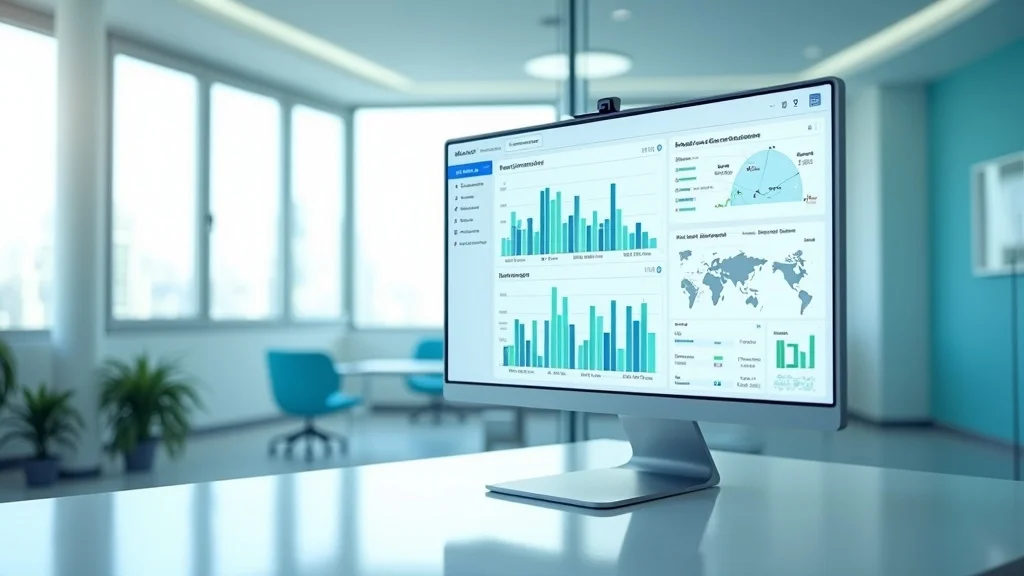
Monitoring Your Online Reputation: Metrics and Dashboards for Healthcare Providers
Effective healthcare reputation management isn’t just about responding to reviews—it’s about tracking the right metrics to make informed decisions. Key performance indicators include review response rates, patient sentiment trends, net promoter scores (NPS), sources of new patient acquisition, and your practice’s visibility in search results. Monitoring these metrics helps you understand how patients perceive your care and where your reputation efforts are having the most impact.
Using a robust reputation management dashboard allows healthcare providers to consolidate these insights in one place. By regularly reviewing trends and performance data, your team can quickly identify emerging issues, adjust strategies, and optimize patient engagement. Dashboards also make it easy to showcase measurable progress to staff and partners, turning reputation management from a reactive task into a proactive, strategic tool that drives trust, visibility, and sustainable patient growth.
The Role of Social Media in Healthcare Reputation Management
Social media plays an increasingly important role in shaping your healthcare practice’s reputation. Platforms like Facebook, Instagram, and LinkedIn allow you to monitor mentions, gather patient feedback, and respond quickly to concerns in a public yet professional manner. By keeping an eye on social channels, you can address issues before they escalate, gain insights into patient perceptions, and strengthen your online presence beyond traditional review sites.
At the same time, social media offers opportunities to build trust and credibility through patient education and community engagement. Posting helpful content, wellness tips, or updates about your practice reinforces your expertise and fosters connection with your audience. Always prioritize privacy: avoid sharing personal health information and focus on general, HIPAA-compliant messaging. Used strategically, social media becomes a rapid-response tool that protects your reputation, supports patient acquisition, and cultivates lasting trust.

Empowering Your In-House Team: Review Request Scripts and Training Tips
A strong healthcare reputation starts with your in-house team. Training staff on when and how to request patient reviews ensures the process feels natural and authentic, rather than forced. For example, during checkout or at the end of a visit, staff can use simple, HIPAA-compliant language like, “We hope your experience met your expectations—would you mind sharing your feedback online?” Providing clear scripts and examples helps staff confidently engage patients while protecting privacy and staying compliant.
In addition to scripting, create a training checklist covering the full review process—from introducing the request to using management software for follow-ups. Automated tools can send reminders to patients after their visit, track who has responded, and consolidate feedback into one dashboard for easy monitoring. By empowering your team with the right guidance and technology, your practice can consistently gather reviews, strengthen patient trust, and maintain a polished online reputation without overburdening staff.
Building a Strong, Sustainable Healthcare Reputation
Healthcare reputation management is no longer optional—it’s a core driver of patient trust, acquisition, and long-term growth. By proactively claiming and optimizing review sites, requesting feedback, responding thoughtfully to all reviews, and using healthcare-specific management software, your practice can ensure every patient interaction reinforces credibility. Consistent attention to online presence, staff training, and timely responses not only prevents small issues from escalating but also turns satisfied patients into advocates who support your practice’s growth.
Ultimately, effective reputation management is a habit, not a one-time task. Monitoring metrics, leveraging social media responsibly, and empowering your in-house team creates a culture where patient feedback informs improvements and strengthens trust. When done correctly, your online reputation amplifies your quality of care, boosts retention, and attracts new patients, positioning your practice as a reliable and trusted provider in a competitive healthcare landscape.

Frequently Asked Questions on Healthcare Reputation Management
Why is healthcare reputation management so important?
Patients often form opinions about your practice online before visiting. Positive reviews, accurate information, and professional responses build trust, improve visibility, and influence patient acquisition and retention.
How can I handle negative reviews effectively?
Respond quickly and empathetically while avoiding any HIPAA violations. Move complex discussions offline, track resolutions, and encourage satisfied patients to leave reviews to maintain a balanced rating.
What are the common mistakes practices make with reputation management?
Ignoring reviews, not requesting feedback, using generic software, failing to train staff, and overpromising outcomes are frequent pitfalls. Each can harm trust, visibility, and patient acquisition if left unaddressed.
How do I choose the right reputation management software for healthcare?
Look for HIPAA-compliant tools built for healthcare that centralize review monitoring, automate requests, analyze sentiment, and integrate with your EHR or practice management systems. These features ensure compliance, efficiency, and consistent trust-building.
Can social media improve my healthcare reputation?
Yes—social channels allow you to monitor mentions, respond quickly to feedback, and share educational content. When used responsibly and HIPAA-compliantly, social media strengthens trust, reinforces your expertise, and supports patient engagement.
How can my team be involved in reputation management?
Train staff on when and how to request reviews using HIPAA-compliant scripts, monitor responses, and use management software for follow-up. Empowering your team ensures feedback becomes a steady source of trust and online credibility.

Elevate Your Healthcare Reputation Today
Your healthcare reputation is one of your most valuable assets, and proactive management ensures you attract the right patients while building lasting trust. With the right systems, HIPAA-compliant software, and a trained team, your practice can respond effectively to reviews, protect privacy, and consistently showcase quality care. Let Banida Digital help you take the guesswork out of reputation management—schedule your free consultation today and start growing your visibility, strengthening patient confidence, and positioning your practice as the first choice in your community.



Write A Comment