

Add Row
Add Element
banida digital marketing agency logo
update

Banida digital

update
Add Element
  • Home
  • Contact Us
  • All Posts
  • Social Media
  • 5-Star Reputation
  • SEO
  • Traffic
  • Funnels
  • Blogging
  • Advertising
  • Website
April 29.2025
7 Minutes Read

How Cross-Platform Visibility Helps Patients Choose You First


Imagine this: In a crowded world of healthcare choices, your practice stands out—not just as an option, but as the trusted name patients turn to first. By mastering cross-platform visibility, you're doing more than showing up online—you're building real connections, earning trust, and becoming a familiar, reliable presence in your community's healthcare journey.

Mastering Cross-Platform Visibility for Medical Practices

Understanding Cross-Platform Visibility

Cross-platform visibility is important for medical practices. It ensures your practice maintains a consistent and engaging presence across various digital platforms, allowing potential patients to find and connect with you effortlessly. When executed effectively, this approach enhances your online presence and builds trust and credibility among potential and existing patients.

A comprehensive understanding of cross-platform visibility involves recognizing the importance of maintaining an active presence on websites, social media, and review sites. This multi-channel approach maximizes the avenues through which patients can discover your services. It is essential for forming meaningful interactions and developing a reputation as a patient-centered medical practice.

Key Benefits of Cross-Platform Engagement

Cross-platform engagement provides numerous benefits for medical practices. By reaching a wider audience, practices can attract more patients, thereby driving practice growth. This approach allows for personalized communication, which enhances patient experience, fosters trust, and strengthens the overall connection between patients and healthcare providers. It plays a pivotal role in making informed healthcare decisions.

A strong online presence through cross-platform visibility ensures that the practice stands out in search engine results. By optimizing content for search engines, medical practices can draw in patients actively searching for healthcare services, thus increasing the likelihood of being chosen over competitors. This strategy is essential for the competitive healthcare industry.
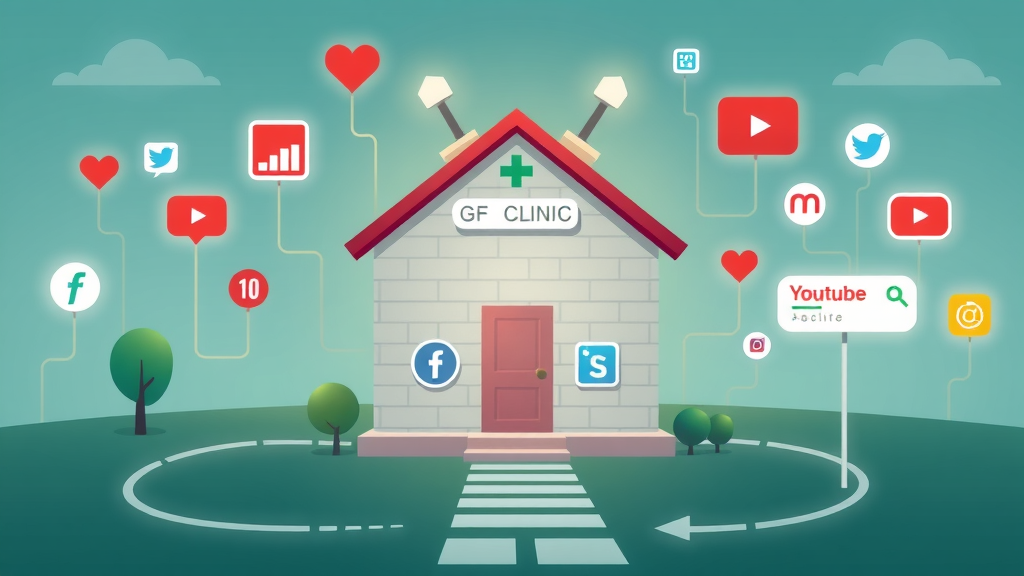

Impact of Cross-Platform Visibility on Health Care

Enhancing Patient Care Through Visibility

A strategically visible practice greatly enhances patient care by facilitating proactive engagement rather than reactive dealings. Patients are empowered with readily available care information, enabling informed decisions regarding their health. Through various platforms, medical practices can offer quick responses to patient inquiries, resulting in improved patient satisfaction.

Visibility fosters an environment where feedback can be efficiently received and addressed, leading to improved patient services and experiences. This commitment to enhancing the quality of care through visibility reflects on a practice's dedication to meeting modern patient expectations thoroughly.

Increasing Trust and Credibility in Medical Practice

Trust and credibility are fundamental components of lasting patient-practice relationships. Cross-platform visibility bolsters both by showcasing the practice's values, milestones, and care quality. Patients who see transparency and consistency in messaging across platforms perceive the practice as more credible and reliable.


Utilizing Social Media for Practice Growth

Leveraging Social Media Platforms

Social media can be a powerful tool for practice growth when harnessed correctly. It offers a direct channel for patient interaction and feedback collection. Platforms like Facebook, Instagram, and Twitter enable practices to share health tips, success stories, and updates, creating opportunities for engagement that build community and enhance the patient relationship.

  • Facebook: Ideal for creating events and sharing informative posts.

  • Instagram: Perfect for visual storytelling of practice culture and patient testimonials.

  • Twitter: Useful for quick updates and real-time patient support.

Effective Social Media Strategies for Care Professionals

Care professionals can utilize social media with iterative strategies focused on content relevance and frequency. Consistent posting schedules, responding to comments, and employing targeted ads are effective in reaching the right audience. Integrating patient feedback into your online strategy can create content that resonates well with followers.

Using diverse content types—such as videos, infographics, and blog posts—maintains engagement and accommodates different audience preferences. Social media thus augments traditional patient care, broadening reach and improving practice visibility.
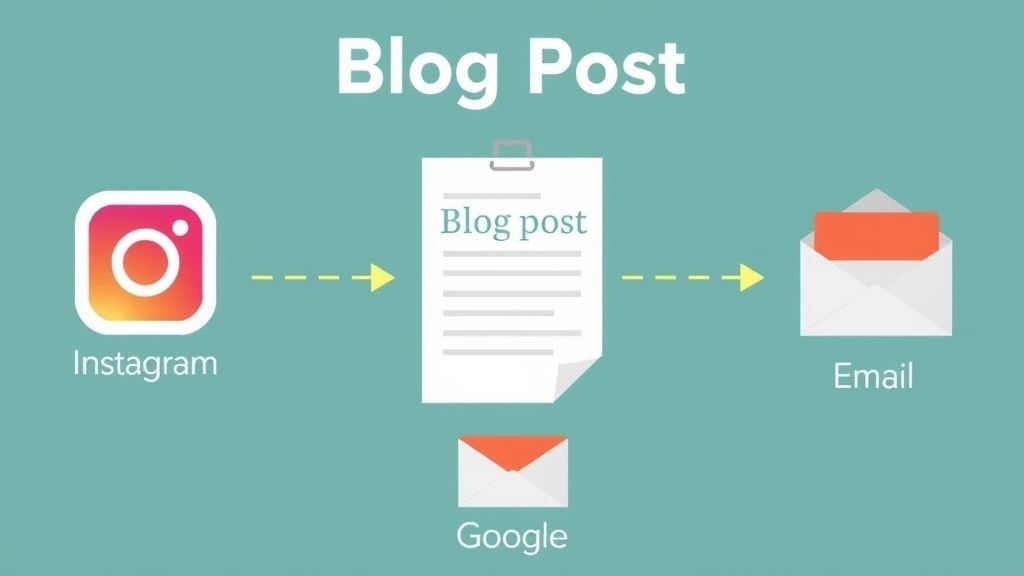

Integrating Health Care Platforms for Consistency

Aligning Online and Offline Patient Interactions

Consistency between an online and offline patient experience is critical in upholding the integrity of medical care. A seamless transition from virtual interactions on websites and social media to in-person consultations ensures uniformity of the patient experience, reflecting professionalism and thoroughness.

This consistency also helps maintain patient loyalty and satisfaction, as patients receive the same quality of service and information across all touchpoints. Aligning these interactions requires strategic integration and careful management of all patient communication channels.

Ensuring Consistent Branding Across Channels

Maintaining consistent branding across all channels reinforces a practice's identity and strengthens brand recognition. Clearly defined branding helps in conveying the practice's core values and mission, thereby enhancing patient trust. Practices need to keep logo usage, color schemes, messaging, and tone aligned to create a cohesive patient experience.

This becomes particularly important in patient acquisition as prospective patients often research practices extensively online. A clear, consistent brand presence can significantly influence their choice, positioning your medical practice favorably amidst competitors.


Measuring and Analyzing Cross-Platform Performance

Key Metrics to Track for Medical Practices

To effectively harness cross-platform visibility, medical practices should focus on tracking metrics such as website traffic, social media engagement, and conversion rates. These metrics provide insights into patient behavior and the effectiveness of visibility strategies. Monitoring these can help identify areas needing improvement and strategies that resonate well with patients.

Utilizing Tools for Performance Analysis

Tools like Hootsuite, Buffer, and Google Analytics are invaluable in managing and analyzing cross-platform presence. They enable practices to streamline social media scheduling, monitor engagement metrics, and evaluate content performance efficiently. Utilizing these tools allows practices to keep abreast of trends and refine their strategies for better performance.


Overcoming Challenges in Cross-Platform Medical Practice Growth

Addressing the Patient Privacy and Accountability Act

Ensuring patient privacy remains a prominent challenge when expanding cross-platform visibility. Practices need to comply with regulations such as the Health Insurance Portability and Accountability Act (HIPAA) to safeguard patient data. Adhering to these regulations is important in maintaining patient trust and avoiding legal issues.

Healthcare providers must implement robust security measures to protect sensitive information, employing encryption and secure data management practices. This proactive approach ensures that the practice upholds the highest standard of patient confidentiality while engaging in digital communication.

Balancing Authenticity with Professionalism

Striking the right balance between authenticity and professionalism is crucial in maintaining a relatable yet authoritative online presence. Medical practices need to communicate with empathy and clarity, providing accurate information that resonates with patients personally and professionally.

This balance is achieved by tailored content that acknowledges patient concerns and offers comprehensive care information. By doing so, practices can effectively establish themselves as approachable while maintaining the credibility of their healthcare delivery.


Embracing Technological Advancements for Medical Practice Growth

Exploring New Technologies and Their Impact

The integration of new technologies, such as telemedicine and AI-driven platforms, continuously reshapes the healthcare landscape. These technologies improve communication, automate processes, and provide innovative solutions that enhance patient experience and satisfaction.

Incorporating Patient Feedback for Continuous Improvement

Integrating patient feedback into service improvements is vital for continued growth. Actively listening to and implementing changes based on patient suggestions demonstrates a commitment to high-quality care. This approach not only helps refine services but also fosters stronger patient-practice relationships.

Comparison of Online Platforms for Patient Engagement

Platform

Strengths

Best For

Tips for Use

Google Business Profile

High local visibility, search + maps integration

Attracting new local patients

Keep info updated; encourage reviews; post weekly

Facebook

Community-building, local events, and messaging

Patient education, announcements

Share photos, reply to comments, and use FB Groups

Instagram

Visual storytelling, personal connection

Showcasing the team, office culture

Use Reels, behind-the-scenes, and patient tips

YouTube

Long-form video content, SEO value

Explaining procedures, doctor intros

Create playlists for FAQs, and embed on your website

Blog (Website)

SEO, in-depth info, owned content

Education, establishing authority

Answer common patient questions, post monthly

Email Newsletter

Direct contact, loyal patient engagement

Monthly updates, health tips

Keep it brief, mobile-friendly, and link to your site

Conclusion and Final Thoughts

Cross-platform visibility isn't just a digital trend—it’s a powerful strategy for building trust, improving care, and helping your practice become the first choice in your community. When your message is clear, consistent, and accessible across platforms, you’re not only showing up—you’re standing out.

Whether you're sharing patient success stories on Instagram, updating services on Google, or offering insights through a blog, every touchpoint matters. By embracing technology, staying authentic, and continuously refining your online presence, your practice can grow with confidence and heart.

At Banida Digital, we help small, family-run medical practices shine where it matters most. Let’s work together to make sure patients see—and choose—you first.


Frequently Asked Questions:

Why is cross-platform visibility important for my small medical practice?

Because today’s patients use multiple platforms to research care options. Being visible across Google, Facebook, Instagram, and your website increases the chance they'll find and trust your practice.

Which platforms should I focus on first?

Start with Google Business Profile and Facebook. These platforms are critical for local search and community engagement. Then branch out to Instagram, YouTube, and your blog based on your patient base.

How does visibility improve patient trust?

Consistent, transparent content across platforms reassures patients that your practice is professional, caring, and reliable. It also makes it easier for them to reach out or schedule care.

Can cross-platform visibility help with patient retention, not just acquisition?

Absolutely! Engaging existing patients through newsletters, updates, and social media keeps your practice top of mind and builds lasting relationships.

How can Banida Digital help with my visibility strategy?

We specialize in helping small medical practices grow online with heart. From content creation to social media management and branding, we’ll help your practice shine on every platform that matters.

Make Your Practice the First Choice in Healthcare

Your patients are searching across Google, Facebook, Instagram, and more—don’t let them pass you by. Cross-platform visibility ensures you show up consistently, build trust, and stay top of mind. Take charge of your digital presence today and become the practice patients recognize and choose first.



Boost Your Practice’s Visibility Now


Funnels

0 Comments

Write A Comment

*
*
Related Posts All Posts
02.25.2026

Healthcare Patient Acquisition: Secrets to Growing Your Practice Fast

Did you know that the average small healthcare practice can lose up to 50% of potential new patients before they ever book an appointment—often because of broken websites, missing Google listings, or a poor first digital impression? In today’s healthcare market, patient acquisition starts long before someone calls your front desk. Every search result, review, and online interaction shapes whether a patient chooses you—or moves on to a competitor. If your digital presence isn’t clear, accurate, and welcoming, you’re likely losing patients without even realizing it.This guide focuses on building sustainable healthcare patient acquisition systems that actually work for real-world clinics. You’ll learn why patient acquisition matters more than ever, the most common mistakes that quietly drive patients away, and how to measure success using strategies tailored to your practice—not big hospital systems. Most importantly, you’ll discover proven, actionable steps to build trust, strengthen your online presence, and grow your patient base steadily, no matter your size or budget.A Startling Reality: Why Healthcare Patient Acquisition Is More Critical Than EverAcross the country, the care market is changing fast—especially for independent practices and specialty clinics. Patients no longer find you by accident; they start (and often finish) their search for care online. If you don’t show up where – and how – they’re looking, your competitor becomes the default choice. From retail clinics to urgent care centers, larger health systems are raising the bar for patient experience, transparent information, and instant booking. This shift puts unprecedented pressure on small practices: if your healthcare patient acquisition strategy isn’t dialed in, growth stalls (or worse, doors close). To survive—let alone thrive—in today’s healthcare market, you need to strategically attract more of the right patients, amplify positive word-of-mouth, and keep your professional reputation intact. With razor-thin staffing and unpredictable demand, only smart, sustainable acquisition efforts can deliver the steady revenue you depend on. Every step you take to improve your online presence, reputation, and process turns “lost leads” into tomorrow’s loyal patients.Understanding Healthcare Patient Acquisition: The Fundamentals Every Practice Owner Should KnowDefining Healthcare Patient Acquisition and Its Impact on the Health SystemHealthcare patient acquisition refers to every step your practice takes to attract, convert, and keep new patients. This includes everything from online searches (“family doctor near me”) to scheduling, first impressions in person, and follow-up communications after the visit. It’s not just about flashy ads or discount offers—it’s the effort to connect with potential patients before they become current patients, and to ensure their journey toward choosing your care is smooth, welcoming, and trustworthy.The best acquisition strategies don’t stop at getting someone through the door; they’re designed to convert a prospective patient into a loyal advocate and repeat visitor. In today’s healthcare market, this approach impacts the broader health system by balancing patient loads, reducing churn, improving community health, and enabling practices of all sizes to compete on more than just price. When you get patient acquisition right, you help stabilize your revenue streams and create a more resilient business in an ever-changing healthcare landscape.Key Patient Acquisition Strategies and Why Many FailMany healthcare practices invest time and money into patient acquisition but struggle to see real results because the strategy itself is incomplete or misaligned. Common pitfalls include setting unrealistic growth goals, assuming word-of-mouth will carry the practice indefinitely, or overlooking how online reputation influences patient decisions. Without visibility in local search results or a plan to manage reviews, even high-quality care can go unnoticed. When these gaps exist, marketing efforts become scattered, and potential patients quietly choose more accessible, better-presented competitors.Sustainable patient growth requires a system—not guesswork. That means defining clear acquisition targets, tracking progress with the right KPIs, and delivering a patient-centric experience from first search to first visit. Many practices fall short by ignoring local SEO and Google Business Profile optimization, relying on outdated websites, or failing to follow up promptly with new inquiries. Others chase surface-level metrics like clicks or followers instead of focusing on actions that matter, such as appointment bookings and referrals. By identifying and fixing these breakdowns, practices can quickly stop wasted effort and start building a reliable patient acquisition engine.Building the Foundation: Setting Patient Acquisition Goals and Measuring SuccessChoosing Realistic Healthcare Patient Acquisition KPIs for Your PracticeWithout numbers, it’s impossible to tell if your patient acquisition strategy is working. Start by defining KPIs—key performance indicators—tailored to your practice size and specialty. Think beyond volume: focus on new patient numbers per month, how often website visitors convert into bookings (your conversion rate), and rates of patient retention (return visits). Measuring referral volume, especially from other care providers within your health system or community, gives you insight into the hidden value of strong relationships.Pick a handful of KPIs you can actually track with your EMR, Google Analytics, or even a simple spreadsheet. If you can’t measure it, you can’t improve it—and small improvements add up fast in competitive healthcare markets. Aim for transparency: share your baseline and targets with your team, then review regularly to guide smarter, more effective acquisition efforts.As you refine your approach to patient acquisition, consider how seasonal campaigns can provide a timely boost to your efforts. For example, leveraging creative strategies around holidays can help your practice stand out and attract new patients.GoalWhat to TrackNew Patient NumbersHow many new patients schedule and show up this month?Conversion Rate% of website/phone inquiries that book an appointmentPatient RetentionHow many new patients return for future care?Referral VolumeHow many new patients come from word-of-mouth or partnerships?The Relationship Between Patient Acquisition and Patient RetentionNo acquisition strategy succeeds in isolation. While bringing in a steady flow of new patients keeps your schedule healthy, true growth only happens when you also retain those patients—and turn them into repeat visitors and enthusiastic referrers. Think of patient retention as the engine behind a sustainable practice: when you consistently deliver a great patient experience, your “customer” lifetime value skyrockets, making every acquisition dollar go further. Plus, existing patients who had a positive experience are much more likely to leave glowing online reviews, strengthening your online presence and bringing in more prospective patients.Balance your acquisition efforts with retention tactics: automate appointment reminders, send friendly follow-up emails, and actively solicit honest feedback. The happiest current patients quickly become your most valuable marketing asset, saving you time, money, and headaches in attracting new ones.Step 1: Optimize Your Online Presence for Healthcare Patient AcquisitionHow Small Changes to Your Website Drive Patient AcquisitionYour website is no longer just a digital brochure—it’s your 24/7 front desk. For most patients, it’s the first impression they get of your practice, and often the deciding factor in their choice. Small fixes pay off big: updating your hours, fixing broken contact forms, optimizing your page for mobile browsers, and ensuring your services are crystal-clear makes it easy for prospective patients to choose you over competitors. In the digital age, even minor usability upgrades can dramatically increase your conversion rate.What else moves the needle? Fast load times, clear calls to action (“Request Appointment Now”), and photos that feel authentic.Online Presence: Google Business Profile, Local SEO, and the Digital Front DoorFor most patients, the first interaction with your practice happens online—not at the front desk. If your clinic doesn’t appear in Google Maps or local search results for queries like “doctor near me,” you’re effectively invisible to people actively looking for care. A fully optimized Google Business Profile is the foundation of your digital front door. Accurate hours, phone numbers, directions, service categories, and up-to-date photos signal legitimacy and make it easy for patients to choose you with confidence. When this is paired with strong local SEO—consistent name, address, and phone (NAP) information across directories, locally relevant service pages, and a fast, mobile-friendly website—you significantly improve your visibility where it matters most.These improvements directly influence patient acquisition and reduce drop-off before contact ever occurs. When patients can quickly find accurate information, see your real office environment, read recent reviews, and book or request an appointment in just a few taps, they’re far more likely to follow through. Many practices lose potential patients not because of poor care, but because their digital experience is confusing, outdated, or hard to use on a phone. Treat your online presence as an extension of your front desk—clear, welcoming, and responsive—and it becomes one of the most effective drivers of consistent, high-quality new patient growth.Online Reviews and Patient Experience: Building Immediate TrustFor today’s patients, what others say online often carries more weight than your own marketing. Positive online reviews are the new word-of-mouth; negative feedback, left unaddressed, can hurt your acquisition efforts for years. After every appointment, politely ask satisfied current patients to leave a quick review on Google, Healthgrades, or similar sites. Responding (professionally and HIPAA-compliantly) to all feedback shows that you genuinely care about patient experience—even when a review isn’t perfect.This two-way dialogue does double-duty: new and prospective patients see you as responsive and trustworthy, while your online reputation helps you outrank competitors in local search. In fact, practices with consistent, recent patient reviews often grow at twice the rate of those who ignore their online presence. Protect your brand and grow your base; never ignore the power of honest, empathetic review management.Step 2: Harness Digital Marketing Campaigns for Healthcare Patient AcquisitionHealthcare Marketing Campaigns in the Current Healthcare MarketEffective healthcare marketing campaigns start with a clear understanding of your patients’ behavior and expectations. Where do they spend time online? What concerns are they researching before choosing a provider? Successful campaigns are built around answering real patient questions—about services, insurance, convenience, and trust—rather than pushing generic promotions. When your messaging aligns with patient intent, each campaign becomes part of a guided journey that educates, reassures, and naturally leads patients toward booking care.In today’s crowded healthcare market, impact comes from focus, not scale. Small, intentional campaigns often outperform large, unfocused efforts. Boosting a blog post that already resonates, sharing a short “meet the team” video in local community groups, or sending a clear, patient-friendly email newsletter can generate meaningful engagement without straining resources. By prioritizing value over volume and relevance over reach, you create campaigns that attract the right patients, support long-term trust, and deliver cost-effective growth—without chasing every new marketing trend.Content Marketing and Healthcare Patient Acquisition EffortsContent marketing plays a powerful role in healthcare patient acquisition because it builds trust before a patient ever contacts your practice. When prospective patients find clear, helpful information that addresses their concerns—written in plain language—they begin to see your practice as credible, approachable, and patient-focused. Educational content answers questions people are already searching for, reduces uncertainty, and positions your clinic as a reliable guide in a crowded healthcare market where trust heavily influences decision-making.You don’t need a full-time writer or an aggressive publishing schedule to see results. Instead, focus on a small number of high-impact topics each quarter, such as common conditions you treat, what patients can expect during a first visit, or common myths related to your specialty. These pieces can be repurposed across your website, email updates, and social media, extending their reach without extra effort. Consistent, patient-centered content helps attract better-fit patients and supports sustainable growth without overwhelming your team.Paid Ads, Social Media, and Retargeting: What Helps Most with Patient AcquisitionPaid advertising and social media marketing can accelerate patient acquisition when they’re used with focus and intent. Paid search ads, such as Google Search campaigns, allow healthcare practices to reach people actively looking for care in their area by targeting real patient search terms like “urgent care near me” or “pediatrician open weekends.” When paired with organic social media content—such as short behind-the-scenes videos, staff introductions, or simple Q&A posts—these efforts help your practice stay visible and familiar, increasing the likelihood that patients choose you when they’re ready to book.Retargeting adds another layer of efficiency by reconnecting with people who visited your website but didn’t take action. These gentle reminders keep your practice top of mind and can recover missed opportunities without the cost of reaching entirely new audiences. The key to success isn’t a large budget—it’s precision and balance. Monitor ad performance closely, nurture interest through consistent and approachable messaging, and always prioritize authenticity so your marketing feels helpful rather than intrusive.Step 3: Leverage Referral Networks and Community Relationships for Healthcare Patient AcquisitionCare Providers and the Value of Word-of-Mouth in Patient AcquisitionWord-of-mouth remains one of the most powerful and reliable patient acquisition channels, especially when it comes from other trusted care providers. Referrals between clinicians, specialists, and allied health professionals carry built-in credibility because they’re rooted in professional trust and shared standards of care. Patients who arrive through these channels often come with clearer expectations, stronger confidence in your practice, and a higher likelihood of long-term retention.To strengthen this referral engine, focus on nurturing genuine, ongoing relationships within your local care community. Co-hosting educational events, exchanging helpful patient resources, or sharing brief outcome updates (without violating privacy rules) helps keep your practice top of mind. Even small gestures—like periodic check-ins or thank-you notes—reinforce trust and collaboration. Over time, a thoughtful referral approach doesn’t just grow your patient base; it positions your practice as a respected, reliable partner in the broader healthcare market.Health System Partnership Ideas That Actually WorkEffective health system partnerships start by widening your view of who influences patient decisions. Beyond primary care physicians, professionals such as physical therapists, pharmacists, urgent care clinicians, behavioral health providers, and school nurses regularly guide patients toward next steps in care. Collaborations might include joint community education sessions, cross-promoting services on each other’s websites, or co-creating patient-friendly health resources. These partnerships build familiarity and credibility, so when patients ask a trusted provider for a recommendation, your practice is already top of mind.The most successful partnerships are intentional and easy to maintain. Identify a small group of highly connected providers—often “super-connectors”—and create simple, compliant referral workflows that respect privacy and save time. Tracking referrals, sharing useful materials partners can give patients, and regularly checking in strengthens these relationships over time. When referrals are acknowledged, outcomes are measured, and value flows both ways, partnerships become a sustainable growth channel that benefits providers and patients alike.Step 4: Design a Patient Acquisition Strategy Tailored To Your Care MarketSegmenting Your Ideal Patient Profile and Local Care Market AnalysisSmart patient acquisition starts with clarity, not volume. Rather than trying to appeal to everyone, high-performing practices define their ideal patient profile—the individuals most likely to benefit from their services, return for ongoing care, and recommend the practice to others. This includes understanding key factors such as age groups, common health needs, insurance coverage, visit frequency, and geographic proximity. By analyzing data from your EMR, local census trends, and website or search analytics, you can clearly see who you already serve well and where there’s room to grow.Local care market analysis turns those insights into action. If your area is experiencing an increase in young families, retirees, or immigrant populations, your services, hours, language options, and marketing messages should reflect those shifts. Aligning your offerings with real community needs makes your outreach more relevant and effective, helping patients feel understood before they ever book an appointment. When your strategy matches your market, patient acquisition becomes more efficient, sustainable, and trust-driven.Choosing the Right Acquisition Strategies for Your Practice Size and BudgetEffective patient acquisition isn’t about copying what the biggest healthcare brands are doing—it’s about choosing strategies that fit your current resources and goals. Solo providers and small practices often see the fastest returns from low-lift, high-impact efforts such as Google Business Profile optimization, local SEO, and consistent reputation management. These tactics improve visibility and trust without requiring large budgets or dedicated marketing staff. As capacity and confidence grow, layering in content marketing or modest paid campaigns can further support steady patient growth.For larger or multispecialty practices, acquisition strategies can expand to include broader awareness efforts like search engine marketing (SEM), targeted paid ads, and co-marketing initiatives within a health system or provider network. Regardless of size, the key is regular evaluation. Revisit your acquisition mix each quarter to assess what’s working, what’s plateaued, and where patient behavior has shifted. When strategies are tracked, refined, and aligned with real-world demand, patient acquisition compounds over time—delivering sustainable growth without wasted spend.Quick Wins vs. Long-Term Patient Acquisition EffortsWhat You Can Fix This Week (Quick Wins List)Claim, update, and verify your Google Business ProfileSend out a “how was your visit?” email to recent current patients (request a review)Walk through your own website on mobile—fix any broken forms or unclear infoAsk staff to test your main phone line and report any missed callsStart a simple referral log—even in a notebook—to track new patient sourcesDeveloping Habits and Long-Term Patient Acquisition SuccessThe most successful patient acquisition strategies aren’t just tactics—they’re habits: consistent team check-ins, regular website updates, monthly reputation reviews, and ongoing staff training on patient experience. Block out time each quarter to review your metrics and celebrate even small wins. Encourage your staff to share suggestions; sometimes the best ideas come from your front desk or nurses, who interact daily with current and prospective patients.Stay flexible as the healthcare market evolves: a seasonal newsletter or annual community health event can bring invaluable exposure and goodwill. The key is persistence and steady attention to both detail and the big picture, so you’re always the go-to choice when patients in your area are ready to book.Building a Sustainable Patient Acquisition StrategySustainable patient acquisition isn’t just about attracting new patients—it’s about creating a system that builds trust, strengthens your online presence, and keeps your practice thriving. By focusing on measurable KPIs, optimizing your digital front door, leveraging referral networks, and tailoring campaigns to your ideal patient profile, you can turn missed opportunities into long-term growth. Even small, intentional changes—like updating your Google Business Profile, responding to reviews, or simplifying online booking—can have a significant impact on your acquisition results.Looking ahead, the key is consistency and adaptability. Regularly track your strategies, refine your tactics based on patient behavior, and foster strong community relationships to maintain a steady pipeline of new and loyal patients. Combining quick wins with long-term habits ensures your practice remains visible, trusted, and competitive in a rapidly evolving healthcare landscape. With the right approach, patient acquisition becomes less about chasing leads and more about creating meaningful, lasting connections that support sustainable growth.Frequently Asked Questions on Healthcare Patient AcquisitionWhat is healthcare patient acquisition?Healthcare patient acquisition is the process of attracting, engaging, and converting new patients using online tools, community relationships, and targeted marketing strategies to grow your practice sustainably.How does online presence affect patient acquisition?A strong online presence—optimized Google Business Profile, accurate website information, and positive reviews—makes your practice visible to prospective patients, increasing the likelihood they book appointments.Why are referral networks important for healthcare practices?Referrals from trusted providers boost credibility and often bring patients who are more likely to stay loyal. Building strong local relationships helps grow your patient base efficiently.How can small practices measure the success of their acquisition efforts?Track KPIs such as new patient numbers, appointment conversion rates, retention rates, and referral volume. Regular monitoring helps identify what works and what needs improvement.Which marketing tactics deliver the fastest patient acquisition results?Low-lift, high-impact strategies like local SEO, Google Business Profile optimization, reputation management, and small targeted campaigns often produce measurable gains quickly without overwhelming staff or budgets.How does patient retention relate to acquisition?Retention amplifies acquisition. Happy, returning patients often provide reviews and referrals, which naturally attract more prospective patients, making every acquisition effort more effective.Take Your Patient Acquisition to the Next LevelReady to take your healthcare practice to the next level? Start by optimizing your website, Google Business Profile, and online presence, track and refine your strategies with clear KPIs, and leverage community and referral relationships to build steady, sustainable growth. Banida Digital can guide you every step of the way, helping your practice shine across every platform without the overwhelm. Protect your reputation, attract the right patients, and future-proof your growth—schedule your free consultation today and start turning every online interaction into a loyal patient connection.Grow Your Patient Base Now

12.12.2025

Healthcare Brand Awareness Videos That Capture Attention

Healthcare brand awareness videos help your practice stand out, build trust, and connect with patients faster—making your message clearer, stronger, and impossible to ignore.

12.11.2025

Why Telemedicine Video Promotion Is Critical Today

Telemedicine video promotion helps patients access care faster and more confidently, making virtual visits clearer, easier, and more engaging for every patient.

Terms of Service

Privacy Policy

Core Modal Title

Sorry, no results found

You Might Find These Articles Interesting

T
Please Check Your Email
We Will Be Following Up Shortly
*
*
*