

Add Row
Add Element
banida digital marketing agency logo
update

Banida digital

update
Add Element
  • Home
  • Contact Us
  • All Posts
  • Social Media
  • 5-Star Reputation
  • SEO
  • Traffic
  • Funnels
  • Blogging
  • Advertising
  • Website
July 22.2025
12 Minutes Read

How Healthcare Brand Visuals Enhance Patient Experience and Community Trust


Healthcare brand visuals clinic lobby with staff welcoming patients, modern branded elements, calm blues and greens

Did you know that patients form opinions about a healthcare provider’s trustworthiness within the first seven seconds of seeing their visual branding? In an industry where trust can literally save lives, your medical practice’s visuals are much more than decoration. Healthcare brand visuals—like your logo, color palette, and imagery—directly influence how patients feel, how staff identify with the workplace, and how your community perceives your care brand. In this article, we’ll explore why visuals matter so much for healthcare providers and exactly how you can use them to create a more welcoming, trustworthy, and patient-centered experience.

The Hidden Power of Healthcare Brand Visuals: Surprising Facts and Why They Matter

Visuals play an unexpected yet powerful role in patient experience and community trust. According to recent healthcare marketing studies, over 80% of patients say that a provider’s visual branding—such as office design, logo design, and staff uniforms—directly shapes their first impression and willingness to seek care. Consistent healthcare brand visuals aren’t only about looking good; they are a strategic tool that helps patients feel safe, reassured, and welcomed. Every element, from the signage to the website’s color scheme, tells a silent story of what patients can expect from your care brand.

Strong brand visuals also matter behind the scenes for staff. A clearly defined visual identity unifies teams, boosts morale, and creates a sense of pride among healthcare professionals. When visuals are consistent and thoughtfully designed, they reinforce the healthcare organization’s mission, making even routine interactions feel more purposeful. In a competitive healthcare market, memorable branding often becomes the deciding factor when patients choose one provider over another.

For healthcare practices looking to maximize the impact of their visual identity, integrating these elements with a robust reputation management plan is essential. Discover how a comprehensive reputation strategy can further strengthen patient trust and amplify the benefits of your brand visuals across every touchpoint.
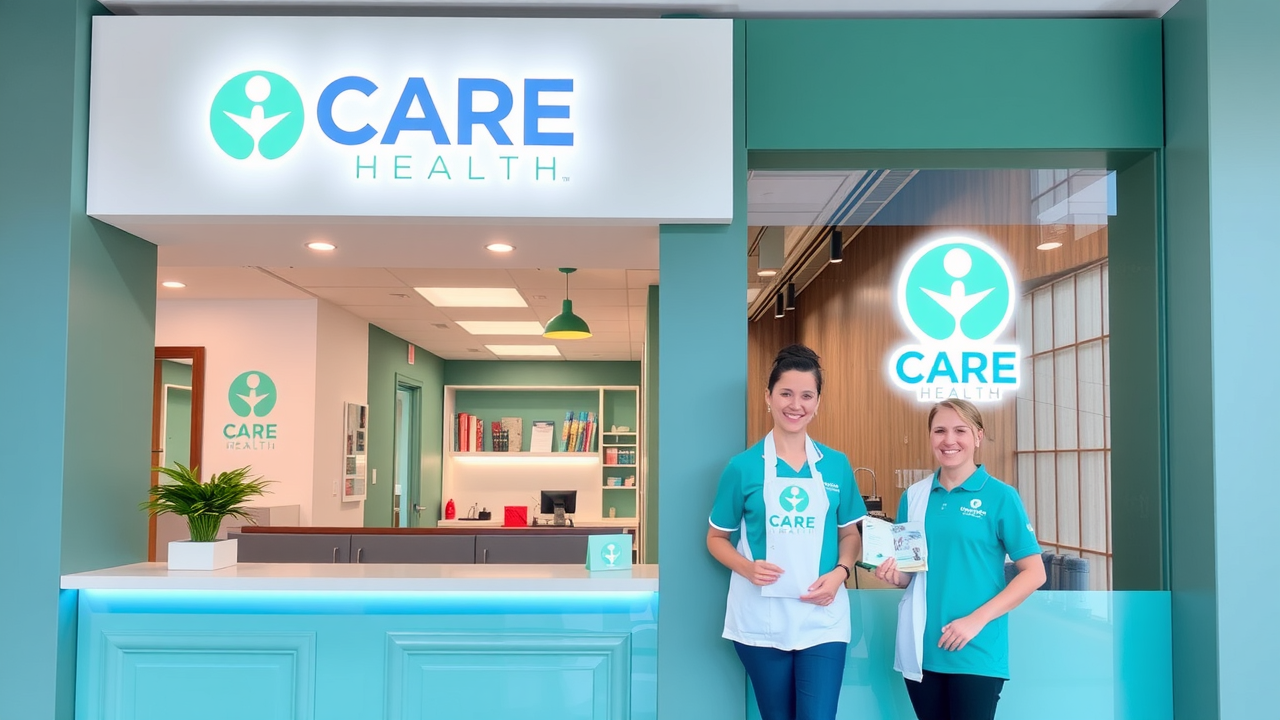

Modern healthcare clinic with cohesive branding — matching colors, logo on signage, uniforms, and patient brochures, clean and welcoming environment

Understanding Healthcare Brand Visuals: Defining Visual Identity and Brand Identity

What Is Brand Identity in the Healthcare Market?

Brand identity in the healthcare market goes beyond just a logo or color scheme. It’s the entire collection of visual cues, messages, and experiences that shape how patients, families, and the broader community perceive a care brand. For healthcare providers and organizations, brand identity is built from the ground up, starting with core values, mission, and target audience. It includes everything from health logo design to the uniforms staff wear to the way your online presence communicates compassion and professionalism. Healthcare brand identity is what makes your practice recognizable, memorable, and trusted in a field full of choices.

For example, a medical practice that prioritizes mental health and comfort might use calming blues and greens in its visual identity, soft natural lighting in waiting rooms, and friendly imagery on its website. In contrast, a specialized health group might opt for a bolder logo design and a more clinical feel to emphasize expertise and precision. Ultimately, your branding process should ensure that every interaction—online or offline—reflects what your healthcare practice stands for.

Why a Strong Visual Identity Matters in Healthcare Practices

A strong visual identity isn’t just about aesthetics—it’s a strategic asset in delivering quality care. Patients often arrive feeling anxious or vulnerable, and clear branding helps translate these emotions into a sense of comfort and reliability. Consistency across all materials—from appointment cards to care apps—signals that a healthcare provider is organized, professional, and attentive to details. These cues foster trust, which is the backbone of any healthcare provider-patient relationship.

A strong visual identity helps differentiate your care brand in the busy healthcare market. When health logo elements and color palettes remain consistent, patients recognize your brand instantly—whether it’s on a billboard, social media post, or the front door of your clinic. Strong branding can even improve online reviews, as patients equate clean, modern visuals with a higher standard of care, transparency, and respect.


Doctor speaking with patient in a bright, well-branded medical office with consistent color schemes, logo on wall, and friendly atmosphere

The Key Elements That Define Memorable Healthcare Brand Visuals

  • Logo and Symbolism: A strong logo and meaningful symbols help patients recognize and remember your practice, reinforcing trust and professionalism.

  • Color Schemes: The right color palette can communicate warmth, care, and credibility—essential traits for connecting with patients emotionally.

  • Typography and Consistency Across Care Brands: Consistent, readable fonts unify your brand identity across platforms, helping your medical practice appear more polished and dependable.

  • Imagery: Authentic photos and visuals featuring real people and care moments help patients feel more connected and valued.

  • Brand Voice in Visuals: Ensure that your visual branding complements your written tone, creating a cohesive, trustworthy experience at every patient touchpoint.

Logo design and symbolism are at the heart of healthcare branding. A well-crafted health logo is instantly identifiable, setting your care brand apart in the healthcare industry’s crowded landscape. Color scheme choices, often soft blues and greens, evoke calm and trust. Typography matters too; clear, consistent fonts reinforce accessibility and professionalism, ensuring every touchpoint—from business cards to healthcare apps—feels cohesive.


Waiting room of a small healthcare clinic featuring calming color palette, branded signage

How Healthcare Brand Visuals Shape the Patient Experience

Visual Identity Touchpoints: From Waiting Rooms to Digital Platforms

Every location where your healthcare brand visuals appear is a touchpoint that shapes the patient experience. Consider the journey: a patient first sees your medical practice online, then steps into your waiting room, interacts with staff, and follows up through a healthcare app or patient portal. Each moment presents an opportunity to reinforce trust and consistency. Branded décor with a calming color palette in the lobby, staff wearing coordinated uniforms with the health logo, and thoughtfully designed patient forms all contribute to a holistic brand experience.

Digital touchpoints are equally powerful. A user-friendly website with consistent branding, clear navigation, and matching imagery reassures patients that your healthcare provider values professionalism. Social media profiles also deliver instant cues about your care brand, from Instagram feeds showcasing compassionate staff to informative graphics that help patients understand treatments. These visual identity elements reduce uncertainty and make your practice memorable long after each visit.

Boosting Patient Comfort and Reducing Anxiety with a Strong Brand

Anxiety is common in medical settings, but strong healthcare brand visuals help put patients at ease. Calming colors, soft lighting, and welcoming signage create a sense of safety and familiarity. When patients see harmony in design—whether in the physical space or digital communications—they’re more likely to trust the healthcare provider, ask questions, and follow medical advice.

Every detail communicates care. Details like natural sanctuary-inspired imagery, clear directions, and friendly visuals make patients feel respected and valued. These small touches can make all the difference, especially for those with apprehension about healthcare organizations. Over time, consistent branding reinforces positive patient experience, leading to better satisfaction and improved health outcomes.


Inclusive healthcare team with compassionate expressions, community branding posters, Nikon 85mm

Building a Strong Healthcare Brand: Visual Strategies for Lasting Community Trust

Consistency: The Secret to Building a Strong Care Brand Identity

For a healthcare provider or practice, consistency is everything. Brand guidelines should ensure that every communication, no matter the platform, carries the same visual cues, from logo design to color palette and typography. This builds trust both internally among staff and externally with patients. When patients see the same symbols and styles across physical signage, uniforms, and digital spaces, they come to expect a certain level of quality care every time they interact with your healthcare organization.

Consistency also supports your marketing strategy. It amplifies message recall and simplifies the branding process, making it easier to deliver an aligned experience in every campaign. With today’s healthcare market crowded by choices, a strong care brand grounded in visual harmony can drive loyalty and community advocacy.

Authenticity and Inclusivity in Healthcare Practices

Patients are savvy enough to spot branding that feels forced or generic. Authenticity comes from visuals that reflect your real people: the doctors, nurses, and staff who make your care brand unique. Photographs should showcase genuine moments in your healthcare group, embracing diversity in skin tone, ability, age, and background. This not only meets modern expectations of inclusivity but also broadens your healthcare practice’s appeal to a wider community audience.

When authenticity and inclusivity guide your visuals, your brand identity becomes more relatable and approachable. Patients—especially those new to your healthcare service—feel more welcome, knowing their background and needs are respected. Over time, authentic branding builds reputation, staff retention, and lasting community trust.
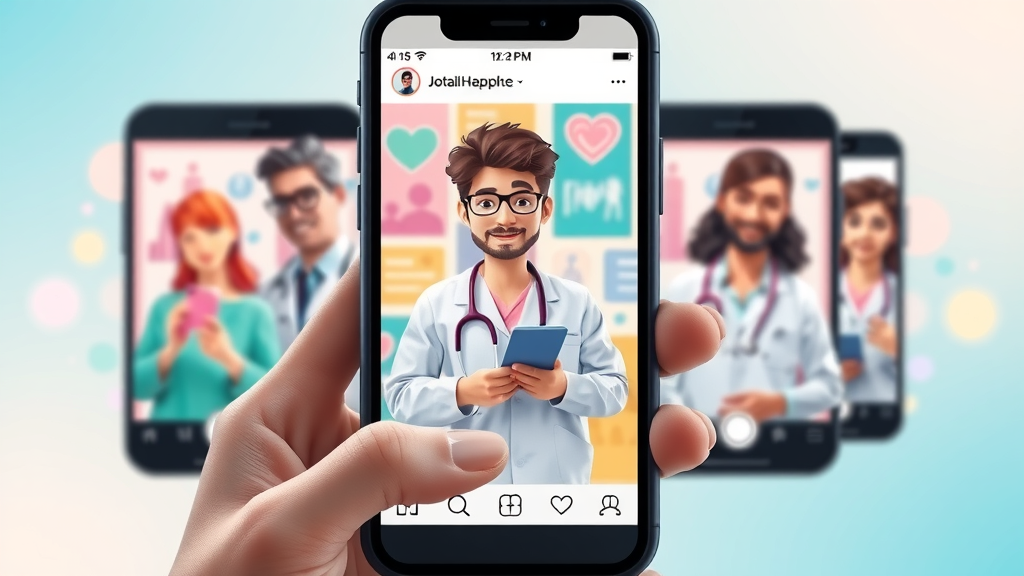

Modern healthcare Instagram feed with vibrant branded visuals, professionals sharing stories, simulated mobile phone lens

Aligning Healthcare Brand Visuals with Modern Marketing Campaigns

Digital-First Designs: Leveraging Social Media and Website Imagery

Today’s patients spend as much time researching providers online as they do in person. That’s why digital-first design matters in building a strong brand. Your website, social media, and healthcare app should present the same quality and style reflected in your clinic. Use consistent colors, imagery, and messaging across all digital platforms to foster recognition and trust.

Effective marketing campaigns also leverage video content and infographics, which help humanize care and make your brand more approachable. Social media is a critical channel for showing your brand’s day-to-day life, highlighting real staff, success stories, and patient testimonials. This is not just healthcare marketing; it’s brand experience in action.

Social Media Success: Visual Storytelling for Healthcare Practices

Storytelling on platforms like Instagram and Facebook allows you to connect with your target audience authentically. Instagram strategies for healthcare brands include sharing team moments, patient milestones (with consent), and behind-the-scenes looks at your healthcare organization. This type of visual storytelling brings your brand identity to life and transforms followers into loyal advocates.

Video content is especially effective for explaining medical procedures, promoting health tips, and illustrating everyday compassion within your care brand. Above all, the key to social media success is visual consistency—every post, story, and share should look and feel like part of the same family, reinforcing your strong brand in every interaction.

  • Instagram strategies for healthcare brands

  • Video content: Humanizing care with brand visual identity

  • Engaging audiences through visual consistency
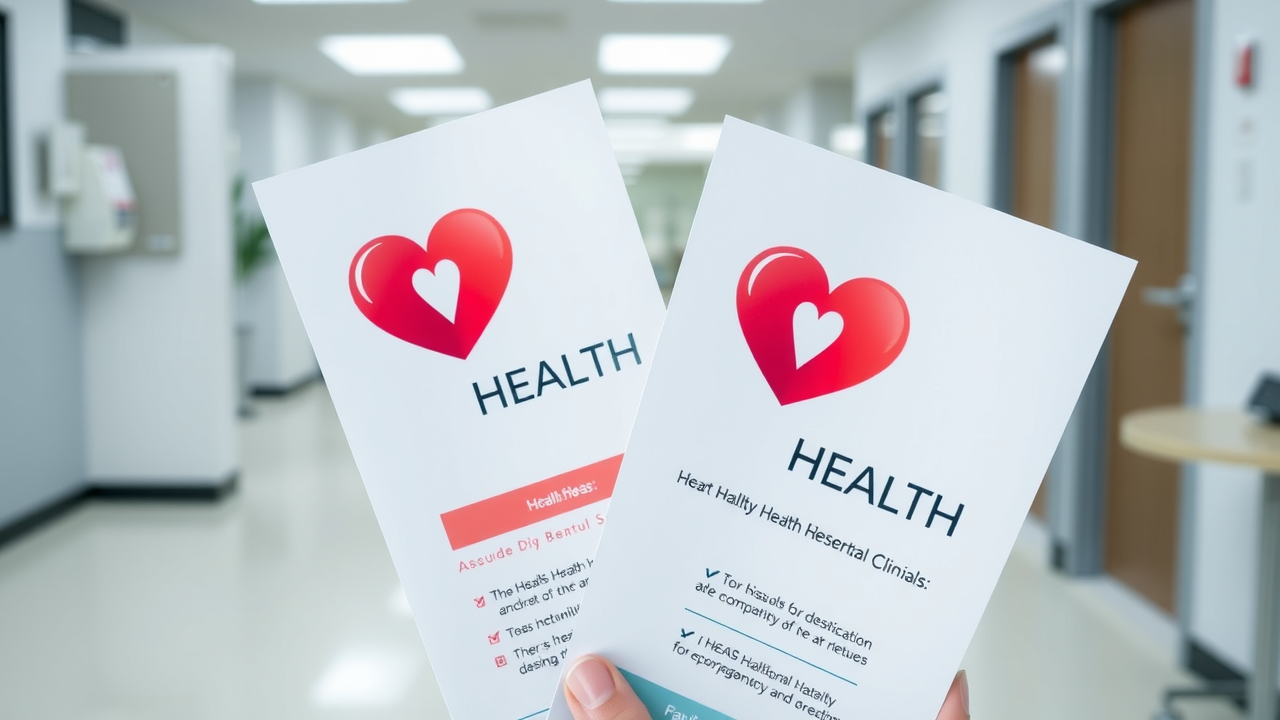

Close-up of healthcare pamphlets with a clear, similar logos and color scheme,

Healthcare Brand Visuals: Impact on Staff, Reputation, and Retention

Empowering Staff With a Unified Brand Identity

A unified visual identity empowers staff by instilling a sense of pride, professionalism, and belonging. When everyone—from the front desk to the surgical team—wears uniforms or badges with the same health logo, there’s a greater sense of team spirit and clarity about the care brand’s goals. Clear visual guidelines also make onboarding easier and help every team member, new or veteran, represent the healthcare provider’s mission.

Unified branding even influences recruitment and retention. Talented healthcare professionals are drawn to organizations that invest in their image and values. When your brand identity is clear and inspiring, it sends a signal: “This is a place where quality care and employee well-being matter.”

Reputation Management: How Healthcare Brand Visuals Foster Public Trust

In the digital era, reputation management is closely linked to visual identity. Patients often share photos or impressions of your clinic on online reviews or social media, amplifying your brand far beyond traditional marketing campaigns. Consistently high-quality visuals (like well-designed logos, thoughtful color palettes, and positive imagery) shape the public perception of your healthcare organization, making it easier to recover from negative feedback or build on positive momentum.

Organizations recognized for strong brand visuals are generally trusted more, even during crises, because the messaging and appearance reflect a commitment to serving the patient community thoughtfully and transparently.
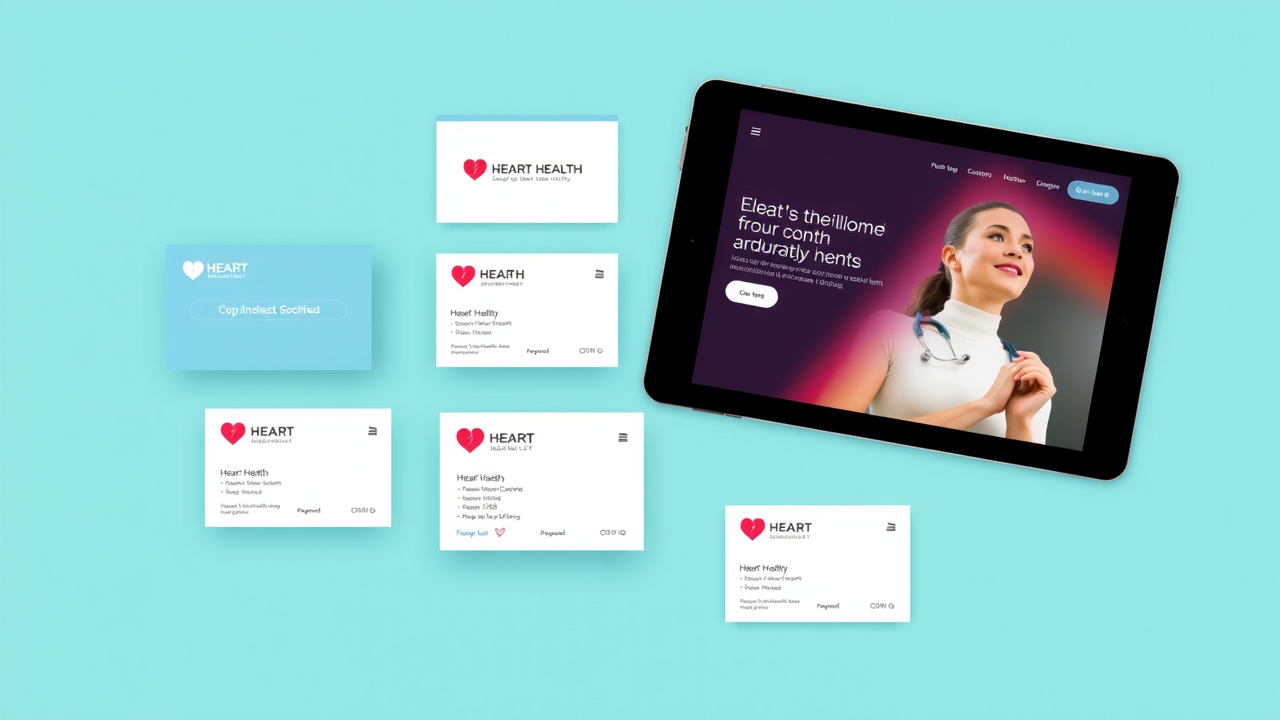

Flat lay of branded healthcare materials of a clinic — business cards, appointment cards, and tablets showing a clinic website with consistent visuals

Common Challenges in Creating Effective Healthcare Brand Visuals

  • Balancing professionalism and approachability in visual identity

  • Meeting accessibility standards in healthcare brand marketing

  • Updating legacy branding for modern healthcare practices

  • Gaining stakeholder buy-in for brand overhaul

Balancing professionalism with warmth is a common struggle for healthcare providers looking to update their visual identity. Too much clinical design can feel cold, while overly playful branding may undermine patient trust. Leading care brands solve this by carefully blending accessible design with recognizable corporate elements.

Accessibility is now an essential aspect of healthcare marketing, with fonts, color contrasts, and imagery all needing to meet standards that enable every patient to engage with your care brand. Updating legacy branding can also be a tall order, especially when aiming not to alienate loyal patients or team members. Gaining buy-in from every stakeholder requires transparent communication about the goals and values driving your brand refresh.


Community healthcare event booth with strong brand visuals — banners, logo, matching team shirts, friendly interactions with locals

Step-by-Step Guide: Building a Strong Healthcare Brand Visual Identity

  1. Define core values and mission

  2. Audit the current visual identity

  3. Research competitive care brand visuals

  4. Collaborate with design experts focusing on healthcare practices

  5. Implement changes across all platforms

  6. Evaluate and refine based on patient feedback

Start by clarifying your healthcare group’s values, vision, and mission to create a foundation for your brand identity. Next, take a deep audit of every visual touchpoint—logos, signage, social media, staff attire—and evaluate them for consistency, clarity, and alignment. Benchmark your current visuals against leading competitors and standout healthcare brands. Note what resonates with patients and what sets your brand apart. Work with designers who specialize in healthcare practices. Their expertise ensures that every logo design, color palette, and image aligns with industry standards and communicates clearly.

Once designs are finalized, roll out updates across every physical and digital platform, including websites, clinics, mobile apps, and marketing materials. Finally, create feedback loops to continually gather input from patients and staff; refine your visual identity over time to ensure it evolves with your audience and the broader healthcare market.

Integrating Healthcare Brand Visuals Across Print and Digital Touchpoints

Coherent branding requires integrating your visual identity everywhere your brand appears. Printed brochures, appointment cards, and digital newsletters should all share the same health logo, color palette, and tone. Physical and digital environments—like waiting rooms and websites—should feel like parts of the same story. When a patient moves seamlessly from an Instagram post to your front desk, you know your brand identity is working.

Technological advances have made it easier than ever to roll out updates and print materials that match digital assets perfectly. Use checklists and frequent spot checks to maintain alignment across every channel. Consistent exposure to strong brand visuals reinforces your healthcare organization’s credibility and helps make your health brand top-of-mind for your community.
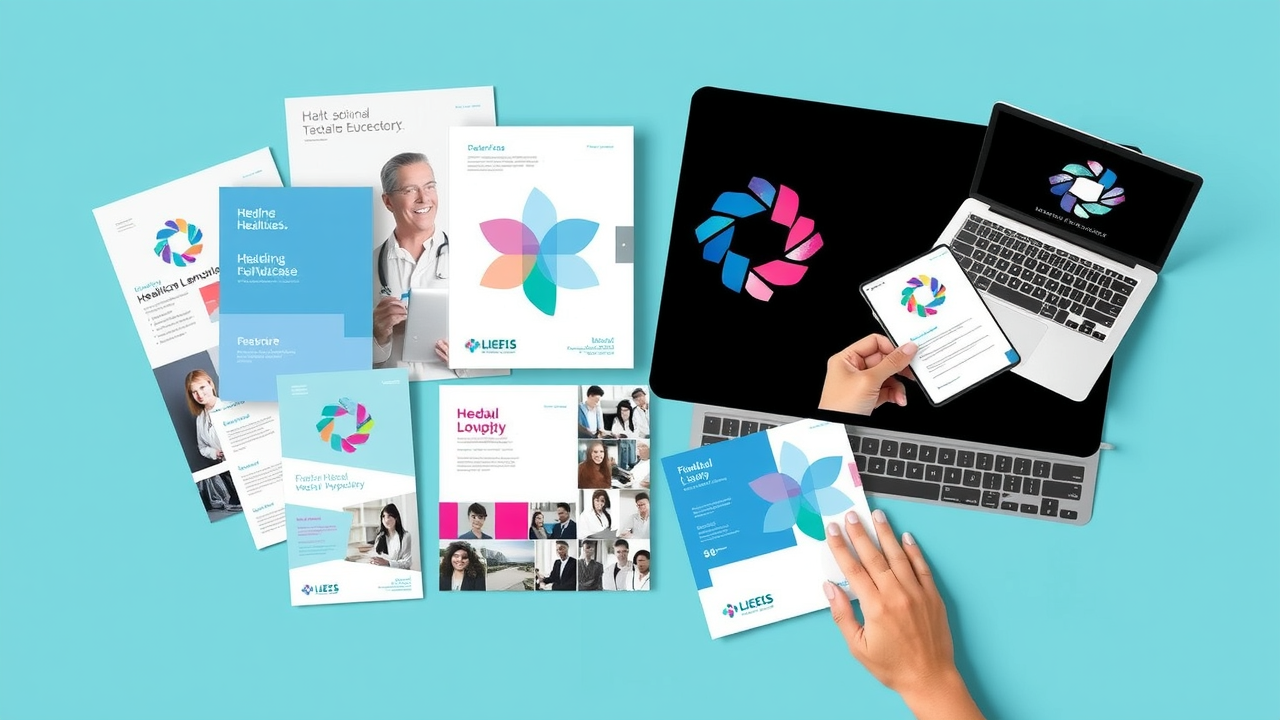

collage of print and digital healthcare branding materials, brochures and laptops.

Final Thoughts on Healthcare Brand Visuals

Healthcare brand visuals are more than just aesthetic elements — they are critical tools for building trust, conveying professionalism, and connecting with patients on an emotional level. In an industry where empathy, reliability, and clarity are essential, visuals must reflect those values through consistent colors, typography, imagery, and iconography. A well-crafted visual identity reassures patients, helps them navigate complex information, and strengthens brand recognition across digital and physical touchpoints.

As healthcare continues to evolve, so too must its branding. Modern patients are informed, tech-savvy, and expect a seamless, user-friendly experience. Healthcare visuals should keep pace with these expectations by being accessible, inclusive, and mobile-friendly. Whether it’s a hospital network, private clinic, or wellness brand, investing in thoughtful visual design isn’t just good branding — it’s a vital part of delivering quality care and creating meaningful, long-lasting relationships with patients.


Illustration of trust between doctors in a clinic with clean, professional design and cohesive visual identity

Frequently Asked Questions About Healthcare Brand Visuals

1. What is the most important visual element for a healthcare brand?

Consistency is the foundation—patients should immediately recognize your care brand wherever they see it, whether on physical signage, online platforms, or staff uniforms. A distinctive health logo and unified color palette help build instant recognition and trust.

2. How do visuals differ between large hospitals and small healthcare practices?

Large hospitals often use bold, institutional visuals to convey expertise and scale, while small practices prioritize approachable imagery and personal touches to build close patient relationships. Both must remain consistent across all touchpoints for maximum effect.

3. What role does brand identity play in marketing campaigns?

Brand identity drives every aspect of a healthcare provider’s marketing campaigns, from visual messaging and logo design to the tone of social media content. A defined brand identity creates coherence, making campaigns more memorable and effective.

4. Can brand visuals impact healthcare staff morale?

Absolutely. Staff members who connect with your visual identity feel more engaged and unified, improving job satisfaction and strengthening the quality of care delivered throughout your healthcare organization.

5. How do you measure the effectiveness of healthcare brand visuals?

Monitor patient feedback, online reviews, and metrics like website engagement or social media growth. Success also shows in higher patient satisfaction, community trust, and improved staff retention over time.


signage at the entrance of a family-run drug store — logo, and colors that evoke care and professionalism

Bring Your Brand to Life Through Meaningful Visuals

Your healthcare brand visuals aren’t just decorative—they’re powerful tools that influence how patients perceive and trust your practice. From your logo to the imagery used on your website and social media, every visual element plays a role in shaping emotional connections, supporting consistency, and reinforcing your values across the patient journey.

If you're ready to turn those visuals into a competitive advantage, it’s time to align them with your practice's mission and voice. Learn how our branding experts can help you craft a cohesive visual identity that enhances trust, improves recognition, and deepens community connection.



Bring Your Healthcare Brand to Life with Impactful Visuals

Advertising

0 Comments

Write A Comment

*
*
Related Posts All Posts
02.23.2026

Healthcare Marketing Tools That Will Save You Time Today

Did you know that 60% of patients decide whether to choose—or avoid—a healthcare provider based on their online presence? In today’s digital-first world, healthcare marketing tools aren’t just optional—they’re essential for building trust, streamlining operations, and growing your practice. For small practice owners or in-house managers balancing patient care with daily operations, the right tools can save hours each week while strengthening your reputation and patient experience.This guide breaks down the marketing tools that truly make a difference for small healthcare providers. You’ll learn which strategies improve efficiency without compromising care, how to manage reputation and patient acquisition while staying compliant, and practical next steps—both quick wins and long-term habits—that you can implement immediately to elevate your practice’s success.Why Smarter Healthcare Marketing Tools Are Non-Negotiable in Today’s Healthcare MarketIn a competitive healthcare market, the right healthcare marketing tools have become non-negotiable for small practices wanting to attract new patients, protect their reputation, and build long-term trust. Patients now expect seamless digital experiences, from finding your practice through a simple search engine query to booking and reviewing appointments online. Practices still relying on spreadsheets or ad-hoc marketing efforts risk falling behind those who put efficient, compliant, and patient-centered marketing tools at the heart of their strategy.Healthcare professional leaders know that loyalty no longer comes just from location or doctor-patient relationships—it’s also built on clear digital touchpoints, accessible services, and responsive communication. Marketing tools help you work smarter, not harder, allowing you to automate reviews, schedule consistent social media updates, and streamline patient acquisition. If you want your practice to be discovered and trusted, it’s time to audit your current digital presence and get proactive about smarter healthcare marketing tools.The True Stakes: Missed Connections and Wasted Hours in Healthcare MarketingThe stakes have never been higher for healthcare providers hoping to draw in potential patients and keep their calendars full. Without modern healthcare marketing tools, missed appointment reminders, inconsistent posting, and ignored online reviews aren’t just time drains—they directly impact your patient pipeline, reputation, and revenue. Every missed opportunity means a potential patient found a competitor whose digital marketing strategy was simpler, faster, or just more visible.Marketing administrators often feel overwhelmed by printouts, multiple media platforms, and chaotic reminders. The result? Wasted hours on manual responses, a scattered online presence, and staff stretched far too thin. Instead of reacting to every new marketing trend, small practices need tools that work with their daily workflow—turning multi-hour tasks into efficient processes, decreasing burnout, and building a patient experience that truly stands out in the healthcare market.How to Choose Healthcare Marketing Tools that Actually WorkChoosing the right healthcare marketing tools is about more than just shiny new platforms or the latest trend in social media marketing. The Banida Method distills success into three practical actions: start with clear goals, ensure compliance, and match tech to staff and patient reality. First, define a marketing strategy directly tied to improving your patient experience—for example, “get more positive reviews” or “reduce no-shows.” Next, audit your digital presence: are your listings accurate, and does your website explain what your practice actually does?Finally, select only those marketing tools that genuinely align with available staff resources and actual patient needs. The solution isn’t to automate everything or become a 24/7 social media platform; it’s to streamline just enough to keep reputation and communication strong without introducing new confusion or compliance headaches. With the Banida Method, compliance, staff sanity, and patient acquisition remain at the heart of every decision made about technology.Quick Wins: Healthcare Marketing Tools You Can Implement TodayDigital Reputation Management: Protecting Trust While Saving Staff TimeReputation management tools are critical for turning satisfied patient experiences into positive online reviews—without adding to your staff’s workload. Automated review request tools allow healthcare providers to send personalized, HIPAA-compliant review invitations via SMS or email right after an appointment. By instantly prompting feedback, your practice can see a steady flow of reviews across key sites, building trust with every potential patient who searches for you online.Another quick win is implementing a reputation management dashboard. These platforms allow for rapid monitoring of new reviews across the healthcare market, flagging any negative comments and enabling a same-day response from staff. Instead of hours spent logging into multiple review sites, your marketing team gets efficient alerts, analytics, and templates to respond with professionalism—turning even tough feedback into an opportunity for improvement and team training.Social Media Scheduling & Content: One-Click ConsistencyConsistency is the key to an effective social media marketing strategy, but no practice owner has time to craft daily posts for every media platform. Social media scheduling tools allow healthcare professionals to plan a week (or even a month) of updates in one sprint, ensuring your practice remains visible to potential patients without a daily drain on staff time. Leading healthcare marketing tools in this category integrate with your social media platform of choice—like Facebook or Instagram—so you can share updates, reminders, and educational content in a compliant and polished way.It’s essential to know what’s safe to share: always avoid patient information and keep content focused on office news, general wellness, or staff highlights. Pre-built templates (many included in top scheduling tools) make it easy to create quick posts that reflect your expertise without the compliance risk or creative stress. The result is a patient experience that feels current, approachable, and trustworthy—while your team gets hours back each month.Short-Term Must-Haves: Email, SMS, and Direct Mail Marketing ToolsChoosing HIPAA-Compliant Email Marketing ProvidersEmail marketing remains one of the most cost-effective ways to boost patient engagement and improve appointment attendance—if it’s done right. The ideal email marketing platforms in healthcare are HIPAA-compliant, allow you to sign a Business Associate Agreement (BAA), and provide workflows for sending automated reminders, follow-up messages, and newsletters without spamming your patient list.For example, you might set up a workflow so that every patient receives a wellness tip a few days after their visit, and a preventative care reminder one month later. These simple automations keep your practice top-of-mind, reduce costly no-shows, and strengthen your reputation as a proactive, caring healthcare provider—all while ensuring that private health data stays securely managed within your chosen marketing tool.Integrated Messaging: SMS and Direct Mail in Modern Healthcare MarketingThe best healthcare marketing tools combine multiple communication methods, ensuring messages are seen—and remembered. While email excels at reminders and newsletters, SMS is perfect for urgent appointment logistics and last-minute changes. Make sure any SMS platform you use is HIPAA-compliant and doesn’t share sensitive details over text, but do take advantage of high open rates for patient confirmations and quick surveys.Direct mail marketing, while old-school, can be surprisingly effective in certain healthcare markets—especially for seasonal campaigns, new service announcements, or reaching tech-adverse patients. Modern mail marketing platforms allow for targeted, branded messaging, making it simple to maintain privacy while standing out in a crowded digital world. The right blend of email, SMS, and direct mail can transform your outreach, boost response rates, and save staff from endless follow-up calls.Comparison of Healthcare Marketing Tools: Email, SMS, Social, and Direct Mail PlatformsPlatformKey FeaturesCompliance SupportCostBest Use CaseEmail MarketingAutomated campaigns, reminders, newslettersHIPAA-ready, BAALow–MediumPatient engagement, recall, educationSMS MessagingAppointment reminders, instant alertsHIPAA-ready, consent requiredMediumUrgent reminders, two-way confirmationSocial Media SchedulingOne-click scheduling, compliance checklists, analyticsUser permission controlsLow–MediumConsistent online presence, brand buildingDirect MailPrinted reminders, branded promotionsHIPAA safeguards, address verificationMedium–HighTech-averse patients, seasonal marketingLong-Term Strategy: Building a Sustainable Healthcare Marketing PlanLocal SEO: Connect with Patients in Your Healthcare MarketLocal SEO (“search engine optimization”) is about making it easy for potential patients to find you first when searching for healthcare services. Start by claiming and optimizing your Google Business Profile: list your accurate location, update hours, and add photos and service details. Use keywords like “family doctor in [Your City]” naturally on your profile to increase visibility in map and search engine results. This boosts your patient acquisition funnel, making every web search a direct pipeline to your practice.Step two is a listings checkup: Is your practice info consistent across platforms like Healthgrades, Vitals, and Yelp? Inaccuracies can cost you leads and dilute your healthcare marketing efforts. A simple, scheduled check with the right tool ensures your reputation and reach stay strong for the long-term, turning search engine traffic into loyal patients with minimal ongoing work.Content Funnels: Education-Driven Marketing for Healthcare ProvidersEducation is one of the most effective (and ethical) forms of care marketing. By answering common patient questions with simple articles or short videos, you both attract new patients and establish your credibility. Content funnels are structured workflows within marketing tools that gently guide website visitors from “curious” to “booked.” Start by creating a basic editorial calendar—use your marketing platform’s built-in templates to plan new educational content each month, from seasonal health tips to explainers about your specialties.Not sure what to create? Begin with FAQs you hear in clinic and check health topic trends in your area. Well-designed funnels nurture patient engagement, build trust, and set your practice apart from others using only generic promotion. Over time, these habits generate organic website traffic and grow your reputation, all without overloading your staff.Staff Buy-In and Workflow: Making Healthcare Marketing Tools StickA marketing tool can only save you time if your staff understands how to use it—and if everyone knows their role. Successful adoption comes from clear assignments (who posts what, who replies to online reviews), simple onboarding resources, and routines that make using the tool second nature. Set roles and permissions so only designated team members access social media or reputation management features, minimizing compliance risk and confusion.Easy training—either via online tutorials or brief lunch-and-learns—ensures everyone is comfortable, while accountability checklists keep your marketing workflow consistent (even when staff turns over). The best healthcare marketing tools offer libraries of training materials and support, so you can integrate new features or platforms at your own pace. Make adoption a team win, not a solo slog, and watch your marketing strategy run itself in the background.Patient-Centric Marketing: Balancing Growth with TrustAt the core of smart healthcare marketing is the patient experience. Every tool and tactic should support trust, ease of access, and authentic communication, rather than pushy or impersonal tactics. Great marketing starts with listening—what do patients want to know, what reassures them, and what would cause them to leave negative feedback?Authentic communication (replying quickly to reviews, personalized appointment reminders) builds a reputation of reliability and care. On the flip side, beware of aggressive marketing campaigns—spamming, making unrealistic promises, or using patient data without explicit consent erodes both patient engagement and compliance standing. As you adopt new marketing strategies, keep your patient at the heart of every decision.Common Mistakes with Healthcare Marketing Tools—And How to Avoid ThemGetting the most from healthcare marketing tools means understanding the pitfalls. Over-automation—such as sending weekly emails with no personalization or robotic social media posts—can make your practice feel distant or untrustworthy. Ignoring compliance (like HIPAA and CAN-SPAM laws) by sending unsecured emails or sharing protected health info can also bring stiff penalties—and wreck your reputation.Lastly, many practices focus on the wrong marketing metrics: it’s not about total followers or the most email “opens,” but about how many new patient inquiries you get, your online review volume, and direct feedback from patient experience surveys. Center your marketing platform choices around what builds relationships—not just what looks impressive on a dashboard.Checklist: Choosing the Right Healthcare Marketing Tool for Each TaskDo staff have time and skills to use it weekly?Is the tool compliant (HIPAA/BAA for patient data)?Does it integrate with your EHR or scheduling platforms?Can you track meaningful results (patient inquiries, reviews)?Is there support or training available?5 Questions to Vet a New Digital Marketing ToolWhat problem is this tool solving for our practice?How long does setup and training really take?Will patient privacy be protected at every step?Does it automate our most time-consuming marketing efforts?What happens when a staff member leaves?Taking Control of Your Practice’s Digital FutureInvesting in the right healthcare marketing tools is no longer optional—it’s essential for small practices that want to build trust, attract new patients, and streamline daily operations. By focusing on tools that simplify reputation management, automate communications, and maintain compliance, your practice can reclaim hours of staff time while enhancing the patient experience. Smarter marketing strategies allow your team to work efficiently, ensuring every patient touchpoint reflects professionalism, reliability, and care.Long-term success comes from integrating these tools into workflows that your staff can consistently follow, balancing automation with human oversight. When paired with patient-centric content, consistent social media, and local SEO optimization, these strategies not only boost visibility but also cultivate loyalty and credibility in your community. Start small, measure results, and scale over time—your practice’s digital presence can become a key driver of growth and patient satisfaction.Frequently Asked Questions on Healthcare Marketing ToolsWhy are healthcare marketing tools essential for small practices?Healthcare marketing tools streamline daily tasks, improve online visibility, and help build patient trust. They save staff time while enhancing reputation and patient experience.How can I protect patient privacy when using marketing tools?Always choose HIPAA-compliant platforms and secure workflows. Avoid sharing PHI in emails, SMS, or social media posts, and ensure staff follows privacy protocols.Which marketing tools give the quickest results?Local SEO optimization, automated review requests, and social media scheduling provide fast wins. They help attract new patients and strengthen online credibility within weeks.How do I choose the right tool for my practice?Evaluate staff capacity, compliance features, integration with EHR systems, and measurable impact on patient engagement. Focus on tools that solve real workflow challenges.Can automation replace human interaction in healthcare marketing?No—automation improves efficiency but should complement human oversight. Personalized responses, thoughtful follow-ups, and patient-centric messaging remain critical for trust and engagement.Take Your Healthcare Marketing to the Next LevelReady to elevate your practice’s visibility and patient trust without the overwhelm? Banida Digital can help you implement the right healthcare marketing tools—whether it’s reputation management, local SEO, or automated patient communications—tailored to your staff, patient load, and compliance needs. Focus on smart, patient-centered strategies that save time, build credibility, and support long-term growth. 👉 Visit Banida Digital’s website or contact us today to schedule your free consultation and start transforming your practice’s marketing, one meaningful connection at a time.Discover Time-Saving Tools

02.20.2026

Don’t Miss These Game-Changing Healthcare Marketing Trends

Did you know that 77% of patients now search online before choosing a healthcare provider? That means your first impression is often digital—and if your practice isn’t keeping up, you risk being overlooked before a patient ever calls. In a crowded, competitive healthcare market, understanding today’s healthcare marketing trends isn’t optional; it’s a critical part of staying visible, trusted, and relevant.This guide breaks down the healthcare marketing trends that actually matter for small medical practices—without fluff or jargon. You’ll learn where to focus your time and budget, how each trend impacts patient trust and revenue, and which strategies deliver real results with realistic staff capacity. Expect practical insights, quick wins you can use right away, and common mistakes to avoid so your marketing supports growth instead of draining resources.Startling Facts: Why Healthcare Marketing Trends Matter More Than EverToday’s healthcare market is evolving fast, and patients are the ones in control. Nearly 8 out of 10 people will turn to Google, online reviews, or social media before they ever call your front desk. If your practice still relies on word-of-mouth or outdated tactics, you risk losing patients to competitors—sometimes before you even realize you were considered. Healthcare marketing trends like local search engine optimization, social proof, and accessible digital marketing are now non-negotiable for any care organization wanting to grow their reputation and revenue.These shifts aren’t just about shiny new tech; they’re about patient trust. When your marketing strategy puts patients first—offering simple answers, clear information, and transparency—your community notices. Following proven marketing trends can mean the difference between a thriving, resilient healthcare provider and one left behind. By seeing the digital world through a patient’s eyes, you ensure that every marketing effort is not only compliant and effective, but truly supportive of patient experience.Why Small Practices Can’t Ignore Healthcare Marketing TrendsToday’s healthcare journey is shaped by patients—not marketing executives or big-budget hospitals. With more than 75% of potential patients researching online before making a decision, your online presence makes all the difference. If your marketing campaigns and content strategies aren’t built for transparency, ease, and trust, patients may dismiss your care organization before you have a chance to connect. Ignoring healthcare marketing trends can lead to lost trust, missed revenue opportunities, and your reputation slipping in your community. It’s not about having the biggest marketing budget—it’s about being visible, approachable, and reliable in every digital touchpoint.Digital marketing and healthcare PR are now critical components of every successful care marketing strategy. Patients expect seamless experiences online, quick access to accurate information, and the reassurance that their data is secure. For small medical practices, adopting these trends levels the playing field—letting you compete with larger healthcare organizations for local visibility and patient trust without overwhelming your team or resources.Making Sense of Healthcare Marketing Trends at a GlanceWith so many healthcare marketing trends competing for your attention, it’s easy for small practices to feel overwhelmed. Not every trend deserves your time, budget, or staff energy—and chasing too many at once can dilute results. What matters most is understanding which strategies directly improve patient trust, visibility, and access to care, and which ones require longer-term commitment to see meaningful returns.The table below breaks down today’s most important healthcare marketing trends in a clear, practical way. You’ll see how each trend impacts patients, how quickly it can be implemented, whether it delivers quick wins or long-term value, and what compliance considerations to keep in mind. Use this snapshot to prioritize smart, patient-first marketing moves that fit your practice’s capacity while still supporting sustainable growth.Top 10 Healthcare Marketing Trends Shaping the Healthcare MarketHealthcare Marketing Trend #1: Local SEO and Google Business Profile OptimizationHealthcare Marketing Trend #2: Online Reviews and Reputation Management for Care MarketingHealthcare Marketing Trend #3: Patient-Centric Website Experiences in Healthcare MarketingHealthcare Marketing Trend #4: Content Marketing and Patient EducationHealthcare Marketing Trend #5: Social Media for Patient Trust and Practice GrowthHealthcare Marketing Trend #6: Video Content as a Marketing Strategy in the Healthcare IndustryHealthcare Marketing Trend #7: SMS and Email Marketing for Relationship BuildingHealthcare Marketing Trend #8: Accessibility & Compliance in Healthcare MarketingHealthcare Marketing Trend #9: Data Privacy, HIPAA, and Ethical Healthcare PRHealthcare Marketing Trend #10: Automations and AI in Healthcare Marketing TrendsHow Today’s Healthcare Marketing Trends Affect Patients and Practice GrowthTrendImpact on PatientsTime to ImplementQuick Win or Long-TermCompliance NoteLocal SEO & Google Business ProfilePatients find you easily during urgent care or new-provider searchesDays to a weekQuick WinList accurate, current details; never include PHI*Online Reviews & Reputation ManagementBuilds instant trust; shapes online reputation in the healthcare marketOngoing (1–2 hours/week)Quick Win & Long-TermHIPAA: No sharing patient info when respondingPatient-Centric WebsiteReduces drop-off; improves patient experience and access to care1–2 weeksLong-TermADA & WCAG accessibility standardsContent MarketingEstablishes expertise & answers common questionsVaries (blogs: days; guides: weeks)Long-TermNo medical advice, use clear languageSocial Media EngagementHumanizes practice; connects with new patient groups1–2 weeks to set upQuick Win & Long-TermNever share patient stories without consentVideo ContentBuilds rapport; sets expectations before the appointmentDaysQuick WinConsent for real patients; no PHI in videosSMS & Email RemindersReduces no-shows; improves patient satisfaction1–2 weeksLong-TermOpt-in, encrypted platforms requiredAccessibility & ComplianceIncludes all patients; avoids legal risks2–4 weeks audit/updateLong-TermADA, WCAG, HIPAAData Privacy, HIPAA & PRProtects patient information, enhances trustOngoingLong-TermStrict adherence to legal requirementsAutomations & AIStreamlines admin, supports real people, boosts patient experienceVaries by toolLong-TermCheck for privacy features and ongoing reviewApplying Healthcare Marketing Trends in Today’s Care Marketing Environment1. Local SEO Is the Cornerstone of Healthcare Marketing TrendsLocal SEO (Search Engine Optimization) ensures your practice is easily found by patients searching with terms like “doctor near me” or “urgent care open now.” Start by claiming and verifying your Google Business Profile—this is your digital front door. Add up-to-date contact information, hours, your care specialties, and engaging photos of your practice. Managing directory listings (such as Healthgrades or Yelp) and ensuring they exactly match your business profile builds trust with both Google and your potential patients. A well-optimized local SEO presence not only drives more foot traffic but also boosts your reputation in the healthcare market. Remember, patients research on-the-go—your presence in maps and local search often determines their first impression.Strong local SEO is not a one-time project, but a consistent habit. Monitor your listings, remove any outdated information (like old phone numbers or hours), and encourage satisfied patients to leave positive reviews. When your Google Business Profile is sharp, you make a powerful first impression before a patient even walks through your door. This marketing trend is one of the quickest ways for small practices to increase visibility and attract new patients in today’s highly competitive care market.2. Online Reviews Build—or Break—Patient Trust in the Healthcare MarketIn the digital age, online reviews often have more influence on patient decisions than traditional advertising. Patients trust other patients, making review sites and star ratings a cornerstone of care marketing. Responding sincerely—whether to positive feedback or constructive criticism—shows you value transparency and accountability. Make it part of your workflow to request reviews shortly after visits. Be careful: all responses must remain HIPAA-compliant; never share or imply any protected health information (PHI) in your replies.Weekly review monitoring can quickly elevate your online reputation, opening doors to more ideal patients and strengthening your practice’s credibility within the healthcare market. Consider sharing de-identified, positive feedback (with consent) on your practice’s website or social media to reinforce your brand as patient-focused and trustworthy. This simple, ongoing marketing strategy not only secures your place in local search results but also contributes to your standing in the wider care organizations community.3. Your Website Shapes the Healthcare Marketing Trend: Is It Patient-Centric?Your website is your most important digital marketing asset. Patients expect fast answers to their questions, whether it’s your hours, insurance accepted, or how to book an appointment. Ensure your homepage is clear, mobile-responsive, and visually welcoming. Navigation should feel effortless—visitors must find key details (like contact forms, services, and directions) within a click or two. Use calls-to-action (“Schedule Now,” “Message Our Team”) in strategic spots, and include a robust FAQ section addressing common concerns.Patient-centric websites minimize frustration and reduce the risk of potential patients leaving for a competitor’s site. Regularly update your web content and keep messaging direct and non-technical. Your website must also comply with accessibility standards (ADA, WCAG) to serve all patients equitably and position your practice as inclusive and up to date with healthcare marketing trends.4. Content Marketing Strategies for Educating the Healthcare MarketThoughtful content marketing positions you as a healthcare professional who cares—and boosts your standing in search results. Original blog posts, brief educational videos, and downloadable guides offer real value, answering questions before patients need to ask. Content marketing isn’t about churning out endless articles, but about showing you understand patient needs and are eager to help. Use plain-English language and avoid medical jargon whenever possible, or explain it clearly when needed.Regularly publishing patient-focused content doesn’t need to stretch your resources. Repurpose social media posts into blog material or break longer guides into quick, helpful tips. A strong content strategy fosters patient confidence, improves search engine ranking, and offers a competitive edge in the fast-changing healthcare market.5. Harness Social Media to Broaden Care Marketing ReachSocial media offers the perfect platform for small practices to show personality, offer timely health tips, and connect with current and potential patients. Rather than spreading yourself thin, choose one or two platforms—most often Facebook and Instagram are best for healthcare providers. Use them to introduce staff, highlight patient resources, celebrate events, and share behind-the-scenes glimpses into your daily practice. Social media is not about perfection—it’s about authentic connection and community engagement.Monitor comments and questions in a timely manner, and always use HIPAA-compliant practices in your communications. With a focused social media strategy, you’ll expand your care marketing reach and reinforce patient trust, which can make a lasting difference in both reputation and new-patient growth in the healthcare market.6. The Rise of Video Content in Healthcare Marketing TrendsMore patients than ever look to video content before making healthcare decisions. Short, personable videos—like a doctor’s introduction, a short tour of your clinic, or a quick Q&A—help reduce anxiety and establish familiarity before patients even step through the door. Authentic video content outperforms staged, scripted pieces. Use a smartphone or simple camera setup, and don’t worry about perfection—clear audio and a welcoming tone are what matter most.This marketing trend is a quick win for small practices: a 60-second “Meet Your Healthcare Pro” video can be added to your website and social media in an afternoon. Video content also enhances your Google Business Profile and boosts rankings in search results, giving you an edge in the competitive healthcare industry. Always secure consent for any patient appearances, and double-check that no personal health information is visible or discussed.7. SMS & Email: High-ROI Marketing Strategies in Care MarketingText and email campaigns are workhorses when it comes to patient engagement and retention. Automated appointment reminders cut down on no-shows, while tailored educational emails keep patients informed between visits. Start small: schedule welcome messages for new patients, post-appointment follow-ups, or satisfaction surveys. By regularly reaching out through SMS and email, you demonstrate attentiveness and gather actionable insights into patient satisfaction and expectations.Every SMS and email must prioritize privacy. Only use trusted platforms with built-in encryption and clear opt-in/opt-out settings, especially in the healthcare market. This marketing trend is uniquely efficient—making it possible for small medical teams to nurture loyalty and patient experience without overwhelming staff resources or time.8. Accessibility, Inclusion, and Healthcare Marketing ComplianceAccessible digital experiences are now both a moral and legal requirement in healthcare marketing. Your website should be easy to navigate for everyone, including those who use screen readers or require high-contrast displays. Content must be clear, simple, and available in multiple formats if possible (text, audio, video). Following ADA (Americans with Disabilities Act) and WCAG (Web Content Accessibility Guidelines) helps avoid legal trouble, extends your reach, and positions your practice as an inclusive provider in the healthcare industry.Don’t forget about communications compliance: use patient-first language, never share personal details, and always double-check that images or testimonials are approved for use. Investing in accessibility is a key insurance policy, ensuring you serve all segments of your community and remain competitive amid evolving healthcare marketing trends.9. Data Privacy, HIPAA, and Ethical Healthcare PRPatient privacy is the cornerstone of trust in healthcare marketing. As marketing trends lean more heavily on digital tools, strict adherence to HIPAA and privacy regulations is essential. This means never sharing patient stories, photos, or testimonials without explicit, documented consent. Use secure digital forms for collecting information, and always include clear disclaimers about data use on your website and in marketing emails.Ethical healthcare PR—the way you present your practice in public—should be honest, transparent, and sensitive to patient confidentiality. Turning compliance into a marketing strength reassures your community that you’re a responsible and professional care provider. Regular compliance audits and privacy-first messaging differentiate you against less attentive competitors in the healthcare market.10. Automations and AI—The Future of Healthcare Marketing TrendsAutomations and artificial intelligence (AI) are transforming how small practices deliver consistent, frictionless experiences for patients. AI-powered chatbots can answer basic questions, guide patients to resources, and screen appointment requests any time of day. Automated tools for reminders, surveys, and intake forms save your team hours while ensuring patients stay engaged and informed.However, these automations must be carefully managed: always review AI outputs for accuracy, double-check safeguards for data security, and prioritize human oversight at critical points in the patient journey. Leveraged wisely, this marketing trend will give your team more time for what matters most—direct patient care—while streamlining the experience for everyone involved in the healthcare market.Common Healthcare Marketing Mistakes (and How to Avoid Them)One of the most frequent pitfalls in healthcare marketing is using medical jargon without explanation. While clinicians understand terms and procedures, most patients don’t, which can create confusion or even distrust. Clear, plain-language communication ensures patients feel informed, confident, and cared for.Neglecting your online reputation is another critical mistake. With 77% of patients researching providers online, negative or unmonitored reviews can quickly erode trust. Inconsistent or unprofessional branding—from your website to social media profiles—also sends mixed messages and diminishes credibility. Equally important is adherence to compliance and accessibility standards; failing to follow HIPAA guidelines or ADA/WCAG accessibility rules can create legal risk and alienate patients. Finally, skipping regular website updates, such as changes to hours, services, or insurance accepted, can frustrate patients and cost you new appointments. Avoiding these missteps sets a foundation for trustworthy, effective marketing.Quick Wins: Where to Start With Healthcare Marketing TrendsGetting started with healthcare marketing doesn’t have to be overwhelming. A few targeted actions can make a big difference right away. Begin by claiming and optimizing your Google Business Profile to boost local SEO and help potential patients find you quickly. Request and respond to patient reviews weekly to build trust and improve your online reputation.Updating your website with accurate hours, services, and insurance information ensures visitors have the information they need to make a decision. Adding a simple video that introduces your practice and staff can humanize your brand and build rapport before patients even step through the door. Finally, sending a welcome email sequence to new patients establishes communication early and encourages engagement. These quick wins create momentum and position your practice for long-term marketing success.Staying Ahead With Patient-Focused Healthcare MarketingIn today’s digital-first healthcare market, staying visible, trusted, and relevant is no longer optional. By focusing on patient-centered marketing trends—like local SEO, online reputation management, accessible websites, and ethical use of digital tools—small practices can attract new patients, strengthen loyalty, and compete effectively against larger organizations. Implementing even a few quick wins, such as optimizing your Google Business Profile or sending automated appointment reminders, can create immediate impact without overwhelming your team.Long-term success comes from consistency, compliance, and thoughtful integration of emerging trends. By embedding marketing strategies into everyday practice operations and using clear, actionable data, healthcare providers not only enhance patient experience but also protect their reputation and build sustainable growth. Staying informed, avoiding common mistakes, and gradually adopting innovations like AI and video content ensures your practice remains a trusted, first-choice option in your community.Frequently Asked Questions on Healthcare Marketing TrendsWhy is local SEO important for small healthcare practices?Local SEO helps patients find your practice online quickly, especially when searching for urgent care or new providers. Optimizing your Google Business Profile ensures accurate information and builds trust.How often should practices monitor online reviews?Weekly review monitoring is ideal. Responding to feedback promptly shows transparency, reinforces trust, and can improve patient engagement.What makes a website patient-centric?A patient-centric website is clear, easy to navigate, mobile-friendly, and ADA-compliant. It provides quick access to essential information like hours, services, insurance, and appointment booking.Are video and social media effective for healthcare marketing?Yes, short, authentic videos and focused social media engagement build rapport, humanize your practice, and connect with patients beyond traditional methods. Consent and privacy compliance are critical.How can small practices start using these marketing trends without overwhelming their staff?Begin with quick wins like updating your Google Business Profile, requesting reviews, adding simple videos, or sending email/SMS reminders. Gradually implement longer-term strategies as staff capacity allows.Next Steps: Grow With Confidence Through Healthcare Marketing TrendsTake action today to make your practice the first choice for patients. Focus on quick wins like optimizing your Google Business Profile, managing online reviews, and creating accessible, patient-centered digital experiences—all while protecting privacy at every touchpoint. Let Banida Digital guide you through these healthcare marketing trends without the overwhelm. 👉 Visit our website or schedule your free consultation now, and start building trust, boosting visibility, and growing your practice with confidence.Explore Top Marketing Trends

02.16.2026

Top Healthcare Marketing Strategies That Deliver Fast Results

Boost your practice with proven healthcare marketing strategies. Learn quick wins and long-term tactics to attract patients, build trust, and grow your reputation.

Terms of Service

Privacy Policy

Core Modal Title

Sorry, no results found

You Might Find These Articles Interesting

T
Please Check Your Email
We Will Be Following Up Shortly
*
*
*