
Add Row
Add Element
banida digital marketing agency logo
update

Banida digital

update
Add Element
  • Home
  • Contact Us
  • All Posts
  • Social Media
  • 5-Star Reputation
  • SEO
  • Traffic
  • Funnels
  • Blogging
  • Advertising
  • Website
January 02.2024
5 Minutes Read

Navigating Facebook Comments to Enhance Your Orthodontic Practices Online Presence

From Likes to Smiles: Navigating Facebook Comments to Enhance Your Orthodontic Practices Online Presence

Welcome to the era of social media, where a single comment can make or break a business's online presence. As an orthodontic practice, your online reputation is crucial in attracting new patients and building trust. Enter Facebook comments – an untapped resource for enhancing your practice's visibility and credibility.

In this article, we'll show you how to navigate Facebook comments effectively and leverage them to boost your orthodontic practice's online presence. From handling negative comments with grace to utilizing positive feedback strategically, we'll guide you through the do's and don'ts of managing Facebook comments like a pro.
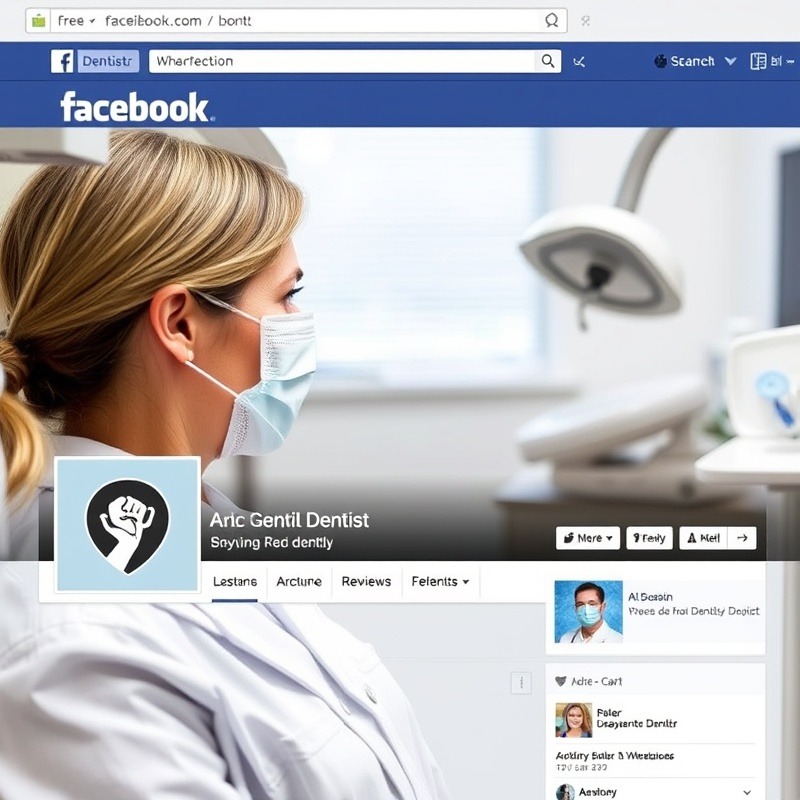
The Importance of Online Presence for Orthodontic Practices

In today's digital age, having a strong online presence is essential for orthodontic practices. A well-crafted online presence not only helps attract new patients, but it also builds trust and credibility among existing patients.

With the majority of people turning to the internet to research healthcare providers, having a positive online reputation is paramount.

Facebook, with its massive user base and interactive features, presents a unique opportunity for orthodontic practices to connect with their target audience. By effectively managing and engaging with Facebook comments, you can transform your practice's online presence from a mere presence to a powerful tool for growth.

Understanding the Impact of Facebook Comments on Your Online Reputation

Facebook comments can have a significant impact on your orthodontic practice's online reputation. They provide a platform for patients to voice their opinions, share experiences, and ask questions. Positive comments can serve as social proof, showcasing your practice's expertise and creating a positive image. On the other hand, negative comments, if left unaddressed, can tarnish your reputation and erode trust.

By actively monitoring and responding to Facebook comments, you can demonstrate your commitment to patient satisfaction and build a strong online reputation.
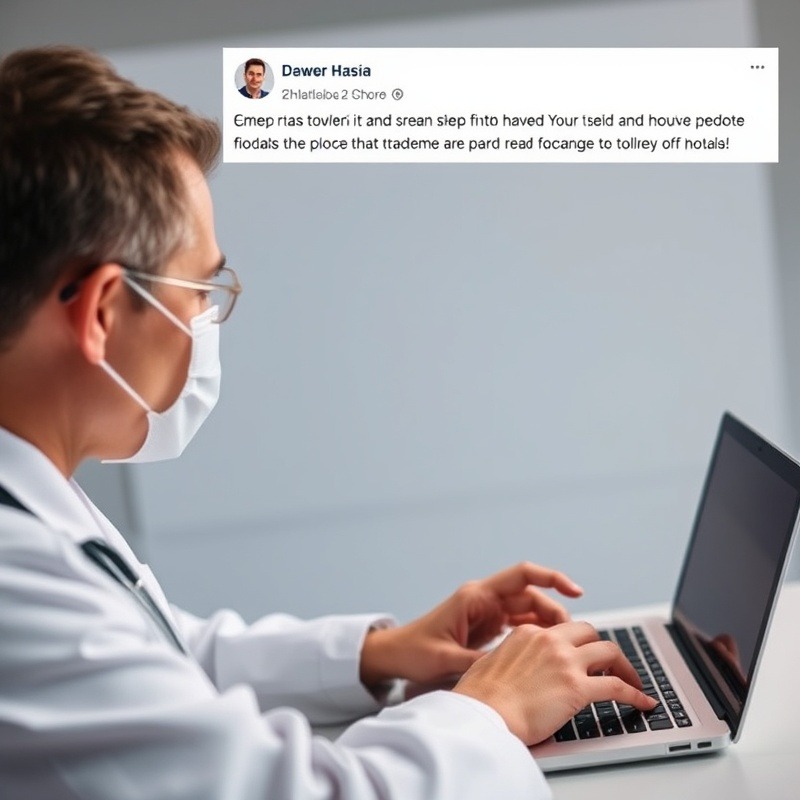
Engaging with comments shows that you value patient feedback and are willing to address concerns promptly. Positive interactions with patients can lead to increased trust, loyalty, and ultimately, more patients walking through your doors.

Strategies for Engaging with Facebook Comments Effectively

Engaging with Facebook comments requires a thoughtful and strategic approach. Here are some proven strategies to help you navigate this terrain effectively:

1. Respond promptly and professionally : Aim to respond to comments within 24 hours. Whether it's a simple "thank you" for a positive comment or a detailed response to a question or concern, be professional in your tone and ensure your reply reflects your practice's values and commitment to patient care.

2. Personalize your responses : Address commenters by name whenever possible. This personal touch shows that you value and appreciate each individual patient.

3. Be empathetic and understanding : When responding to negative comments or concerns, take a step back and put yourself in the patient's shoes. Show empathy and understanding, and offer a solution or a way to address their concerns. This approach can turn a negative experience into a positive one and demonstrate your commitment to patient satisfaction.

4. Encourage positive engagement : Actively encourage your patients to leave reviews and engage with your Facebook posts. This can be done through gentle prompts in your posts or by offering incentives for leaving reviews. Positive engagement not only boosts your visibility on Facebook but also serves as valuable social proof for potential patients.

5. Moderate comments effectively : While it's important to encourage open dialogue, moderation is necessary to maintain a positive and respectful environment. Remove comments that are offensive, spammy, or unrelated to your practice.

By setting clear guidelines for acceptable behavior, you can foster a supportive community on your Facebook page.

Handling Negative Comments and Turning Them Into Positive Experiences

Negative comments are inevitable, but they can be turned into opportunities for growth and improvement. Follow these steps to handle negative comments with grace:

1. Stay calm and composed : It's natural to feel defensive when faced with negative comments. However, it's important to respond in a calm and composed manner. Take a moment to gather your thoughts before crafting a tactful response.

2. Acknowledge the concern : Start by acknowledging the commenter's concern and expressing your understanding. This shows that you take their feedback seriously and are committed to addressing the issue.

3. Offer a solution or alternative : Provide a clear solution or alternative to address the commenter's concern.

Whether it's offering a refund, rescheduling an appointment, or arranging a direct conversation, show that you are proactive in resolving the issue.

4. Take the conversation offline : If the issue requires more in-depth discussion, offer to take the conversation offline. Provide contact information for the commenter to reach out to your practice directly. This approach demonstrates your commitment to resolving the issue in a private and personalized manner.

5. Follow up : After addressing the concern, follow up with the commenter to ensure their satisfaction. This extra step shows that you genuinely care about their experience and are committed to making things right.

Utilizing Facebook Comments to Showcase Your Expertise and Build Trust

Facebook comments can be a powerful tool for showcasing your orthodontic practice's expertise and building trust. Here's how you can utilize them effectively:

1. Respond with helpful information: When patients ask questions or seek advice in the comments section, respond with informative and helpful answers. This not only positions you as an expert in your field but also demonstrates your commitment to patient education and support.

2. Share success stories: When patients leave positive comments or share their success stories, use these testimonials to your advantage. Highlight these comments in your posts or create dedicated content showcasing patient transformations. This social proof can be incredibly persuasive in attracting new patients.

3. Engage with influencers: Identify influential individuals in the orthodontic and dental industry and engage with their comments on your Facebook posts. By building relationships with these influencers, you can increase your reach and credibility within the community.

4. Encourage patient-generated content : Offer incentives for patients to share their treatment progress or post pictures wearing their braces.

By encouraging patient-generated content, you not only create a sense of community but also generate authentic and relatable content for your Facebook page.


Navigating Facebook comments is an essential skill for enhancing your orthodontic practice's online presence. By engaging with comments effectively, handling negative feedback with grace, and utilizing positive comments strategically, you can build trust, showcase your expertise, and attract new patients.

Remember, every comment is an opportunity to connect with your audience and leave a lasting impression. So, put these strategies into action, turn those likes into genuine smiles, and take your orthodontic practice's online presence to new heights.



Discover the Power of Facebook Comments

Social Media

Write A Comment

*
*
Related Posts All Posts
12.05.2025

Boost Healing Faster with Patient Engagement Videos

Did you know patients who view educational video content as part of their care plan are 60% more likely to follow post-visit instructions—and heal faster? This isn’t just a fleeting trend— patient engagement videos are becoming a game changer in health care. With every telehealth visit and every shared decision, these dynamic tools empower patients to take charge of their own healing journeys.In this article, I’ll reveal why engagement videos don’t just inform—they ignite action, drive better care decisions, and set a whole new standard for patient-centered health care.Why Patient Engagement Videos Are Revolutionizing HealingPatient engagement videos are rapidly transforming how both patients and providers approach health care. When patients watch video content tailored to their needs, they immediately benefit from clearer understanding and improved retention of information. Unlike dense handouts or medical jargon-filled pamphlets, engagement videos break down complicated medical language into digestible, visual stories. This lets patients see and experience what to expect from their treatment and care, making it easier to absorb instructions and ask relevant questions during follow-up visits or telehealth calls.The immediate impact of these videos is evident in improved treatment adherence. Visual learning leverages our natural tendency to process visual information quicker than written words, which is important for patient understanding and retention. What’s more, the evolution of digital health—especially telehealth visits—has made video content even more essential. Digital delivery ensures patients can access critical guidance anytime, anywhere, whether they're managing chronic conditions at home or preparing for a virtual examination.The Power of Patient Engagement in Health CareThe future of health care rests on meaningful patient engagement. Acting as a bridge between provider expertise and real-world patient needs, engagement videos set the stage for stronger partnerships and better outcomes. By encouraging patients to take an active role in care decisions, these videos create a culture where knowledge and understanding are front and center. Data consistently shows that when people feel engaged and well-attended to, their health outcomes are better—they communicate more openly, stick more closely to treatment plans, and experience higher satisfaction levels after each health care encounter.Not every communication method has the power to truly reach patients in a meaningful way. Traditional handouts may be forgotten, but a patient engagement video combines visual storytelling, clear voice, and actionable takeaways—which stick with patients long after the clinic visit ends. The interactive nature means educational content can be revisited as often as needed, reinforcing learning and reducing confusion around complicated care journeys. And for providers, these videos aren’t just a tool but a strategic asset—able to reach diverse audiences and build trust in both in-person and telehealth settings.Understanding Patient Engagement Video Strategies for ProvidersProviders looking to improve patient care through video must start with strategies tailored to their patient population. This means listening—through patient listening sessions —to understand specific barriers to understanding or adherence. The most successful patient engagement video strategies are those built around real-life scenarios and language patients use. For example, a clinic dealing with diabetes management may create short videos demonstrating how to check blood sugar, raised by concerns during patient listening sessions. These strategies help improve patient engagement by directly addressing what patients need in the moments they feel most uncertain.These videos can be personalized with culturally relevant visuals and multiple language options. Experienced providers know that a single engagement video can prompt many patients to ask better questions during their next telehealth visit, creating a virtuous cycle of active participation and informed decision making. Utilizing tools such as digital health platforms not only ensures broad video distribution but also integrates engagement into the patient’s official health records for reference and follow-up.Patient Engagement Videos vs. Traditional Patient EducationThere’s a reason patient engagement videos outperform old-fashioned educational materials. Traditional education often means reading through volumes of printed instructions—sometimes in overly technical language—while engagement videos make learning interactive, visual, and direct. Unlike a traditional educational video, which may feel generic, a patient engagement video is crafted with the patient’s journey in mind, using stories and scenarios that closely resemble their own experience.Traditional methods rarely cater to the unique needs of each patient. By contrast, an educational video that integrates real-world examples from patient listening sessions can address common concerns, clarifying complicated treatment and care steps. When health care teams use engagement videos, they transform patient education from passive to dynamic, reducing forgetfulness, confusion, and the likelihood of post-visit errors. This is especially important in shared decision making, where every piece of actHow Patient Engagement Videos Influence Health Care DecisionsVisual learning through patient engagement videos is uniquely effective at empowering patients to participate in their care decisions. These videos break down health care decisions into step-by-step visuals, guiding patients to make choices that fit their preferences and lifestyles. Empowerment through knowledge means fewer surprises for patients, more proactive communication, and less stress during every phase of their health care journey.Clear, visual explanations help minimize patient confusion and anxiety. Animated sequences, primary care provider instructions, or scenario reenactments all serve to illustrate difficult procedures or medication regimens in a way that written guides simply cannot. In a telehealth visit, these visual cues reduce barriers and ensure patients leave with a solid grasp of their treatment and care, regardless of health literacy levels.Key Benefits of Patient Engagement Videos for Health Care TeamsBenefitHow Patient Engagement Videos Support ThisTreatment AdherenceVisual step-by-step follow-up instructionsReduced ReadmissionsProactive education reduces post-visit issuesPatient SatisfactionPersonalized communication boosts satisfactionHealth Literacy ImprovementComplex concepts made easy via visual aidsFor health care teams, integrating patient engagement videos is a straightforward way to address some of the industry’s most persistent challenges. Treatment adherence rises when patients can follow clear, repeatable video instructions at home. By proactively educating patients, providers can reduce readmissions due to misunderstandings or lack of clarity—especially after a telehealth visit when face-to-face follow-up is less frequent.The positive impact on patient satisfaction cannot be overstated. Personalized videos make health care feel human and patient-centered. When complicated health information is communicated through engaging visual aids, health literacy improves across diverse patient groups. Health care teams who use these tools report higher patient engagement metrics, fewer calls about post-visit confusion, and greater confidence within their clinical staff.Creating Compelling Patient Engagement Video ContentCreating the right patient engagement video content is about more than just filming a doctor talking. The best videos use storytelling techniques, relatable scenarios, and visual cues that resonate with their audience. Start with a clear, concise message—one that eliminates jargon and focuses on what patients care about most. During critical patient listening sessions, providers can gather feedback to refine the video’s message and make it even more effective.Effective videos also incorporate cultural sensitivity. This could mean translating content, using diverse on-screen talent, or addressing culturally relevant examples demonstrated during patient listening sessions. The aim: foster trust and understanding in every viewer, ensuring the video is accessible and impactful for all. By encouraging patients to ask questions as part of the video, providers improve patient engagement and shared decision making—even before the telehealth visit starts.What Makes an Educational Video Effective for Patients?A powerful educational video is built on clarity, ensuring patients walk away with simple, memorable takeaways. Simplicity is essential: avoid medical jargon and use illustrations, demonstrations, or analogies to make points stick. Videos created with input from patient listening sessions take this a step further, preemptively answering common questions and smoothing out potential points of confusion.Cultural sensitivity and inclusivity are also non-negotiable. When patients see themselves represented in health care content, they’re much more likely to trust and act on the advice given. Encourage viewers to pause and note down their questions as they watch—this makes the video a springboard for future discussion and supports more active patient engagement at every stage of care decisions.Real-World Results: Success Stories with Patient Engagement VideosAcross health care, organizations are seeing tangible improvements in both treatment outcomes and patient satisfaction after adopting patient engagement videos. Clinics that once struggled with patients misunderstanding medication instructions or missing follow-up appointments have found engagement videos to be a cost-effective remedy. Telehealth visits that once felt impersonal now foster trust—as patients watch video content before, during, and after the visit to anchor their understanding and ease anxiety.Many health care teams point to measurable results: reduced readmission rates, better adherence to post-visit plans, and improved patient engagement. Above all, patients report feeling more confident and cared for, knowing they can revisit video resources whenever they need a refresher or a confidence boost along their healing journey.How Telehealth Visits Leverage Engagement Videos to Build TrustThe rise of telehealth visits has proven that video is more than a convenience—it’s a trust builder. A telehealth visit can sometimes feel distant or transactional, especially for new patients, but a well-crafted engagement video eliminates those barriers. Providers can send patients short, targeted videos before the appointment, setting clear expectations about what to prepare and how to communicate their concerns.During the telehealth visit, videos can be referenced or shared in real time, supporting explanations of new medications, post-visit exercises, or aftercare. This layered approach reinforces the provider’s message and helps patients become co-pilots in their own care decisions, positively shaping both satisfaction and health outcomes. The continuity of video engagement builds the kind of lasting trust that makes each encounter feel personal and meaningful.Unlocking the Full Value of Patient Engagement Videos in TelehealthTo unlock the true value of patient engagement videos, health care providers must focus on personalization. Sending tailored video messages before a telehealth visit helps patients arrive informed and ready, while follow-up videos provide continuous support as they manage care decisions at home. Video-based reminders reinforce instructions and prevent misunderstandings that lead to negative outcomes.The seamless integration of these videos with telehealth platforms improves patient engagement and shared decision making, creating a robust continuity of care. From first touchpoint to post-care follow-up, every interaction is enriched, making each patient feel valued, understood, and cared for—regardless of where they might be.Top Tools and Platforms for Patient Engagement VideosChoosing the best tools is important for a successful patient engagement video strategy. Choose platforms that offer user-friendly interfaces, customizable templates, and secure integration with electronic health records. It is best to use platforms designed specifically for patient care scenarios—making it simple to upload, personalize, and distribute videos across telehealth visit platforms and patient portals.When selecting a platform, prioritize ease of use, HIPAA compliance, and features supporting interactive learning. Consider tools that offer analytics, so providers can track how often patients watch videos and where engagement drops off. This feedback, paired with input from patient listening sessions, ensures each new engagement video release hits the mark and supports continuous improvement in clinical outcomes.Best Practices for Implementing Patient Engagement VideosSet clear objectives for your patient engagement videosPrioritize high-quality, relatable educational video contentIntegrate with existing health care technology platformsGather feedback to refine future engagement videosStart small, focusing on the patient journey points most in need of clarity. Make every patient engagement video actionable by setting specific goals: Are you improving patient adherence? Reducing confusion? Building trust in telehealth visits? Collect patient and staff feedback at every stage to hone your approach, and always keep videos accessible and easily shareable.Ensure your content is professionally produced whenever possible, but don’t let perfection delay progress—patients respond best to authentic, relatable stories. As technology platforms evolve, integrating engagement videos will only become easier, supporting better outcomes and higher satisfaction along the way.Your Path Forward: Harnessing Patient Engagement Videos TodayBuilding stronger patient relationships doesn’t require a production studio—just authenticity, empathy, and consistency. Start with one genuine patient engagement video that reflects your organization’s care and expertise. Simple, relatable stories can create powerful connections, helping patients feel seen, heard, and supported throughout their healthcare journey.As you continue, gather feedback to refine your approach and expand your efforts across platforms. Each video you share builds credibility and trust—enhancing both your telehealth presence and in-person reputation. With a thoughtful strategy and patient-first mindset, your organization can turn every video into a bridge toward greater visibility, engagement, and long-term loyalty.Frequently Asked Questions About Patient Engagement VideosWhat are patient engagement videos and how do they differ from traditional educational videos?Patient engagement videos are short, focused digital films designed to educate, inform, and motivate patients regarding their own care journeys. Unlike generic educational videos, which are often passive and non-specific, engagement videos are personalized and actionable—directly tied to the individual’s treatments, concerns, and health care decisions.How can health care providers integrate engagement videos into their workflow?Integration begins with identifying key touchpoints—before and after telehealth visits, post-procedure, and during chronic care management—where a video could reinforce a message or elicit patient questions. Many providers embed engagement videos directly in their electronic health records platforms or patient portals, or use email and SMS reminders to deliver critical content at the right moments. Regular feedback from patient listening sessions or consumer engagement surveys ensures the video strategy stays relevant and impactful.Do patient engagement videos enhance telehealth visit outcomes?Absolutely. Data shows that when patients watch engagement videos before and after a telehealth visit, their understanding, satisfaction, and adherence all increase. Videos make instructions clearer, prepare patients for shared decision making, and foster ongoing communication—minimizing confusion and missed follow-up appointments.Are there proven patient engagement video benefits for health care teams and patient satisfaction?Yes—health care teams benefit from fewer misunderstandings and faster patient uptake of instructions, while patients consistently report higher satisfaction, feeling more connected and heard. These improvements are seen across both in-person and virtual care, with engagement videos now recognized as best practice for improving patient engagement and health outcomes.Get Started: Amplify Healing and Trust With Patient Engagement VideosReady to transform the way patients connect with your practice? 🎥 Let Banida Digital help you craft authentic, trust-building patient engagement videos that amplify your visibility and strengthen your brand—no studio or stress required. From telehealth to in-person care, we’ll guide you in creating powerful visuals that foster connection, boost credibility, and inspire patient loyalty. Schedule your free consultation today to start building a more trusted, patient-centered practice that stands out and grows with purpose.

12.03.2025

Master Medical Video Content Creation with These Tips

Mastering medical video content creation helps healthcare providers build trust, simplify patient education, and boost engagement with clear, authentic visuals that resonate.

10.29.2025

Unveil the Secret of Healthcare Social Media Marketing Success

Strengthen your online presence through healthcare social media marketing. Connect with patients, share credible content, and grow your brand with confidence and compliance.

Terms of Service

Privacy Policy

Core Modal Title

Sorry, no results found

You Might Find These Articles Interesting

T
Please Check Your Email
We Will Be Following Up Shortly
*
*
*