
banida digital marketing agency logo
update

Banida digital

update
  • Home
  • Contact Us
  • All Posts
  • Social Media
  • 5-Star Reputation
  • SEO
  • Traffic
  • Funnels
  • Blogging
  • Advertising
  • Website
May 20.2026
12 Minutes Read

Online Advertising for Dentists: Maximize Your ROI Today

Did you know that dental practices using digital marketing can see up to 50% higher conversion rates than those relying solely on traditional advertising? In today’s competitive landscape, simply putting up a billboard or mailing flyers isn’t enough. To stand out, attract new patients, and grow your practice, mastering online advertising for dentists is no longer optional—it’s essential.

In this comprehensive guide, we’ll walk you through proven strategies to maximize your marketing ROI and transform your dental practice’s growth. You’ll discover cutting-edge statistics that reveal digital marketing’s real impact for dentists, field-tested methods to accelerate patient acquisition, key digital channels and analytics to optimize every marketing dollar, and actionable steps for running high-conversion campaigns with measurable results. By the end, you’ll have a clear roadmap to leverage digital advertising for predictable, sustainable practice growth.

Unlock the Power of Online Advertising for Dentists: Surprising Facts about Digital Marketing ROI

Online advertising for dentists has revolutionized patient acquisition. Contrary to what you might expect, a Google ad or PPC campaign targeted for dental practices often outperforms print ads, postcards, or billboards. Consider this: practices embracing digital marketing for dentists see a remarkable conversion lift—one industry study revealed digital leads can be up to 50% cheaper and convert 33% faster than those from traditional marketing for dentists.

Platforms such as Google Ads and social media offer unprecedented control, letting you focus on high-value patient segments—think patients looking for dental implants or cosmetic dentistry in your area. It’s not just about reach but quality: dental offices engaging in content marketing and dental SEO also get more appointment bookings and increased treatment acceptance rates. These outcomes prove that strategic online advertising for dentists is the most cost-effective growth engine in today’s dental marketing landscape.

online advertising for dentists welcoming dental office with modern equipment and new patient

Key Outcomes: What Dentists Gain from Strategic Online Advertising

When you invest in online advertising for dentists, you unlock several direct benefits that can propel your dental practice ahead of competitors. At its core, digital marketing for dentists enhances visibility, generates steady patient leads, and delivers precise ROI tracking—enabling you to allocate your budget where it delivers maximum impact.

Beyond acquiring new patients, a robust marketing for dentists approach builds trust and loyalty among existing patients. By utilizing digital channels—like Google searches, email marketing, and compelling content on your dental website—you solidify your reputation as a modern, reliable practice. That’s the true value: growth you can measure and replicate, campaign after campaign.

Comparison of Traditional vs. Digital Marketing for Dental Practices

Aspect

Traditional Marketing

Digital Marketing

Cost per Lead

High ($80-$150)

Low (<$50)

Targeting Precision

Limited

Highly Specific (by age, zip, intent)

Measurability

Poor (hard to track)

Excellent (real-time analytics)

Lead Quality

Broad

Highly Relevant

Scalability

Low

High

digital marketing for dentists modern dental practice with digital drive and billboard

Laying the Foundation: Why Online Advertising for Dentists is Essential for Modern Dental Practices

For any dental office striving to grow in this digital-first era, online advertising for dentists is no longer just an option. Patients are researching their dental care options through Google searches, reading reviews, and booking appointments online—often making decisions before picking up the phone. If your dental website and digital presence are not strategically optimized, potential patients will choose another provider.

Smart dental practices set themselves apart by using digital marketing to put their best foot forward. This is about more than just visibility: it’s about appearing credible, trustworthy, and easily accessible the instant someone searches for dental services in your area. Through a combination of Google Ads, dental SEO, and social media engagement, online advertising for dentists attracts not only more, but better-qualified patients—giving you a measurable advantage.

How Online Advertising Sets Dental Practices Apart

Brand visibility through search engines is a critical advantage delivered by online advertising for dentists. With well-crafted digital campaigns, your dental office can rank at the top of Google search results for high-value keywords like “cosmetic dentist near me” or “dental implant specialist.” This immediate visibility brings a steady influx of potential patients directly to your site—often before they consider competitors.

The power lies in precision. By reaching your target audience using demographic, geographic, and behavioral filters available with digital marketing, you generate patient leads cost-effectively. Each marketing dollar you invest delivers a higher ROI, because you’re not wasting money on broad, unfocused ads—instead, your messaging speaks directly to the patients that need your services now.

online advertising for dentists SEO and PPC analytics for dental practice results

Top Marketing Strategies: Maximize ROI with Online Advertising for Dentists

To get the most out of your marketing for dentists budget, you need to leverage the top-performing strategies proven to deliver results. Whether it’s boosting your dental website’s ranking through dental SEO, running targeted Google Ads for dental implants, or building a loyal community on social media, the right online advertising tactics can create an ongoing funnel of new patients.

Equipping your practice with a mix of content marketing, engaging paid ad campaigns, and local SEO ensures that you’re seen everywhere your ideal patients are searching. Smart marketers constantly analyze which platforms and messages are delivering the highest returns, then double down on the most effective methods. Let’s walk through the specific strategies yielding the biggest ROI for dental practices today.

Optimize Digital Marketing Campaigns for Dental Practices

The cornerstone of any successful online advertising for dentists campaign begins with optimizing your digital channels. Leveraging search engine and local SEO tactics ensures your dental website appears at the forefront of Google search results, connecting you with ready-to-book patients. Next, implementing pay-per-click (PPC) Google Ads allows you to target those searching for high-value treatments like dental implants or emergency services—right at their moment of need.

But don’t stop at traffic acquisition: your content marketing strategy should continuously engage and educate your audience. Blog posts, treatment guides, and patient testimonials help establish you as a thought leader—giving patients the confidence to choose your practice over others. This blend of techniques ensures a high-performing dental marketing funnel, built for both reach and lasting patient loyalty.

Harness Social Media Platforms for Dental Marketing Success

High-performing dental marketing strategies also depend on a robust social media presence. By consistently posting informative, relatable, and visually appealing content, dental offices build brand loyalty and boost patient engagement. Facebook and Instagram remain two of the most effective channels for dentists to reach local communities.

Deploying targeted social media ads drives a steady stream of qualified leads to your dental website. Showcasing real patient stories, before-and-after images, and even behind-the-scenes clinic videos momentarily lifts the veil, allowing potential patients to envision the experience at your office. Remember, authenticity is key—so mix educational posts with patient highlights to drive interest and conversions.

digital marketing for dentists modern dental practice with digital drive and billboard

Building a High-Converting Dental Website: The Core of Online Advertising for Dentists

Think of your dental website as your 24/7 receptionist—every online advertising for dentists campaign you run directs traffic here. If your dental website is outdated, slow, or lacks key features, you’re leaking valuable leads. Invest in a responsive, beautifully designed site with strong calls-to-action and seamless online booking to convert browsers into bookings without friction.

Convincing patient testimonials and glowing online reviews should be front-and-center on every page. These elements deliver vital social proof, easing patient concerns and reinforcing your reputation. The best dental websites also optimize for local SEO terms, helping you outrank competitors in Google search engine results for dental practices in your region.

Features of an Effective Dental Website for Digital Marketing

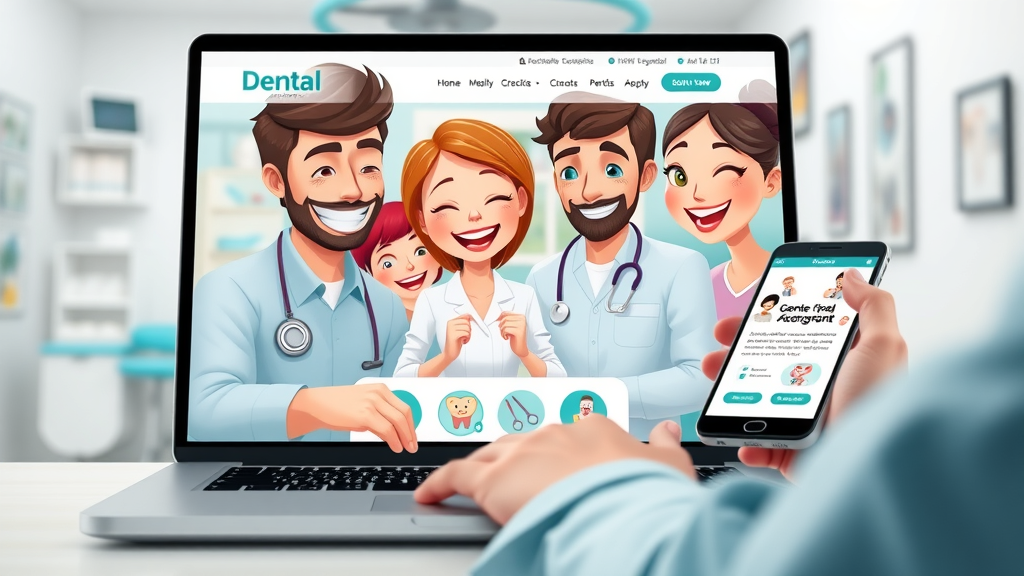
An effective dental website for digital marketing should combine functionality, accessibility, and trust-building elements to convert visitors into patients. A responsive design ensures the site works smoothly on all devices, while seamless online booking integration allows patients to schedule appointments quickly and conveniently. In addition, compelling patient testimonials and positive online reviews provide valuable social proof, helping build credibility and encouraging new patients to choose your dental practice.

Must-Have Elements for Dental Websites Winning Online Advertising Success

Feature

Benefit

Mobile Responsiveness

Ensures a smooth experience for every visitor, no matter the device

Easy Online Booking

Gives patients a frictionless way to schedule, boosting conversions

Trust Signals (Reviews, Certifications)

Reinforces credibility and encourages new appointments

Local SEO Optimization

Captures searches in your geographic region for rapid growth

dental websites responsive interface for family dental practice online advertising

SEO for Dentists: Boosting Search Engine Visibility and Rankings

Search engine optimization, or dental SEO, is the backbone of any sustainable online advertising for dentists strategy. By aligning your dental practice’s website, content, and listings with what Google search and other major search engines reward, you’ll consistently attract a flood of local patients searching for everything from routine cleanings to dental implants.

The impact is straightforward: with intelligent keyword targeting and high-quality content marketing, your online presence becomes hard to ignore. The best dental practices optimize every webpage for relevant search terms, build strategic backlinks, and ensure their Google Business listing is detailed and loaded with positive reviews.

Dental SEO Best Practices for Enhanced Online Presence

Implementing effective on-page dental SEO means optimizing meta titles, headings, and images for keywords like “dental office near me” and “dental implant specialist.” Your content marketing should answer potential patient questions, display strong authority, and provide actionable advice—helping both users and search engines view you as the local dental expert.

Don’t overlook the power of Google Business Profile and local listings. Keep your information up-to-date and encourage existing patient reviews—good reviews boost rankings and drive up trust. Finally, seek out reputable sites to link back to your dental website; these high-quality backlinks are a critical factor for higher rankings and increased appointment bookings.

dental seo search engine results online advertising for dentists with rising charts

Pay-Per-Click (PPC) and Google Ads: Fast Results for Dental Practices

If you’re eager for faster results, Google Ads and other PPC campaigns for dental marketing offer instant visibility on top search results. By investing in well-structured paid ads, you bypass organic rankings and target high-intent searchers seeking immediate solutions—like emergency dental care or specialized treatments such as dental implants.

The secret to maximizing ROI with Google ads lies in targeting, messaging, and continual optimization. Great campaigns don’t just throw money at clicks—the best dental marketers track every action, tweak bids and copy, and double down on the ads converting qualified leads into booked appointments.

Launching Effective Google Ads Campaigns for Dentists

Launching effective Google Ads campaigns for dentists requires a strategic approach that balances budget planning, compelling messaging, and continuous optimization. Start by allocating a clear budget for dental digital marketing, then craft high-converting ad copy that highlights key services such as dental implants, cosmetic dentistry, or emergency care. By regularly reviewing analytics and campaign performance, you can refine your PPC strategy, improve conversions, and maximize your return on investment.

Key Metrics to Monitor in Google Ads for Dental Marketing

Metric

Why It Matters

Click-Through Rate (CTR)

Measures how compelling your ads are

Cost per Acquisition (CPA)

Evaluates the efficiency of your spend

Conversion Rate

Indicates what percentage of clicks schedule appointments

Impression Share

Tells you how visible your dental ads are versus rivals

google ads dental PPC paid advertising campaign for dental office online leads

Expanding Reach: Email Marketing and Mail Marketing for Dental Practices

To maintain patient relationships and drive repeat visits, combine email marketing and mail marketing with your online advertising for dentists. Sending personalized reminders and valuable information keeps your practice top of mind, while creative direct mail offers can drive local engagement in neighborhoods.

Integrating digital and traditional outreach ensures you reach every segment of your audience. Upsell treatments, encourage online reviews, and reward referrals using automated email campaigns and attractive mailers—both powerfully tied back to your overall ROI-driven marketing strategy.

Best Practices for Dental Email Marketing Campaigns

Effective dental email marketing campaigns combine personalization and engagement to strengthen patient relationships. Send tailored appointment reminders, provide educational content that keeps patients informed and interested, and use email to encourage satisfied patients to leave online reviews, turning your communications into a tool for both retention and reputation-building.

Targeted Direct Mail Marketing for Dentists

Targeted direct mail marketing allows dental practices to reach local patients with compelling offers that drive action. By integrating these mail campaigns with your digital marketing efforts, you can amplify engagement, increase ROI, and create a seamless experience that turns prospects into loyal patients.

email marketing and mail marketing for dentists digital and physical outreach at dental office

Social Proof and Online Reviews: Elevate Your Dental Practice's Reputation

Online reviews are the new word-of-mouth. The easiest way to build instant trust is by collecting and showcasing positive patient experiences on your dental website, Google Business profile, and social media. More than 80% of patients trust an online review as much as they trust a personal recommendation.

Proactively encourage patients to leave honest feedback after their visits and respond to all reviews—good or bad. A swift, professional response demonstrates your commitment to patient satisfaction and helps manage your dental practice’s online reputation. Consistent review management boosts your search rankings and makes every future marketing campaign run smoother.

Earning Trust through Online Reviews, Google Business, and Social Media

Building trust with potential patients starts with effectively leveraging online reviews, Google Business, and social media. Encourage your patients to share feedback, highlight positive Google reviews across your digital channels, and actively manage your dental practice’s online reputation to show that your clinic is reliable, professional, and patient-focused.

online review social proof for dental marketing dentist with happy patient

Measuring Marketing ROI: Analytics for Online Advertising for Dentists

Every dollar you spend on online advertising for dentists should be accountable. That means tracking lead sources, patient conversions, and marketing ROI across all channels—search engines, email marketing, social media, and more. Google Analytics, call tracking, and practice management integrations are your best friends here.

Carefully monitoring which keywords, channels, and campaigns deliver the most new patient bookings allows you to make data-driven decisions. Constant analysis ensures you’re always refining your marketing strategy for better results—cutting waste and doubling down on initiatives that perform.

Using Google Analytics, Patient Tracking, and Conversion Metrics

Using tools like Google Analytics, patient tracking, and conversion metrics, dental practices can monitor where leads are coming from—whether search engines, social media, or email campaigns—and track how effectively those leads convert into appointments. By analyzing this data, you can measure marketing ROI and continuously refine your strategies to attract more patients and grow your practice efficiently.

Top KPIs for Measuring Online Advertising Success in Dentistry

KPI

Description

New Patient Leads

Indicates pipeline generated directly from campaigns

Patient Acquisition Cost (PAC)

Compares spend vs. actual new patient revenue

Lifetime Patient Value (LPV)

Measures true long-term revenue from digital clients

Review Volume & Sentiment

Highlights reputation improvements and social proof growth

Take Your Dental Practice to the Next Level with Digital Marketing

In today’s digital-first world, mastering online advertising for dentists is no longer optional—it’s essential for growth. Strategic digital marketing not only increases visibility but also delivers measurable results, helping your practice attract high-quality leads, fill appointment books, and convert prospects into loyal patients. By leveraging platforms like Google Ads, social media, email campaigns, and a well-optimized website, dental practices can outperform traditional marketing methods while maximizing ROI.

Beyond patient acquisition, digital marketing strengthens trust and credibility. Collecting and showcasing reviews, engaging your community online, and maintaining a responsive, informative website signals professionalism and reliability to potential patients. By combining these strategies with continuous monitoring of analytics and patient tracking, your practice can make data-driven decisions that drive growth, increase patient satisfaction, and maintain a competitive edge in your local market.

marketing for dentists ROI analytics dashboard with key conversion metrics for dental practice

Frequently Asked Questions about Online Advertising for Dentists

Why is digital marketing important for dentists?

Digital marketing helps dental practices attract new patients, increase appointment bookings, and track ROI effectively. It’s more cost-efficient and measurable than traditional marketing.

Do Google Ads really work for dental practices?

Yes, Google Ads target high-intent patients searching for dental services. When optimized, they deliver fast, high-quality leads and measurable ROI.

How can social media improve my dental practice?

Social media builds brand awareness, patient trust, and engagement. Sharing educational posts, patient stories, and targeted ads connects your practice with your local audience.

What role do online reviews play in dental marketing?

Reviews boost credibility and influence patient decisions. Positive reviews improve search rankings and encourage new patients to choose your practice.

Can I track the effectiveness of my dental marketing campaigns?

Absolutely. Tools like Google Analytics and patient tracking let you monitor lead sources, conversions, and ROI, helping refine strategies for maximum impact.

social media marketing for dentists Instagram and Facebook team posting at dental office

Ignite Your Dental Practice Growth Today

Take charge of your practice’s future by harnessing the power of online advertising for dentists. Personalize your marketing strategy with data-driven insights, boost patient acquisition, and maximize ROI with expert guidance from Banida Digital. Join leading dental practices transforming their business and schedule your complimentary consultation today to start attracting more patients, building trust, and achieving measurable growth. Visit Banida Digital’s website or contact us now to claim your free strategic assessment and step confidently into the next chapter of your practice’s success.


Maximize Your ROI Today

Advertising

0 Comments

Write A Comment

*
*
Please complete the captcha to submit your comment.
Related Posts All Posts
06.08.2026

Avoid Common Pitfalls in Consistent Brand Messaging Today

Did you know that brands maintaining consistent messaging across all channels can boost revenue by up to 33%? Consistency isn’t just a marketing buzzword—it’s the driving force behind customer loyalty, stronger recognition, and sustained business growth. When your messaging wavers, competitors can quickly capture your audience’s attention. In this article, we’ll explore practical strategies to keep your brand voice clear, cohesive, and unforgettable across every touchpoint.Unveiling the Impact of Consistent Brand Messaging: Startling Facts Every Marketer Must KnowConsistent brand messaging has the power to transform your brand’s success across every marketing channel. Brands maintaining consistent messaging are not only seen as more reliable but also become instantly recognizable within crowded markets. Data reveals that clear and unified messaging across social media platforms, websites, and print materials directly correlates with higher customer trust, greater brand recognition, and significantly improved customer experience. With every interaction, potential customers grow more familiar and comfortable with brands that avoid fragmentation in their brand identity.For marketers, the challenge is clear: ensuring every touchpoint reflects the same brand values, visual identity, and tone of voice requires robust alignment across the marketing team. In today’s digital-first environment, fragmented brand guide adherence or inconsistent visual elements can dilute your messaging and confuse your audience. By mastering consistent branding, you not only avoid these pitfalls but position your business for top-of-mind status in every customer’s journey.Understanding Consistent Brand Messaging and Brand ConsistencyWhat is Consistent Brand Messaging?Consistent brand messaging is the practice of communicating your brand's core values, personality, and mission clearly and uniformly across every channel and touchpoint. Whether your audience interacts with your social media platform, website, or printed marketing materials, they should encounter the same tone of voice, messaging style, and visual identity. This uniformity in brand voice ensures potential customers never receive conflicting signals about who you are or what you offer. The foundation of consistent messaging lies in a thorough brand guide, a document that outlines everything from acceptable phrasing to the exact color palette.The best brands recognize the importance of repetition and clarity. By constantly reinforcing their messaging, they make themselves instantly recognizable in the marketplace. Over time, this enables the marketing team to maintain brand consistency regardless of the media platform or marketing channel. A well-executed strategy starts with a strong internal alignment—making sure every team member understands and applies the style guide, tone of voice, and visual elements that make up the brand's public image.As you refine your approach to brand messaging, it's helpful to explore how a comprehensive brand strategy can further support your efforts.Defining Brand Consistency and Maintaining Brand IdentityBrand consistency goes beyond just repeating a catchy slogan. It encompasses all visual and verbal cues associated with your brand, ensuring they remain cohesive at every touchpoint. Brand identity is what makes your business unique, including your logo, colors, fonts, and messaging style. By maintaining brand consistency, you reinforce your core brand values and help your audience build a lasting connection with your business. If your logo, messaging, or brand voice shifts from one marketing channel to another, your target audience may become confused, eroding the trust you've worked hard to build.Successful brands use style guides and brand guidelines to establish ground rules for every aspect of communication. This organized approach helps keep the brand identity intact, including prescribed uses for logos, color palettes, and even the nuances of written content. When your marketing team is empowered with these resources, they are better equipped to maintain a consistent branding approach, avoiding errors and potential contradictions across campaigns and platforms.The Relationship Between Consistent Messaging and Customer ExperienceCustomer experience sits at the heart of successful brand messaging. A consistent brand delivers a sense of reassurance and reliability throughout the customer journey, from initial awareness to post-purchase support. Every time a customer interacts with your business—on social media, via your website, or in-store—they should encounter a unified experience that matches the expectations set by earlier interactions. Maintaining brand consistency fosters trust and increases the likelihood that your brand will be top-of-mind when customers are ready to buy.Fragmentation in brand messaging can result in disjointed customer experiences. If your email campaigns, website content, and social media posts tell different stories or use different tones of voice, customers may question your brand’s professionalism. A synchronized experience not only supports customer satisfaction but also enhances word-of-mouth referrals, as people are more likely to share and recommend brands they trust. In the digital era, where information is consumed across countless media platforms, consistent brand messaging is the key to standing out and forging lasting connections.Why Is Consistent Brand Messaging Vital for Success?Building Trust Through Brand ConsistencyTrust is built on familiarity and reliability, both of which are established through consistent brand messaging. When your brand speaks with one clear and unwavering voice, potential customers learn what to expect every time—whether they see your ad on a social media platform or walk into a physical store. Trust can be quickly eroded by inconsistent branding; a mismatched logo or conflicting product descriptions raise red flags and may drive audiences elsewhere. By focusing on brand consistency, your marketing team helps to cultivate the credibility and dependability that fuel long-term customer relationships.Consistency isn’t just about repetition; it’s about seamless alignment of brand values and brand identity across all touchpoints. Today’s savvy consumers compare interactions across several platforms, making it more important than ever to maintain brand consistency. Empowering your team with a robust brand guide and regularly reinforcing proper usage ensures that trust, once established, endures through every phase of the customer journey.How Consistent Messaging Fuels Brand Recognition and LoyaltyBrand recognition is about making your brand instantly memorable to your target audience. Iconic brands like Coca-Cola and Nike achieved universal recognition through unwavering consistency in their messaging, logos, and color palettes. When your audience recognizes your brand at a glance, it signals a deep familiarity fostered through repeated exposure to the same brand guidelines and visual elements. This reliability is the bedrock of customer loyalty—inconsistent messaging, on the other hand, can unravel years of brand-building effort in a moment.The power of consistent brand messaging lies not only in making your brand recognizable but also in encouraging repeat engagement. Loyal customers return to brands they trust, and trust is cultivated through clear, predictable messaging that reflects your company values. By ensuring your marketing materials, social media posts, and customer service responses align with established brand guidelines, you build both recognition and repeat business.Customer Experience: The Role of Maintaining Brand ConsistencyA seamless customer experience is the result of conscious efforts to maintain brand consistency across every interaction. Whether the first point of contact is your website, a social media ad, or in-person service, the experience should reinforce the same core promise. Consistent branding tells customers they are dealing with a professional, reliable enterprise. Misalignment—such as a playful voice on social media but a stern, corporate tone in emails—creates confusion and might erode the customer’s perception of your brand.Today’s customers are savvy and quick to notice inconsistencies, making it essential for every member of your marketing team to understand the importance of maintaining brand guidelines. In the world of digital marketing, where brands interact with customers on many platforms simultaneously, ensuring uniformity across these touchpoints not only improves immediate outcomes but also supports long-term brand growth and advocacy.Key Pillars for Maintaining Brand ConsistencyEstablishing Effective Brand GuidelinesEffective brand guidelines serve as the cornerstone of a consistent brand messaging strategy. These guidelines act as a roadmap, specifying everything from logo placement and approved color palettes to tone of voice and writing style. With a comprehensive brand guide, your marketing team has a clear reference for all creative projects—helping avoid guesswork and ensuring every piece of marketing material aligns with your brand identity. When properly implemented, these guidelines empower every team member to contribute to the brand’s overall consistency, regardless of platform or campaign.The process of creating a great brand guide should involve collaboration across departments, ensuring the rules are practical, holistic, and support long-term brand recognition. Regularly reviewing and updating these guidelines keeps them relevant as your brand evolves, capturing shifts in brand values, products, and marketing channels. Ultimately, the brand guide isn’t a static document—it’s a living resource at the heart of your ongoing pursuit of brand consistency.Visual Elements and Visual Identity: Keeping it ConsistentVisual elements are the building blocks of your visual identity: logos, color palette, typography, imagery styles, and even iconography. Consistency in these design components is important to being instantly recognizable across all marketing materials and social media platforms. A customer should be able to identify your brand whether they see your Instagram post, website banner, or printed flyer—thanks to well-defined and well-applied visual guidelines.A strong style guide prescribes how each visual element should be used, specifying proportions, color usage, and acceptable modifications. It also addresses adaptation for different media platforms, ensuring visuals never lose their impact. A deliberate and organized approach to visual identity helps maintain trust with existing customers and attracts attention from new audiences, both of which are foundational for sustained success.Tone of Voice and Messaging StyleThe tone of voice you adopt in your brand messaging dictates how your audience perceives your business’s personality. Whether it’s friendly and conversational, authoritative, or playful, consistency is essential. Maintaining a uniform messaging style across marketing channels lets customers know what to expect and helps you build a distinctive, memorable brand. Inconsistent tone—using a fun, casual voice on social media, then switching to formal, rigid language in emails—can confuse and alienate your target audience.To ensure a seamless tone of voice, your brand guide should offer clear instructions and examples for every communication scenario. This enables both experienced marketing professionals and new hires to uphold the company’s unique personality at every touchpoint. When your messaging style is consistent, it allows your brand to develop a relationship with your audience that extends beyond a single purchase.The Role of the Marketing Team in Consistent Brand MessagingYour marketing team plays a pivotal role in maintaining brand consistency. Every piece of content created, whether it’s a blog post, social media update, email campaign, or advertisement, carries the responsibility of upholding unified messaging. This means all marketing team members must be intimately familiar with both the letter and spirit of your brand guidelines. Regular training, ongoing collaboration, and frequent audits of marketing materials help keep everyone aligned.Encouraging team ownership over the brand identity empowers members to speak up when inconsistencies appear and propose adjustments that keep communications cohesive. Open communication ensures your brand stays agile—evolving where needed but always recognizable and consistent in its messaging and presentation.Avoid These Common Pitfalls to Keep Your Brand ConsistentEven the strongest brands can stumble when consistency slips. Neglecting brand guidelines or using your brand voice inconsistently can confuse your audience and weaken recognition. Similarly, a fragmented visual identity across platforms or siloed messaging between marketing channels can make your brand feel disjointed and unprofessional.Another frequent challenge is a lack of alignment within the marketing team. When everyone isn’t on the same page, communications can drift off-brand, undermining trust and loyalty. Staying vigilant, reinforcing guidelines, and fostering collaboration ensures your messaging remains cohesive, recognizable, and impactful across every touchpoint.Brand Guide and Brand Guidelines: Creating a Blueprint for SuccessWhat Should Your Brand Guideline Include?A comprehensive brand guideline is your blueprint for brand consistency. At minimum, it should outline your logo usage, color palette, approved fonts, and rules for imagery and icons. But the most effective guidelines go further—they include examples of correct and incorrect applications, grammatical conventions, sample copy, brand values, and clear instructions on tone of voice. It should cover best practices for adapting messaging to various marketing channels as well.Think of your brand guide as an orientation tool for new team members and a reference resource for long-standing staff. By making it detailed but easy to navigate, you ensure that every stakeholder in your organization can contribute to unified and effective brand messaging, regardless of their experience or expertise.Ensuring Compliance With Your Brand GuideCreating brand guidelines is only half the battle. Enforcement—ensuring every team member actually follows the brand guide—is what transforms a set of recommendations into a consistent, thriving brand identity. Regular training sessions, internal reviews, and easy access to the brand guide support compliance. Encouraging feedback also helps uncover areas where the guidelines may be unclear or need updating.Establishing processes for routine audits keeps your visual elements and tone of voice aligned with the latest brand standards. Empower your marketing team by rewarding consistent use of brand guidelines and providing resources to clarify any points of confusion. Over time, this commitment will be reflected in every customer interaction, strengthening both brand recognition and loyalty.Aligning Consistent Messaging Across Marketing ChannelsConsistent Branding on Social MediaSocial media platforms are an essential arena for brand messaging—and also a frequent source of inconsistency. Each platform has its nuances, but your core brand identity should shine through at all times. This includes consistent visual elements (like profile pictures, banners, and post templates), as well as a unified tone of voice across posts and interactions. Make sure every image, caption, and hashtag echoes your brand values.Success on social media requires balancing adaptation for the medium with unwavering commitment to core brand guidelines. Scheduling templates, approved content calendars, and periodic reviews prevent brand voice from drifting. Engage your audience authentically, but never at the expense of your foundational brand experience.Adapting Brand Messaging for New Marketing ChannelsAs new marketing channels emerge, adapting while maintaining brand consistency can be challenging. Whether launching on TikTok, exploring podcasts, or moving into AR/VR environments, your core messaging pillars should remain intact. Each platform calls for slightly different tactics, but the underlying message, tone, and visual identity need to be instantly recognizable.The brand guide should offer flexible guidelines for emerging platforms, giving your marketing team the confidence to experiment within clearly defined boundaries. This adaptability supports growth without sacrificing the unity that builds long-term brand recognition and trust.Maintaining Brand Experience in Every InteractionEvery touchpoint, from a chatbot response to a branded event, contributes to your overall brand experience. Maintaining consistency in these interactions reinforces the professionalism and reliability of your business. Each member of your marketing team should be empowered to deliver on the brand promise, ensuring that whether online or offline, the customer is met with the same brand values and messaging integrity.Building documented processes, supported by regular reviews and feedback loops, ensures quality control. Customers who experience consistency are more likely to become loyal advocates, further expanding your brand’s reach through positive word-of-mouth and online reviews.The 3 7 27 Rule of Branding ExplainedWhat Is the 3 7 27 Rule and Why Does It Matter for Maintaining Brand Consistency?The 3 7 27 rule is a branding principle that highlights how many impressions it takes for your message to stick with your audience. Generally, it’s believed that a person needs to see your brand three times to recognize it, seven times to remember it, and 27 times to become a loyal customer or advocate. This rule underscores the need for relentless consistency in every marketing channel—each exposure must reinforce the same brand identity, values, and voice to drive results.If your messaging or visuals change with each encounter, your brand loses momentum and your audience remains at the recognition stage far longer than necessary. By contrast, consistent brand messaging rapidly propels customers from awareness to loyalty, maximizing your marketing ROI.Applying the 3 7 27 Rule to Your Consistent Brand Messaging StrategyTo leverage the 3 7 27 rule, ensure that every interaction—whether digital or physical—contributes to a unified customer experience. This means using brand guidelines to steer all messaging, visually and verbally. Make it easy for your marketing team to create content that repeatedly exposes your target audience to the same core message, no matter the marketing channel or media platform.Consistent branding, paired with the strategic repetition outlined in the 3 7 27 rule, fast-tracks audience progression from simple recognition to emotional connection, then advocacy. The outcome is enduring brand loyalty, increased word-of-mouth, and improved conversion rates.Comparing the Outcomes: Consistent Brand Messaging vs. Inconsistent Brand MessagingAspectConsistent Brand MessagingInconsistent Brand MessagingBrand RecognitionHigh – Instantly recognizable across platformsLow – Difficult for customers to remember the brandCustomer TrustStrong – Reassures potential customers with reliabilityWeak – Mixed messages create confusion and distrustCustomer LoyaltyHigh – Repeat customers choose familiar, trusted brandsLow – Switching brands becomes more likelyMarketing ROIImproved – Efforts compound and messaging resonatesPoor – Efforts are diluted and less effectiveTeam AlignmentUnified – Marketing team easily collaboratesFragmented – Siloes and alignment challenges persistStrengthen Your Brand Through ConsistencyMaintaining a consistent brand across all platforms requires intentional effort and ongoing attention. Start by regularly updating and sharing your brand guidelines so every team member has a clear reference for tone, messaging, and visual identity. Empower your marketing team with training to ensure they understand and can apply these standards in every campaign, post, or communication.Beyond internal alignment, auditing your marketing materials helps catch inconsistencies before they reach your audience. By unifying the brand experience across every touchpoint—from social media and email to websites and events—you reinforce recognition, build trust, and create a cohesive presence that resonates with your customers at every interaction.Elevate Your Brand with Consistent MessagingConsistent brand messaging is the cornerstone of trust, recognition, and lasting customer loyalty. When every piece of communication—whether on social media, your website, or in marketing campaigns—aligns with your brand’s values and voice, your audience immediately knows what to expect. Clear brand guidelines help prevent missteps and ensure your messaging remains cohesive, making your brand more memorable and credible.Achieving consistency isn’t a one-person job—it requires engaging your entire marketing team and empowering them to uphold the brand’s standards across all touchpoints. Regularly reviewing and adapting your messaging strategy to new channels and emerging trends ensures your brand stays relevant, resonates with your audience, and continues to strengthen its presence in a competitive marketplace.Frequently Asked Questions on Maintaining Consistent Brand MessagingWhat is consistent brand messaging?Consistent brand messaging means delivering the same key ideas, brand personality, and tone across all communication channels and customer touchpoints. It involves using a defined set of messaging and visuals, such as a brand guide, to ensure that no matter where or how a customer interacts with your business, they get the same experience and understanding of your brand’s identity and values.Why is it important to provide a consistent brand message?Providing a consistent brand message builds trust with your audience, increases brand recognition, and encourages customer loyalty. It reassures potential customers that your business is reliable, professional, and able to deliver on its promises. Inconsistent messaging can cause confusion, weaken your brand’s impact, and drive your audience toward competitors who present a more unified image.What is the 3 7 27 rule of branding?The 3 7 27 rule of branding suggests that a person needs to see your brand three times to recognize it, seven times to remember it, and 27 times to develop a preference or loyalty. This underscores why consistent brand messaging is critical: each exposure should reinforce your brand, moving customers up the ladder from awareness, to memory, to advocacy.What is an example of brand consistency?A prime example of brand consistency is Nike. Every advertisement, product, Instagram post, and even their in-store experience consistently feature the same tone of voice, visual style, and core brand values (“Just Do It,” the swoosh logo, motivational language). This unwavering approach has made Nike one of the world’s most recognizable and trusted brands.Take Your Brand to the Next LevelMastering consistent brand messaging is just the first step toward a powerful, memorable presence in a crowded marketplace. To really stand out, you need a holistic brand strategy that aligns your messaging, values, and audience engagement. Let Banida Digital guide you in creating a brand that resonates, drives growth, and endures—visit our website or contact us today to schedule your free consultation and start transforming your brand’s impact.Start Your Brand Consistency Audit

06.03.2026

How Marketing Brand Voice Can Transform Your Campaigns

Master your marketing brand voice to boost recognition, build trust, and make campaigns unforgettable. Consistent, authentic messaging turns audiences into loyal advocates.

06.01.2026

Stop Struggling: Tips for Developing Brand Voice Fast

Stop struggling—developing brand voice helps your business stand out, connect with your audience, and build trust fast with clear, consistent, and memorable messaging.

Terms of Service

Privacy Policy

Core Modal Title

Sorry, no results found

You Might Find These Articles Interesting

T
Please Check Your Email
We Will Be Following Up Shortly
*
*
*