


Did you know that healthcare organizations using strong digital engagement strategies are significantly more likely to retain their patients? In today’s digital-first world, patient engagement through online marketing goes far beyond simple communication. It shapes how patients perceive your practice, influences their healthcare decisions, and plays a critical role in long-term loyalty.
When executed thoughtfully, digital engagement doesn’t just promote services—it enhances the overall patient experience, supports better health outcomes, and strengthens retention across every stage of care. In this guide, we’ll explore the powerful strategies transforming modern healthcare marketing and how your organization can use them to build deeper, more meaningful patient relationships.
How Patient Engagement Through Digital Marketing is Revolutionizing Healthcare Marketing
The rise of patient engagement through digital marketing marks a paradigm shift in healthcare marketing strategies. As patients become increasingly proactive in managing their health, healthcare providers must adopt innovative digital pathways to anticipate needs, foster trust, and deliver convenient access to medical information. From animated social media campaigns to intuitive patient portals, digital tools are enabling healthcare marketers to reach care consumers where they are—right on their screens and devices, any time of day.
Healthcare organizations that integrate patient engagement within their marketing efforts witness improvements in appointment adherence, patient satisfaction, and care service outcomes. These efforts not only cultivate loyalty among existing patients but also extend the reach of healthcare marketing to new demographics, reflecting the realities of the digital age. By leveraging data analysis, healthcare providers can tailor messages, deliver timely health info, and empower patients to take an active role in their own well-being.
A Surprising Statistic: The Digital Difference in Engaging Patients
Recent studies show that 80% of patients are more likely to choose providers who offer digital communication options. From automated appointment reminders to personalized care plans delivered via SMS or patient portal, the digital transformation is elevating every aspect of the patient experience. Digital touchpoints, such as educational videos and interactive webinars on healthcare service websites, are proven to increase patient portal registrations and deepen engagement, ultimately influencing positive health outcomes and increasing retention rates.

Understanding Patient Engagement Through Digital Marketing in Healthcare Services
Patient engagement through digital marketing empowers individuals to play an active role in their healthcare journeys by making health information, care service options, and communication channels readily accessible. In today's digital age, the importance of digital engagement is evident as healthcare marketing adapts to patient expectations for instant responses, transparency, and ongoing support. Healthcare organizations that prioritize digital patient engagement not only elevate patient satisfaction but also position themselves as leaders in the competitive healthcare industry.
This new era of healthcare marketing leverages interactive tools such as telemedicine apps, online scheduling platforms, and healthcare provider messaging systems, all designed to create seamless connections between patients and care providers. By investing in robust digital strategies, care organizations foster a sense of partnership rather than hierarchy, giving patients a voice and greater autonomy over their care pathways. The future of healthcare marketing will revolve around meeting patients where they are—on the channels they prefer, with the information they need, delivered promptly and securely.
Defining Patient Engagement in a Digital Health Context
Patient engagement, in the realm of digital health, refers to the ongoing, collaborative relationship between a patient and their healthcare provider, facilitated primarily through digital tools. These may include patient portals, mobile apps, educational content, and secure messaging platforms, all aiming to provide timely access to medical records, appointment reminders, and health coaching. For healthcare marketers, understanding this evolution means recognizing the value of personalized experiences and the need for innovative, user-friendly interfaces that cater to diverse care consumers.
As the healthcare industry shifts to a more patient-centric model, empowered patients can review lab results, schedule appointments, and communicate with care providers from the comfort of their homes. This digital empowerment translates to improved adherence to treatment protocols, faster responses to health queries, and ultimately, better health outcomes. By embracing digital health, healthcare services bridge gaps, foster loyalty, and respond to real-time patient needs.

The Role of Digital Marketing in Modern Healthcare Marketing
In modern healthcare marketing, digital marketing serves as the linchpin for meaningful connections between care providers and patients. By integrating multiple digital channels—website content, social media, email campaigns, and patient portals—healthcare providers amplify their reach and foster deeper, lasting engagement. The proliferation of online resources and virtual care means that patients are increasingly searching for reliable healthcare service information and expect immediate, convenient communication from their healthcare organization.
Effective digital marketing doesn't stop at awareness. It journey's through educating patients, enabling active participation in health management, and collecting feedback to enhance both patient experience and health outcomes. Care organizations can analyze patient behavior through digital analytics, refine their campaigns, and target segments more effectively. A holistic digital marketing approach helps healthcare marketers anticipate patient needs, nurture trust, and boost retention—all while maintaining compliance and safeguarding patient privacy.
Core Components of Digital Marketing for Stronger Patient Engagement
Effective digital marketing for patient engagement is built on a foundation of strategic, patient-centered communication tools. Healthcare organizations that prioritize meaningful digital touchpoints create stronger relationships, improve health literacy, and foster long-term loyalty. The following elements work together to enhance connection, trust, and overall patient satisfaction:
Personalized communication via email, SMS, and patient portals
Targeted social media campaigns raising awareness on health topics
Content marketing — blogs, videos, and webinars for patient education
Mobile apps and patient portals for seamless care provider communication
Each of these components plays a critical role in deepening engagement. Personalized tools enable proactive appointment reminders, tailored educational resources, and timely health alerts that feel relevant rather than generic. Meanwhile, social media helps healthcare providers build authority, share patient success stories, host live Q&As, and encourage community support. Together, these digital strategies bridge communication gaps, empower patients to make informed decisions, and create a more connected, satisfying healthcare experience.
How Healthcare Providers Leverage Digital Tools
Today's nimble healthcare providers use digital tools to streamline every touchpoint of the patient journey, from initial appointment scheduling to ongoing follow-up and health coaching. With the integration of sophisticated patient portals, providers enable patients to view lab results, ask questions, and manage care plans—without the need for lengthy phone calls or in-person visits. This real-time access builds confidence and trust, making engagement with healthcare services both convenient and secure.
Beyond portals, innovative healthcare marketers deploy chatbots and virtual assistants for 24/7 support, use secure texting to reduce appointment no-shows, and rely on analytics dashboards to monitor marketing efforts. As technology evolves, so does the ability to personalize care, predict patient needs, and deliver proactive interventions that ensure every patient feels heard, valued, and informed.

Boosting Patient Satisfaction with Patient Engagement Through Digital Marketing
Improving patient satisfaction is important for healthcare service retention, and digital marketing delivers powerful tools to elevate the patient experience. Through interactive digital campaigns and accessible educational content, patients gain the confidence and knowledge to make informed health decisions. This empowerment strengthens their trust in care providers and the entire healthcare ecosystem.
Automated digital check-in systems, transparent communication platforms, and user-friendly portals all contribute to a smoother, stress-free patient experience. By minimizing wait times, simplifying processes, and providing instant access to health information, healthcare marketing initiatives built around patient engagement drastically improve not just satisfaction, but overall health outcomes. These innovations reflect a broader trend: patients expect the same convenience in healthcare as they do from retailers and banks in the digital age.
Improving Patient Experience and Health Outcomes
Engaged patients are more likely to adhere to medication regimens, keep scheduled appointments, and participate actively in their care. Digital marketing facilitates these behaviors through automated appointment reminders, personalized educational outreach, and instant feedback channels. The result is a continuous care loop where patients feel connected and supported—even outside of traditional clinical settings.
Healthcare providers who leverage digital marketing report not just improved clinical metrics, but stronger relationships with patients. Real-time reviews and satisfaction surveys allow rapid response to patient needs, enabling ongoing improvement. From patient portals that allow quick test result access to care organization apps offering wellness tips, these digital health strategies are making excellence in patient care the new norm.

Essential Digital Tools for Patient Engagement Through Digital Marketing
For healthcare marketers and providers alike, choosing the right digital tools is key to unlocking the full benefits of patient engagement. The healthcare marketing landscape is saturated with options, including patient portals, mobile health apps, social media management solutions, and targeted email campaign software. Each type of digital tool brings unique strengths to the table, from streamlining provider communication to automating critical care reminders and creating interactive feedback loops.
Evaluating which platforms offer the highest ROI requires ongoing analysis of patient needs, demographic trends, and feedback from both care consumers and staff. The best digital health tools share certain characteristics: they are user-friendly, secure, adaptable, and seamlessly integrate into existing care service workflows. By deploying a thoughtful mix of tools, healthcare organizations ensure consistent, meaningful engagement at every step of the patient journey.
Top Digital Tools for Healthcare Marketing
Patient portal systems for direct care provider communication
Mobile health apps for care services and medication reminders
Social media management platforms for interactive patient feedback
Email campaign software tailored to healthcare services
Each digital tool plays a distinct role in the patient engagement ecosystem. Portals foster direct communication and empower self-management, while social media tools facilitate public education and brand reputation. Mobile apps keep patients on track with preventive health measures and timely medication adherence, offering immediate value to both patient experience and healthcare outcomes.
Comparison Table: Most Effective Digital Health Tools
Digital Tool |
Purpose |
Impact on Patient Engagement |
|---|---|---|
Patient Portals |
Patient scheduling and records |
Improved access and satisfaction |
Mobile Health Apps |
Medication tracking and info |
Enhanced outcomes and reminders |
Social Media Platforms |
Health education and campaigns |
Greater awareness and reach |

Developing a Winning Healthcare Marketing Strategy for Patient Engagement
To excel in patient engagement, healthcare organizations must invest in strategic planning, ongoing training, and adaptive marketing efforts. It all begins with clearly defined marketing goals and KPIs, supported by robust segmentation and data collection. By embracing a holistic marketing strategy, healthcare marketers can deliver the right content to the right audience at the right time, thereby optimizing the patient journey and increasing overall retention.
Successful digital healthcare marketing strategies are iterative—they invite patient feedback, perform regular data analysis, and evolve with changes in consumer behavior and regulatory requirements. Healthcare providers that prioritize transparency, accuracy, and ongoing improvement stand out in a crowded market, building both patient loyalty and organizational resilience into their approach.
Key Steps to Build a Robust Digital Marketing Strategy
Define clear marketing goals and key performance indicators (KPIs)
Segment patient populations for targeted messaging
Utilize data analytics to personalize the patient experience
Incorporate ongoing feedback to refine marketing efforts
By following these steps, healthcare marketers ensure their patient engagement initiatives are both effective and sustainable, ultimately driving superior care outcomes and lasting satisfaction.
Best Practices for Sustainable Healthcare Marketing Success
Thriving in today’s competitive digital health landscape requires more than visibility—it demands credibility, consistency, and a patient-first mindset. Healthcare organizations that commit to ethical communication, regulatory awareness, and continuous innovation position themselves as trusted leaders in their communities. The following best practices form the foundation of long-term marketing success:
Embrace transparency and build trust with engaging, accurate content
Prioritize the patient experience in all care service communications
Stay updated with digital health innovations and regulations
By implementing these principles, healthcare providers strengthen patient relationships while ensuring their marketing strategies remain compliant and forward-thinking. Clear, honest messaging builds confidence, patient-centered communication enhances satisfaction, and staying informed about evolving technologies and regulations protects both your organization and your audience. Together, these efforts create a strong, trustworthy brand presence that stands out in the modern healthcare marketplace.

Leveraging Social Media for Patient Engagement Through Digital Marketing
Social media has emerged as an indispensable channel for healthcare marketers seeking to enhance patient engagement through digital marketing. It provides a space for two-way communication, instant updates, and the dissemination of timely, relevant health information. By harnessing the power of platforms such as Facebook, Twitter, Instagram, and LinkedIn, care providers reach wider audiences, build brand trust, and encourage patients to take a more active role in managing their health.
Effective social media strategies foster community, spark conversations, and spotlight real-life success stories—making healthcare organizations more relatable and accessible. The impact of social media on patient engagement is measurable: platforms with robust patient education efforts observe higher portal adoption rates, better appointment adherence, and more positive patient satisfaction feedback.
Engaging Patients Where They Are: Social Media Strategies
Connecting with patients through social media goes beyond posting updates—it’s about fostering meaningful engagement. Hosting live Q&A sessions with care providers, sharing patient success stories, and regularly posting educational digital health content encourages patients to actively participate in their healthcare journey.
By promoting interactive feedback and dialogue, these strategies build trust, strengthen patient-provider relationships, and create a supportive online community. Real-time engagement allows providers to respond promptly to questions, address concerns, and stay connected with evolving public health needs.

Personalization in Patient Engagement: Tailoring Healthcare Marketing
Personalization is vital for success in patient engagement through digital marketing. Each patient possesses a unique health background and set of preferences, making one-size-fits-all marketing efforts ineffective. By leveraging data from past interactions, demographics, and health outcomes, healthcare organizations can create custom content that resonates with individual care consumers, resulting in more meaningful communication and improved adherence.
Personalized marketing not only increases the relevance of healthcare service messaging, but also enhances patient satisfaction and long-term loyalty. Consistently delivering value through custom-tailored outreach builds trust between healthcare providers and patients, demonstrating genuine care and commitment to patient well-being.
Customizing Content and Messaging for Unique Patient Journeys
Healthcare marketers use segmentation and behavioral data to customize health tips, appointment reminders, and educational materials—ensuring every patient receives relevant and actionable information. Whether it’s addressing chronic conditions, wellness maintenance, or preventive care, personalized content helps patients navigate their unique healthcare journeys with confidence.
Tools such as dynamic email newsletters, app-based notifications, and customized digital pathways can adapt messaging in real-time, responding instantly to patient feedback or behavioral triggers. The outcome is a digital ecosystem that feels really individualized, fostering greater engagement and better health outcomes for every care service consumer.

Measuring Success: KPIs for Patient Engagement Through Digital Marketing
Rigorous measurement is essential for optimizing patient engagement through digital marketing. Well-chosen KPIs allow healthcare marketers to evaluate which efforts are working, identify areas for improvement, and showcase ROI to stakeholders. Common metrics include engagement rates on digital campaigns, the adoption rate of patient portals, survey-based patient satisfaction scores, and improvements in health outcomes tracked through digital tools.
By tracking and analyzing these KPIs, healthcare organizations can continually refine strategies, personalize content further, and invest more confidently in digital tools that deliver measurable returns. Understanding the numbers behind patient engagement ensures healthcare marketing remains efficient, effective, and aligned with both business goals and patient needs.
Key Performance Metrics
Measuring success in healthcare marketing relies on tracking meaningful metrics such as engagement rates on digital campaigns, patient portal adoption, patient retention and satisfaction, and digitally monitored health outcomes. These indicators provide insight into how effectively patients are interacting with your services.
By leveraging real-time dashboards and automated reporting, marketing teams can monitor everything from click-through rates to follow-up appointment adherence. This data-driven approach enables continuous optimization, ensuring that both patient experiences and healthcare outcomes improve over time.
The 5 Stages of Patient Engagement and Their Impact on Healthcare Services
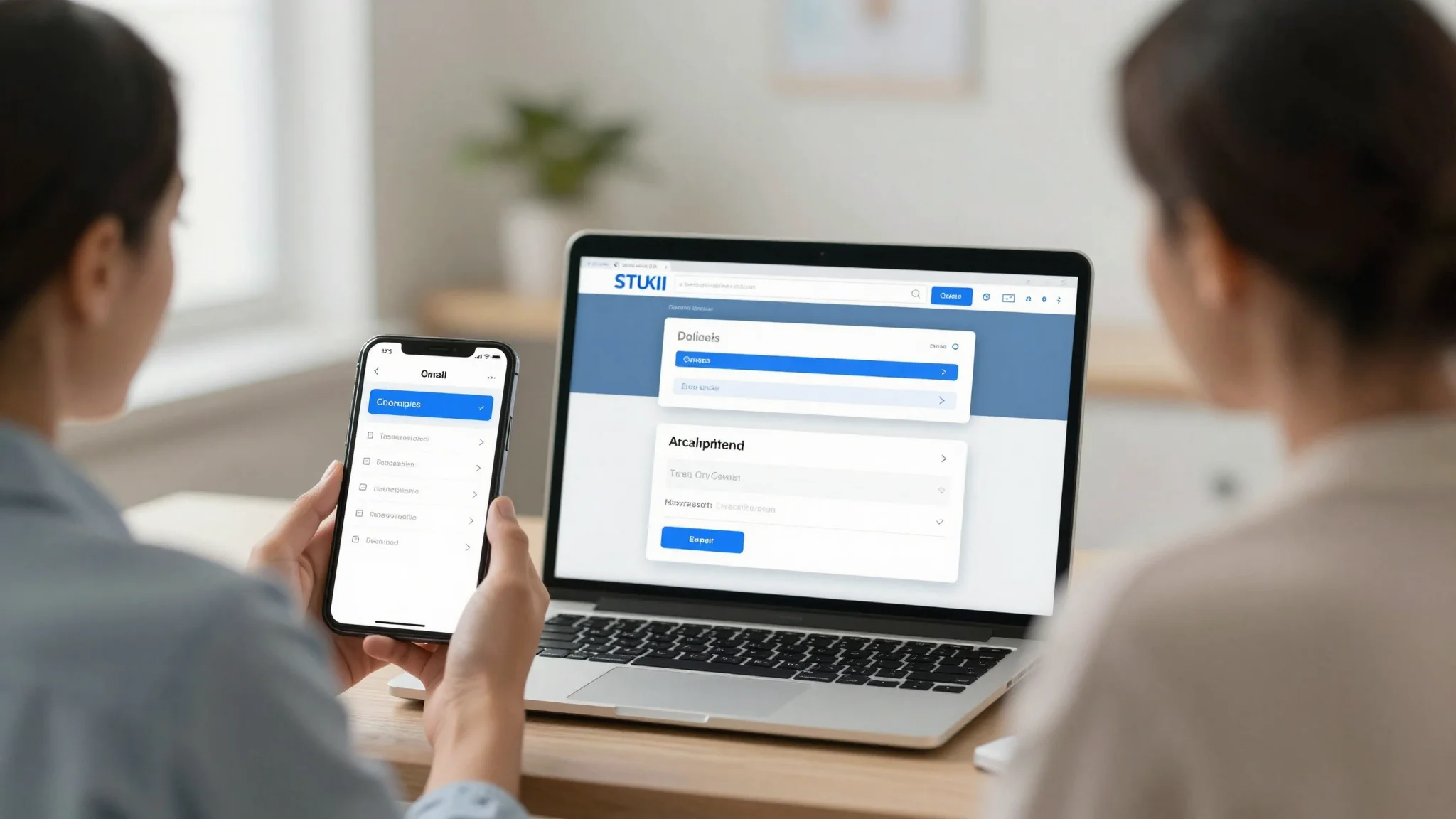
Awareness —patient becomes aware of digital health options
Understanding —patient learns about healthcare services
Participation —engaging with digital tools and resources
Adherence —consistent involvement with care providers
Advocacy —patient promotes digital health experiences
Healthcare providers can target content and digital touchpoints to patients at each stage of engagement. This staged approach allows clinicians to nurture relationships, promote active participation, and transform satisfied patients into passionate advocates for the organization's digital health initiatives.
Building Trust and Transparency Through Digital Health Marketing
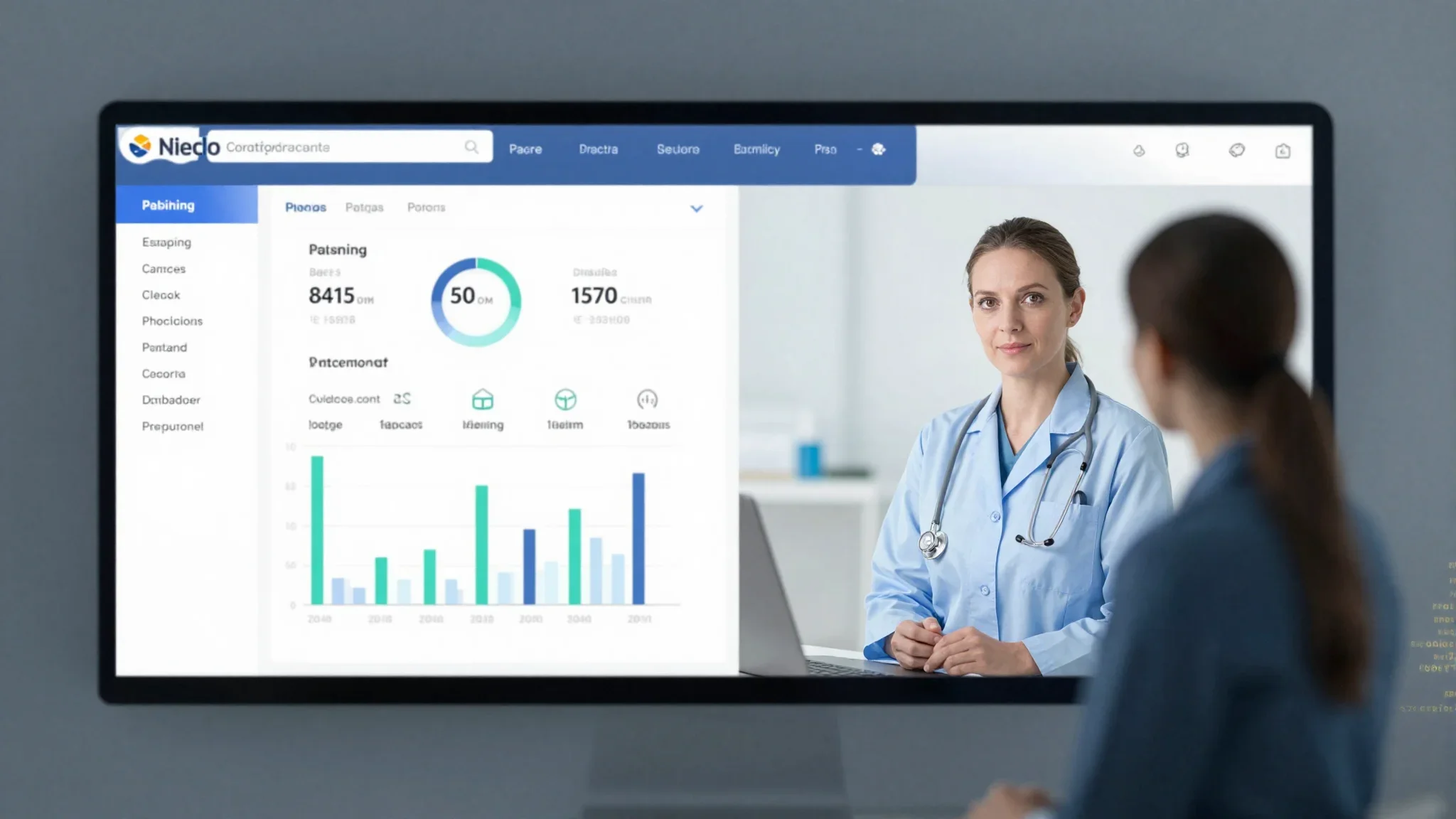
Trust and transparency are foundational to successful patient engagement through digital marketing. Patients need assurance that their health data is secure, their privacy respected, and their feedback genuinely valued. Healthcare organizations must hold themselves to the highest standards of ethical conduct, clearly communicating how digital tools support better health without sacrificing confidentiality or control.
Transparent marketing efforts—such as making privacy policies easily accessible and explaining how digital health tools work—build lasting patient loyalty. Empowering patients to control their digital data gives them the confidence to participate fully in their healthcare journey.
Engaging Patients Ethically: Key Considerations for Healthcare Providers
When connecting with patients through digital channels, healthcare providers must prioritize ethics alongside engagement. Ensuring HIPAA compliance and protecting patient privacy are foundational, while transparent communication about digital health initiatives builds trust and accountability.
Equally important is empowering patients to manage and control their own digital health data. By respecting privacy and offering clear guidance on data use, providers can foster stronger patient relationships while maintaining ethical standards in an increasingly digital healthcare landscape.

Overcoming Common Challenges in Patient Engagement Through Digital Marketing
Despite the many benefits, implementing effective digital patient engagement strategies isn't without challenges. Healthcare providers face barriers such as technology reluctance among certain patient populations, limited access to digital devices or internet, and ever-evolving regulatory requirements. It is imperative for healthcare marketers to develop solutions that address these hurdles and ensure equitable access for all care consumers.
Overcoming these obstacles involves a concerted effort—designing intuitive interfaces, providing multi-language support, and offering training for both staff and patients to use digital health platforms confidently. Healthcare organizations committed to accessibility demonstrate leadership and a true patient-first ethos.
Addressing Barriers to Patient Engagement
Healthcare providers often face challenges when encouraging patients to engage with digital services. Some patients may be reluctant to adopt new technologies, while others have limited access to digital health resources, creating gaps in care and communication.
Complex regulatory requirements in healthcare marketing can make it difficult to design effective outreach without risking noncompliance. Overcoming these barriers requires thoughtful strategies that combine patient education, accessible technology, and adherence to legal and ethical standards.
Solutions for Enhancing Accessibility and Inclusion
Improving patient engagement starts with making digital health tools easy to use. Designing user-friendly interfaces, providing multi-language support, and offering accessible content formats ensure that all patients can navigate care services effectively.
Equally important is offering training and ongoing support for both patients and care providers. These efforts empower everyone to confidently use digital platforms, fostering a more inclusive and accessible healthcare experience.

Standing Out: Emerging Trends in Digital Patient Engagement
Healthcare marketers are increasingly leveraging innovative digital strategies to engage patients more effectively. AI-powered health assistants provide personalized care, telehealth and remote monitoring expand access, gamified health education boosts participation, and interactive video content uses real-time feedback to deepen engagement.
By embracing these trends, marketers can create meaningful, data-driven interactions that resonate with patients. Combining advanced analytics, machine learning, and creative content formats ensures healthcare services remain relevant, responsive, and impactful well into the future.
Expert Insights: The Future of Patient Engagement
Healthcare leaders emphasize that digital engagement is no longer optional—it’s central to improving patient outcomes and satisfaction. Tailored healthcare marketing through digital platforms is redefining how providers connect with patients, while engaging patients digitally has become imperative for achieving better outcomes and higher satisfaction. These insights highlight the growing importance of integrating innovative digital strategies into everyday patient care.
To turn these insights into action, healthcare organizations can follow a practical checklist: evaluate current digital marketing presence and patient satisfaction data, integrate new engagement tools, train providers in best practices, and continuously monitor analytics to refine efforts. Remember, successful patient engagement relies on leveraging technology to foster meaningful interactions, continually adapting strategies based on data, and maintaining full compliance with healthcare regulations. This combined approach ensures lasting retention and a more connected patient experience.
Top Frequently Asked Questions on Patient Engagement Through Digital Marketing
How can care providers measure the ROI of digital health strategies?
By tracking KPIs like patient portal usage, campaign engagement, appointment adherence, and patient satisfaction surveys, providers can evaluate the effectiveness and financial impact of their digital health marketing efforts.
What are the most effective digital tools for engaging patients?
Patient portals, mobile health apps, and social media management platforms are among the top tools for fostering active patient participation and boosting satisfaction.
How does social media complement patient engagement goals?
Social media enables real-time communication, community building, and educational outreach, making it a powerful extension of patient engagement strategies.
Are data privacy and security guaranteed in digital health platforms?
Reputable digital health platforms adhere to strict privacy protocols and regulations such as HIPAA. Still, it’s important for healthcare organizations to regularly review and update security measures to protect patient information.
Healthcare marketing thought leaders recommend keeping digital efforts flexible, patient-centric, and compliant with regulatory standards. Video tutorials, webinars, and expert interviews provide invaluable guidance for optimizing digital health outreach.

Ready to Transform Your Healthcare Marketing?
Take the first step toward elevating your patient engagement strategy today by adopting cutting-edge digital health tools, personalizing every touchpoint, and creating an experience patients want to return to. Explore advanced engagement techniques, refine your approach with data-driven insights, and stay ahead of industry trends to maximize patient satisfaction and retention. Visit Banida Digital’s website or contact us to schedule a free consultation and discover actionable strategies that will help your healthcare organization connect more meaningfully with patients and unlock new opportunities for growth.




Write A Comment