

Add Row
Add Element
banida digital marketing agency logo
update

Banida digital

update
Add Element
  • Home
  • Contact Us
  • All Posts
  • Social Media
  • 5-Star Reputation
  • SEO
  • Traffic
  • Funnels
  • Blogging
  • Advertising
  • Website
October 22.2025
11 Minutes Read

Stop Missing Out: Healthcare Digital Marketing That Works


dynamic collage of healthcare digital marketing elements with doctors and marketing charts in stylized clinic

Did you know that 77% of patients search online before booking a healthcare appointment? In today’s rapidly changing world, your practice’s success relies on more than top-notch care—it hinges on your digital presence. Whether you're a small clinic or a large health system, ignoring healthcare digital marketing means forfeiting opportunities to connect, engage, and build trust with the very patients you hope to serve.

This comprehensive guide delivers actionable marketing strategies customized for healthcare providers, empowering you to stand out in a crowded healthcare market, drive new patient acquisition, and maximize retention—all while ensuring HIPAA compliance and ethical practices. Let’s unlock the digital playbook your health system, clinic, or practice can’t afford to overlook!

Why Your Practice Can’t Ignore Healthcare Digital Marketing Anymore

The healthcare market is shifting quickly, and patients now take a very different path before choosing a provider. Most will turn to search engines, social media, and online reviews long before they ever call your office. Digital marketing is no longer optional—it’s become a vital way to build trust, strengthen patient relationships, and ensure your practice stays visible in a competitive landscape. Whether you manage a family practice, a specialty clinic, or a large health system, online channels provide a direct connection to patients at every step of their healthcare journey.

Overlooking these opportunities can leave your organization falling behind competitors who are already engaging patients where they spend their time—online and on mobile. Strategies like SEO, email outreach, social campaigns, and targeted ads give you the ability to go beyond traditional marketing. They help spread your message with precision and provide clear data on what’s generating new patient leads. In today’s digital-first world, investing in healthcare marketing isn’t just smart—it’s essential for sustainable growth.


healthcare digital marketing provider team collaborating with data charts in a hospital office

Decoding Healthcare Digital Marketing: Key Concepts Every Healthcare Provider Should Know

At its core, healthcare digital marketing means using online techniques to attract, engage, and retain patients—while always considering industry-specific rules like HIPAA compliance. The primary goal is to make your healthcare organization visible and credible in a crowded healthcare market. It combines traditional digital marketing strategies, like search engine optimization and social media, with patient-centric care marketing tailored for medical practices.

Key elements include creating educational content that answers your patients’ questions, using personalized outreach like email marketing, launching targeted ad campaigns to reach specific demographics, and ensuring that every step respects patient privacy and regulatory requirements. By leveraging these digital channels, healthcare providers can quickly build trust, making themselves the easy choice for potential patients researching their next provider.

Comparison of Traditional vs. Healthcare Digital Marketing Strategies

Traditional Marketing

Healthcare Digital Marketing

Print Ads, Billboards

PPC, SEO, Social Ads

Outbound Calls

Email Marketing, Retargeting

Mass Targeting

Personalized, Patient-Centric Targeting


hospital administrator analyzing campaign performance with city hospital campus backdrop

The New Era of Care Marketing: Why Healthcare Market Leaders Invest in Digital

Forward-thinking healthcare systems know that sticking to old marketing tactics simply isn’t enough. As healthcare consumers become more tech-savvy, industry leaders are turning to digital marketing not just to survive, but to thrive. Why? Because digital marketing brings speed, agility, and measurable reach—helping your hospital, clinic, or medical practice get ahead in a fiercely competitive healthcare market.

Digital-first care marketing approaches mean that health systems can target highly specific demographics, track campaign outcomes in real time, and adjust marketing strategies for maximum effect. This level of flexibility isn’t possible with print ads or phone calls. It’s why leading healthcare providers invest heavily in social media, paid advertising, and content-rich websites to build lasting connections with their patient communities.

Digital Marketing for Healthcare Providers: Meeting the Needs of Modern Healthcare Consumers

Modern healthcare consumers expect seamless, informative, and personalized digital experiences. They want answers to their health questions with a quick search, reliable booking options at their fingertips, and opportunities for feedback and engagement on social media. Healthcare providers who leverage these new marketing tactics can increase their accessibility, enhance patient engagement, and foster a reputation as a trusted community resource.

By adopting digital channels suited to today’s healthcare market, providers ensure their message reaches the right audience, at the right time, on the right platform. Effective digital marketing not only makes information more accessible but also reassures patients that your organization is forward-looking and responsive to their needs. This is what distinguishes true healthcare market leaders from everyone else.

Healthcare Digital Marketing and Patient Decision-Making: How Visibility Equals Trust

In the process of choosing a provider, potential patients often associate digital visibility with trustworthiness. A medical practice that ranks high in search engines, publishes expert blogs, and interacts with patients via social media is far more likely to convert browsers into bookings. Transparency through digital marketing—like publishing reviews and posting authentic content—helps build trust early and keeps you top of mind during important health decisions.

Effective digital marketing campaigns in healthcare showcase expertise, clarify services, and invite engagement, making it easier for healthcare marketers to earn loyalty and positive word-of-mouth. This approach fosters lasting relationships that typical advertising cannot compete with, underscoring the critical importance of cultivating a digital presence across multiple channels.


digital healthcare marketing roadmap showing SEO and content strategy board in futuristic meeting

The Core Pillars of an Effective Healthcare Digital Marketing Strategy

Every winning healthcare digital marketing strategy is founded on a few critical pillars: HIPAA compliance, content marketing, SEO, and paid advertising. Each works together to ensure your message reaches and resonates with the right patients, at the right point in their healthcare journey. These pillars also support patient engagement, helping transform interest into loyal, long-term relationships.

Healthcare marketers must ensure every campaign aligns not just with marketing goals but also with the strict ethical and privacy standards governing the healthcare industry. Through coordinated digital efforts across teams, you can consistently nurture awareness, build trust, and drive meaningful action.

Building a HIPAA-Compliant Digital Marketing Plan for Healthcare Markets

HIPAA compliance is mandatory for any healthcare digital marketing campaign. Patient privacy and data security must be woven into every promotional channel, whether it’s a website signup form, retargeting ad, or email marketing communication. For healthcare organizations, this means working closely with a marketing agency or internal team that understands the unique requirements of the healthcare industry.

Avoid sharing any protected health information (PHI) in marketing content, use secure platforms for data processing, and regularly audit digital assets for vulnerabilities. HIPAA compliance also requires clear internal processes, staff training, and documented consent for any patient testimonials or campaigns involving personal details. Prioritizing these standards protects both your practice and your patients—building the long-term trust you need to thrive in the healthcare market.

Leveraging Content Marketing to Educate and Acquire Healthcare Consumers

Content marketing stands at the heart of medical practice success online. Publishing educational articles, FAQs, guides, and explainer videos offers real value to healthcare consumers—and search engines love content that addresses patient questions. Well-crafted, SEO-friendly content can help you rank for local and specialty-specific keywords, increasing your visibility to patients actively seeking care.

Healthcare marketers should focus on relevant topics such as preventive care tips, explanations of medical conditions, treatment processes, and resources for wellness management. Not only does this provide educational value to potential patients, but it also positions your practice as an authority in the healthcare market. Interactive content formats, like webinars and Q&As, further boost engagement and drive patients to connect with your services.

SEO for Healthcare Digital Marketing: Making Your Medical Practice Discoverable

Search engine optimization (SEO) is important for any healthcare provider aiming to stand out online. Optimizing your website for location-based and specialty-specific keywords ensures that potential patients find your services first. Key tactics include refining title tags, creating detailed doctor and service pages, leveraging schema markup for better search visibility, and acquiring credible backlinks from healthcare industry sites.

Local SEO strategies, like optimizing your Google My Business profile and featuring patient reviews, can dramatically boost your rankings for “near me” searches. Remember, most healthcare consumers don’t look beyond the first page of search engine results, so being visible is key to capturing new leads and outpacing competitors in your local market.

Paid Ads & PPC: Accelerate Growth in the Healthcare Market

While SEO builds trusted organic reach over time, strategic use of paid advertisements can yield rapid results for ambitious clinics and hospitals. Through pay-per-click (PPC) and display ad campaigns, healthcare marketers can target specific patient demographics, procedure searches, or local geographic areas—driving immediate website traffic and new appointments.

Effective PPC in healthcare digital marketing goes beyond simply buying ads. You’ll need carefully crafted landing pages, strong calls-to-action, and ongoing data analysis to track ROI and optimize spend. For regulated markets, it’s essential that ad copy meets HIPAA and search engine guidelines to avoid costly compliance errors or ad rejections.


empathetic healthcare provider creating educational content on tablet in medical office

Social Media and Email Marketing: Driving Engagement for Healthcare Digital Marketers

Social media has become an essential platform for healthcare providers aiming to boost patient engagement and build community awareness. By sharing patient stories, educational videos, office updates, and health tips, your organization creates a relatable brand—and patients love brands they can interact with directly. Successful healthcare marketing on platforms like Facebook, Instagram, and LinkedIn cultivates a sense of trust, helping prospective patients choose your organization with confidence.

Effective social media strategies rely on choosing the right channels for your audience, maintaining consistent messaging, and using analytics tools to track engagement metrics. Features like Facebook Live Q&As or Instagram Stories offer opportunities for real-time interaction, while reputation management tools help monitor and respond to reviews—factors that modern healthcare consumers now expect.

Email Marketing in Healthcare Digital Campaigns: Personalized Communication That Converts

Email marketing is one of the most cost-effective digital marketing strategies for healthcare marketers. With patient permission, you can send targeted reminders about annual check-ups, vaccination drives, wellness education, or new services—directly to their inbox. What makes email marketing so powerful in the healthcare industry is the potential for highly personalized, HIPAA-compliant communication that deepens patient-provider relationships.

Segmentation tools allow healthcare marketing agencies to tailor messages based on patient demographics, appointment history, and preferences. This level of personalization boosts open rates, increases engagement, and directly supports your patient retention goals. Automation features save staff time and ensure that no opportunity for patient engagement is missed.

Patient Engagement: Tactics for Healthcare Marketing Agencies to Foster Loyalty

Building and sustaining patient engagement is vital for every healthcare provider. Marketing agencies recommend implementing tactics such as SMS appointment reminders, interactive health challenges, telemedicine support via apps, and regular feedback surveys. When healthcare organizations prioritize engagement, patients become more invested in their health and more likely to return for future care.

Strong patient engagement also generates more positive online reviews, which in turn fuel your healthcare digital marketing success. Engaged patients share their experiences, become advocates for your brand, and help healthcare marketers maintain a pipeline of referrals, amplifying the long-term impact of every marketing campaign.


healthcare administrator reviewing marketing agency profiles with comparison charts in office

Choosing a Healthcare Digital Marketing Agency: What Healthcare Systems Should Look For

Selecting the right marketing agency is a pivotal decision for healthcare organizations. Look for teams who specialize in healthcare, demonstrate proven success in regulated environments, and can provide case studies of measurable patient acquisition and retention. Ask for specifics about how their campaigns comply with HIPAA, how they handle analytics, and whether they’re able to pivot quickly with shifting healthcare market trends.

A good agency isn’t just a vendor—they’re a long-term partner invested in your mission, your community, and your growth. Review their portfolio, request references, and look for transparency in reporting. The best agencies will have a deep understanding of not only marketing strategy, but also healthcare consumer psychology and compliance requirements.


motivated healthcare marketing team managing campaigns in tech-savvy office

Emerging Healthcare Digital Marketing Trends in 2025 and Beyond

The future of healthcare digital marketing is intelligent, immersive, and highly patient-centric. Innovations like AI-driven chatbots, advanced audience segmentation, and video-first storytelling will continue to shape the industry. Voice-enabled search, in particular, is altering how potential patients discover and connect with providers. Healthcare organizations who stay ahead of these trends will consistently outperform their competition.

Embracing new marketing tactics—such as real-time interactive health platforms and robust online review management—allows providers to respond quickly to evolving expectations. As healthcare marketers learn from data analytics and consumer feedback, marketing strategies will become even more personalized and effective, transforming the way care marketing is delivered for years to come.


healthcare marketer crafting personalized email campaigns at desktop with healthcare icons

Top 10 Healthcare Digital Marketing Strategies Every Healthcare Provider Needs Now

  1. Build an SEO-optimized healthcare website

  2. Run targeted PPC campaigns for medical practice visibility

  3. Create helpful, patient-focused content

  4. Leverage email marketing for appointment reminders

  5. Launch social media awareness campaigns

  6. Collect and feature patient testimonials and stories

  7. Use video explainers for complex procedures

  8. Optimize for local healthcare market searches

  9. Ensure mobile-friendly experiences

  10. Invest in patient engagement tools

Each of these marketing strategies helps healthcare providers connect with the right audiences efficiently and meaningfully. From crafting SEO-rich websites to leveraging patient testimonials and interactive videos, every tactic contributes to better visibility, deeper patient engagement, and, practice growth. By focusing on these high-impact approaches, even small clinics can compete with larger health systems in today’s digital-driven healthcare market.


 happy, focused and analytical expression on a professional healthcare marketer’s face, interacting with futuristic holographic data visualizations

Measuring Healthcare Digital Marketing Success: Tracking Analytics and KPIs

Key Healthcare Digital Marketing KPIs

Metric

Why It Matters

New Patient Leads

Indicates campaign effectiveness

Website Conversions

Shows if digital marketing is driving actions

Patient Retention Rate

Measures loyalty and engagement

Success in healthcare digital marketing is measurable—and should be! By tracking new patient leads, website conversions, and patient retention rates, healthcare marketers can fine-tune campaigns for even better ROI. Data-driven decision-making allows you to experiment, adapt quickly, and demonstrate value to stakeholders across your healthcare organization.

Consider regular reporting dashboards, analytics tools, and periodic reviews with your marketing agency to ensure KPIs remain aligned with your growth goals. The most successful healthcare marketers are those who continually learn from the data and optimize their marketing strategies for the evolving healthcare market.
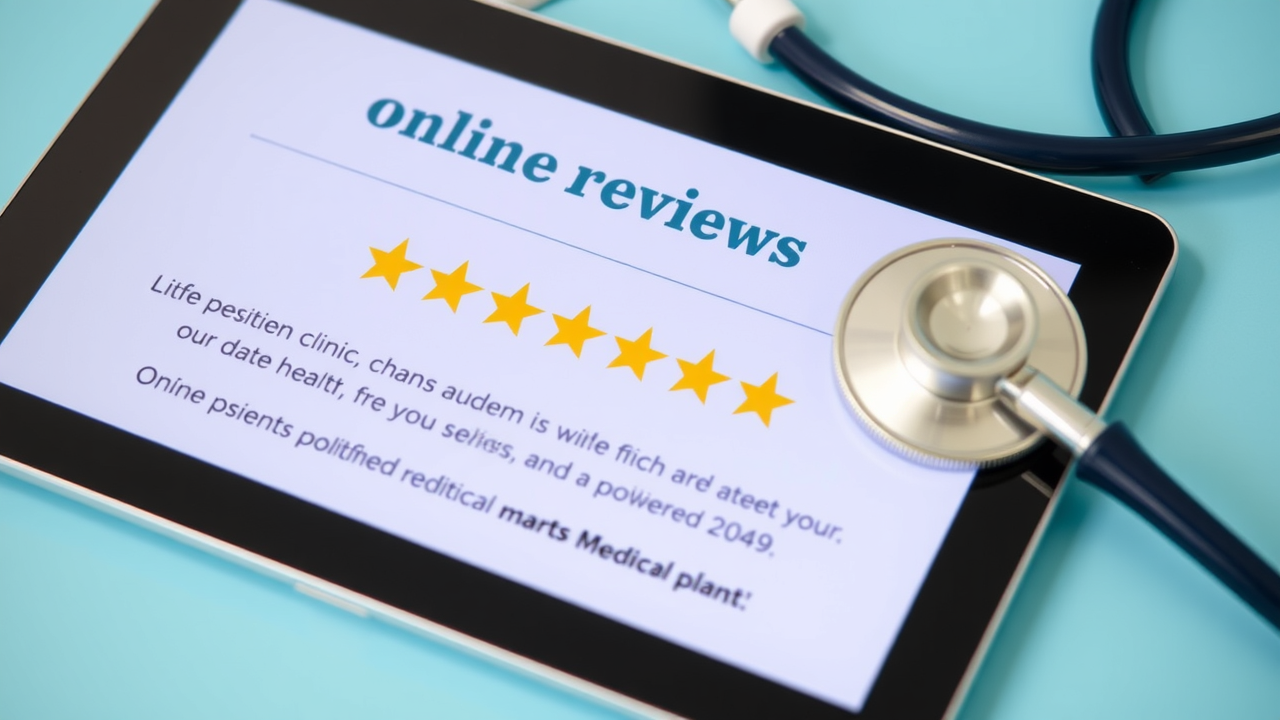

Close-up of a tablet displaying positive online reviews for a medical clinic, with a stethoscope nearby to represent healthcare.

Why Healthcare Digital Marketing is Non-Negotiable

The healthcare landscape has shifted, and patients now rely on digital touchpoints—search engines, social media, reviews, and mobile platforms—long before they set foot in a clinic. This means that your success as a healthcare provider depends just as much on your online presence as it does on the quality of care you deliver in person. By embracing digital marketing strategies like SEO, social campaigns, email outreach, and reputation management, providers can meet patients where they are, build credibility, and create the trust that leads to stronger patient relationships.

Sustainable growth in healthcare isn’t about following trends—it’s about staying accessible, transparent, and relevant in a digital-first world. Every element of healthcare digital marketing, from content creation to patient engagement tools, plays a role in shaping patient decisions and loyalty. By taking a proactive approach and tracking key performance metrics, your organization can not only attract new patients but also retain them for the long term. The time to act is now—because in today’s market, visibility equals trust, and trust fuels growth.
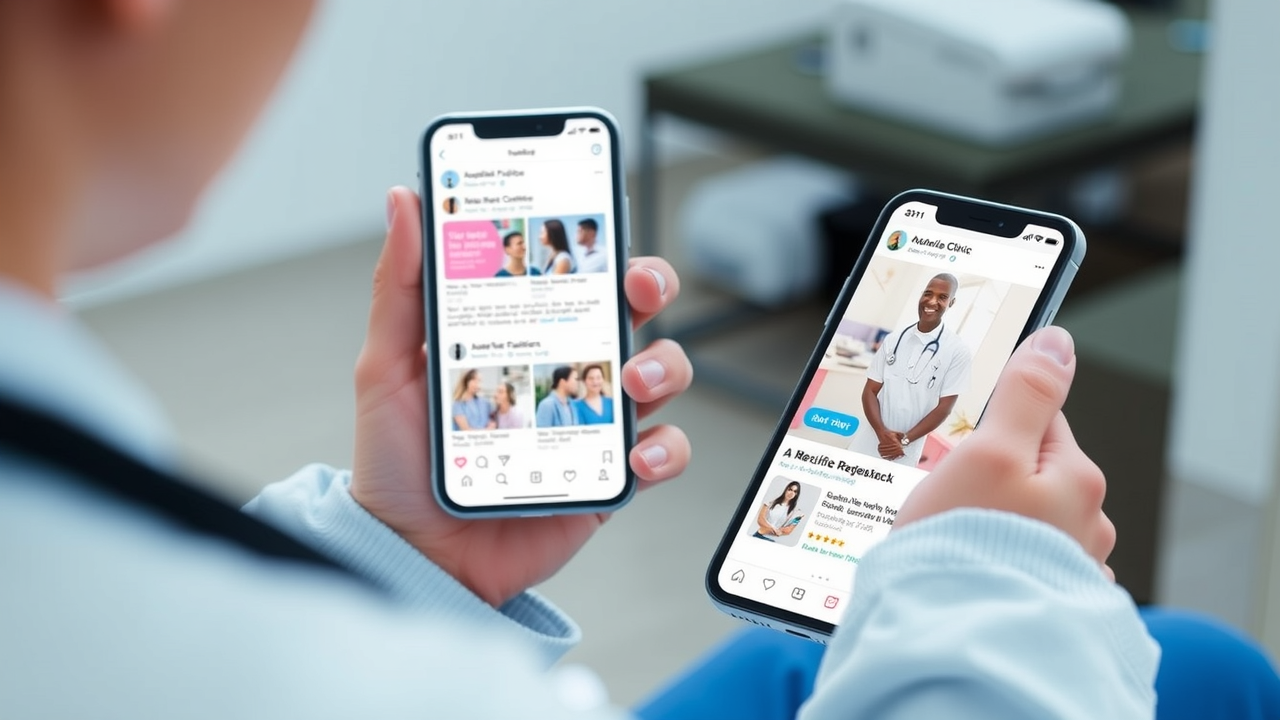

Healthcare professional scrolling through social media on a smartphone, with patient feedback and clinic ads visible on screen.

Frequently Asked Questions about Healthcare Digital Marketing

Is healthcare digital marketing worth the investment?

Yes! The data proves that targeted digital marketing attracts more patients, improves engagement, and provides a clear ROI—especially when compared to traditional marketing campaigns.

How do I choose the right marketing agency?

Prioritize firms with proven healthcare expertise, HIPAA-compliance experience, strong analytics capabilities, and a transparent approach to reporting and collaboration.

What tools help protect patient data online?

Use HIPAA-compliant platforms for emails, forms, and communication. Always vet vendors for robust encryption, secure access controls, and ongoing security audits.

Can social media marketing be HIPAA-compliant?

Absolutely. By avoiding sharing PHI, using proper consent for testimonials, and regularly training staff, social media campaigns can remain compliant and effective.

What content attracts new healthcare consumers?

Educational blogs, patient stories, video explainers, and FAQs attract the most attention and help build trust with healthcare consumers across digital platforms.


Modern hospital front entrance with digital signage promoting patient services and brand messaging.

Transform Your Healthcare Digital Marketing with Expert Help

Ready to take your healthcare marketing to the next level? Discover advanced strategies and proven frameworks that empower your practice to thrive in a competitive landscape. By blending foundational tactics with innovative approaches, you’ll build a sustainable marketing engine that adapts to industry shifts, strengthens patient trust, and drives long-term growth.



Boost Your Healthcare Marketing Now


Advertising

Write A Comment

*
*
Related Posts All Posts
01.12.2026

Maximize ROI with Social Media Advertising for Clinics

Before a patient ever calls your office, chances are they’ve already checked your social media. With more than 70% of healthcare consumers using social platforms to research providers, your online presence now plays a critical role in building trust and driving appointments. If your clinic’s social media efforts aren’t generating credibility or measurable results, you may be missing valuable opportunities to grow.In this guide, we break down what truly works in social media advertising for clinics—cutting through the hype to show you practical strategies that deliver real, lasting impact.Why Social Media Advertising for Clinics Is No Longer OptionalPatients are no longer just flipping through phone books or waiting for referrals. They’re judging your clinic’s credibility, warmth, and professionalism on your social media platforms—often before ever calling or clicking “book now.” In today’s healthcare industry, social media advertising for clinics isn’t about chasing likes; it’s about building trust, visibility, and genuine relationships that translate to scheduled appointments and repeat business.Local SEO and digital reputation go hand in hand—an engaging media presence can boost your visibility in search and set you apart from the competition. Patients remember clinics that show authentic stories, responsive customer service, and useful health information—not just ads for the latest flu shot. In short: show up online, or get left behind by savvier practices.What’s at Stake for Your Clinic with Social Media Advertising?When patients search for care, first impressions are digital. A weak or outdated profile means missed opportunities—even if you’re an exceptional care professional. Conversely, positive social media posts, up-to-date bios, and authentic team introductions help turn online searches into real-life appointments. Your online presence forms the backbone of your brand awareness and can drastically affect both new patient acquisition and retention rates. Remember: today’s post can shape tomorrow’s reviews and referrals.Failing to invest in media marketing often leads to a gap that competitors will quickly fill. Over time, this can snowball into fewer patient inquiries, lower engagement, and a reputation that doesn’t do your care justice. Staying present, professional, and proactive on social media platforms ensures you’re not just seen, but chosen and recommended.Common Pitfalls Clinics Face on Social Media PlatformsIt’s easy to fall into traps like “posting for the sake of posting” or assigning marketing to a busy team member without specialized training. Skipping platform-specific compliance rules, using generic media content, or ignoring analytics leads to wasted effort and potential privacy violations. Many clinics focus on follower counts rather than patient engagement or actionable leads—resulting in minimal ROI and burnt-out staff.Pro tip: Consistency and compliance > frequency and flash.Another common mistake? Overlooking negative or unanswered reviews. Patients trust recent feedback and transparent responses, so ignoring social signals can damage hard-earned trust. Avoid these pitfalls by aligning your efforts with clear goals, compliance checklists, and real-time feedback.Understanding the Social Media Marketing Landscape for ClinicsWhat Is Social Media Advertising for Clinics?In plain English, social media advertising for clinics is the intentional use of social platforms like Facebook, Instagram, and LinkedIn to reach, educate, and acquire patients. It’s not just about running paid ads; it’s about developing a proactive strategy that balances promotional content with value-driven engagement. This means sharing real team member introductions, answering common patient questions, and using targeted media posts to reach your target audience.A well-run campaign blends educational content (think health tips, myth-busting posts) with timely reminders (flu shots, open enrollment) and real patient stories (always compliant). The result? A steady stream of new inquiries, stronger loyalty, and measurable business growth.Social Media Platforms: Which Matter for Healthcare Practices?Choosing the right media platform depends on both your patient demographics and practice goals. Here’s the short version: Facebook dominates for local awareness and patient-facing communication, with tools for targeted advertising and direct messaging. Instagram works for visual storytelling—showcasing your clinic’s space, celebrating staff, and sharing patient success stories (with consent). LinkedIn is ideal for building relationships with other care professionals, especially for specialty clinics or referral-driven practices.“Popular social” channels like TikTok or Twitter may suit niche specialties or larger systems but don’t deliver consistent, HIPAA-compliant results for small practices. Focus your limited time on platforms where your patients already spend their time—use your analytics to find out where appointment requests and questions actually originate.How Patients Use Social Media to Choose Care ProfessionalsModern healthcare consumers treat social media platforms like search engines for vetting providers. They’ll scan your feed for signs of professionalism, values, and real stories—not just medical credentials. Care professionals who openly engage, answer basic patient care questions, and humanize their staff build rapid trust. At the same time, a neglected profile or old promotions signals that the clinic may not be attentive or up-to-date.Patients are also influenced by reviews, direct responses to comments, and “behind-the-scenes” looks at how your clinic operates. Sharing HIPAA-compliant patient testimonials and up-to-date health information helps build an emotional connection, setting your clinic apart in a competitive landscape—long before a patient makes that first call.Key Trends in Social Media Marketing and Medical ClinicsRecent years have seen a shift from “more posts” to “more meaningful engagement.” Successful clinics are investing in short video explainers, patient Q&A sessions, and real-time updates—focusing on transparency and education over high-pressure pitches. HIPAA compliance, authenticity, and reputation management now take precedence over viral trends.Integration of appointment booking, automated chat, and referral tracking within social media platforms is streamlining patient acquisition. Meanwhile, algorithms increasingly reward genuine interaction and professional transparency, not volume. The bottom line: media presence is about trust, not just traffic.Building a Strong Foundation for Social Media Advertising for ClinicsSet Clear Goals: Patient Acquisition Versus Reputation BuildingBefore diving into campaign creation, clarify whether you’re aiming to fill appointment slots (patient acquisition) or enhance patient care perception and trust (reputation building). Many clinics need both—but your tactics and content will shift based on your main focus. Tracking new appointment inquiries is a different metric than tracking public sentiment or review scores.Start with SMART goals: Specific, Measurable, Achievable, Relevant, and Time-bound. Whether it’s booking 20 new patients each month or increasing your average review score by 1 point, these benchmarks shape every decision, from ad design to follow-up.Know Your Audience: Patient Personas and Public Health NeedsEffective social media marketing starts with clear patient personas—detailed profiles of your typical (and ideal) patients, including age, concerns, digital habits, and public health needs. Consider seasonal trends (e.g., flu season, allergy spikes), local language differences, or common barriers to care in your area. Tailor media posts and campaigns to solve these pain points, using words and imagery that resonate with your community.Understanding your audience also enables responsive, relevant content. A “meet the provider” spotlight can calm nerves for a first-time pediatric patient, while a live Q&A can earn trust among skeptical adults seeking chronic care. Grounding your approach in patient realities makes every media post more valuable and actionable.Compliance: Navigating HIPAA and Local Regulations in Social Media MarketingCompliance is non-negotiable: All content must protect patient privacy, avoid revealing PHI (Protected Health Information), and respect individual consent for stories or photos. Even sharing a vague anecdote can run afoul of HIPAA if not thoroughly anonymized. Ensure you have written permissions for any patient testimonial or image—even if only first names or silhouettes are used.Establish clear protocols: Only use approved language for responding to comments; set privacy settings to restrict direct messaging as needed; and train your team members to recognize risky scenarios. Regularly audit your page and long-standing posts for compliance, especially if staffing or platform algorithms change.Example Social Media Advertising Compliance Checklist:RequirementWhat to CheckPHI RedactionNo patient data shown or impliedConsent for Stories/ImagesWritten permission obtainedPlatform Privacy SettingsUp-to-date and appropriateResponse ProtocolsFollows practice-approved templatesStep-By-Step: Launching a Social Media Advertising Campaign for ClinicsStep 1: Choose the Right Social Media Platform for Your AudienceFacebook: Local/demographic reach—great for event posts, reviews, and appointment prompts.Instagram: Visual storytelling for healthcare services—showcase spaces, staff, and human side of care.LinkedIn: Professional reputation-building among care professionals and potential referral sources.Start where your analytics show engagement and inquiries—not where “everyone” says you should post. For most clinics, Facebook and Instagram offer the fastest paths to measurable results and are easier to manage with limited staff or time.Step 2: Define Key Performance Indicators (KPIs) for Social Media Advertising for ClinicsAppointment inquiries: Are potential patients moving from posts to calls or direct messages?Website visits from social media posts: Use trackable links (UTM codes) to monitor what’s working.Patient review/recommendation rates: Watch review sites for post-campaign feedback and satisfaction trends.Don’t just measure clicks or “likes.” The real ROI is in appointments booked and recommendations received. Integrate your CRM or patient management system with your social activity for accurate tracking.Step 3: Budget Planning and Ad Spend Optimization for ClinicsSet an initial budget based on your high-priority goals—start small, then allocate more as you see engagement and ROI. Most clinics find that even $100–$200/month can drive measurable increases in reach and appointments, especially when ads are geographically targeted and paired with authentic content. Avoid the temptation to boost every post; instead, invest in high-ROI campaigns like seasonal service promos or community events.Periodically review cost per lead or appointment. If your social investments aren’t generating calls or reviews, adjust your targeting, creative, and posting schedule, or shift platforms altogether. The most efficient budgets reward quality content and clear calls-to-action, not broadcast “noise.”Step 4: Creative Assets and Messaging Tips for Social Media PlatformsEffective social media content in healthcare depends on clarity, authenticity, and compliance. Whenever possible, use real photos of your staff rather than stock images, as familiar faces help humanize your practice and build trust—always obtain explicit consent before publishing. Patient testimonials can also be powerful, but they must be fully HIPAA-compliant and shared only with documented permission. Short video explainers are especially effective for answering common questions, introducing procedures, or addressing frequent concerns in a clear, approachable way.Visual authenticity plays a major role in credibility. Featuring diverse team members, real clinic spaces, and straightforward messaging makes your content feel relatable and trustworthy. Short-form videos, such as reels or clips addressing common myths or quick health tips, tend to perform well across platforms. Use plain, accessible language and inclusive representation to ensure your message resonates with a wide audience, rather than relying on overly polished or corporate-style visuals that can feel impersonal.Quick Wins for Immediate Improvement in Social Media Advertising for ClinicsSmall, strategic updates can quickly improve the effectiveness of your clinic’s social media advertising. Start by reviewing and updating bios, contact details, office hours, and links across all platforms to ensure patients can easily find accurate information. Incomplete or outdated profiles create friction and can discourage potential patients from taking the next step. Consistency across Facebook, Instagram, and LinkedIn reinforces credibility and supports better visibility in search and platform algorithms.Engagement-focused content can also deliver fast results. Featuring a recurring “Patient Question of the Week” in posts or stories allows you to showcase expertise while addressing common concerns patients already have, reducing repetitive phone inquiries. To maintain visibility without adding daily pressure on staff, use scheduling tools to plan posts in advance. Consistent posting—even during busy periods or staffing changes—helps keep your clinic top of mind and signals reliability to both current and prospective patients.Long-Term Strategies for Growing Your Clinic with Social Media AdvertisingBuilding Reputation and Trust on Social MediaTrust is the currency of the healthcare industry. Share regular updates from your care professionals—accomplishments, community outreach, and human-interest stories (always respecting privacy). Respond to reviews and direct messages promptly, and showcase how you handle feedback, both positive and negative. Over time, a responsive and transparent media presence boosts confidence, leading to more referrals and repeat business.Pro tip: Trust is won through small daily actions, shared visually and sincerely. Nothing builds loyalty faster than showing you care about more than just numbers.Content Strategy for Healthcare Industry: Educate, Engage, EmpowerAn effective healthcare content strategy balances education with human connection. Myth-busting posts related to your specialty help correct misinformation and position your clinic as a trusted source, while also answering questions patients may be hesitant to ask in person. Featuring care professionals through “Meet the Doctor” or “Behind the Scenes” content builds familiarity and reassurance, helping patients feel more comfortable before their first visit. These formats turn complex medical topics into approachable, patient-friendly information.Sharing patient care stories—only after proper compliance reviews and consent—adds credibility and emotional resonance to your messaging. Educational posts such as seasonal health tips, preventive care reminders, or condition-specific guidance empower patients to make informed decisions about their health. When combined with authentic team spotlights and compliant storytelling, this approach drives higher engagement, strengthens patient relationships, and encourages referrals that extend well beyond your immediate audience.Patient Care and Experience as Social ProofToday’s patients crave authentic, relatable stories. Sharing anonymized or consented testimonials, thank-you notes, and before-and-after narratives provide “invisible” referrals. The more you show (not just tell) how your clinic prioritizes patient care, the more likely prospective patients are to trust your services for themselves or loved ones.Highlighting outstanding customer service and celebrating real “success stories” creates a flywheel of social proof, boosting your reputation both online and in your community. Remember, each positive review or story is worth dozens of generic posts.Measuring ROI: What Counts in Social Media Advertising for ClinicsTracking Metrics: Beyond Likes and FollowsMeasuring success in healthcare social media marketing requires looking past surface-level engagement and focusing on outcomes that reflect real patient behavior. Key indicators include direct appointment bookings generated from social media posts, referral source data captured in your CRM, and cost per qualified lead or new patient. These metrics show whether your content is not only being seen, but also motivating patients to take meaningful next steps.While reach and follower counts can indicate visibility, they don’t reveal true return on investment. Practices should use dedicated landing pages, booking links, or phone numbers tied to specific campaigns to clearly track conversions. Tagging how patients discovered your practice helps identify which platforms drive the most value. Reviewing these results monthly allows you to refine your strategy—often, the most effective content isn’t the most polished, but the post that clearly addresses a patient’s most pressing concern.Adapting to Results: When to Pivot Your Social Media Marketing ApproachIf appointments plateau, engagement dips, or reviews grow stale, it’s time to pivot. Test new content types (short video, myth-busting posts), shift budgets to better-performing platforms, or simply re-engage your team member as a “social champion.”Always keep an eye on ROI, but don’t ignore qualitative feedback—ask patients where they heard about you and what caught their eye online. Small tweaks, like improved response time or more visual updates, often deliver outsized improvements in results.Sample ROI Tracking MatrixActivityMetricTargetFacebook AdAppointment requests10/weekInstagram PostEngagement Rate5%Patient Testimonial VideoShares50Common Myths and Mistakes in Social Media Advertising for ClinicsMisunderstandings about social media advertising can limit results or expose clinics to unnecessary risk. Addressing these myths early helps protect your reputation while improving campaign performance.“More posts mean more patients”Posting frequently doesn’t guarantee results. Patient growth comes from relevant, well-timed content that answers real questions and guides users toward booking care—not volume alone.“Any staff member can run ads without training”Social media advertising requires knowledge of platform tools, targeting options, and healthcare compliance rules. Without training, even well-meaning staff can make costly mistakes or miss optimization opportunities.“Compliance is just about not sharing photos”Compliance extends far beyond images. Ad copy, testimonials, targeting, disclosures, and data handling must all follow HIPAA, FTC, and platform-specific healthcare advertising guidelines.When clinics overlook these realities, they risk wasted ad spend, reduced trust, or regulatory issues. Quality strategy, proper training, and consistent oversight are essential for safe and effective social media advertising.Checklist: Getting Started with Social Media Advertising for ClinicsThis checklist helps ensure your clinic’s social media advertising efforts are organized, compliant, and aligned with measurable goals.Choose a social media platform matched to your target audienceIdentify where your patients spend time—Facebook for families, Instagram for younger adults, LinkedIn for professional services—to maximize relevance and engagement.Update all contact and profile informationAccurate hours, locations, phone numbers, and booking links reduce friction and prevent missed appointment opportunities.Clarify your goals (new patients, retention, reputation)Clear objectives guide campaign structure, messaging, and metrics—whether you’re focused on bookings, education, or brand trust.Plan two weeks of contentA short-term content plan ensures consistency and prevents rushed or off-brand posts, especially during busy clinic weeks.Assign someone to monitor comments and messagesTimely, appropriate responses improve patient experience while reducing the risk of unaddressed questions or compliance issues.Set up compliance guardrailsEstablish approval processes, disclosure rules, and content guidelines to protect patient privacy and meet advertising regulations.Track results weeklyRegular review of inquiries, bookings, and engagement helps identify what’s working and allows for quick adjustments before ad spend is wasted.Key Takeaways: Social Media Advertising for ClinicsSocial media advertising is no longer optional for clinics that want to remain competitive and visible in today’s healthcare landscape. Patients increasingly rely on digital platforms to research providers, evaluate trust, and decide where to seek care. Successful clinics focus their efforts on the platforms where their ideal patients already spend time, using targeted, educational content rather than chasing viral trends. Above all, compliance and patient trust must guide every campaign—credibility and privacy protection matter far more than short-term attention.Driving real return on investment requires balancing quick wins with a long-term strategy. Small improvements—such as interactive posts, clear calls to action, and consistent scheduling—help build momentum, while sustained campaigns reinforce credibility and awareness over time. Most importantly, clinics should measure success through meaningful outcomes, including appointment requests, patient feedback, and reputation growth, not just clicks or impressions. When tracked correctly, social media advertising becomes a reliable channel for patient acquisition and retention.Frequently Asked Questions for Social Media Advertising for ClinicsWhat types of social media content work best for clinics?Authentic staff spotlights, patient testimonials (with consent), myth-busting health tips, behind-the-scenes clips, and interactive Q&A stories help create trust and foster real patient relationships. Always keep consent, clarity, and compliance at the center of all content.How often should a clinic post on social media platforms?Consistency matters more than frequency. Aim for 2–4 high-quality posts per week on main platforms like Facebook and Instagram. Use scheduling tools to maintain regular updates—even if you’re short on time—so your clinic stays top-of-mind for patients.How can clinics measure ROI on social media advertising?Track metrics such as appointment requests, website visits from social media content, and new patient inquiries. Use tools like Facebook Insights or Google Analytics, and regularly review which campaigns generate real results your staff notices—bookings, reviews, or patient feedback.Are there special rules or guidelines for healthcare industry ads on social media?Yes. All advertising must follow HIPAA and local privacy laws, which prohibit sharing protected health information (PHI) without written consent. Use compliance checklists and train every team member who touches your accounts to avoid costly mistakes and safeguard patient trust.Do paid ads or organic posts get better results for clinics?A balanced approach works best: paid ads drive quick appointment inquiries, while ongoing organic posts build trust and long-term reputation. Prioritize quality and authenticity in both areas, and always monitor which generates the best ROI for your clinic’s unique needs.Your Next Steps in Social Media Advertising for ClinicsTake your clinic’s social media and digital marketing to the next level with Banida Digital. Start building trust, boosting engagement, and connecting authentically with patients today. Schedule your free consultation to discover proven strategies, learn from healthcare leaders’ successes, and implement campaigns that grow your reputation, attract the right patients, and position your practice as a trusted resource in your community. Visit Banida Digital now or contact us to get started.Launch Your Social Media Advertising Today

01.09.2026

Discover Healthcare Influencer Marketing Secrets Now

Did you know that 73% of patients are more likely to trust a healthcare provider recommended by an influencer? In today’s digital-first world, patient trust can make or break a practice, and relying on outdated marketing strategies puts both reputation and revenue at risk. This guide walks you through practical, proven healthcare influencer marketing tactics designed specifically for small practices, helping you connect authentically with patients while avoiding common missteps.The landscape of healthcare marketing is evolving fast. Platforms like Instagram, YouTube, and TikTok aren’t just for entertainment—they’re where patients are already seeking health advice. By understanding and implementing effective influencer strategies, your practice can gain more patient inquiries, boost its reputation, and strengthen online visibility, all while building meaningful connections with the community you serve.Why Healthcare Influencer Marketing Matters for Your PracticeHealthcare influencer marketing is increasingly critical because patients now behave like consumers, relying heavily on trusted recommendations when choosing providers. Studies show that 65% of adults trust peer endorsements over traditional advertisements, and nearly three-quarters look to healthcare influencers for guidance on providers. At the same time, search engines and social platforms prioritize credible, engaging content, making a strong online presence essential. By collaborating with respected digital opinion leaders, your practice can build credibility, reach the right audience, and attract new patients—all without the high costs associated with traditional marketing channels.Understanding Healthcare Influencer Marketing—And Why It Matters For Your Small PracticeDefining Healthcare Influencer Marketing for Small Medical PracticesHealthcare influencer marketing means collaborating with real people—clinicians, patient advocates, or specialized “micro-influencers”—who have built trust within specific communities on social media platforms. Unlike paid ads or generic brochures, influencer partnerships rely on authentic recommendations and credible health information. For small practices, the goal isn’t just more followers; it’s attracting patients who already trust your practice before they walk in the door.You don’t have to partner with celebrity doctors or big healthcare brands. Instead, start local: clinicians sharing everyday tips, wellness coaches who focus on prevention, or parent influencers who speak to pediatric care. Their content is often practical and easy to understand, addressing patient concerns such as new services, breast cancer screenings, or timely public health updates. The right influencer will deliver your message where patients are already searching for “real” advice, making healthcare feel approachable and accessible.Public Health, Reputation, and the Role of Trusted Influencer VoicesIn today’s health system, public health outcomes are increasingly shaped not only by clinical evidence, but by who delivers that information. Trusted opinion leaders—doctors, nurses, or well-informed patients—can powerfully amplify both best practices and urgent notices. When a healthcare influencer shares reputable resources or dispels myths, people listen. This ripple effect boosts your practice’s reputation and contributes to the larger public health conversation.Now, more than ever, consumers trust “digital opinion leaders” because they address real questions (“Is this vaccine safe?”) and bridge the gap between technical guidelines and patient-friendly explanations. Aligning your messaging with respected influencers means your voice rises above the noise, helping address potential risks—such as medical device recalls or outbreaks—in a way that feels reassuring and relevant. It’s about more than marketing; it’s patient advocacy at scale.How Social Media is Changing Patient Influence and Public Health OutcomesSocial media has radically shifted how patients find, evaluate, and choose providers. Instead of relying on ads or direct mailers, people turn to content creators and online reviews for firsthand perspectives. A real partnership with a healthcare influencer means patients are more likely to act on credible recommendations, whether seeking a second opinion, booking a screening, or following through on preventive care.By meeting patients where they are—on Facebook groups, LinkedIn, or TikTok—practices can make healthcare approachable and timely. Influencer content showcasing your values, team, or expertise generates meaningful engagement and invites patients into your healthcare brand’s story. For public health campaigns—think COVID-19 updates or wellness drives—trusted social media influencers help overcome skepticism by translating clinical advice into relatable actions. This “earned trust” is the new currency of healthcare marketing.Traditional Healthcare Marketing vs. Healthcare Influencer Marketing: Key DifferencesAspectTraditional Healthcare MarketingHealthcare Influencer MarketingPros / ConsApproachDirect ads, billboards, mailers, print mediaLeverages trusted opinion leaders on social media to share insights and recommendationsTraditional is highly controlled but often overlooked; influencers require compliance checks but foster engagementAudience ReachBroad, general audienceTargeted, niche audiences that match patient demographicsTraditional can reach many, but not always the right patients; influencer campaigns can attract highly engaged prospectsCostOften expensive (ad buys, production, placements)Scalable to small budgets; flexible campaignsTraditional marketing is costly upfront; influencer partnerships can fit smaller practices’ budgetsTrust & CredibilityRelies on brand recognition and reputationBuilds trust through personal endorsements and relatable contentInfluencer recommendations feel more authentic; traditional ads can feel impersonalEngagementLow interactivity; mostly one-way messagingHigh engagement: comments, shares, DMs, reviewsTraditional ads don’t spark dialogue; influencer content encourages community and patient interactionRegulation & ComplianceMust comply with HIPAA and advertising regulationsMust comply with HIPAA, FTC disclosure rules, and platform policiesBoth need oversight, but influencers require ongoing monitoring to avoid misstepsMeasurement & ROIDifficult to track conversions directly from campaignsEasier to track clicks, appointments, and engagement from influencer contentInfluencer marketing provides more actionable analytics; traditional ROI is often indirectThe healthcare marketing landscape is shifting fast. Traditional methods like ads, billboards, and mailers can still reach a broad audience, but they often lack engagement, trust, and precise targeting. In contrast, healthcare influencer marketing leverages trusted voices on social media to connect with niche audiences, foster credibility, and drive meaningful patient interactions.As the table above shows, influencer marketing offers scalable budgets, higher engagement, and measurable results, all while requiring careful compliance management. By understanding the differences between traditional and influencer approaches, your practice can make informed decisions about where to invest time and resources—building trust, attracting the right patients, and standing out in a crowded digital landscape.Core Components of a Successful Healthcare Influencer Marketing StrategyIdentifying the Right Healthcare Influencer for Your PracticeChoosing the best partner is arguably the most important decision for your healthcare influencer marketing strategy. Start by defining your target audience: Who do you want to reach (patients, caregivers, referring clinicians)? Then, research opinion leaders on relevant social media platforms, from Instagram clinicians with engaged comment sections to local patient advocates championing “insider” healthcare tips.Remember, credibility comes from more than just follower count. Review their credentials: Are they licensed? Have they demonstrated a history of compliant, ethical communication? Look for alignment between their values and your practice ethos. A mismatch can confuse or even harm your reputation. Use social listening tools to see who is already shaping conversations about your field or specialty. Don’t rush: well-chosen partners make healthcare more relatable, while random “media influencers” can introduce risk and noise.Evaluating Influencer Audience: Patients, Peers, and Public HealthNot all audiences are equally valuable for your healthcare brand. Some influencers resonate with potential patients; others with industry peers or broader public health communities. Before reaching out, analyze engagement quality—not just quantity. Do their followers ask relevant questions? Share posts with friends? Leave thoughtful reviews (consumers trust those with real dialogue)?Review previous influencer content and look for red flags: too many generic promotions, inconsistent posting, or controversies that could reflect poorly on your clinic. If possible, prioritize micro and nano influencers (smaller but highly engaged) over large, impersonal accounts. Building relationships with these digital opinion leaders often yields better ROI and helps maintain focus on real patient needs, not just viral moments.Ensuring Compliance and Safeguarding Patient PrivacyHealthcare influencer campaigns live and die by trust and compliance. All collaborations—no matter how casual—must follow FTC (Federal Trade Commission) advertising rules and respect HIPAA (Health Insurance Portability and Accountability Act) patient privacy requirements. That means full disclosure of paid or in-kind partnerships, accurate health information, and zero sharing of protected patient details without explicit, written consent.Set up a clear workflow: vet influencer credentials, provide content approvals, and document any required disclaimers or transparency statements. Don’t cut corners, even for speed: your practice’s reputation is on the line. A compliance checklist protects not only your business, but your patients and partners. Remember, the goal isn’t just clicks—it’s to make health messaging safe, accessible, and trustworthy at every touchpoint in the digital public square.Quick Wins: Getting Started with Healthcare Influencer Marketing This WeekFor practices new to influencer marketing, the first step isn’t a massive campaign—it’s a genuine connection. Spend a few minutes researching which healthcare influencers or content creators are shaping conversations around topics you care about. Engage thoughtfully: like, comment, and share your perspective.Next, use intake forms or patient follow-ups (HIPAA-compliant, of course) to ask how patients research providers or what social media channels they trust for health advice. This feedback not only helps you uncover influencer opportunities but shows your practice cares about communication and education. For a quick win, propose a single, low-risk collaboration: an Instagram Live Q&A or a short video tackling a common health misconception. Track any resulting patient inquiries or webpage traffic to measure early returns.Long-Term Healthcare Influencer Marketing: Sustainable Growth and Stronger Community ConnectionsFor sustained results, healthcare influencer marketing must be more than a one-off experiment. Develop a content calendar with recurring themes: monthly health tips, seasonal myth-busting Q&As, or joint Instagram stories featuring your care team. Over time, this consistency strengthens your clinic’s reputation and turns digital “followers” into loyal patients.Nurture influencer relationships as you would medical referrals: share gratitude, highlight collaborative success, and communicate regularly. Consider building out a small advisory circle of trusted patient advocates or digital opinion leaders who can provide ongoing feedback and ideas. Most importantly, track real outcomes—not just clicks or shares, but inquiries, booked appointments, and positive reviews mentioning your online presence. These signal that your influencer campaign isn’t just visible, but valuable to your health system’s bottom line.Avoiding Common Pitfalls in Healthcare Influencer MarketingHealthcare influencer marketing is powerful, but it comes with specific challenges that can impact your practice’s credibility if not handled carefully. One common mistake is focusing on follower counts or viral trends rather than building genuine patient trust. Success comes from aligning with influencers who reflect your clinical values and resonate with your target audience, not chasing popularity metrics.Compliance and consistency are equally critical. Cutting corners on HIPAA, FTC guidelines, or medical accuracy can damage your reputation and even create legal risk. Similarly, one-off campaigns rarely produce lasting results—long-term, authentic collaborations with influencers are essential for establishing trust and credibility. In healthcare marketing, every touchpoint matters, so prioritizing integrity, relevance, and sustained engagement ensures your efforts strengthen your practice rather than compromise it.How to Measure the Impact of Healthcare Influencer MarketingEvaluating healthcare influencer marketing goes beyond likes, shares, or follower counts—it’s about real-world patient outcomes. Key metrics include new patient inquiries or scheduled appointments, positive reviews that mention your online presence, and referrals tracked through social media. Using unique forms, phone numbers, or appointment links tied to influencer campaigns helps you connect online activity directly to practice growth.Quality matters as much as quantity. Look for engagement that aligns with your practice goals: Are new patients a good fit? Are they responding to the topics highlighted in your influencer collaborations, like preventive care, specialized treatments, or awareness campaigns? Tracking these behaviors ensures that your influencer marketing strategy builds sustainable credibility, patient trust, and measurable growth—turning online influence into meaningful results.Unlocking the Potential of Healthcare Influencer MarketingHealthcare influencer marketing offers small practices a unique opportunity to connect with patients authentically, build credibility, and grow their practice in today’s digital-first landscape. By partnering with trusted influencers who align with your values, you can extend your reach, engage niche audiences, and deliver reliable health information in ways that resonate with patients. The key is to prioritize compliance, authenticity, and consistent engagement—ensuring every collaboration strengthens trust and enhances your reputation.Sustainable success comes from strategic planning and ongoing measurement. Use data to track patient inquiries, appointment requests, and feedback from influencer campaigns, while nurturing long-term relationships with digital opinion leaders. With careful selection, clear workflows, and thoughtful content, healthcare influencer marketing becomes more than just visibility—it becomes a trusted bridge between your practice and the community you serve.Frequently Asked Questions About Healthcare Influencer MarketingWhat is healthcare influencer marketing?Healthcare influencer marketing involves collaborating with trusted individuals—clinicians, patient advocates, or micro-influencers—who can authentically recommend your practice to their audience on social media.Why should my small practice use influencers?Influencers help build credibility, reach niche audiences, and encourage patient trust, often more effectively than traditional advertising or mass campaigns.How do I choose the right influencer?Look for alignment with your practice values, relevant audience demographics, verified credentials, and a history of ethical, HIPAA-compliant communication.How can I measure success?Track real-world outcomes such as new patient inquiries, booked appointments, and positive online reviews mentioning influencer content, not just likes or shares.What common mistakes should be avoided?Avoid focusing solely on follower counts, chasing viral trends, or cutting corners on compliance. Consistency, authenticity, and proper disclosures are critical for patient trust.Ready to Build Patient Trust With Healthcare Influencer Marketing?Ready to grow patient trust and elevate your practice with healthcare influencer marketing? Let Banida Digital guide you in creating authentic, compliant, and engaging campaigns that connect with your community. 👉 Visit our website or schedule a free consultation today, and start turning meaningful social interactions into lasting patient relationships.Start Influencer Marketing Today

01.02.2026

Healthcare Digital Marketing Tips You Can’t Miss

Practical healthcare digital marketing tips to help your practice get found online, build patient trust, and grow—without hype or wasted effort. Learn what works for busy healthcare teams.

Terms of Service

Privacy Policy

Core Modal Title

Sorry, no results found

You Might Find These Articles Interesting

T
Please Check Your Email
We Will Be Following Up Shortly
*
*
*