
Add Row
Add Element
banida digital marketing agency logo
update

Banida digital

update
Add Element
  • Home
  • Contact Us
  • All Posts
  • Social Media
  • 5-Star Reputation
  • SEO
  • Traffic
  • Funnels
  • Blogging
  • Advertising
  • Website
March 12.2024
2 Minutes Read

Tips and Best Practices for Creating Engaging Newsletters for Medical Professionals

Tips and Best Practices for Creating Engaging Newsletters for Medical Professionals

Newsletters are a valuable tool for medical professionals to connect with patients, colleagues, and other stakeholders. They provide a platform to share important information, promote services, and build relationships. In this article, we'll explore why newsletters are important for medical professionals, how to understand your target audience, choose the right email marketing platform, create compelling subject lines, design visually appealing newsletters, and conclude with key takeaways.

Why newsletters are important for medical professionals

Newsletters offer medical professionals a direct way to communicate with their audience. They allow you to share updates, educational content, promotions, and other relevant information. By sending regular newsletters, medical professionals can stay on top of mind with patients and colleagues, build trust, and establish themselves as authorities in their field.

Understanding your target audience

Before creating a newsletter, it's important to understand who you're trying to reach. Consider the demographics, interests, and preferences of your target audience.

Tailor your content to address their needs and interests, and use language and tone that resonates with them.

Choosing the right email marketing platform

Selecting the right email marketing platform is essential for creating and sending newsletters. Look for a platform that offers features such as customizable templates, list segmentation, analytics, and automation. Popular options for medical professionals include Mailchimp, Constant Contact, and HubSpot.

Creating a compelling subject line

The subject line is the first thing recipients see when they receive your newsletter, so it's crucial to make it compelling. Keep it concise, relevant, and intriguing to entice recipients to open your email. Avoid using spammy language or excessive punctuation marks, as these can turn people off.
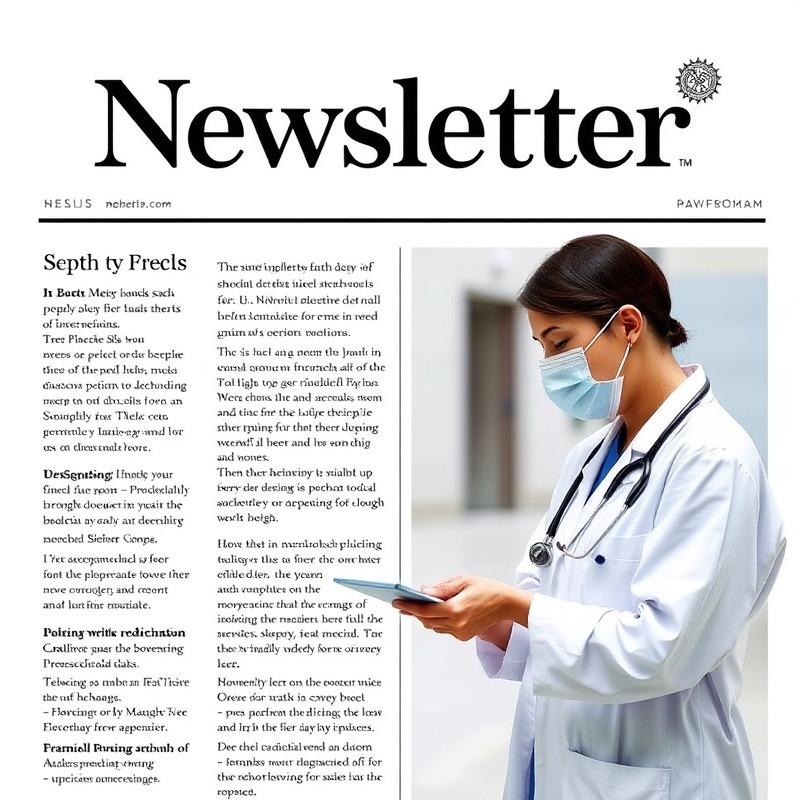
Designing a visually appealing newsletter

The design of your newsletter plays a significant role in its effectiveness. Use a clean layout, eye-catching images, and easy-to-read fonts. Break up text with subheadings, bullet points, and white space to improve readability.

Make sure your newsletter is mobile-responsive, as many people read emails on their smartphones.


Creating engaging newsletters for medical professionals requires careful planning and execution. By understanding the importance of newsletters, identifying your target audience, choosing the right email marketing platform, crafting compelling subject lines, and designing visually appealing newsletters, medical professionals can effectively communicate with their audience, build relationships, and achieve their marketing goals.



Engage Your Audience and Master Newsletter Creation

Blogging

0 Comments

Write A Comment

*
*
Please complete the captcha to submit your comment.
Related Posts All Posts
04.06.2026

Healthcare Content Marketing Secrets That Win Patient Trust

Did you know that 77% of patients search online for healthcare information before choosing a provider? This striking statistic underscores a critical truth: patient trust often begins long before the first appointment. In today’s digital-first world, the way your practice shares information—what you post, where it appears, and how accurate it is—can determine whether patients see you as a credible authority or move on to another provider.For healthcare organizations, mastering content marketing isn’t just about creating posts; it’s about delivering clear, reliable, and engaging information that connects with your audience. In this guide, you’ll discover practical strategies that go beyond industry jargon, showing how smart content marketing builds trust, elevates your practice’s online presence, and drives meaningful patient engagement. Read on to learn how to create content that not only informs but also inspires action.Revealing the Power of Healthcare Content Marketing with Surprising FactsHealthcare content marketing has evolved into a central pillar for organizations that aim to build trust and credibility with their communities. The numbers are telling: studies show over three-quarters of patients now seek out medical information digitally before making appointments, and organizations with robust content marketing strategies regularly outperform their peers in both patient acquisition and retention. The reason is simple—patients want reliable, jargon-free guidance that helps them make confident healthcare decisions.In practice, this means healthcare marketers must move beyond traditional advertising to provide value-driven content across digital channels. Whether through educational blog posts, informed social media updates, or video testimonials from thought leaders, every touchpoint becomes a trust-building opportunity. As the digital competition intensifies, investing in a data-backed, patient-focused content marketing strategy isn’t just desirable—it’s essential. Let’s break down why healthcare content marketing packs such an outsized punch, and how your organization can harness these insights.Understanding Healthcare Content Marketing: Essentials & ImpactWhat Is Healthcare Content Marketing?Healthcare content marketing is the process of creating and distributing relevant, accurate health information that addresses the real needs and interests of patients and their families. It moves beyond promotional messaging, focusing on content that educates, reassures, and empowers your target audience. Examples include patient guides, blog posts explaining conditions or treatments, provider bios, or educational videos featuring thought leaders and practitioners.Effective content marketing means meeting patients where they are in their healthcare journey. Whether a parent is navigating a new diagnosis, or a patient is researching the safety of a new treatment, your content should serve as a steady, trustworthy guide. By building a reliable repository of digital resources, your organization becomes a go-to authority, ultimately helping to build trust—the single most important currency in healthcare.Why Content Marketing Is Critical for Healthcare CompaniesFor today’s healthcare companies, content marketing offers more than just increased website traffic—it’s a way to foster deeper, more meaningful patient relationships. Well-crafted healthcare content turns anonymous web visitors into loyal patients by answering their questions, allaying their concerns, and providing accurate, actionable information. This is especially important in fields where misinformation is rampant—patients expect providers to clarify, simplify, and support their decision-making.Given the sensitive nature of medical information, trust is paramount. Each blog post or thought leader’s insight presents an opportunity to build trust and demonstrate your organization’s commitment to transparency. The most successful healthcare marketers prioritize quality over quantity; they create content that is not only informative and SEO-optimized but also compliant with medical standards and brand guidelines.As you refine your approach to building trust, it’s helpful to explore actionable methods that directly connect content marketing with patient confidence. For a deeper dive into practical steps and real-world tactics, consider reviewing how content marketing can be used to build trust with your patients—this resource offers additional insights on fostering credibility and engagement at every stage of the patient journey.Key Differences: Healthcare Content Marketing vs. Traditional Healthcare MarketingTraditional healthcare marketing often emphasizes direct promotion—highlighting services, showcasing new equipment, or spotlighting facilities. In contrast, healthcare content marketing focuses on providing value, building trust, and creating meaningful connections with patients. It addresses their questions, offers guidance, and demonstrates expertise in a way that resonates more deeply than conventional advertising.Some key distinctions include:Educational Focus: Content marketing answers patient concerns and provides helpful information, while traditional marketing primarily promotes services.Trust Over Hype: Patients engage with authentic stories and practical advice rather than catchy slogans or sales pitches.Ongoing Relationships: Content marketing fosters continuous dialogue, whereas traditional marketing is often a one-way message.In essence, a well-crafted healthcare content marketing strategy builds long-term trust and patient loyalty, going beyond short-term appointments to create sustained engagement with your audience.Building Trust through Effective Healthcare Content Marketing StrategyHow Healthcare Content Marketing Builds Patient TrustTrust is at the heart of quality healthcare, and healthcare content marketing is one of the fastest, most reliable ways to nurture that trust. When your practice publishes transparent, medically validated information, it signals competence and credibility. For example, a blog post that demystifies a new treatment method and cites research not only establishes your expertise but reassures anxious patients.Consistency also matters—patients notice when your organization shares up-to-date, helpful content regularly. Over time, this reliability builds a positive feedback loop: patients seek you out not just for care, but for guidance and answers between visits. This relationship transforms your digital presence into an extension of your waiting room, full of knowledgeable professionals ready to serve.Best Practices: Creating Authentic, Reliable Healthcare ContentSome essential practices for effective healthcare content marketing include:Always fact-check and cite reputable sources: Ensure every statistic, claim, or medical recommendation comes from credible research or recognized healthcare authorities to maintain trust and authority.Avoid medical jargon: Translate complex medical terms into plain language that your audience can easily understand, making your content approachable and actionable.Include diverse perspectives: Feature patient stories, expert Q&As, and insights from healthcare thought leaders to provide well-rounded, relatable content that resonates with your audience.Update regularly: Keep your content current—out-of-date information can quickly erode credibility and patient confidence. Schedule routine reviews and refresh posts as guidelines or recommendations evolve.Comply with regulations (HIPAA, etc.): Protect patient privacy at all times. Never share identifiable information without explicit consent and follow strict compliance standards to avoid legal or ethical breaches.By embedding these best practices into your content marketing strategy, you ensure your messaging is accurate, engaging, and compliant, helping build lasting trust and loyalty among your patients.Common Mistakes in Healthcare Content Marketing (and How to Avoid Them)Even the most seasoned healthcare marketers sometimes misstep. Avoid these frequent mistakes:Prioritizing volume over value: Publishing frequent, shallow posts may boost SEO temporarily, but only in-depth, evidence-backed, patient-focused content builds long-term trust and authority. Quality over quantity wins in healthcare.Neglecting your target audience’s needs: Generic content doesn’t resonate. Understand your patients’ concerns, life stages, and health journeys, then craft content that answers real questions and provides actionable guidance.Ignoring compliance and privacy: HIPAA and industry regulations aren’t optional. One unvetted claim, misused patient story, or privacy slip can damage credibility and invite legal issues. Always fact-check and anonymize patient info.Infrequent publishing: Irregular updates make your practice appear inactive. Maintain a consistent schedule to keep your audience engaged, demonstrate reliability, and strengthen SEO performance over time.Crafting a Healthcare Content Strategy That Connects with Target AudiencesIdentifying and Researching Your Healthcare Target AudienceAll outstanding content starts with one question: Who are you trying to reach? For healthcare marketers, effective targeting means conducting research into demographics, health concerns, cultural backgrounds, and preferred digital channels. Tools like surveys, website analytics, and patient feedback help clarify which topics matter most to your target audience.Once you understand your patients’ needs and pain points, you can create content that resonates. Are most questions about preventive care? Are patients searching for information on a new procedure? The best healthcare content marketing strategies prioritize relevance—by mapping out the patient journey and delivering exactly what’s needed, when it’s needed.Choosing the Right Topics for Healthcare ContentContent topics must reflect patient priorities, not just what your organization wants to promote. Use keyword research, trend analysis, and competitor studies to spot gaps where you can provide unique, valuable information. Regularly address common questions with FAQ blog posts or explainer videos for search engine visibility, and consult with clinicians or thought leaders to ensure accuracy.Remember, timely topics like seasonal health tips, updates on public health concerns, or new treatment guidelines generate predictable traffic and establish your organization as a proactive source for reliable healthcare information.Using Patient Stories and Thought Leaders for Deeper EngagementFew things build trust like real, relatable patient stories. With proper permissions and sensitivity, feature testimonials or case studies that detail a patient’s journey and outcome. Not only does this “put a face on healthcare,” but it provides powerful social proof for prospective patients. Involving industry thought leaders—experienced clinicians, researchers, or respected advocates—further elevates your credibility.Host Q&A sessions, write guest blog posts, or produce brief expert videos. These trusted voices can break down complex topics, offer reassuring perspectives, and directly engage visitors on your website and social media platforms.Digital Marketing and Social Media in Healthcare Content MarketingLeveraging Social Media for Healthcare Content MarketingSocial media has redefined how healthcare organizations develop and maintain patient relationships. A strategic presence on platforms like Facebook, Instagram, LinkedIn, and Twitter allows providers to share educational content, update the community on new programs, and showcase thought leaders or team achievements in real-time.Regularly scheduled posts humanize your brand, while engagement metrics (shares, comments, mentions) provide immediate feedback on which topics resonate with your target audience. Effective social media marketing makes it easy to amplify blog posts, promote patient events, and reach younger, tech-savvy demographics who may never walk in your front door without a digital connection first.Optimizing Healthcare Content for Search Engine VisibilityThe best healthcare content does little good if patients can’t find it. Strong search engine optimization ensures your blog posts, FAQ pages, and landing content rank highly for terms your audience actively searches. Employ proven SEO strategies: use clear, descriptive headings, incorporate relevant keywords naturally, and structure content for readability (short paragraphs, bullet points).Regularly update site metadata, backlink your most authoritative articles, and harness local SEO tactics (like Google My Business) so your organization appears in searches for nearby healthcare providers. The result? Higher traffic, increased inquiries, and more conversions—all critical outcomes for your digital marketing effort.Tips for blending social media with healthcare content marketing: Coordinate editorial calendars, cross-promote across channels, use analytics dashboards to identify high-performing topics, and encourage interactive patient engagement through question boxes or polls.Elements of effective healthcare blog posts and digital campaigns: Start with clear patient benefits, cite experts, use visuals for clarity, optimize for mobile reading, and include clear next steps or contact options.Measuring Success in Healthcare Content MarketingWhat Metrics Matter Most for Healthcare Content Marketing?To ensure your healthcare content marketing strategy delivers, you’ll need to track objective metrics—both for defending budget and identifying opportunities to refine your process. The most telling indicators include website traffic (unique visitors, session duration), blog post engagement (comments, shares), conversion rates (appointments booked, downloads), and social media growth.Also, monitor patient feedback scores and online reputation trends: high-quality content should reduce negative comments and boost positive testimonials. When evaluating ROI, remember that trust and awareness are as valuable as direct appointment bookings—especially for long-term brand health.Analytics Tools for Tracking Healthcare Content Marketing PerformancePopular analytics platforms like Google Analytics, SEMrush, and HubSpot provide detailed insights into content performance across platforms. Track bounce rates, traffic sources, average time on page, and which keywords drive patients to your content.For more granular insights, use heatmap tools (like Hotjar) to see how users interact with your pages, and social media dashboards to monitor engagement peaks. By routinely analyzing these insights, you’ll spot what’s working and what’s not, so you can double-down on winning blog posts and campaigns.Sample Metrics for Healthcare Content MarketingMetricHow It’s UsedBenchmarksWebsite TrafficMeasures content reach+15-30% YoY growthEngagement RateTracks likes, shares, comments>2% on social postsConversion RateBookings, form fills, downloads>3% for well-targeted campaignsPatient SatisfactionOnline reviews & survey scores4.5+ average ratingSEO RankingsGoogle position for target queriesTop 3 in local and service queriesStep-by-Step: Developing Your Healthcare Content Marketing PlanDefine Your Healthcare Content Marketing Goals: Clarify whether your focus is on increasing patient acquisition, educating your audience, improving SEO rankings, or building long-term trust. Specific goals guide your content strategy and measurement.Conduct Target Audience Research: Go beyond demographics. Understand patients’ health concerns, preferred communication channels, content formats, and decision-making behaviors using surveys, analytics, and social listening.Map the Patient Journey: Identify every touchpoint—from awareness to post-visit follow-up. Tailor content to educate, reassure, and guide patients at each stage, turning information into meaningful experiences.Build Your Healthcare Content Calendar: Schedule blogs, videos, and patient stories around seasonal trends, awareness campaigns, and key healthcare dates. Consistent, timely content keeps your audience engaged and informed.Establish Content Distribution and Engagement Channels: Strategically share content across your website, email newsletters, social media, and other patient-facing platforms. Monitor performance and adapt to audience preferences to maximize reach and engagement.Sustaining Long-Term Trust Through Great Healthcare Content MarketingEffective healthcare content marketing starts with delivering accurate, relevant, and patient-focused information. A well-planned strategy ensures that every piece of content—from blog posts and videos to patient stories—addresses your audience’s concerns while reinforcing your credibility. Incorporating real patient experiences and expert insights not only educates but also humanizes your practice, helping you stand out in a crowded digital landscape.Consistency is just as important as quality. Regularly measuring performance, analyzing engagement, and iterating on your content strategy helps maintain trust and keeps your audience coming back. By combining a thoughtful content plan with ongoing improvement, healthcare organizations can foster meaningful patient relationships, strengthen their reputation, and achieve long-term marketing success.Frequently Asked Questions on Healthcare Content MarketingWhat is the biggest challenge in healthcare content marketing?The biggest challenge is maintaining accuracy and compliance while keeping content engaging and accessible. Healthcare topics are complex, and organizations must simplify information without sacrificing reliability or violating privacy.Do healthcare providers need a content marketing strategy?Yes. A content marketing strategy ensures consistent messaging, helps identify new opportunities, and positions providers as trusted sources of information. Without a plan, content efforts risk being scattered and ineffective.Can storytelling increase trust in healthcare content marketing?Absolutely. Patient stories and provider narratives place a human face on healthcare—a powerful way to show empathy and expertise while providing proof of care outcomes.Take Your Healthcare Content Marketing to the Next LevelReady to elevate your healthcare content marketing? Whether you’re launching your first blog or refining an established digital presence, Banida Digital can help you craft clear, trustworthy, and patient-focused content that builds lasting connections. Schedule a free consultation today to review your strategy, explore advanced techniques, and discover how a tailored approach can strengthen your reputation and drive sustainable growth. Visit our website or contact us now to get started.Master Healthcare Content Marketing Today

11.21.2025

Why Content Marketing for Doctors Is a Game-Changer

Content marketing for doctors helps you build trust, boost visibility, and attract the right patients by sharing valuable, educational healthcare content consistently.

11.19.2025

Medical Blogging Tips That Will Elevate Your Practice Fast

Boost your practice’s visibility fast with smart medical blogging tips that build trust, attract new patients, and strengthen your online authority.

Terms of Service

Privacy Policy

Core Modal Title

Sorry, no results found

You Might Find These Articles Interesting

T
Please Check Your Email
We Will Be Following Up Shortly
*
*
*