
Add Row
Add Element
banida digital marketing agency logo
update

Banida digital

update
Add Element
  • Home
  • Contact Us
  • All Posts
  • Social Media
  • 5-Star Reputation
  • SEO
  • Traffic
  • Funnels
  • Blogging
  • Advertising
  • Website
June 10.2025
13 Minutes Read

Turning Short Videos Into Social Media Gold for Small Medical Practices


Unlocking the Power of Short Video Marketing for Medical Practices in the Healthcare Market

Short video marketing for medical practices is more than just a trend—it's a smart way to connect authentically with your local community and potential patients. In the bustling healthcare market, short videos cut through the digital noise and help your practice stay front-of-mind. Imagine a quick patient testimonial or a doctor explaining flu prevention in 60 seconds: these bite-sized stories not only educate but also foster a sense of sincerity and trust. This approach meets today's social media expectations, where users crave fast, digestible, and relatable content.

Platforms like Instagram, TikTok, and Facebook Reels are tailor-made for medical providers aiming to highlight care marketing moments and showcase practice culture, staff, and expertise. For example, sharing a 30-second “meet the team” or a behind-the-scenes healthcare video can humanize your brand and foster meaningful patient engagement. In the healthcare market, these efforts improve your online reputation, attract new patients, and demonstrate your commitment to care. If you want your practice to stay competitive, short video marketing isn’t just an option—it’s a necessity.



Why Short Video Marketing is Essential for Modern Medical Practices

The digital face of healthcare is changing fast. Short videos enable small medical practices to build trust, increase patient loyalty, and drive new appointments—all without a hefty advertising budget. Medical consumers today expect clear, concise information tailored to them personally, and video content bridges that gap efficiently. With short video marketing for medical practices, you can easily clarify complex medical topics, show your staff’s personalities, and demonstrate how your healthcare provider team genuinely cares about patient experience.

Short video marketing responds to real-world patient behaviors. Most people seek health information online before ever booking an appointment, and a quick, friendly healthcare video can be the deciding factor. By embracing video marketing, your medical practice is better positioned to meet today’s demands and exceed them. It’s not just about being seen; it’s about starting quality conversations and making every viewer feel heard.

As you refine your approach to short video content, it’s also valuable to consider how a comprehensive social media strategy can amplify your reach and ensure your videos are seen by the right audience. Integrating video into a broader social plan helps maximize engagement and supports your overall marketing goals.

Social Media Trends: Elevating Your Healthcare Marketing with Engaging Video Content

Social media platforms like Instagram Reels, TikTok, and Facebook are powerhouses when it comes to marketing strategy. The data is clear: video content attracts higher engagement rates and is more likely to be watched, often to completion, than static posts. For the healthcare market, this means the ability to share updates, highlight care services, and present your practice’s personality at a glance. Social media also favors video, often boosting it organically in viewers' feeds, ensuring your efforts reach both loyal followers and new potential patients.

When you create videos for social media, remember that each platform favors a different video length and style. For example, TikTok thrives on fun, highly visual clips, while Instagram Reels prefers concise but high-value tips or doctor Q&As. No matter the channel, consistent video marketing leads to stronger patient relationships and ultimately boosts your practice’s influence in the competitive healthcare organization ecosystem. Taking the time to learn these trends ensures your short video marketing for medical practices is both eye-catching and effective.

Understanding the Impact: How Video Marketing Shapes Patient Engagement and Patient Experience

One of the biggest advantages of short video marketing for medical practices is its effect on patient engagement. Videos invite viewers to connect on an emotional level, whether through a heartfelt patient testimonial or a friendly explainer about complex medical procedures. When patients view video stories of others like themselves or gain quick clarity on health questions, their comfort and confidence in your medical team increase.

The ripple effect is powerful—meaningful video content improves both trust and the overall patient experience. Videos enable a conversational connection, making your practice seem more approachable while providing essential healthcare information in a digestible format. This blend of human touch and professional knowledge reassures potential patients that they will receive compassionate care, leading to more appointments and long-term loyalty.



Crafting a Winning Video Marketing Strategy for Small Medical Practices

The success of short video marketing for medical practices hinges on having a clear marketing strategy . Building an effective plan involves understanding your unique goals as a healthcare provider, identifying your target audience, and tailoring content that resonates. Whether the focus is boosting awareness of care services, promoting preventive care, or highlighting patient testimonials, every piece of healthcare video content should serve a purpose based on your practice’s mission.

For small medical practices, a winning video marketing strategy blends creativity with practicality. Lean on your strengths—authentic stories, real staff, genuine care—and focus on topics your community finds valuable. Most importantly, always track performance. Regularly analyzing results from various media channels will help refine your approach and maximize the impact of each marketing video you share.

Identifying Healthcare Provider Goals and Target Potential Patients

The foundation of a great marketing strategy is knowing what you want to achieve and who you’re speaking to. Start by asking, "Do I want to attract new patients? Increase loyalty among existing ones? Raise awareness about a specific care service?" Clearly outline these goals. Next, define your ideal or potential patients—think about their age, interests, health concerns, and social media habits. Creating a vivid target audience profile will help you tailor your short video marketing for medical practices to answer real needs and stand out in the crowded healthcare market.

Use analytics from previous marketing efforts or survey your patient base if possible. Do they prefer quick health tips, behind-the-scenes clinic moments, or uplifting patient testimonials? The more you know about what motivates your audience, the more precise and effective your video content can be. This approach ensures each healthcare video you produce speaks directly to those you hope to reach, making your marketing video strategy efficient and impactful.



Creative Video Production Tips for Healthcare Video Content

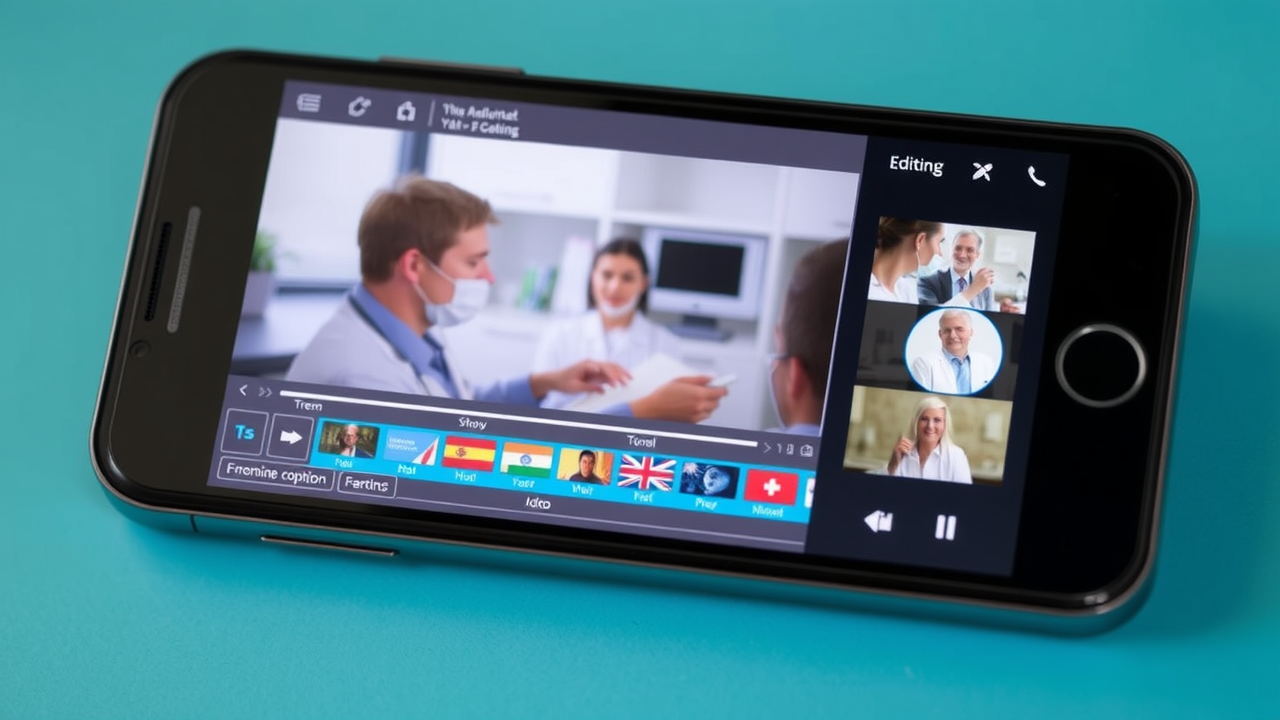
Producing standout healthcare video content doesn’t require a major studio budget—just a creative eye and a focus on clear messaging. Start with simple storytelling : Distill complex medical information into short, easy-to-understand clips. Use natural lighting and aim for good sound quality to ensure your message is understood. Keep video production authentic by featuring real staff and using real locations within your medical practice.

Consistency is key. Develop a simple video script or storyboard before filming each marketing video. This helps keep videos concise and ensures all vital information is delivered up front. Add branded visuals, such as your practice logo or uniform colors, to boost recognition and credibility. And, remember to close your videos with a friendly call to action, such as asking viewers to follow your social media pages or schedule an appointment online. These creative touches help your short video marketing for medical practices leave a lasting impression in the healthcare market.

  • Focused messaging for complex medical topics

  • Patient testimonials and care marketing highlights

  • Branded healthcare video visuals

  • Strategic social media sharing

  • Measurable goals and performance tracking


Content Creation: Types of Short Videos That Work for Small Medical Practices

Not all short videos are created equal. The most effective short video marketing for medical practices matches your practice’s strengths and your patients’ needs. From quick health tips to inspiring patient testimonials, the right content can change how viewers feel about your clinic. With creativity and a little planning, you can continually rotate fresh, engaging healthcare video content that keeps patients coming back for more information—and for appointments.

Here are three of the most impactful types of short videos for medical practices looking to amplify their healthcare marketing and connect with potential patients through video content:

1. Educational Healthcare Videos: Explaining Complex Medical Topics in Seconds

Educational videos are a goldmine. They turn tough, complex medical concepts into relatable, bite-sized lessons that patients can immediately use. In just 30–90 seconds, you can cover misconceptions about vaccines, explain seasonal allergies, or answer common health questions. When small medical practices create videos that break down medical jargon, they empower viewers and help build trust, a winning approach in any marketing strategy.

Smart educational video content also positions your practice as a leader in the healthcare market. Patients will remember you as a reliable source, making them more likely to turn to your services when they need care. These videos are perfect for sharing across social media, websites, and even as a resource on your landing page.

2. Patient Testimonials and Success Stories in Healthcare Marketing

Nothing sparks human connection quite like a patient testimonial. These healthcare marketing gems highlight real experiences, communal success, and showcase your practice’s values. People are more likely to trust a medical organization when they view video clips of fellow patients sharing their journeys and positive outcomes. It isn't just about telling others that your care marketing approach is great—it's about showing them, authentically.

Encourage patients who are willing (and HIPAA compliant) to participate in sharing their stories. These success stories can be one of the most effective ways to prompt new patients to reach out and book appointments. Each testimonial video is an opportunity to establish an emotional connection, reinforcing your place as a trusted healthcare provider in your community.

3. Behind-the-Scenes Content: Humanizing Your Medical Practice Through Video Marketing

Behind-the-scenes content is a secret weapon in short video marketing for medical practices. It reveals the faces and personalities behind the care, making your organization feel accessible and real. Think: nurses preparing the office, a pharmacist explaining daily routines, or doctors candidly chatting in the break room. These glimpses foster a sense of comfort and connection that can win over hesitant potential patients.

This behind-the-scenes healthcare video approach also demonstrates your commitment to quality, teamwork, and patient care. When viewers see your staff at ease and working together, they’ll be more likely to choose your practice over competitors who seem less personable. Integrate behind-the-scenes moments regularly to keep your video content fresh and relatable, supporting both patient engagement and brand loyalty.



Best Practices for Sharing Healthcare Video Content on Social Media Platforms

It’s one thing to create engaging video content—distributing it effectively is how you turn views into results. Each social media channel has its own best practices for posting videos. For example, Instagram favors short, vertical videos under 60 seconds; Facebook performs well with subtitles and optimal posting times in the evening, while TikTok thrives on trends and challenges. Understanding—and implementing—these nuances ensures your videos hit the mark and reach the largest, most relevant audience.

Consistent, authentic engagement is essential. Replying to viewer comments, sharing stories, and encouraging viewers to like or share your content creates a two-way conversation with potential patients. Use hashtags tied to care marketing, healthcare topics, and your local area for added reach. Social media is more than just a broadcast tool; it’s an interactive channel for real connections and measurable growth for your medical practice.

  • Adhering to platform-specific video requirements

  • Choosing optimal posting times

  • Utilizing care marketing hashtags and geo-targeting

  • Engaging with potential patient comments

Amplifying Results: Leveraging Paid Marketing Video Ads in Healthcare Marketing Campaigns

Sometimes organic reach isn’t enough, especially for small practices. Paid video ads are a powerful addition to your marketing strategy, enabling you to target extremely specific demographics and interests in the healthcare market. Platforms like Facebook and Instagram let you run short, targeted campaigns aimed at potential patients nearby or those interested in certain care services. These ads can quickly drive viewers to your website, social media, or even a dedicated landing page.

To get the most from paid marketing video ads, experiment with different creatives and calls to action. Track performance using detailed analytics so you can continually refine your approach. Even with a modest budget, paid videos can significantly accelerate new patient acquisition and raise brand awareness for healthcare providers serious about growth.



Measuring ROI: Evaluating the Success of Short Video Marketing for Medical Practices

To ensure your marketing efforts are truly delivering, it’s essential to measure the ROI of your short video marketing for medical practices. This means tracking not only how many people view video content, but how effectively those videos drive real business results, like patient engagement, inquiries, and new patient appointments. The more data you collect, the more you can refine your strategy and allocate your marketing budget where it works best.

Use a mix of platform analytics and internal patient-tracking tools to gather a full picture. Look at metrics including watch time, repeat views, comments, shares, website visits, and appointment calls that originate from your video campaigns. This detailed look at ROI will equip your medical practice to make informed decisions and consistently improve the impact of your video marketing strategy.

Key Performance Metrics: Patient Engagement and New Patient Acquisition

The most telling signs of successful video marketing are increases in patient engagement and new patient acquisition. Track metrics like average view time, unique viewers, shares, direct inquiries from the video, and appointment bookings coming from specific video content or social media campaigns. If you see growth in these numbers, your care marketing and messaging are resonating.

Qualitative feedback, such as comments about enjoying the videos or learning something new, is equally important. This feedback can uncover what resonates most with your target audience and help guide your next batch of content. By combining metrics and direct viewer input, your healthcare providers can match video production efforts with meaningful results.

Using Analytics Tools for Continuous Improvement in Video Marketing Strategy

Analytics tools are your best friend for making improvements over time. Platforms like Facebook Insights, Instagram Analytics, and Google Analytics offer a wealth of information, from audience demographics to video completion rates. Use these insights to identify which videos perform best, what times your audience is most active, and which topics drive the most patient engagement.

Regularly reviewing and adapting based on analytics will sharpen your short video marketing for medical practices, meaning your campaigns become smarter and more cost-effective with every round. Make analytics a habit—not a one-time event—to maintain real growth in the competitive healthcare market.



Overcoming Challenges: Compliance, Consistency, and Authenticity in Healthcare Video Production

Every medical practice encounters a few bumps along the short video marketing road—most commonly with HIPAA compliance, budgetary limits, and keeping content both professional and relatable. HIPAA and privacy considerations are always paramount; patients and staff should be fully informed and must consent to participation. Balancing those requirements with a genuine, friendly tone can be a challenge, but it’s crucial for creating videos that build trust and spark interest.

Consistency is another hurdle. Medical practices are busy places, and it can be tough to create videos regularly. However, even simple, informal clips posted consistently are better than sporadic, high-production videos. Remember: authenticity goes further than polish, especially in the world of healthcare providers, where a genuine display of care outshines slick production every time.

  • HIPAA and privacy considerations

  • Budget constraints for small practices

  • Balancing professional tone with relatability

  • Keeping content fresh and relevant


Actionable Steps: Launching Your Own Short Video Marketing Campaign for Medical Practices

Ready to put everything into action? Follow this simple plan for launching a winning short video marketing campaign designed for small medical practices:

  • Outline your healthcare provider goals

  • Choose your core topics—education, testimonials, care marketing

  • Script and storyboard your marketing video

  • Use accessible video production tools or consult professionals

  • Publish and promote on social media

  • Track the analytics for improvements


Conclusion

Short video marketing has become an essential tool for small medical practices aiming to stand out, connect authentically with their local community, and strengthen patient relationships. By leveraging the power of educational videos, patient testimonials, behind-the-scenes glimpses, and platform-specific strategies, your practice can cut through the noise and position itself as a trusted, approachable healthcare provider. These short, engaging clips don’t just entertain—they inform, build trust, and inspire action, making them a cornerstone of modern healthcare marketing.

As you move forward, remember that the key to long-term success lies in staying consistent, tracking your results, and continually refining your approach based on data and audience feedback. With the right mix of creativity, strategy, and measurement, your short video marketing efforts can drive meaningful patient engagement, boost loyalty, and accelerate new patient acquisition. In a competitive healthcare market, embracing this dynamic, visual form of communication isn’t just a trend—it’s a powerful investment in the future growth and reputation of your medical practice.



Frequently Asked Questions on Short Video Marketing for Medical Practices

1. How long should a typical short healthcare video be for best results?

Aim for 30–90 seconds, ensuring key information is front-loaded for optimal engagement.

2. What topics resonate most in healthcare video content?

Patient testimonials, educational tips, staff introductions, and short updates about your practice.

3. Can everyday smartphones be used for medical practice video marketing?

Yes, modern phones create high-quality video content. Focus on good lighting and clear audio.

4. How to get staff involved in care marketing videos?

Ask willing staff to share tips, explain procedures, or highlight the patient experience in a friendly, HIPAA-compliant way.

5. How do you measure ROI on healthcare video campaigns?

Track unique views, engagement rates, inquiries, and appointments originating from social media platforms.


Make Every Second Count: Turn Short Videos into Patient-Engaging Content

Short-form videos are one of the most effective ways to boost visibility and build trust in today’s fast-paced digital world. For small medical practices, these bite-sized videos can humanize your brand, highlight your services, and create consistent engagement with current and future patients. Whether it’s a quick tip from a physician or a behind-the-scenes moment from your clinic, each video is an opportunity to connect meaningfully—and memorably.

Want to turn your video strategy into a reliable patient acquisition tool? Pair your short-form content with a strategic digital marketing plan built for local success. Our team can help you create scroll-stopping videos and amplify them through targeted campaigns designed to attract the right audience. Learn more about how we help medical practices grow through video marketing.


Start Growing with Short Video Marketing


Social Media

Write A Comment

*
*
Related Posts All Posts
12.31.2025

Top Social Media Platforms for Doctors Revealed

Did you know that nearly 90% of healthcare professionals say social media is essential to their practice’s communication and reputation?Patients and even referring providers evaluate you not just on your medical skills but also on how visible, responsive, and trustworthy you appear online. With the right approach, the social media platforms for doctors you choose can help build credibility, attract the right patients, and strengthen your professional footprint—all without draining your time or risking your reputation.By the end of this article, you’ll know exactly which networks matter and the practical steps to make social media work for your practice.Startling Statistics: Why Social Media Platforms for Doctors MatterThe influence of social media platforms for doctors has soared in recent years. Consider these numbers: not only do almost nine out of ten healthcare professionals report that social media is essential, but more patients than ever before are researching medical providers on platforms like Facebook, LinkedIn, and specialty networks.“Nearly 90% of healthcare professionals say social media is essential to their practice’s communication and reputation.”This shift is more than a trend—it’s patient behavior evolving before our eyes. Prospective patients now expect a responsive, professional online presence. Doctors who lean into these changes find themselves fielding better-informed questions, building trust with both new and established patients, and even networking more effectively with peers. Small medical practices that ignore these trends risk being overlooked, while those who invest a few minutes each week are often rewarded with greater visibility and a stronger reputation.The Current Landscape: How Social Media Platforms Drive Practice GrowthIn today’s digital-first healthcare environment, social media platforms for doctors aren’t just about self-promotion—they’re important tools for shaping perception, driving patient growth, and keeping up with industry news. Practices with even a basic online presence often see measurable improvements in patient inquiries and satisfaction. Social networks have become vital for sharing the latest medical news, debunking misinformation, and boosting a practice’s digital “curb appeal” when patients are deciding who to trust for their care.The real power lies in intent. Social platforms bridge the gap—allowing you not only to build trust but also to engage with audiences that extend far beyond your waiting room walls. Success comes from picking platforms where patients and peers already spend their time, participating consistently, and showing a bit of your story (while always protecting patient privacy). The days of hoping word-of-mouth is enough are over—now, your media presence can reliably set you apart without huge time or financial investment.The Media Platform Shift: Why Medical Professionals Cannot Ignore Social NetworksPatients want easy answers and fast access. They look up health professionals the same way they look up restaurants or plumbers—by scrolling Google and clicking through Facebook or LinkedIn profiles. At the same time, new medical community platforms have allowed healthcare professionals to share the latest medical updates, highlight achievements, and clarify expertise without breaching professional boundaries. With compliance standards tightening (think HIPAA), the right strategy—on the right platform—lets you be visible, approachable, and compliant.Which Social Media Platform is Best for Healthcare?Not all social media platforms for doctors are created equal. Each network has strengths and limitations, so the “best” choice depends on your goals, your patient demographics, and your professional priorities. For example, Doximity is designed exclusively for doctors, offering a safe, peer-only environment for discussions about trends, treatments, and the latest medical cases. Sermo is another private platform focused on real clinical dialogue. In contrast, LinkedIn and Facebook let you reach both colleagues and patients, making them ideal for networking, thought leadership, and boosting local visibility.Platforms like Instagram and TikTok are shifting patient education into bite-size, visual content. They’re game-changers for practices that want to humanize their team or share quick, trusted health tips—especially with younger audiences. And don’t overlook Twitter/X, which shines when you want to comment on or share the latest medical news or build your reputation as a thought leader. The right fit is where your audience is already spending time.Platforms Tailored for The Medical Profession and Medical CommunityDoximity: The ‘LinkedIn’ for doctorsSermo: Private, peer-to-peer medical networkFacebook & LinkedIn: Patient-facing and professional networkingInstagram & TikTok: Building authority and patient educationTwitter/X: Thought leadership and medical newsComparison of Top Social Media Platforms for Doctors at a GlancePlatformMain AudienceKey FeaturesCompliance ConsiderationsLinkedInProfessionals, referrals, peersNetworking, thought leadership, company pagesHigh—avoid patient info, maintain professional toneDoximityDoctors, medical studentsDoctor-only network, secure messaging, case discussionsHIPAA-compliant, closed communitySermoPhysicians, researchersPeer discussion, polling, clinical casesHIPAA-focused, peer-verifiedFacebookPatients, communityBusiness pages, local group engagement, reviewsHigh—avoid PHI, monitor commentsInstagramPatients, young adultsVisual storytelling, highlights, reelsConsent for images, avoid PHITwitter/XIndustry, journalists, peersRapid updates, medical news, thought leadershipBe precise, avoid PHI, monitor for misinfoTikTokGen Z, younger adultsShort educational videos, trendsStrict privacy, avoid patient referenceNiche Medical CommunitiesSpecialists, researchersPeer discussion, journal clubs, secure chatsGenerally private & compliant“Choose networks where your ideal patients and peers already spend time.”Don’t try to be everywhere. Focus first where it makes sense—one platform for patient engagement (like Facebook) and one for professional networking (like LinkedIn or Doximity). Expand only if you can keep your content consistent and compliant.Quick Wins: Social Media Strategies Any Small Practice Can UseSocial media can feel overwhelming, but you don’t need a marketing degree to succeed. These simple strategies let busy practices see results quickly—without eating up hours or risking compliance missteps. Think of these as your “set and forget” tactics that build your online presence and add a personal, professional touch to your digital reputation.Share behind-the-scenes insights (with patient privacy protected)Post staff highlights and achievementsShowcase awards, accreditations, and community eventsShare patient-friendly educational contentEngage in local groups and professional network communitiesIf time is tight, prioritize consistency over perfection. One photo of your team, a congratulations post for completing a certification, or sharing an article about the latest medical news can keep your media presence active—all while reinforcing your credibility and relevance to current and potential patients.Compliance First: Protect Patient Privacy While Using Social Media Platforms for DoctorsSafeguarding patient privacy isn’t just best practice—it’s the law. Every post, comment, and photo on social media platforms for doctors must be HIPAA-compliant and uphold the trust placed in you by patients and your medical community. Even a well-intentioned update can lead to privacy violations if you aren’t careful. Simple mistakes—like tagging a patient in a photo or sharing a story that could be linked to a real case—can cause trouble.The key? Assume anything posted is public forever. Use real examples only with explicit consent, never post identifying health information, and train your staff on what’s okay (and what’s not) to share. Responsible social media use protects patient relationships and ensures your reputation, your practice, and your license stay secure.Checklist: What Healthcare Professionals Must Do On Media PlatformsNever share patient information or images without documented consentExplain and follow HIPAA and professional network standardsEducate staff on compliance guidelinesWhen in doubt, keep posts focused on your team, your expertise, general health tips, and news that educates or reassures without referencing individual cases. Review your process regularly—HIPAA rules and platform algorithms change often!Professional Network Benefits: Enhancing Reputation & Trust on Social Media PlatformsYour influence as a healthcare provider extends beyond the exam room. Social media platforms for doctors make it possible to earn trust, showcase expertise, and grow patient referrals, all from a single online profile. Practices that engage on these sites see benefits ranging from higher quality patient questions to more positive reviews and easier networking with peers.A consistent, professional presence—whether through a blog on LinkedIn, patient education on Instagram, or participation in Doximity’s discussions—shows you are more than just another provider. You are a trusted source in the medical profession and someone people feel confident turning to for care or advice.Building Authority in the Medical Profession & Medical CommunityConsistent voice boosts trust with patients and peersWell-managed platforms reinforce your medical practice’s reputationCan clarify your specialties and expertiseBuilding your authority is about more than posting the latest health information. It means responding politely to patient reviews, sharing clear evidence-based updates, and showcasing continuing education or certifications. Over time, this steady communication strengthens your brand’s reputation for professionalism and care—whether you’re handling patient questions or contributing expert insight to your colleagues in the medical community.Long-Term Social Media Habits for Medical ProfessionalsShort-term wins are important, but sustainable habits are what turn a casual media presence into a reliable growth engine. Developing a rhythm—posting, engaging, and listening—helps you stay connected with your audience, keep up with the latest medical news, and adapt to platform changes without stress.Set realistic expectations. You don’t need to post every day, but consistency (even monthly) makes you easier to remember and refer. Watch for patterns in what works, and don’t hesitate to adjust. Over the long term, an engaging and professional digital footprint attracts staff, builds patient loyalty, and even supports your ongoing learning as the landscape shifts.Turning Media Platform Participation into Professional GrowthSet a simple monthly posting scheduleRespond to comments and messages within 1–2 business daysTrack most-engaged posts and repeat their formatReview and adapt to new algorithms, compliance announcements, and platform featuresStart small and build up. By reviewing analytics—what posts get attention, which comments lead to real conversations—you can fine-tune your strategy for patient engagement, reputation management, or peer networking.Elevate Your Practice with Strategic Social Media EngagementEffectively using social media platforms for doctors isn’t just about posting updates—it’s about building trust, showcasing expertise, and connecting with both patients and peers. By choosing the right networks, prioritizing compliance, and sharing consistent, patient-friendly content, your practice can enhance its reputation, attract the right patients, and grow sustainably without overwhelming your team. Small, intentional actions—like highlighting staff, sharing educational tips, and engaging thoughtfully—compound over time to create a strong, professional digital presence.Long-term success comes from maintaining consistent habits, monitoring engagement, and adapting to changing platforms or patient needs. When social media becomes a structured part of your practice strategy, it can transform your visibility, improve patient interactions, and position you as a trusted leader in your medical community. Start small, focus on meaningful connections, and let your online presence reinforce the quality care you deliver every day.Frequently Asked Questions About Social Media Platforms for DoctorsWhy is social media important for doctors?Social media helps build trust, showcase expertise, and connect with patients and peers. Nearly 90% of healthcare professionals report it’s essential for communication and reputation management.Which platforms are best for medical practices?It depends on your goals. Facebook and Instagram engage patients, LinkedIn and Doximity focus on professional networking, and TikTok or YouTube can share educational content.How can I protect patient privacy online?Never share patient identifiers or health details without consent. Focus posts on general health tips, team highlights, or public medical news, and educate staff on compliance guidelines.How often should a medical practice post on social media?Consistency matters more than frequency. Even a few posts per month, like educational tips or staff highlights, help maintain visibility and credibility.Can social media help attract new patients?Yes. Thoughtful engagement increases trust, boosts positive reviews, and highlights your expertise, which can drive patient inquiries and strengthen referrals.Next Steps: Make Your Social Media Efforts CountReady to take your medical practice’s social media to the next level? Start with one simple step this week—like updating your LinkedIn profile or sharing a team photo with consent—and watch engagement grow. For tailored guidance, connect with Banida Digital’s healthcare marketing experts who can help you build trust, foster patient relationships, and elevate your online reputation without the overwhelm. 👉 Visit our website or schedule your free consultation today to start turning your digital presence into a powerful growth engine.Discover Top Platforms for Doctors Now

12.29.2025

Enhance Doctor Patient Engagement Social Media Now

Did you know that 75% of patients use social media platforms to inform healthcare decisions? Ignoring this space means missing critical opportunities for trust and connection. If you feel overwhelmed about where to start with doctor patient engagement social media—or worry about compliance—this service-first guide is for you. You’ll walk away knowing exactly how to make your practice visible, trusted, and patient-friendly in the digital age—without adding chaos to your day.Why Doctor Patient Engagement Social Media Matters Now in HealthcareIn today’s rapid-fire digital age, doctor patient engagement social media is no longer optional for smaller medical practices—it’s a top driver of reputation, patient trust, and sustainable growth. More patients search, compare, and connect with providers through social channels than ever before; in fact, nearly three-quarters of patients admit they consciously consider social presence when choosing a doctor. This means your potential patients are forming first impressions—from bedside manner to practice culture—long before setting foot in your waiting room.Ignoring social media in healthcare isn’t just missing out on clicks; it risks losing out on the right patients. Social networks now influence how your community perceives your professionalism, responsiveness, and even your quality of care. The role of social media isn’t just marketing—it’s about connecting authentically, dispelling confusion, and building the type of credibility patients trust. But there’s a catch: You have to get it right from the start, protecting privacy and presenting an image that matches your real-world excellence.The Digital Age: What’s Changed for Medical Professionals and Patient EngagementUnderstanding Social Media in Healthcare: Trends, Risks, and Big WinsThe digital age has fundamentally changed how medical professionals connect with patients. Social media in healthcare now reaches beyond the occasional newsletter or website update—patients expect real-time, accessible communication from their care providers. The biggest wins? Improved health literacy, better access to trustworthy information, and a more approachable practice image. But with opportunity comes risk: Missteps like sharing patient information or using a personal tone in the wrong context can spiral into compliance headaches or lost trust.Trends show that healthcare providers who utilize social media thoughtfully tend to attract more engaged, loyal patients and receive more positive online reviews. However, with new digital platforms and shifting regulations, there’s also a growing risk of misinformation, over-promising, or even accidentally breaching privacy laws. The key is harnessing the best parts of these platforms—transparency, approachability, and education—while staying laser-focused on confidentiality and medical professionalism.The Role of Health Literacy and Patient Expectations OnlinePatients are more empowered and informed than ever before—but also more vulnerable to inaccurate advice. Health literacy (the ability to access, understand, and use medical information) is a critical factor that determines patient outcomes and satisfaction. Social media can be a double-edged sword here: used well, it clarifies complex health information and supports smart decision-making; used poorly, it can lead to confusion, anxiety, or even harm.Your practice’s social presence gives patients a “first lesson” in who you are and how you engage. Today, patients expect timely answers to common health questions, clear explanations, and a sense that their provider genuinely listens. This means your posts should prioritize clarity and patient engagement, not just broadcasting updates. Tools like FAQs, explainers, and myth-busting posts can build trust, provided they’re grounded in the values and voice of your practice.Common Mistakes Medical Professionals Make with Doctor Patient Engagement Social MediaThe way you handle doctor patient engagement social media will directly affect your reputation. Too often, practices equate “being active” with “being effective” and fall into the trap of erratic posting. A flurry of activity followed by months of silence confuses patients and undermines credibility. Going too far in the other direction—over-promising results or focusing on follower counts—can make your practice seem inauthentic or opportunistic, especially in the field of healthcare.By far, the biggest compliance risk is sharing or hinting at patient information on your social feed. This includes not only direct identifiers but also stories or updates that could be traced to a specific individual. Even well-intended shoutouts or before-and-after photos can create legal headaches without airtight consent. Remember: social media for medical professionals should always prioritize patient privacy over the desire for viral attention.Setting Boundaries: Social Media Compliance for Healthcare ProvidersHIPAA, Privacy, and Protecting Patient Information on Social MediaCompliance isn’t just a box to check—it’s your first line of defense for trust and reputation. Under HIPAA and similar privacy rules, any patient information—medical diagnoses, visit details, or even indirect references—must remain off your public channels. When you utilize social media as a practice, think in terms of population health, general wellness, or generic tips; never reveal, hint, or confirm anything about real patient care. If in doubt, leave it out.Privacy risks multiply quickly on digital platforms. Even engaging innocently with a patient’s public post, or replying too personally to a review, can cross legal boundaries. The best doctor patient engagement social media strategies set up clear communication rules and train all staff members, not just providers. Every post and reply should pass the “Would I be comfortable defending this in front of a regulator?” test.Maintaining Professionalism: Separating Your Personal and Practice ProfilesAlways keep your personal and professional social media profiles separate. Patients may try to “friend” a provider, but blurring those lines can turn a routine online interaction into an ethical challenge. Maintain official practice pages for all digital communication with patients and clearly outline who manages and monitors those pages. This protects your privacy and ensures staff or locums understand the professional boundaries required on all channels.Patients appreciate a welcoming, responsive practice presence; they don’t expect (or want) to see their physician’s personal opinions or weekend activities mixed in with clinical content. Consider your social profiles an extension of your waiting room—a place for education, support, and timely answers. Your best defense? Create written guidelines, stick to them, and review them annually as platforms and patient behaviors change."Think of your social media as your waiting room—welcoming, informative, and above all, private."Choosing the Right Social Media Platforms for Doctor Patient EngagementFacebook: Community groups and timely updatesInstagram: Visual stories and practice cultureYouTube: Short, trustworthy health explainer videosLinkedIn: Peer connections (and how it compares to other options)Not every channel suits every practice, so focus where your patients already spend their time. Facebook remains the most versatile for updates and local community groups—perfect for sharing hours, events, or flu shot reminders. Instagram lets you show the human side of your practice visually: staff highlights, cherished traditions, and “day in the life” stories. YouTube is ideal for quick, trusted explainer videos that break down health literacy barriers and promote informed patient engagement.LinkedIn is your tool for professional reputation and networking with other providers—don’t expect patient referrals here, but do maintain a credible, up-to-date profile. Remember, effective doctor patient engagement social media isn’t about being everywhere, but about being intentional where it matters most. Consider running a quick poll or informal survey to learn what networks your patients use most frequently.Quick Wins: Simple Steps to Enhance Doctor Patient Engagement Social Media TodayAudit your current profiles for accuracy and clarityShare a FAQ or quick tip as a pinned postRespond to a patient question (no PHI) publicly to show you listenHighlight a team member or community eventEven if you’re short on time, you can take a few easy steps this week to create immediate value for your patients—and boost your sense of control online. Start with a quick audit: Are your profiles up to date with accurate hours, contact info, and qualified staff introductions? Pin a frequently asked question or health tip at the top for visibility; think “Should I get this year’s flu vaccine?” or “How to prep for your next checkup.” Don’t forget to show that you listen—publicly replying to (general) questions builds a sense of community and responsiveness, even if the answer is simply to invite a private call.Recognize and celebrate your staff or local partners when appropriate—patients appreciate seeing the faces and values behind your practice. These small but consistent actions speak louder than any polished campaign, especially in the world of healthcare social media. For bonus points, track what posts get the most attention or comments, and double down on what resonates.Social Media Platforms for Healthcare Providers: Pros, Cons, and Use CasesPlatformProsConsTypical Use CaseFacebookLarge local reach, event promotion, community engagementAlgorithm changes, privacy concernsPractice updates, health reminders, community Q&AInstagramVisual storytelling, staff and culture highlightsLess conducive to detailed posts, skewed demographicsBehind-the-scenes, staff intros, wellness tipsYouTubeEducational reach, SEO value, reusable contentProduction effort, moderation neededExplain procedures, dispel myths, health educationLinkedInReputation, professional connectionsNot patient-centric, low engagement from the publicNetworking, referrals, peer learningBuilding a Patient-Centric Content Calendar for Long-Term EngagementChoosing Topics: Health Information vs. Practice AnnouncementsNot all posts hold equal value for your patients. Alternating between essential health information and timely practice announcements keeps your feed both actionable and relevant. Health information should answer common questions your patients bring up (“When should I get my child’s next vaccine?”) and introduce seasonal themes (“How to prevent tick bites in summer”). Announcements—like hours changes, insurance updates, or holiday closures—help patients avoid confusion and streamline their experience.When planning, think in terms of “What does my patient need to know right now?” vs. “What do I want them to remember about our practice?” A blended editorial calendar not only addresses urgent health topics but also gently reminds patients of your reliability and accessibility. Use sticky notes, spreadsheets, or free calendar tools to brainstorm and plot post ideas—keeping compliance and clarity at the forefront.Balancing Education, Public Health, and Patient ExperienceThe best doctor patient engagement social media plans balance education, public health updates, and patient experience stories. Educational posts answer real-life questions without giving specific medical advice. Public health themes—like local vaccine clinics or mental wellness weeks—tie your practice into the broader healthcare organization landscape and show community commitment.Sharing patient experience stories (always generic, unless you have written HIPAA-compliant consent) adds a personal touch. This can include team milestones, “meet your provider” spotlights, or support for local events. The goal is a diverse, warm feed that informs, reassures, and motivates patients to trust and engage—not to “sell” or broadcast for the sake of noise. Each post should be designed for skimming: clear headings, bolded keywords, and a call to action toward reliable contact or resources.Framework: Step-by-Step Guide to Doctor Patient Engagement Social MediaHere’s your hands-on framework for transforming doctor patient engagement social media from chore to asset:Identify Patient Needs: Survey common appointment questions. What are people calling about? Use those answers for posts that answer real concerns.Define Boundaries: Draft online community guidelines; decide what staff can (and cannot) say.Pick Formats: Will you share tips, FAQs, videos, testimonials? Pre-approve templates so anyone can use them safely.Assign Ownership: Designate someone—front desk, nurse, digital partner—to publish and reply, with authority but within boundaries.This framework not only makes your workflow safer and easier, it also trains staff and sets clear expectations for everyone involved. Update it every year or when regulations change; compliance isn’t set-and-forget.Measuring Success: Metrics that Matter for Doctor Patient Engagement Social MediaEngagement rate (comments, shares, saves)Rate of new patient inquiries from social platformsPractice reputation signals (reviews, testimonials)Positive mentions of your healthcare social media presenceTo justify the investment, you need to know what’s working. Traditional vanity metrics—follower count or post reach—matter less than engagement rate. Focus on how many people comment, share, or save your posts, not just see them. Even more valuable is the number of new patient calls or appointment requests that begin with “I saw you on Facebook/Instagram.” Track reviews, testimonials, and the tone of patient feedback to measure how your reputation is changing.Positive mentions of your healthcare social media presence and the rate at which patients share your information with friends are direct indicators of trust. At least once a quarter, review your analytics dashboard (available with most platforms for free). Look for patterns: What content drives questions? When do people comment or tag friends? Use those insights to iterate your strategy, highlighting the kinds of posts that strengthen your patient community.Quick Wins vs. Long-Term Strategy: How to Align Doctor Patient Engagement Social Media with Your GoalsChecklist: Weekly and Monthly Social Media Tasks for Medical ProfessionalsIntegrating doctor patient engagement social media into your already packed week doesn’t mean overhauling your calendar. Think small, consistent habits:Weekly: Answer one patient question, share an educational post, and check your analytics for new comments.Monthly: Update pinned posts, review compliance guidelines, recognize a team member, and meet for a 15-minute content brainstorm.These tasks are manageable—even for a one-physician practice—and they build real momentum. The secret is consistency: Showing up reliably beats flashy campaigns every time, especially for skeptical or anxious patients. If you have a larger care team, rotate responsibility to prevent burnout and maintain fresh perspectives.Sample 30-Day Social Media Plan Tailored for Healthcare ProvidersDayThemeExample Post1Practice Update“We’re now accepting new Medicare plans. Call to learn more!”5FAQPinned: “Should I fast before my blood test? Here’s what to know.”10Wellness Tip“3 ways to reduce anxiety before your appointment.”15Staff Highlight“Meet Lisa, RN—her favorite patient snack is string cheese!”20Local Event“Join us for the Community Health Fair on Saturday.”25Public Health Update“Flu season’s here: Here’s what you can do to stay protected.”30Testimonial“Thank you, Dr. Maya! The clinic is always so welcoming.”Building a Trusted and Engaging Online PresenceDoctor patient engagement on social media is no longer optional—it’s a core part of building trust, credibility, and sustainable growth for your practice. By focusing on clarity, consistency, and patient-centered content, healthcare providers can transform social platforms into extensions of their waiting rooms. Small, intentional steps—like posting educational tips, responding to questions, and highlighting your team—create an approachable and professional online presence that patients notice and appreciate.Long-term success comes from balancing quick wins with sustainable habits. Audit your profiles, maintain compliance, and measure meaningful metrics such as engagement and patient inquiries. Over time, these efforts not only increase visibility but also foster a loyal patient community that trusts your expertise. By staying consistent, setting boundaries, and prioritizing patient needs, social media becomes a powerful tool for growing your practice without adding chaos to your day.Frequently Asked Questions About Doctor Patient Engagement Social MediaWhy is social media important for my medical practice?Social media influences nearly 75% of patients’ healthcare decisions. A professional and active presence helps build trust, educate patients, and attract new inquiries.How can I post content safely without violating HIPAA?Focus on general health tips, FAQs, and educational posts. Never share patient-specific details or identifiable stories without written consent.Which social media platforms work best for healthcare providers?Facebook and Instagram are ideal for patient engagement, YouTube works for educational videos, and LinkedIn is best for professional networking. Focus on the platforms your patients use most.How often should my practice post on social media?Consistency matters more than frequency. Weekly posts and monthly reviews of analytics and pinned content provide steady engagement without overwhelming staff.What metrics should I track to measure success?Track engagement (comments, shares, saves), patient inquiries from social media, reviews, and positive mentions of your practice. These metrics reflect real patient trust and interaction.How can I create content that patients actually find useful?Use surveys or common appointment questions to guide posts. Educational tips, myth-busting content, and timely health updates resonate most with patients.How do I balance educational content with practice announcements?Alternate between general health information and operational updates like hours, holiday closures, or new services. This keeps your feed both informative and actionable.Taking the Next Step: Grow Doctor Patient Engagement Social Media Without OverwhelmReady to boost your doctor patient engagement and become the go-to choice in your community? Banida Digital helps medical practices build a strong, compliant, and patient-friendly social media presence—without adding stress to your day. Visit Banida Digital’s website or contact us to schedule a free consultation and start growing your visibility, trust, and meaningful connections today.Enhance Engagement on Social Media Now

12.24.2025

Unlock Healthcare Social Media Strategies That Work

Healthcare social media strategies help practices build trust, stay compliant, and attract new patients. Learn proven ways to boost visibility, engagement, and appointments without overwhelm.

Image Gallery Grid

Terms of Service

Privacy Policy

Core Modal Title

Sorry, no results found

You Might Find These Articles Interesting

T
Please Check Your Email
We Will Be Following Up Shortly
*
*
*