
Add Row
Add Element
banida digital marketing agency logo
update

Banida digital

update
Add Element
  • Home
  • Contact Us
  • All Posts
  • Social Media
  • 5-Star Reputation
  • SEO
  • Traffic
  • Funnels
  • Blogging
  • Advertising
  • Website
December 08.2023
3 Minutes Read

Spreading Holiday Magic: Crafting Memorable 30-Second Christmas Promotional Videos

 Spreading Holiday Magic: Crafting Memorable 30-Second Christmas Promotional Videos

The holiday season is upon us, and it's not simply the streets and homes that are decorated with twinkling lights and joyful designs. It's also likewise a time when businesses can infuse a dose of holiday magic into their marketing efforts. One effective way to do this is by crafting memorable 30-second Christmas promotional videos that captivate your audience and spread the happiness of the season.

In today's busy digital world, where attention spans are shorter than ever, the 30-second video format is your golden ticket to creating a lasting impression. Let's explore how you can harness the spirit of the holidays and successfully promote your brand through these short but impactful videos.

Why Christmas-Themed Promotional Videos?

Before we dive into the how-to, let's address the "why." Christmas-themed promotional videos offer several advantages:

Emotional Connection

Christmas is a time of fond memories, warmth, and togetherness. By creating holiday-themed videos, you take advantage of the emotional connection that people have with this season.

Increased Engagement

Festive videos tend to garner greater engagement rates. They stand out in the sea of regular content and are more likely to be shared by viewers.

Brand Personality

Holiday videos allow you to showcase your brand's personality and values. Whether it's generosity, creativity, or a sense of community, Christmas videos can communicate what your brand stands for.

Crafting Memorable Christmas Promotional Videos

Now that we've established the importance of Christmas-themed promotional videos, let's discuss how to produce them effectively:

Storytelling

Start by crafting a compelling story that aligns with your brand and the holiday spirit. It could be a heartwarming narrative, a humorous twist, or an inspirational message.

Visuals

Use festive visuals to set the mood. Incorporate Christmas decorations, holiday colors, and seasonal images that resonate with your audience.

Music

Pick cheerful, holiday-themed music that complements your video's message. The ideal soundtrack can enhance the emotional impact of your video.

Short and Sweet

Keep in mind, that you have simply 30 seconds, so make every moment. Keep your message concise and to the point.

Call to Action

End with a clear and joyful call to action. Whether it's promoting a holiday sale, encouraging social sharing, or just wishing your audience a happy season, ensure it lines up with your video's theme.
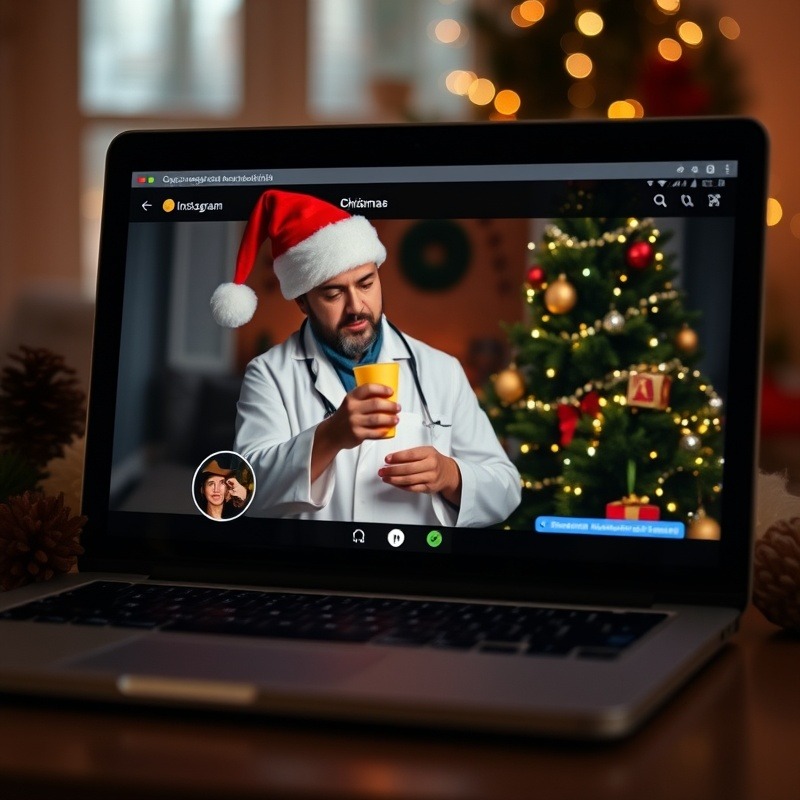
Examples of Memorable Christmas Promotional Videos

To inspire your creativity, here are a few examples of brands that have excelled in crafting unforgettable Christmas promotional videos:

John Lewis & & Partners

Known for their heartwarming|heartfelt holiday ads, John Lewis consistently delivers emotionally resonant Christmas videos that touch the audience's heart.

Coca-Cola

The Coca-Cola Christmas truck has become an iconic symbol of the holiday season, and its video campaigns stimulate a sense of nostalgia and happiness.

Apple

Apple's Christmas commercials often combine ingenious storytelling with joyful elements, leaving a lasting impact on viewers.


This holiday season, don't miss out on the opportunity to spread some magic through your 30-second Christmas promotional videos. By instilling the spirit of the season into your marketing efforts, you can connect with your audience on a deeper level and make your brand part of their holiday celebrations.


So put on your Santa hat, and let the creativity flow. 'Tis the season for creating memorable and merry advertising videos that leave a lasting impression! Want more information? Ask us about our tested framework creating incredible holiday branding videos!

Learn To Make Christmas Promotions Unforgettable

Social Media 5-Star Reputation Advertising

0 Comments

Write A Comment

*
*
Please complete the captcha to submit your comment.
Related Posts All Posts
04.22.2026

Boost Care with Online Patient Feedback Secrets

Did you know that more than 70% of patients now check online feedback before choosing a healthcare provider? In today’s digital-first healthcare landscape, a single review can shape trust, influence patient decisions, and impact your organization’s reputation. Online reviews have become a powerful tool not just for attracting new patients, but for improving quality of care and enhancing patient satisfaction.In this guide, you’ll discover proven strategies healthcare professionals use to gather patient feedback, turn insights into actionable improvements, and ensure every patient feels heard. From collecting meaningful reviews to responding thoughtfully, these practices help elevate the patient experience while strengthening your team and your practice’s credibility.Revealing the Power of Online Patient Feedback: How Today’s Reviews Shape Healthcare ExcellenceFor care organizations and healthcare providers, online patient feedback serves as a real-time pulse check—offering invaluable insights into what’s working, what needs improvement, and how patients really feel about their care provider. Patient feedback, collected and analyzed from digital channels, has redefined both patient experience and the standards for quality of care in today’s modern health service environment. Whether your focus is primary care or specialty care, constructive feedback from patients not only shapes internal quality improvement but also builds public trust, impacting prospective patients' decisions as they scan through online reviews.The influence of online reviews extends far beyond individual comments: aggregated data from patient feedback offers actionable trends, benchmarks patient satisfaction, and identifies areas for improvement that matter most to your community. Modern care professionals recognize that collecting patient feedback online goes hand-in-hand with continuous improvement, increased patient engagement, and stronger organizational reputation. As a trusted expert in patient care, you’ll find that leveraging online patient feedback isn’t just a box to tick—it’s a process that directly connects healthcare providers with those they serve, fueling positive change from the waiting room to the boardroom.Understanding Online Patient Feedback: The Modern Patient ExperienceWhat is Online Patient Feedback and Why Does It Matter?Online patient feedback refers to reviews, comments, and ratings shared by patients about their healthcare service experiences through digital channels—ranging from Google Reviews to Healthgrades, provider portals, and patient surveys. This feedback from patients is now front and center in shaping the modern patient experience, shifting the focus to patient-centered care, transparency, and ongoing quality improvement. Care providers across healthcare organizations rely on these digital insights not just to celebrate what’s working, but to uncover areas for improvement that paper surveys or in-person conversations might miss.For healthcare providers aiming to deliver the best quality of care, collecting patient feedback online is important. Patients typically describe both their positive and negative experiences—covering appointment booking, wait times, staff demeanor, provider communication, clarity of instructions, and facility cleanliness. Real-world input, when systematically gathered, identifies what patients value most and what changes might enhance satisfaction. Ultimately, this honest dialogue helps improve services, foster patient loyalty, and position your organization as an ethical, responsive leader in health care delivery.To further enhance your approach, consider how integrating digital feedback tools can streamline the collection process and provide deeper insights. Exploring practical strategies for implementing patient feedback systems can help your organization adopt the most effective methods for gathering and utilizing patient input.The Evolution of Patient Feedback in a Digital WorldHistorically, gathering patient feedback meant collecting hand-written notes, comment cards, or phone surveys directed at a handful of recent visitors. Today’s digital transformation in healthcare has revolutionized this process. Patients now expect instant, convenient ways to share their opinions—be it through smartphones immediately after an appointment or direct messages via secure patient portals.This shift from offline to online reviews has unlocked both opportunities and responsibilities for care professionals. Automated survey tools, public review platforms, and integrated feedback loops have replaced paper forms, bringing real-time, actionable insights. Healthcare organizations that embrace the digital evolution can swiftly adapt to patient needs, track trends over time, and showcase patient satisfaction directly to potential new patients. The more streamlined and accessible the feedback process, the better the reflection of the entire patient experience—from check-in to follow-up care.Impact on Healthcare Providers and Quality of CareThe impact of online patient feedback on care professionals and quality of care cannot be overstated. When organizations actively monitor, respond, and act on online reviews, they not only identify areas for improvement but also demonstrate to their community that they value patient experience and satisfaction. For patients, seeing a care provider acknowledge both praise and negative feedback is a signal of accountability and trustworthiness.Many healthcare providers now view digital patient feedback as a core part of their commitment to continuous improvement. Actionable online reviews surface trends—such as recurring delays, communication gaps, or exemplary bedside manner—that quantitative data alone cannot fully reveal. Proactive engagement with feedback also boosts transparency, meets regulatory quality benchmarks, and can protect organizational reputation in a competitive health service market. Simply put, attentive review and rating management helps ensure patients' voices genuinely guide better care delivery.How to Collect Patient Feedback Digitally: Platforms and Tools for Healthcare ProvidersBest Practices for Collecting Patient Feedback OnlineFor successful collecting of patient feedback, healthcare professionals must balance accessibility, privacy, and engagement. Start by offering multiple, simple ways for patients to provide input—including automated review invitations, digital surveys, and feedback kiosks. Communicate why their feedback matters—patients are more likely to respond if they know their input brings improvements or helps others choose high-quality care providers.Timing is critical; ask for feedback soon after an encounter while the experience is fresh. Keep surveys concise and allow patients to share both ratings and open-ended comments. Critically, assure patients their personal health information is protected, and always thank them for their participation. The process should be seamless, secure, and centered on making patients feel heard, not burdened by extra steps. Continuous gathering of patient feedback also requires reviewing your collection processes—adjusting frequency, delivery, and incentives to improve response rates and representativeness.Essential Platforms: Google Reviews, Healthgrades, and MoreChoosing the right platforms for collecting patient feedback is essential to reach a broad and relevant audience. Google Reviews remains a top choice as it’s visible directly on search results—helping both with reputation management and local search visibility. Healthgrades, RateMDs, and Vitals are industry-specific review sites where patients actively seek information about care providers and leave detailed accounts of their healthcare experiences.Other significant platforms include Yelp (widely used for local businesses including health service providers) and specialized survey tools such as Press Ganey, SurveyMonkey, and internal patient portals. Each channel offers distinct advantages—public visibility, detailed analytics, or private routes for sensitive feedback—letting healthcare organizations tailor their approach for the best patient experience and quality improvement.Patient Feedback Collection: Email, SMS, and Patient PortalsDigital communication is at the heart of modern patient feedback collection. Tools such as email surveys, SMS invitations, and secure patient portals offer patients multiple convenient ways to share their experiences. Email and text message surveys, triggered after visits or follow-ups, encourage quick, voluntary feedback that is easy to aggregate and analyze. Patient portals, integrated with electronic health records (EHR), provide a secure, routine way to request input during routine interactions.The flexibility of digital channels enables care providers to meet patients where they are—whether at home, in the waiting room, or between appointments. It’s important to strike a balance, using a mix of automation for scale and personalized messages to reinforce the value of patient feedback. Regular reminders, clear prompts, and a simple survey interface all increase participation and ensure a broad representation of voices across demographics.Balancing Automation and Personal Touch in Feedback CollectionWhile automation increases the efficiency of gathering patient feedback at scale, the human element remains vital. For effective online patient feedback collection, combine automated survey requests with personalized outreach from care professionals or front-desk staff. For instance, a nurse or administrator can introduce the survey at check-out, or add a handwritten note to a digital invitation, which reassures patients that their voices will not just be processed but listened to.Successful healthcare organizations continuously assess their approach, ensuring automated tools never feel cold or impersonal. The integration of care team acknowledgment—such as follow-up calls after negative feedback or public responses to positive reviews—amplifies engagement. Ultimately, patients are likely to provide more honest, comprehensive input when they sense a genuine interest from their healthcare provider, not just a routine box-checking exercise.Comparison Table: Key Platforms for Online Patient Feedback (Criteria: Features, Integration, Cost, Review Volume)PlatformKey FeaturesIntegrationCostReview VolumeGoogle ReviewsPublic visibility, easy access, affects search rankingBasic, via Google My BusinessFreeVery HighHealthgradesDetailed ratings, specialty-specific profilesThird-party or manualFree/PremiumHighPatient Portals (Epic/MyChart, Athenahealth, etc.)Private, EHR-linked, survey automationDirect integration with EHRUsually included with EHRModerate-HighYelpCommunity-driven, broad audienceBasicFreeModeratePress Ganey/SurveyMonkeyCustom analytics, benchmarking, compliance focusPlatform-specific or EHRPaidVaries (often high institutional use)Turning Patient Feedback Into Action: Improving Patient Satisfaction and Care QualityAnalyzing Online Reviews and Patient Feedback DataHaving gathered valuable online patient feedback, healthcare organizations must make sense of the data. Analysis starts by identifying recurring themes—positive comments about kindness and communication, or negative ones about wait times. Using statistical dashboards and sentiment analysis tools, care professionals can categorize feedback into actionable insights: what do patients most appreciate, and where do frustrations commonly arise?Beyond individual reviews, aggregate data is important. By comparing patient satisfaction trends over time, healthcare providers spot patterns and prioritize improvements that align with patient needs. For example, a repeated mention of unclear discharge instructions signals a training opportunity. As organizations develop a data-driven culture, regular feedback analysis ensures that changes align with patient expectations and support ongoing quality improvement.Metrics That Matter: Tracking Patient Experience, Satisfaction & ImprovementTracking the right metrics helps measure the real impact of online patient feedback on quality of care and patient satisfaction. Traditional star ratings are a starting point, but deeper analysis comes from targeted KPIs:Net Promoter Score (NPS): Measures patient willingness to recommend your practice.Response Rate: Shows how many patients engage with your feedback requests.Average Star Rating: Aggregates overall satisfaction across platforms.Qualitative Feedback Trends: Uncovers recurring themes and sentiment.Balanced attention to both quantitative scores and qualitative feedback from patients ensures that no stone is left unturned. High-performing care organizations review these metrics monthly and share actionable findings with the entire care team, closing the loop from gathering patient feedback to visible service improvements.Responding to Online Patient Feedback: Communicating with Compassion and ComplianceCrafting Professional Responses to Both Positive and Negative FeedbackA well-crafted response to online patient feedback signals to current and future patients that their feelings matter. For positive reviews, express gratitude and highlight what the team strives to deliver every day. For negative feedback, respond with empathy, acknowledge the concern, and offer to resolve the issue offline, stressing confidentiality and a commitment to improvement. Avoid canned responses—genuine, specific replies help humanize your organization.It’s wise to adopt a consistent internal protocol so staff—even those new to online review management—react calmly and empathetically. Address concerns promptly (ideally within 24–48 hours), stick to the facts, and never include protected health information (PHI) in public replies. Each response, whether to praise or criticism, is an opportunity to build trust and shape the narrative about your healthcare organization.Pitfalls to Avoid When Engaging with Feedback from PatientsNot every well-intentioned reply yields the desired effect. Beware of common pitfalls: arguing with or publicly shaming dissatisfied patients, revealing confidential information, deleting negative reviews, or failing to follow up after promising change. Reacting defensively often escalates issues and may dissuade prospective patients. Instead, adopt a transparent, solution-focused approach—showing you take feedback from patients seriously, and always seeking to improve.Provide staff with training on compliant, professional responses and set up workflows that escalate complex cases for administrative review. Recognize that negative feedback, when managed well, can boost patient satisfaction and demonstrate your culture of accountability. Each engagement is a chance to turn a disheartened reviewer into a loyal advocate.HIPAA Considerations for Care Professionals Responding OnlineHealthcare professionals responding to online patient feedback must strictly guard privacy. Never confirm someone is your patient or share any health details in your reply. Standard best practice for HIPAA compliance is to thank reviewers for their comments and invite them to discuss matters privately (via phone or secure message), avoiding specifics on public platforms. Train all staff, especially those managing reviews, on these essentials to protect both patient rights and your healthcare provider reputation.Draft standard response templates for sensitive situations and review online feedback policies regularly. Remain vigilant about platform changes—some updates may introduce risks unnoticed by frontline care professionals. Vigilance, plus a little empathy, keeps your care organization on the right side of privacy and public trust.Common Challenges in Gathering Patient Feedback—and How to Overcome ThemAddressing Negative Feedback Without Risking ReputationEvery healthcare organization will encounter negative feedback at some point. The key is to approach criticism as a learning opportunity, not a threat. Develop a structured, non-defensive process for addressing negative online reviews. Document and triage every complaint, tasking the appropriate care team members with investigation and resolution. Where possible, move sensitive discussions offline and follow-up to ensure concerns are addressed.Publicly, acknowledge the patient's feelings and outline your commitment to ongoing improvement. Internally, use feedback analysis to identify trends—if several patients mention the same issue, it's time for a quality improvement initiative. Handling negative feedback with integrity and transparency can turn a reputation risk into proof of a responsive, ethical healthcare provider.Protecting Privacy in Online Patient Review ManagementProtecting patient privacy is more complex in the digital age. Limit staff access to review platforms, enforce strong password protocols, and regularly audit account activity. Always anonymize patient details when sharing feedback internally and ensure platforms used for collecting feedback comply with HIPAA and other applicable regulations. Digital security training, encryption, and clear documentation protocols are essential to safeguard sensitive information when managing online patient feedback.Appoint a dedicated privacy liaison in your IT or compliance department—especially when integrating new review or survey tools—to monitor and address emerging privacy threats. Remind all care professionals: a single compliance lapse can undermine years of trust.Ensuring Feedback Represents All Patient ExperiencesOne challenge healthcare organizations face is ensuring the online patient feedback they collect actually reflects the full diversity of their patient base. Patients with extreme experiences (very positive or negative) are more likely to leave feedback, potentially skewing results. To counteract this bias, use randomized invitations, ensure surveys are available in multiple languages, and make feedback accessible on various devices.Take extra steps to reach underrepresented groups, such as older adults, rural populations, or those with disabilities—perhaps with in-person assistance or by embedding feedback opportunities at every point of care. By proactively inviting all patients to share their honest thoughts, your healthcare organization gains the accurate, actionable picture needed to drive improvement for everyone.Best Practices for Building an Online Patient Feedback Strategy in Your Healthcare OrganizationSetting Clear Feedback Goals: Define what you want to achieve—better NPS, improved response times, or higher ratings in specific service areas.Engaging Your Care Team: Involve everyone—from frontline staff to administration—in the feedback process. Regularly review trends and celebrate wins together.Building Feedback Into Every Patient Journey: Make feedback requests a routine, visible part of appointments, discharges, or telehealth visits.Continuous Monitoring and Adjustment: Track results, adapt platforms and approaches, and revisit your strategy quarterly to stay ahead of changes in technology and patient expectations.Key Takeaways for Leveraging Online Patient Feedback in Health CareOnline patient feedback has become a cornerstone of the modern healthcare experience, shaping how potential patients perceive quality, trust, and overall care. By actively monitoring reviews, ratings, and comments across digital platforms, healthcare providers gain valuable insights into what’s working well and where improvements are needed. This feedback not only informs operational and clinical decisions but also strengthens patient confidence and loyalty when handled thoughtfully.To make the most of patient feedback, healthcare professionals should establish a clear, consistent process for collecting, tracking, and analyzing input. Prompt and respectful responses to both positive and constructive reviews demonstrate accountability, empathy, and commitment to patient satisfaction. Practices that embrace this proactive approach not only enhance their reputation but also foster a culture of continuous improvement that benefits every patient interaction.Frequently Asked Questions on Online Patient Feedback for Healthcare ProvidersHow quickly should hospitals respond to online reviews?Ideally, hospitals and practices should respond to reviews within 24–48 hours. Prompt replies show attentiveness to patient experience, build trust, and increase the chances of positive outcomes, even after negative feedback.Can patient feedback platforms integrate with my EHR system?Most modern patient feedback tools offer integrations with EHR platforms, such as Epic or Athenahealth, making it easier to automate survey distribution and collect patient feedback securely. Check with your EHR vendor or survey provider for compatibility.What legal risks are there in responding to feedback?The primary legal risk is unintentional disclosure of protected health information when responding to public reviews. Follow HIPAA-compliant protocols and never discuss care specifics. Provide standard responses and move detailed conversations to secure, private channels whenever possible.Turn Patient Feedback into Practice GrowthReady to turn every patient review into an opportunity for trust, loyalty, and growth? Banida Digital helps your practice manage online patient feedback, strengthen your reputation, and shine across every platform—without the overwhelm. Visit Banida Digital’s website or contact us today to schedule a free consultation and start transforming patient insights into measurable improvements for your practice.Start Improving Care with Patient Feedback

04.20.2026

Avoid Crises with Healthcare Brand Monitoring Tips

Did you know a single negative review can drive dozens—or even hundreds—of potential patients away from your practice? In today’s hyper-connected world, monitoring your healthcare brand isn’t optional—it’s essential. Without active reputation management, practices risk lost trust, damaged public perception, and even financial setbacks.Ongoing brand monitoring allows you to detect issues early, respond to patient concerns promptly, and maintain your practice’s standing as a trusted choice in the community. This guide walks you through the strategies and tools needed to track, measure, and protect your healthcare brand—ensuring every comment contributes to trust, growth, and long-term success.The Power of Proactive Healthcare Brand Monitoring in Safeguarding Brand HealthBeing proactive in healthcare brand monitoring means you’re not waiting for a crisis to act. Instead, you track patient sentiment, brand mentions, and online reviews to identify trends and potential red flags before they escalate. This approach fosters a culture of continuous improvement where patient feedback is immediately valued and responded to—boosting both brand equity and trust. Practices that succeed here routinely measure brand health and view feedback—even criticism—as actionable insight, not just a threat. The real power lies in early detection and consistent action: each timely response to a review or social media post is a chance to protect your brand reputation and preserve loyalty in today’s competitive healthcare market.For healthcare organizations looking to deepen their understanding of digital reputation management, exploring secure access to specialized resources can be invaluable. Discover how a dedicated membership login portal can streamline your brand monitoring workflow and provide exclusive tools for ongoing success.Understanding Healthcare Brand Monitoring and Brand HealthDefining Healthcare Brand Monitoring, Brand Health, and Brand TrackingHealthcare brand monitoring is the ongoing process of systematically measuring and tracking brand health across all channels—both online and offline. By monitoring what patients, staff, and the general public are saying about your services, you gain insight into brand sentiment, reputation risks, and areas where patient experience can be improved. Brand health encompasses the overall perception, trustworthiness, and loyalty associated with your organization, while brand tracking refers to the regular collection and analysis of data points such as patient feedback, review ratings, and brand mentions on social media. Together, these concepts empower healthcare providers to stay ahead of issues, protect their image, and foster long-term patient relationships.The Relationship Between Brand Health Tracking and Patient TrustPatient trust is one of your most significant assets—and robust brand health tracking underpins it. When you pay close attention to patient reviews, online conversations, and brand health metrics, you demonstrate that you care not only about care quality, but also about the patient experience as a whole. Regularly tracking brand sentiment allows you to respond promptly to negative feedback, celebrate positive reviews, and uncover patterns that may indicate deeper operational issues. This transparency strengthens the connection between your practice and your community, increasing both brand loyalty and referral rates. It’s not just about protecting your reputation; it’s about actively fostering a culture of trust and open communication with the people you serve.Why Healthcare Brand Monitoring is Critical for Medical Groups and ProvidersHow Tracking Brand Health Influences Brand Equity and Brand AwarenessTracking brand health goes far beyond managing your online reputation—it directly impacts your brand equity and brand awareness. Every touchpoint, from first impressions on your website to comments on review platforms, influences how patients perceive your organization’s competence and reliability. A strong brand not only attracts new patients but also reassures current ones, fueling growth through word-of-mouth and increased market share. A transparent approach to feedback positions your team as open and modern—traits that are invaluable as healthcare becomes increasingly patient-centric. Consistent health tracking also boosts morale within your organization, aligning staff around shared values and actionable goals linked to brand performance.Common Brand Health Metrics: What to Track and WhyBrand Health MetricWhy It MattersBrand SentimentReflects public perception—key to patient trustCustomer SatisfactionDrives loyalty and referralsBrand AwarenessEnsures your practice is top-of-mindOnline ReputationImpacts both recruitment and retentionTracking these key metrics gives your team actionable insight into how your brand is performing among current and potential patients. Brand sentiment and customer satisfaction data highlight areas for service improvement, while online reputation and brand awareness scores reveal your position relative to competitors. Monitoring all four metrics as part of your ongoing brand health tracking process ensures you’re prepared for both opportunities and challenges as they arise.Core Components of Effective Healthcare Brand MonitoringBrand Tracking: What Healthcare Practices Need to MeasureEffective healthcare brand monitoring starts with robust brand tracking—measuring the elements that matter most to both your patients and your practice. This includes monitoring all brand mentions on social media, review platforms, and healthcare directories, as well as tracking patient satisfaction and frequent themes that emerge in both positive and negative feedback. Patient engagement rates, frequency of referrals, and even staff feedback should all be included in your health tracking program. By identifying which metrics most closely tie to your brand’s reputation and market share, you’ll gain an accurate, holistic view of overall brand health.Integrating insights from brand perception surveys, sentiment analysis, and benchmark comparisons with rivals helps highlight opportunities and risks. This data-driven approach ensures no feedback is overlooked and enables you to react promptly, increase brand loyalty, and safeguard your long-term brand equity. Remember: successful brand tracking is a continuous process, not a one-and-done task.Leveraging Social Listening and Social Media for Brand Health InsightsSocial media channels are where patient conversations happen in real time—and where potential issues can quickly escalate. Leveraging social listening tools lets you monitor public sentiment, track trending topics, and pinpoint shifting patient needs or misconceptions about your services. These platforms also provide opportunities to build rapport by responding to comments, celebrating milestones, or clarifying information, helping to reinforce a strong brand presence.Choosing the right listening tools tailored for healthcare ensures you can act on insights, not just gather them. Social listening enables healthcare providers to spot subtle changes in patient sentiment, segment inquiries by type or urgency, and rapidly prioritize direct engagement. For medical practices, the ability to translate social media feedback into rapid, visible action supports both improved outcomes and a more positive brand reputation.Customer Feedback and Patient Reviews: Building Blocks of Brand ReputationPatient reviews and direct feedback are the backbone of healthcare brand reputation. Today’s patients rely on online reviews as much as word-of-mouth, and many select their providers based on other people’s experiences. Structured collection and analysis of customer feedback not only surfaces service strengths but reveals points of friction or dissatisfaction. Swiftly addressing these reviews—publicly and privately—demonstrates genuine commitment to improvement and creates loyal advocates out of formerly frustrated patients.Medical groups should systematically monitor reviews across all major platforms, responding with empathy and clarity. Incorporating regular review analysis into provider meetings or communications planning ensures no valuable feedback falls through the cracks. These ongoing efforts lead directly to increased brand loyalty, better patient retention, and increased referrals, anchoring a positive brand reputation even when faced with isolated critical feedback.How to Track Brand Awareness, Sentiment, and Reputation in HealthcareSelecting Brand Health Metrics and Tools for Healthcare Brand MonitoringSelecting the right brand health metrics and monitoring tools often determines the success of your healthcare brand monitoring efforts. Effective tools provide a mix of quantitative and qualitative data, allowing for comprehensive analysis. Commonly used metrics include brand sentiment, patient satisfaction, volume of brand mentions, and net promoter score. Choose tools that enable sentiment analysis, track emerging issues across review sites and social channels, and integrate data from healthcare-specific platforms like Healthgrades, Vitals, or Google My Business.Healthcare providers also benefit from platforms offering automated alerts—so that leadership is informed of critical brand mentions as soon as they happen. Scheduling regular deep-dives into social media engagement rates, reputation trends, and patient survey scores supports ongoing improvement. Remember, the goal isn’t just to track brand awareness, but to gather meaningful insights that influence decision-making, staff coaching, and patient engagement activities.Step-by-Step Guide: Setting Up Brand Health Tracking for ProvidersChoose a social listening tool tailored for healthcareCreate a regular reporting schedule for health metricsAutomate alerts for negative mentions across review sites and social mediaReview both qualitative and quantitative health tracking dataBegin by selecting specialized healthcare monitoring tools that combine the power of social listening, sentiment analysis, and review aggregation. Next, set up automated processes—such as dashboards that collate feedback in real time and scheduled reports that summarize findings for leadership. This enables you to respond promptly to emerging risks and recognize patterns that may need deeper policy or service adjustments.Measuring Success: Aligning Brand Health Tracking with Practice GoalsTo ensure your healthcare brand monitoring doesn’t become a box-ticking exercise, align your metrics directly with your practice’s strategic goals. For example, if your objective is to improve patient retention, focus on trends within customer satisfaction scores and referral rates. If attracting top talent is a priority, prioritize monitoring online reputation and employer branding ratings. Regular calibration of your brand health tracking strategy ensures that all measurement supports actionable objectives—creating a data-informed culture that values continuous improvement and patient-centric care.Share your findings across leadership teams to drive alignment, highlight success stories, and address areas needing attention. By making informed decisions based on tracked brand perception and sentiment, your organization can confidently make adjustments to service delivery, marketing, or staff training—all in pursuit of a resilient, trusted healthcare brand.Building a Strong System for Healthcare Brand MonitoringEffective healthcare brand monitoring starts with visibility across every touchpoint. Practices must consistently monitor their website, social media platforms, online directories, and review sites to ensure no patient feedback goes unnoticed. Swift engagement—whether responding to praise or addressing concerns—demonstrates attentiveness and accountability. When dissatisfied patients receive timely, respectful responses, it reinforces your commitment to quality care and continuous improvement.Brand health should be measured, reviewed, and refined on an ongoing basis. Tracking key performance indicators (KPIs), analyzing trends in patient sentiment, and proactively adjusting messaging help practices stay aligned with evolving expectations. Most importantly, reputation management must involve leadership. When executives and department heads treat brand health as a strategic priority—supported by regular review cycles and shared accountability—it becomes a sustainable driver of trust, growth, and organizational excellence rather than just a marketing function.Best Practices for Healthcare Brand Monitoring and Brand HealthMonitor all channels, including your website, social media, and online directories.Engage quickly and professionally with both positive and negative patient feedback.Track brand health metrics and adjust messaging proactively.Involve leadership in reputation management initiatives.Schedule regular reviews of brand health data and KPIs.How to Mitigate Risks and Respond to Brand Crises in HealthcareDetect Issues Early with Proactive Brand MonitoringRapid detection is the first—and arguably most critical—step in minimizing the impact of potential brand crises. Utilize automated monitoring, social listening, and review alerts to identify risks before they become newsworthy. Encourage staff at all levels to report patient concerns, reputation risks, or operational problems so you can intervene early. Integrating brand health tracking with incident management policies ensures your team can move from detection to action in minutes, not days.Early interventions could involve clarifying a misunderstood policy on social media, adjusting appointment procedures, or directly addressing negative reviews before they are amplified. The goal: turn what could be a crisis into an opportunity for transparent communication and improvement.Establishing a Crisis Response Plan for Healthcare Brand ReputationEvery healthcare organization should have a clear, documented crisis response plan for brand-related threats. Develop escalation procedures that specify who handles what type of feedback, what the official public response should include, and how follow-up will be documented. Scenario-based planning (e. g. , viral review, significant negative clinical outcome, data breach) helps teams rehearse the steps before actual crises occur. Empower spokespeople with clear messaging and ensure all communications are empathetic, honest, and solution-oriented.Build post-crisis reviews into your brand monitoring process: every event, big or small, offers a chance to refine strategies and bolster long-term trust. Regular updates to your plan ensure continued relevance as digital communication channels and patient behaviors evolve.Frequently Asked Questions on Healthcare Brand Monitoring for Medical ProfessionalsHow often should providers review healthcare brand monitoring data?Providers should review brand monitoring data at least monthly, but weekly or even daily monitoring is recommended for larger organizations or those in competitive urban markets. Frequent reviews help identify trends, preempt risks, and maintain a consistently strong brand presence. Automated alerts ensure urgent concerns are addressed as they arise, reducing the likelihood of adverse reputational events.What tools are best for health tracking in medical practices?Top tools for health tracking include healthcare-specific platforms like Binary Fountain, Press Ganey, and Reputation. com, as well as broader social listening solutions such as Hootsuite, Sprout Social, and Brandwatch. These tools offer real-time sentiment analysis, review management, and comprehensive dashboards tailored to the needs of medical practices.Can healthcare brand monitoring improve patient retention rates?Absolutely—proactive healthcare brand monitoring helps you address negative feedback rapidly and reinforces trust among existing patients. By acting on insights and visibly improving the patient experience, you increase loyalty, encourage referrals, and ultimately drive higher patient retention rates over time.How does social media monitoring impact brand health in healthcare?Social media monitoring enables healthcare providers to catch emerging issues, respond to patient concerns publicly and promptly, and participate in important conversations about health services. By actively managing your brand perception on these channels, you protect your reputation and keep your practice front of mind when patients seek carBuilding a Resilient Healthcare Brand with Effective Brand MonitoringProactive healthcare brand monitoring is essential for protecting your reputation and maintaining patient trust. By actively tracking your practice’s presence across websites, social media, and review platforms, you can detect potential risks early and address concerns before they escalate. Leveraging health tracking tools and social listening allows healthcare organizations to stay ahead of issues, ensuring patient feedback is acknowledged and integrated into ongoing improvements.Patient input is a critical driver of how your brand is perceived. Regularly measuring, responding to, and adjusting brand health strategies creates a continuous cycle of improvement that strengthens credibility and loyalty. By treating brand monitoring as an ongoing priority rather than a one-time task, healthcare providers can build a resilient, trusted brand that adapts to patient expectations, industry changes, and evolving digital landscapes.Take Action: Protect and Grow Your Healthcare BrandHealthcare brand monitoring is essential for maintaining patient trust and strengthening your practice’s reputation. Banida Digital helps you manage your online presence, monitor feedback, and respond strategically—without the stress of doing it alone. Visit Banida Digital’s website or contact us today to schedule a free consultation and start turning every patient interaction into a trusted, visible, and growth-driving opportunity for your practice.Start Monitoring Your Healthcare Brand Today

04.17.2026

What Happens When Patient Reviews Healthcare: Quality and Trust

Did you know that 72% of patients read ratings and reviews before choosing a healthcare provider? In today’s digital-first world, decisions about care are influenced just as much by shared patient experiences as by credentials and clinical expertise. Online feedback has become a powerful force—shaping perceptions, strengthening (or weakening) trust, and directly impacting a practice’s growth.Patient reviews in healthcare now serve as a critical bridge between the quality of care you provide and how that care is perceived publicly. When managed strategically, feedback becomes more than commentary—it becomes an opportunity. In this guide, you’ll learn how to harness patient reviews to strengthen your reputation, build long-term loyalty, and position your practice for success in an increasingly competitive online landscape.Why Patient Reviews Healthcare Matter: The Power of the Patient ExperienceThe rise of digital platforms has transformed how patients approach health care. Today, people expect transparency—seeking detailed insights about providers through online reviews, star ratings, and patient feedback. For a busy parent or an elderly patient comparing health systems, it’s often these ratings and reviews that tip the scales. Potential patients want assurance of quality and trust before making that first appointment; for returning patients, positive feedback can reaffirm loyalty and foster long-term satisfaction. This emphasis on collective patient experience data underscores why healthcare organizations—from small clinics to health systems—must actively monitor and manage their online reputation.Defining Patient Reviews Healthcare: What Counts—and What Doesn’tPatient reviews focus on firsthand care experiences—covering provider communication, facility cleanliness, appointment scheduling, outcomes, and bedside manner. In contrast, general online reviews may be less specific or written by individuals who haven’t actually interacted as patients.Ratings and reviews offer important feedback for the modern patient experience, providing actionable, authentic insights into what it’s really like to receive care from a specific provider or facility.Not all online feedback is created equal. Verified reviews from actual patients carry the most weight—particularly when they reference specific experiences like timely responses, bedside manner, or treatment outcomes. By focusing on genuine survey responses and patient experience data, providers ensure that health organization reputations are based on real performance, not hearsay. This approach not only protects patients but also advances the healthcare review process as a true metric of quality and trust.The Psychology Behind Patient Reviews in Healthcare: How Online Trust Is FormedIn today’s digital healthcare landscape, trust is no longer built solely through referrals or bedside manner—it’s built online. Star ratings, detailed patient feedback, and overall online reputation now act as a public record that future patients carefully evaluate. In fact, recent surveys show that 84% of patients trust online reviews as much as personal recommendations, highlighting a major shift in how credibility is established. Whether for large healthcare organizations or solo practitioners, consistent feedback becomes a powerful signal of reliability, empathy, and quality of care.Patients—especially those facing new diagnoses or seeking specialized treatment—look for reassurance in the experiences of others. The frequency of reviews, the consistency of high ratings, and the depth of patient comments all shape perception. Providers who stand out are not only clinically skilled but also responsive, transparent, and open to learning from feedback. By actively engaging with reviews—both positive and critical—healthcare organizations demonstrate accountability and a genuine commitment to improvement, strengthening community trust in a very visible way.The Impact of Patient Reviews Healthcare on Care Provider ChoiceThe modern patient journey is driven by transparency and patient experience survey results. Individuals wanting reassurance search leading platforms (like Google, Healthgrades, or Zocdoc) to parse star ratings and read ratings and reviews from peers. Rarely is a provider selected without at least a cursory glance at this feedback. In fact, especially in competitive markets, a single negative review or low average star rating can prompt patients to look elsewhere, even if the provider’s clinical skills are top-notch. Conversely, a practice that harvests—and responds thoughtfully to—authentic patient reviews will naturally rise to the top of search results and patient shortlists alike.How Ratings and Reviews Shape Perceptions of Healthcare QualityResearch consistently shows a powerful connection between star ratings and perceived quality of care. Providers with higher ratings are often assumed to deliver better outcomes, stronger communication, and more attentive service—long before a patient ever steps into the office. In many cases, online impressions form the first layer of trust, influencing whether a potential patient decides to book an appointment or continue searching.Positive reviews reinforce credibility and attract new patients, serving as social proof that a practice delivers meaningful results. On the other hand, negative feedback—especially when patterns emerge—can quickly deter prospective patients. But both positive and critical reviews provide valuable insights. When healthcare organizations and individual providers treat feedback as actionable data rather than criticism, they unlock opportunities to refine processes, improve patient experience, and strengthen overall quality perceptions.Average Star Ratings vs. Appointment Requests Across SpecialtiesSpecialtyAvg. Star RatingMonthly Appointment RequestsPrimary Care4.8120Pediatrics4.6100Dermatology4.172Orthopedics3.960The chart above makes it clear: small differences in patient satisfaction, as reflected in average star ratings, can translate to significant gaps in patient demand. Practices that invest in a feedback-driven culture and actively learn from patient ratings and reviews stand out from the competition while elevating care quality overall. Both experience surveys and narrative feedback offer a robust framework for ongoing improvement.Common Pitfalls Healthcare Practices Face With Patient ReviewsMany healthcare organizations unintentionally damage their reputation by ignoring patient feedback, responding defensively to criticism, or mishandling responses in ways that risk exposing Protected Health Information (PHI). In a highly visible digital environment, even a single poorly handled reply can erode trust. When reviews go unanswered, negative narratives can gain traction, shaping public perception and potentially driving patient churn.A strong, structured process is essential. Assigning a dedicated reputation manager or digital coordinator to monitor reviews daily ensures feedback is addressed promptly and professionally. Using response templates helps maintain consistency, while keeping every reply respectful, patient-focused, and fully compliant protects both trust and legal standing. Most importantly, safeguarding PHI by avoiding specific patient details in public responses is non-negotiable. Transparency, empathy, and professionalism—handled the right way—turn reviews into opportunities rather than risks.Turning Patient Feedback Into Practice GrowthPatient feedback isn’t just commentary—it’s a roadmap for improvement and growth. Start by responding reliably and respectfully to every review, whether positive or critical. Thank patients for sharing their experiences and demonstrate a genuine willingness to improve; even acknowledging a less-than-ideal visit signals accountability and empathy. When it comes to generating more reviews, timing matters. Request feedback shortly after a positive care experience, during follow-up calls, or through automated post-visit surveys. Keeping the process simple and personal increases response rates and strengthens patient engagement.Success in managing patient reviews comes down to consistency and structure. Monitor online reviews regularly, respond promptly and professionally, encourage satisfied patients to share their experiences, and analyze recurring themes to uncover opportunities for improvement. Practices that routinely evaluate patient experience data often see measurable gains in both online reputation and satisfaction scores. A straightforward, team-based system prevents overwhelm while ensuring steady progress—and if the process feels challenging, partnering with experienced professionals can provide clarity and momentum.Showing the ROI of Patient Reviews and Online ReputationDiligent management of patient reviews directly impacts key metrics like appointment bookings, online reputation scores, and patient retention. For example, one clinic saw a 35% increase in appointment requests within six months after implementing a structured patient feedback strategy—proactively monitoring, analyzing, and responding to every online review.A focused approach turns data into actionable insights. By tracking trends in star ratings, measuring booking rates, and benchmarking against peer health systems, practices can clearly quantify the business value of patient reviews. Investments in technology, staff training, or expert support often pay for themselves multiple times over, as a strong online reputation drives both patient trust and sustainable growth.Managing Online Reputation: The Do’s and Don’ts for Healthcare ProfessionalsEffective online reputation management starts with clear best practices: set up review alerts, designate a reputation manager, and never include any Protected Health Information (PHI) in public responses. Handling feedback with empathy and professionalism is key to maintaining patient trust and credibility.Do apologize sincerely for poor experiences, invite patients to continue the conversation privately, and always thank reviewers for sharing honest feedback. Don’t ignore negative reviews, argue publicly, disclose patient details, or respond defensively—these missteps can quickly harm your reputation. By following these guidelines and learning from both survey data and real-world feedback, healthcare providers can strengthen credibility, improve patient relationships, and support long-term growth.Building Trust Through Patient ReviewsProactively managing patient reviews is essential for establishing trust and fostering growth in any healthcare practice. By actively monitoring feedback, responding thoughtfully, and encouraging satisfied patients to share their experiences, providers can strengthen credibility and demonstrate commitment to quality care. Each review, whether positive or constructive, becomes an opportunity to learn, improve, and reinforce patient confidence in your practice.Even small, consistent steps—like thanking patients, addressing concerns, and highlighting positive experiences—can create meaningful impact over time. Reputation is built gradually, but with intentional effort, every review contributes to a stronger online presence, increased patient loyalty, and sustainable practice growth.Frequently Asked Questions on Patient Reviews HealthcareHow can I encourage more patient reviews healthcare for my practice?The best way to increase reviews is to ask for them at the right time—right after a positive visit or outcome. Use automated surveys or friendly reminders, make it easy for patients to share experiences, and always express gratitude for their contributions. Satisfied patients are often happy to help if the request is personal and straightforward.What should I do if I get a negative review?Respond promptly, thank the reviewer for their honesty, apologize for the experience, and invite them to discuss their concerns offline. Avoid being defensive, and use all feedback as a learning opportunity for continuous improvement—patients appreciate providers who listen and care.Are online patient reviews really trustworthy?Most review platforms implement verification steps to ensure authenticity. Look for patient accounts that include details of the experience, and watch for trends across multiple reviews. While no system is perfect, the overwhelming majority of patient ratings and reviews represent genuine health care experiences.How do I stay HIPAA-compliant when responding to public reviews?Never share any personal or specific details about a patient’s visit or condition. Replies should be general—thanking patients for feedback, apologizing for unsatisfactory experiences, and offering to connect privately to resolve concerns. Protecting patient privacy is always the highest priority.What are the best sites for healthcare ratings and reviews?Leading platforms include Google Reviews, Healthgrades, Zocdoc, RateMDs, and Vitals. Each site has its own strengths; patients searching for care providers usually visit more than one platform to compare data. Claiming your profiles and responding consistently across these sites is vital for managing your online reputation.Ready to Grow? Harness Patient Reviews to Boost Visibility and TrustTake your healthcare practice to the next level with Banida Digital. We help you manage patient reviews, strengthen your online reputation, and increase visibility across every platform—without the stress. Whether it’s monitoring feedback, responding professionally, or implementing proven reputation strategies, our experts provide the guidance and tools your practice needs to build trust and attract more patients. Visit Banida Digital’s website or contact us today to schedule a free consultation and start turning patient feedback into a powerful driver of growth and long-term success.Boost Your Practice Reputation Today

Terms of Service

Privacy Policy

Core Modal Title

Sorry, no results found

You Might Find These Articles Interesting

T
Please Check Your Email
We Will Be Following Up Shortly
*
*
*