


Did you know that more than 80% of internet users turn to social media for health information before ever contacting a doctor? In today’s digital-first world, your healthcare practice’s social media presence is far more than a branding tool—it’s a powerful driver of patient trust, referrals, and community impact. Patients are actively searching, reading, and forming opinions long before they schedule an appointment.
With the right strategy, healthcare social media management can elevate your reputation, strengthen patient relationships, and position your practice as a trusted voice in your field. In this article, you’ll discover actionable, expert-backed steps to help your organization stand out, engage meaningfully with your audience, and thrive in an ever-evolving digital landscape.
Startling Growth: Why Healthcare Social Media Management Matters Today
The influence of social media in healthcare cannot be overstated. Patients are increasingly turning to Facebook, Instagram, and YouTube not only for community but to assess the credibility and effectiveness of their prospective healthcare providers. As a result, an intentional media strategy tailored specifically for health audiences is no longer a luxury—it’s a requirement for modern practices aiming to grow and remain relevant.
Far beyond simple posts, healthcare social media management shapes how a clinic or hospital is perceived. Regular, trustworthy content that addresses patient concerns builds lasting reputation and ensures that when patients seek help, your organization is front-of-mind. Social media also enables direct communication, prompt updates about services or crises, and a unique pulse on patient sentiment and feedback. Ultimately, an optimized social media management approach allows for both scalable outreach and authentic patient engagement—a vital combination for sustained success in today’s connected world.
As you develop your healthcare social media management plan, it's helpful to consider how a well-structured membership or login portal can streamline patient engagement and provide secure access to resources. For practical insights on implementing a robust digital gateway, explore the Membership Login Page and see how it can support your broader digital strategy.

Understanding the Landscape: Social Media in Healthcare
The Role of Social Media in Modern Healthcare
The arrival of social media in health has revolutionized the healthcare industry. No longer are patients limited to brochures, websites, or in-person seminars for their questions: platforms from Facebook to YouTube can deliver timely, targeted information at scale. Now, healthcare providers use these platforms to amplify vital health information—from wellness tips to real-time outbreak alerts—across entire communities. This approach not only educates but also actively supports public health outcomes, like vaccination drives or chronic disease awareness.
For clinics and hospitals, media in healthcare also presents a unique opportunity: to listen as well as broadcast. By monitoring comments and engaging with questions, clinics can foster relationships, clarify misinformation, and demonstrate accessibility outside traditional office hours. The benefits extend beyond patient connection: healthcare organizations gain insights into community needs and preferences, helping them adapt messaging and improve care delivery accordingly. In other words, social media is the new health “commons”—where patients and professionals connect in real time.
Top Social Media Platforms for Healthcare Providers
Each social network has distinct benefits and audiences, so a smart media strategy chooses the best mix for your goals. Facebook is ideal for building community and sharing updates; Instagram excels in delivering visually compelling health tips and clinic culture; LinkedIn is the top pick for B2B or networking with other healthcare professionals; and YouTube remains unmatched for educational videos and patient explainers. Assess where your patients or referring providers “hang out” and invest effort accordingly—no need to be everywhere, just where it counts.
Remember: the right platform diversifies your healthcare social media outreach. For patient education? Try YouTube and Facebook. For professional credibility and recruitment? LinkedIn is the place. Crafting content with your target audience in mind ensures your efforts produce genuine engagement and measurable health impact.

Building a Healthcare Social Media Management Team
Key Roles in Healthcare Social Media Management
Behind every outstanding social media management effort is a dedicated team. The landscape often starts with a skilled social media manager—someone who understands both the nuances of digital media and the specific sensitivities of the healthcare industry. They coordinate with healthcare providers to ensure content is medically accurate, timely, and in line with patient needs. A talented content creator or designer is also crucial. Their role is to make posts visually engaging and understandable, especially when simplifying complex medical information for a general audience.
Healthcare provider involvement ties everything back to patient care and clinical expertise. Input from clinicians, nurses, or administrators adds authority and credibility to content. The synergy of these roles enables your practice or organization to move quickly, respond to trends, and consistently connect with your audience in a genuine way.
Outsourcing vs. In-House Media Management
One of the most common questions in healthcare social media management is whether to manage everything in-house or partner with outsourced experts. Each approach has merits. In-house teams often understand local patient culture and respond rapidly to immediate needs. They can also ensure closer alignment with your practice’s mission. However, dedicated agencies typically provide access to advanced analytics tools, high-level content strategy, compliance expertise, and the capacity to keep up with evolving platform algorithms—even when your staff is stretched thin. For small clinics, outsourcing may actually streamline costs while keeping quality high.
Whatever your choice, the most effective media strategy starts with clear role definition and communication between clinical and digital staff. If you’d rather not tackle this alone, many clinics find value in expert support. Just ensure any outside partner has proven healthcare experience—they should understand HIPAA regulations and the subtleties of engaging vulnerable patient populations online.

Step-By-Step Social Media Strategy for Healthcare
Setting Clear Healthcare Social Media Objectives
Effective social media strategy always begins with clear outcomes. Are you seeking to educate patients about chronic disease management? Improve your reputation and attract referrals? Or perhaps run campaigns for public health awareness (like flu clinics or COVID-19 updates)? Start by clarifying both your objectives and your healthcare organization’s broader mission. This alignment ensures your content and interactions don’t just fill a feed but support your community’s real needs and your organization’s core values.
Once you define these objectives, every post, comment, and interaction should support your top priorities—whether answering common questions, sharing positive patient stories, or spotlighting public service initiatives. Remember, healthcare is personal; building trust and demonstrating expertise in your communications goes a long way toward meaningful engagement.
Developing a Custom Content Calendar for Healthcare Providers
A well-structured content calendar is your best friend for consistent, relevant social media in healthcare. Balance your posts between informational (health tips, FAQs), inspirational (patient success stories, care team highlights), and interactive content (Q&A sessions, polls). This rhythm keeps your feed interesting and allows you to prepare for key public health campaigns—like Breast Cancer Awareness Month or seasonal flu drives—well in advance.
Having a calendar also helps you avoid the “feast or famine” cycle—where you post daily during busy times and disappear for weeks during lulls. Instead, plan content for a whole month, using reminders to engage regularly. The table below offers a simple one-month blueprint to get started.
Sample 1-Month Healthcare Social Media Content Calendar
Week |
Monday |
Wednesday |
Friday |
Sunday |
|---|---|---|---|---|
1 |
Health Tip (e.g., Heart Health) |
Team Spotlight |
Patient Success Story |
Community Event Promo |
2 |
Seasonal Campaign Launch |
FAQ Video |
Wellness Inspiration |
Health Myth-busting |
3 |
Local News/Updates |
Live Q&A |
Patient Testimonial |
Preventative Tips |
4 |
Behind-the-Scenes |
Public Health Alert |
Staff Recognition |
Reflection/Thank You |
Crafting Authentic, Compliant Content
Compliance is the backbone of responsible media management in healthcare. Never share protected health information unless you have explicit, written patient consent. Use real patient stories only after discussing the purpose, format, and where their story will appear—always respecting their wishes regarding privacy and recognition. When in doubt, anonymize or create composite “avatar” patient stories.
For every piece of content, double-check medical accuracy and cite reputable sources. Follow HIPAA guidelines; even an innocent photo can breach privacy if it reveals patient details or healthcare records in the background. Include disclaimers where needed, such as “health information shared here is for general education, not individual diagnostic purposes. ” Being authentic is important, but so is protecting your patients and your practice’s reputation.

Healthcare Social Media Marketing: Reaching and Engaging Your Audience
Best Practices in Social Media for Healthcare Marketing
Success in media marketing for healthcare hinges on three pillars: consistency, clarity, and empathy. Regular posting—not just during health campaigns—signals reliability and keeps your audience engaged. A friendly, professional tone helps establish trust, while clear, accessible language ensures everyone can benefit from your updates regardless of their health literacy.
Video, infographics, and “day in the life” visuals humanize your organization and make complex concepts more relatable. Research shows posts with educational or behind-the-scenes videos are shared more and foster deeper engagement than text alone. Social media platforms now prioritize native video—so a short, friendly clip from your healthcare professionals often outperforms old-fashioned posts.
Leveraging Social Media Platforms for Maximum Impact
Each social media platform rewards particular formats—maximize engagement by tailoring content accordingly. Facebook’s groups and live sessions build two-way dialogue. Instagram Stories showcase timely “quick hits” (like appointment reminders or flu tips). LinkedIn articles highlight your organization’s expertise and community involvement, while YouTube is ideal for patient education and “doctor explains” content.
Boosting high-performing posts or testing paid ads can help you reach target demographics, especially for location-based services like new specialty clinics or vaccination pop-ups. And in periods of public health urgency, such as telehealth expansions, social feeds are an efficient channel to keep patients informed with up-to-the-minute updates and guidance. Always measure the return on paid investments and focus on value, not just vanity metrics.
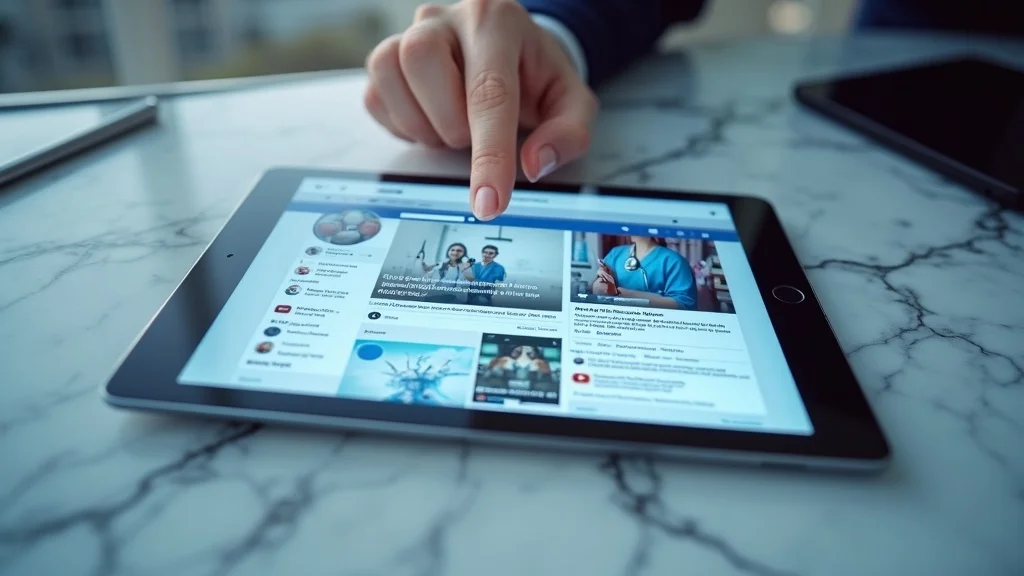
How to Measure Success in Healthcare Social Media Management
Key Social Media Analytics for Healthcare Providers
Data-driven social media management turns efforts into results. Begin by tracking baseline engagement metrics such as likes, comments, shares, and total reach. But, don’t stop there: For media for healthcare to be strategic, monitor true business outcomes like new patient inquiries, appointment bookings through social channels, and positive reviews posted online. These key performance indicators (KPIs) reflect the real value of your content calendar and campaigns.
Analytics tools—ranging from built-in platform dashboards to third-party solutions—make it simple to compare outcomes over time. If a certain style of post or video resonates, do more of it; if others fall flat, refine or test new formats. Cultivate a team culture of continuous improvement—social media in healthcare is never “set and forget. ” Use your data to make smarter, more impactful choices every month.
Top Healthcare Social Media Metrics to Monitor
Metric |
Why It Matters |
Tool/Platform |
|---|---|---|
Engagement Rate |
Measures audience interaction and interest |
Facebook/Instagram Insights |
Reach/Impressions |
Assesses how many see your updates |
Social Media Dashboards |
New Patient Inquiries |
Direct indicator of campaign impact |
CRM/Website Analytics |
Positive Reviews/Testimonials |
Builds community trust, attracts others |
Google My Business, Facebook |
Content Shares |
Shows value and virality of posts |
Native Platform Analytics |

Common Pitfalls in Healthcare Social Media Management (and How to Avoid Them)
With opportunity comes risk. The most common mistakes in social media management for healthcare organizations include unintentional privacy violations, inconsistent posting cycles, and neglecting to address patient feedback—in particular, negative reviews. Always remember: Social channels are public, and patients expect professionalism combined with empathy.
Don’t provide diagnostics or individualized medical advice online. Instead, invite patients to book an appointment for personalized care. Make privacy an organizational priority by training all staff on HIPAA guidelines, and use dedicated workflows for managing particularly sensitive posts or questions. Regularly monitor feedback and respond openly—showing you care about improvement and transparency. Consistency in posting builds trust, while silence (or only “advertising” posts) can quickly erode it.
5 best practices for safe and effective healthcare social media:
Always respect privacy and obtain consent
Vet all content for medical accuracy
Be consistent in voice, schedule, and branding
Monitor and measure results to refine your approach
Respond thoughtfully and promptly to feedback, both positive and negative
Building Trust Through Strategic Healthcare Social Media
Modern healthcare social media management is no longer optional—it’s a vital extension of your patient experience. When approached strategically, it strengthens engagement, reinforces your reputation, and positions your practice as a reliable source of information in a crowded digital space. Thoughtful platform selection and intentional content creation ensure your message reaches the right audience in a meaningful way.
Success comes from consistency, measurement, and refinement. By monitoring performance, adjusting strategies, and maintaining a clear, compliant process, healthcare organizations can minimize risk while maximizing impact. With the right structure in place, social media becomes more than marketing—it becomes a powerful tool for education, connection, and long-term growth.

Frequently Asked Questions About Healthcare Social Media Management
What are the best social media platforms for healthcare?
Facebook, Instagram, LinkedIn, and YouTube are generally best for healthcare providers. Each serves different audiences—choose based on your goals and where patients are most active.
How do you ensure HIPAA compliance on social media?
Always remove identifying patient information, obtain written consent when sharing stories, and train staff regularly on privacy rules. Use two-step approvals for sensitive posts.
What content performs best for healthcare organizations?
Authentic stories, explainer videos, behind-the-scenes photos, and timely health updates get the most engagement. Patients love to see the real people behind the practice.
Can small practices succeed with social media management?
Absolutely! Even solo practitioners can achieve major results by focusing on consistency, community engagement, and responding to feedback promptly.
How often should healthcare providers post on their social platforms?
Aim for at least 2–3 times per week for steady engagement, but quality and consistency matter more than quantity.
What should you measure to know if your strategy is working?
Track both social metrics (engagement, reach) and business outcomes (new patient appointments, reviews). Use these insights to adjust your approach regularly.

Take the Next Step: Strengthen Your Healthcare Social Media Strategy
Ready to become the first choice for patients in your community? Banida Digital helps healthcare practices build trust, increase visibility, and manage social media with confidence—without the overwhelm. Visit Banida Digital’s website or contact us today to schedule your free consultation and discover how a strategic, compliant approach to social media can drive meaningful growth for your practice.




Write A Comment