


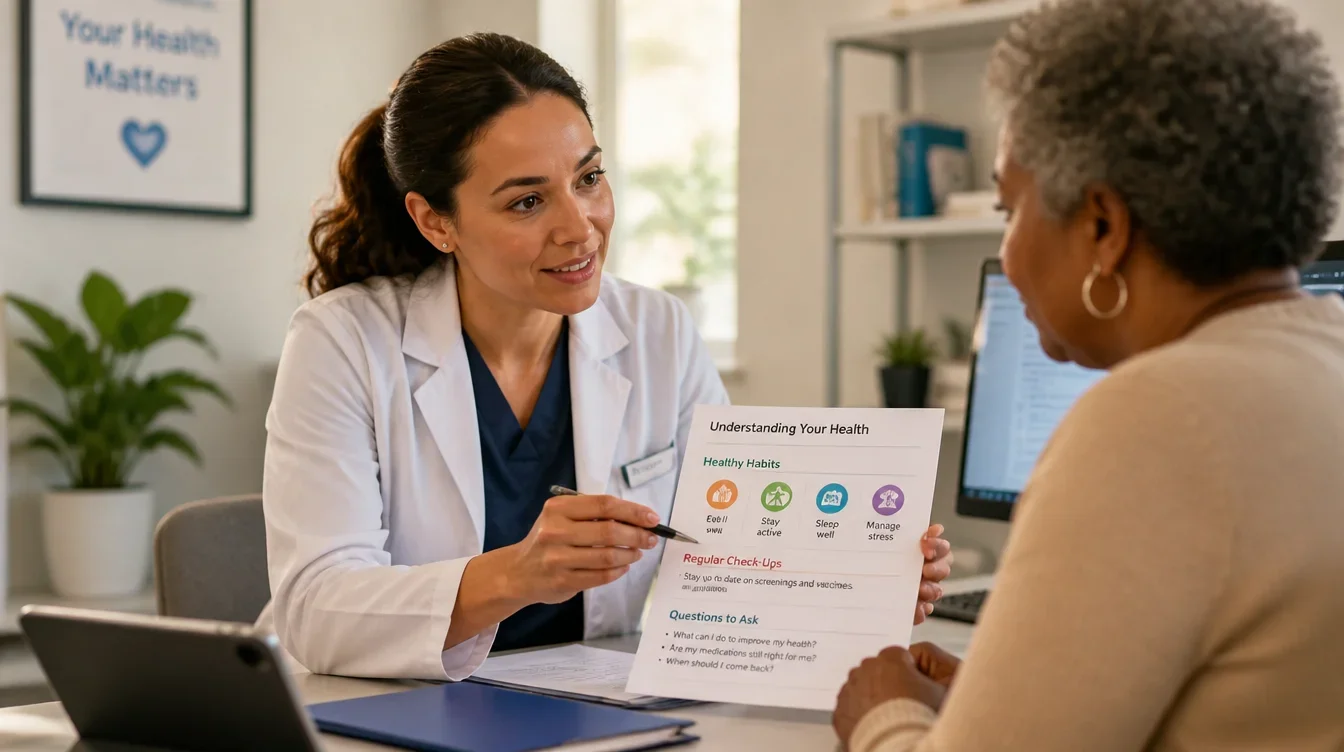
Picture this: a patient sits in a healthcare provider’s office, anxious and unsure, but leaves feeling empowered, confident, and ready to manage their health. This transformation isn’t accidental—it’s the result of effective patient education strategies in action. In today’s complex health landscape, helping patients understand their medical condition, treatment options, and wellness steps isn’t just a “nice-to-have”—it’s mission-critical to improving health outcomes. Let’s explore how you can create similar success stories in your care environment.
Experience the Impact of Patient Education Strategies in Care Environments
In modern health care settings, patient education strategies are central to positive patient experiences and outcomes. Whether in a primary care clinic, hospital, or specialty medical office, education is no longer a one-time conversation. Today, care professionals tailor patient education materials to fit diverse needs, guiding patients through diagnoses, chronic condition management, and preventive steps. The result? Patients are more likely to take an active role in managing their health conditions, adhere to treatment plans, and ask informed questions, leading to fewer misunderstandings and improved patient outcomes.
A well-developed patient education process goes beyond handing out leaflets. It weaves health literacy, cultural understanding, and practical, easily understood materials into every touchpoint in the care journey. Healthcare professionals see real-world transformation when trustworthy education material helps patients comprehend instructions, recognize warning signs, and feel empowered to participate fully in their care. By integrating best practices, every touchpoint in a patient's journey becomes an opportunity for better knowledge, healthier behaviors, and stronger long-term results.
Patient Education Strategies: Observing Transformation in Real Life
Imagine a patient newly diagnosed with diabetes. Instead of leaving the clinic with just a prescription, they receive easy-to-understand pamphlets, interactive digital resources, and a follow-up call from a nurse educator. This multi-pronged approach ensures they not only know what insulin is and how to use it, but also why their daily choices matter. Over time, these strategies foster improved health literacy, stronger self-management skills, and trust between the patient and the care team.
Real transformation also happens in group education sessions: a mix of ages and backgrounds gather as a nurse demonstrates asthma inhaler techniques using visual aids and models. Patients and families ask questions, clarify uncertainties, and leave with clear, actionable steps. These real-life examples underscore how effective patient education materials and strategies elevate the level of care.
While patient education is essential for empowering individuals within the clinic, it's also important to consider how outreach and communication extend beyond the exam room.
The Important Role of Patient Education in Healthcare
Patient education is not simply a box to check—it is a guiding principle of quality healthcare. When patients understand their health information and actively participate in their care, research routinely shows improvements in treatment adherence and long-term health outcomes. In fact, care professionals who integrate patient teaching methods into every interaction foster a culture of safety and empowerment, helping patients and families navigate the health system with greater confidence.
By prioritizing tailored education strategies, healthcare professionals ensure that patient education materials resonate with every individual—no matter their age, background, or literacy level. Ultimately, an investment in patient education isn’t just an ethical obligation—it’s a proven driver of better health, reduced complications, and increased satisfaction for both patients and healthcare teams.

Understanding Patient Education Strategies and Their Significance
Defining Patient Education: What Sets Effective Approaches Apart
Patient education is more than just the information shared—it’s how, when, and why it’s delivered. Effective patient education strategies go beyond generic instructions, aiming to meet patients where they are in terms of knowledge, motivation, and preferred learning style. Successful approaches are conversational, iterative, and tailored, blending printed education material, hands-on learning, digital resources, and frequent check-ins to ensure understanding. What sets really effective techniques apart is their focus on making complex health information accessible, relevant, and actionable for every individual.
For care professionals, understanding what works—and why—can mean the difference between simply telling a patient what to do and helping them actively participate in their health journey. Techniques like teach-back, visual demonstrations, and group discussions reinforce core messages and adapt in real time based on patient responses. Ultimately, effective patient education material bridges communication gaps, supports better decision-making, and helps patients feel supported rather than overwhelmed.
Health Literacy as a Foundation for Patient Education Strategies
Health literacy, the ability to find, understand, and use health information, is the cornerstone of all successful patient education strategies. Patients with low health literacy often struggle to follow medical instructions or navigate healthcare systems, impacting everything from medication adherence to appointment scheduling. By focusing on boosting health literacy, care professionals make sure education materials resonate with patients of all backgrounds and literacy levels.
Strategies for improving health literacy include using plain language, clear visuals, and confirming understanding through interactive techniques like teach-back. For healthcare professionals, assessing each patient’s language skills and preferred learning style ensures that no one is left behind. By building health literacy, clinicians empower patients to ask questions, make informed decisions, and confidently manage their own health.
Research-Backed Benefits of Patient Education Material and Patient Education Materials
Research consistently demonstrates that high-quality patient education material leads to better patient outcomes. Patients who have access to clear, tailored educational materials are more likely to report better medication adherence, improved disease management, and higher satisfaction with care. These findings hold especially true in chronic condition care management, where ongoing education helps patients adapt to changing needs over time.
Effective patient education materials can also reduce unnecessary hospital admissions and emergency visits by helping patients recognize symptoms early, correctly administer treatments, and confidently engage with their care team. When educational approaches are data-driven and designed around patient feedback, the result is stronger engagement, safer care, and enhanced overall well-being.

Core Components of Successful Patient Education Strategies
Creating Effective Patient Education Material and Education Materials
At the heart of effective patient education strategies lies the development of high-quality, easy-to-understand education material. This includes print handouts, digital guides, visual diagrams, and interactive online resources. The best education materials are accessible—using large fonts, plain language, and relevant imagery—in order to bridge gaps for patients with different literacy levels and backgrounds.
Whether creating handouts for a primary care office or designing interactive mobile apps, it’s essential to test materials for clarity and usability. Involving patients in the review process can reveal confusing terms or gaps in understanding. By co-creating these resources, healthcare professionals ensure that every item is evidence-based, culturally sensitive, and really useful for the real-world questions patients may have about their health condition or treatment.
Tailoring Patient Education Strategies to Learning Styles
Every patient brings a unique learning style to the healthcare encounter. Some may prefer reading, others learn best through demonstration, and many benefit from combining multiple methods. Tailoring patient education strategies to address visual, auditory, and kinesthetic learners significantly boosts comprehension and engagement.
Practical approaches include supplementing conversations with illustrations, using teach-back to confirm understanding, and providing hands-on practice for tasks like wound care or medication administration. Care professionals who observe and adapt to each patient’s responses deliver more personalized, effective patient education—leading to higher overall satisfaction and success.
Role of Healthcare Professionals in Patient Education Strategies
Healthcare professionals are the bridge between complex medical knowledge and everyday understanding. Their ability to translate a diagnosis into practical steps—and check for understanding—plays a key role in patients’ health literacy and outcomes. More than just delivering information, care professionals foster relationships, encourage questions, and personalize education materials based on individual needs and preferences.
With experience, providers learn to recognize when a patient is struggling with low health literacy or cultural barriers and can adjust accordingly. They play an active role in setting a welcoming tone, introducing educational material, and continually improving their own teaching practices to produce better health outcomes among diverse patient groups.
Best Practices for Developing Education Material and Educational Materials
Simple Language and Visuals: Enhancing Health Literacy
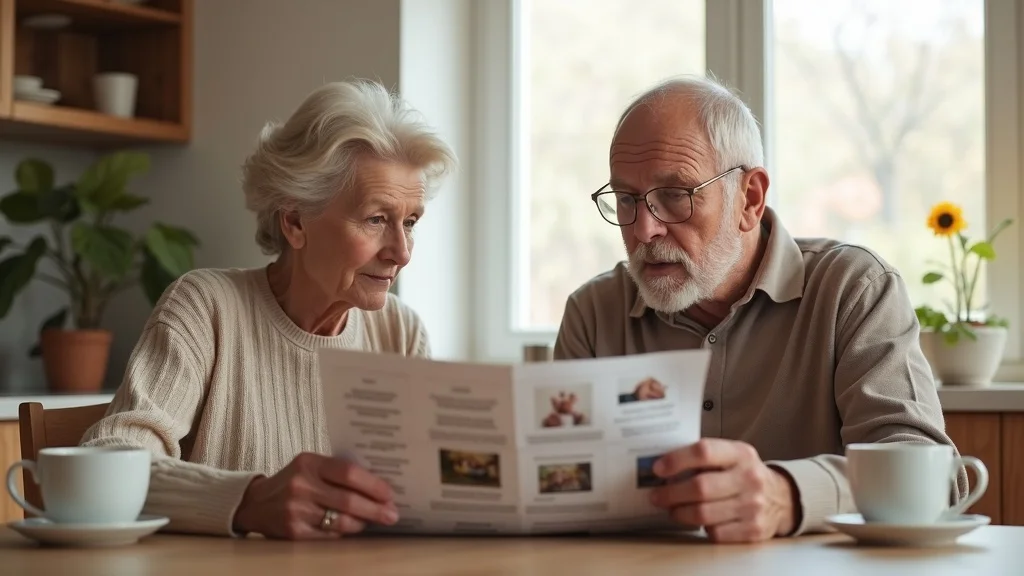
The best educational materials are built around the concept of “plain language”—avoiding jargon, using short sentences, and relying on clear, supportive images. Visual aids, such as diagrams, step-by-step photos, or easy-to-read infographics, help reinforce information and make it easier for patients to follow instructions and remember key points.
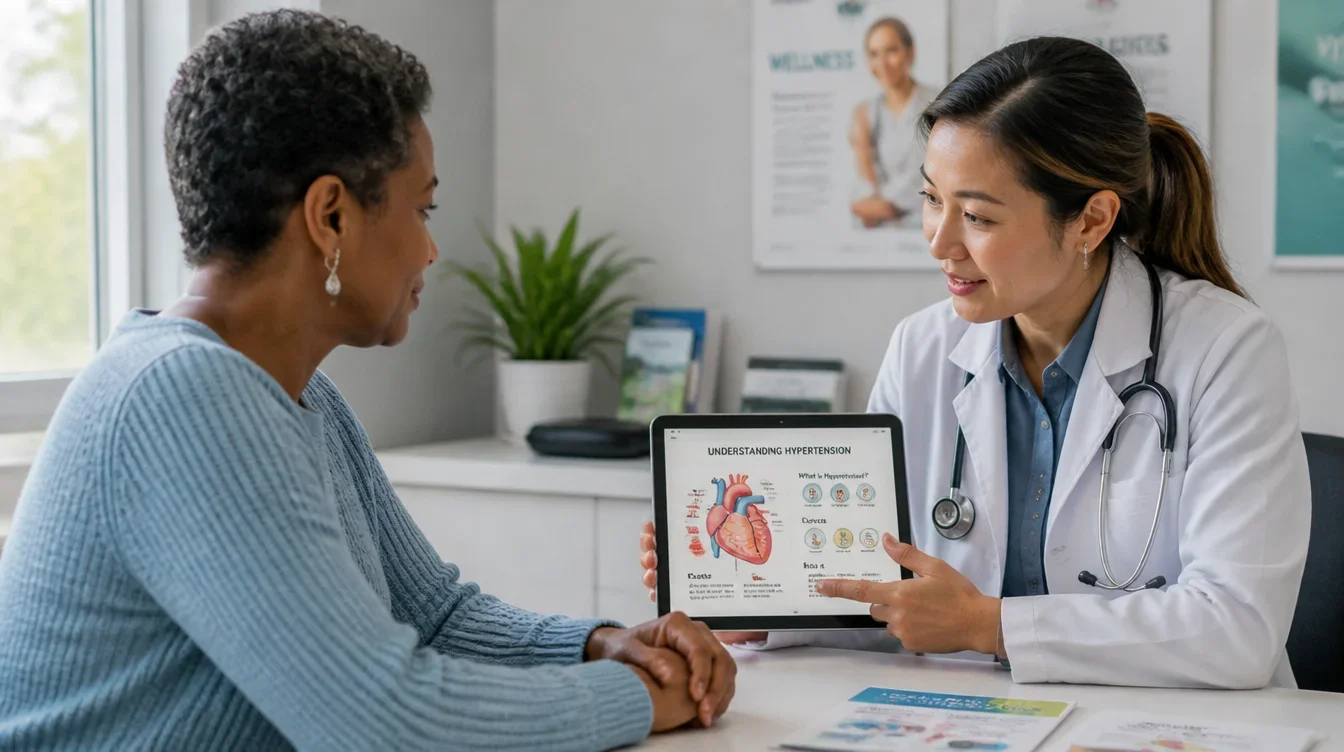
For example, a large-print, picture-rich leaflet about managing hypertension not only explains medication regimens but also demonstrates the correct use of a home blood pressure monitor. These thoughtful touches empower patients at all literacy levels, including elderly adults or those learning a new language, to confidently participate in their care and make informed decisions about their health.
Interactive Patient Education Materials to Improve Adherence
Interactive materials—like quizzes, digital apps, or checklists—boost engagement and promote lasting learning. Patients who actively participate in their education retain more information and are more likely to adhere to treatment recommendations. Digital education materials can incorporate videos demonstrating procedures, interactive modules for medication management, and reminders for appointments or task completion.
These tools encourage patients to take an active role, increasing confidence and reducing forgetfulness. For care professionals, incorporating feedback and iterative improvements based on user experience ensures that interactive educational materials remain effective and relevant.
Addressing Barriers: Literacy, Language, and Cultural Sensitivity
Every care environment includes patients with different backgrounds, languages, and learning needs. Developing patient education materials that account for these differences—using translation, culturally appropriate visuals, and consideration for religious or community values—fosters inclusivity and trust. Avoiding medical jargon and using common analogies to explain complex health concepts helps overcome literacy barriers.
Providers should assess each patient’s preferred language, literacy level, and any potential cultural sensitivities before delivering education. Partnering with professional translators or community advocates ensures that the entire patient population receives clear, actionable information, ultimately improving both individual and public health outcomes.
Summary Comparison of Patient Education Strategies and Their Effectiveness
Education Strategy |
Core Features |
Best For |
Pitfalls |
|---|---|---|---|
Plain Language Handouts |
Simple text, large fonts, basic illustrations |
General clinic visits, older adults |
May not address individual questions |
Interactive Digital Tools |
Videos, quizzes, reminders |
Younger patients, chronic condition management |
Digital literacy required |
Group Demonstrations |
In-person sessions, hands-on practice |
Schools, community centers |
Time and resource intensive |
Teach-Back Technique |
Patient explains back instructions |
All literacy levels, primary care |
Takes extra time |

Measuring the Effectiveness of Patient Education Strategies
Key Outcomes: Improve Patient Knowledge and Patient Outcomes
Measuring success starts with defining what matters: improving patient knowledge, boosting treatment adherence, and supporting positive behavior change. Effective patient education strategies are reflected in fewer missed doses, clearer understanding of diagnoses, and greater satisfaction with care. Tracking outcomes like these provides essential feedback—revealing where education materials work and where they fall short.
Healthcare professionals should monitor patient comprehension through open-ended questions and observation, adjusting education content and delivery as needed. Improvements in self-care, fewer hospital readmissions, and better chronic disease management are strong indicators that education strategies are tangibly benefiting patients.
Data-Driven Approaches: Collecting Feedback and Tracking Results
Data collection is key for continuous improvement. Patient surveys, direct feedback, and trackable digital engagement (such as app usage or quiz completion) offer valuable insights. By analyzing this information, care professionals identify trends, spot knowledge gaps, and refine educational materials to match patient needs more closely.
Regular review sessions with colleagues and patients, as well as collaborative reflection on outcomes, create a culture of learning in which everyone benefits. Over time, a data-driven approach leads to more effective patient education, stronger health literacy, and lasting improvement in health outcomes.
Common Pitfalls in Evaluating Patient Education Strategies
Even the best patient education strategies can fall short if they aren’t evaluated thoroughly. Common pitfalls include relying only on post-visit surveys, assuming comprehension rather than confirming it, or failing to follow up on materials provided. Some healthcare professionals may focus on the volume of information shared rather than the depth of patient understanding.
To overcome these pitfalls, healthcare teams should use a multimodal evaluation process. This could include structured patient interviews, teach-back demonstrations, and periodic knowledge checks. Continuous improvement requires honest feedback, willingness to iterate, and patience as both staff and patients adapt to new approaches.

Integrating Patient Education Strategies Into Practice
Workflow Tips: Making Patient Education Part of Routine Care
The best patient education strategies become a seamless part of the daily workflow—integrated into every visit, not left for emergencies. Prioritizing education in the care team’s routine, such as adding documentation fields for “education provided” or setting specific check-in points for follow-up, ensures that patient understanding is always front and center.
Use brief, focused touchpoints at each visit to deliver a “small, actionable next step”—from reviewing medication instructions to demonstrating self-monitoring at home. Standardizing documentation and leadership support are essential, making patient education a visible and valued part of quality care.
Training the Healthcare Team: Essential Steps
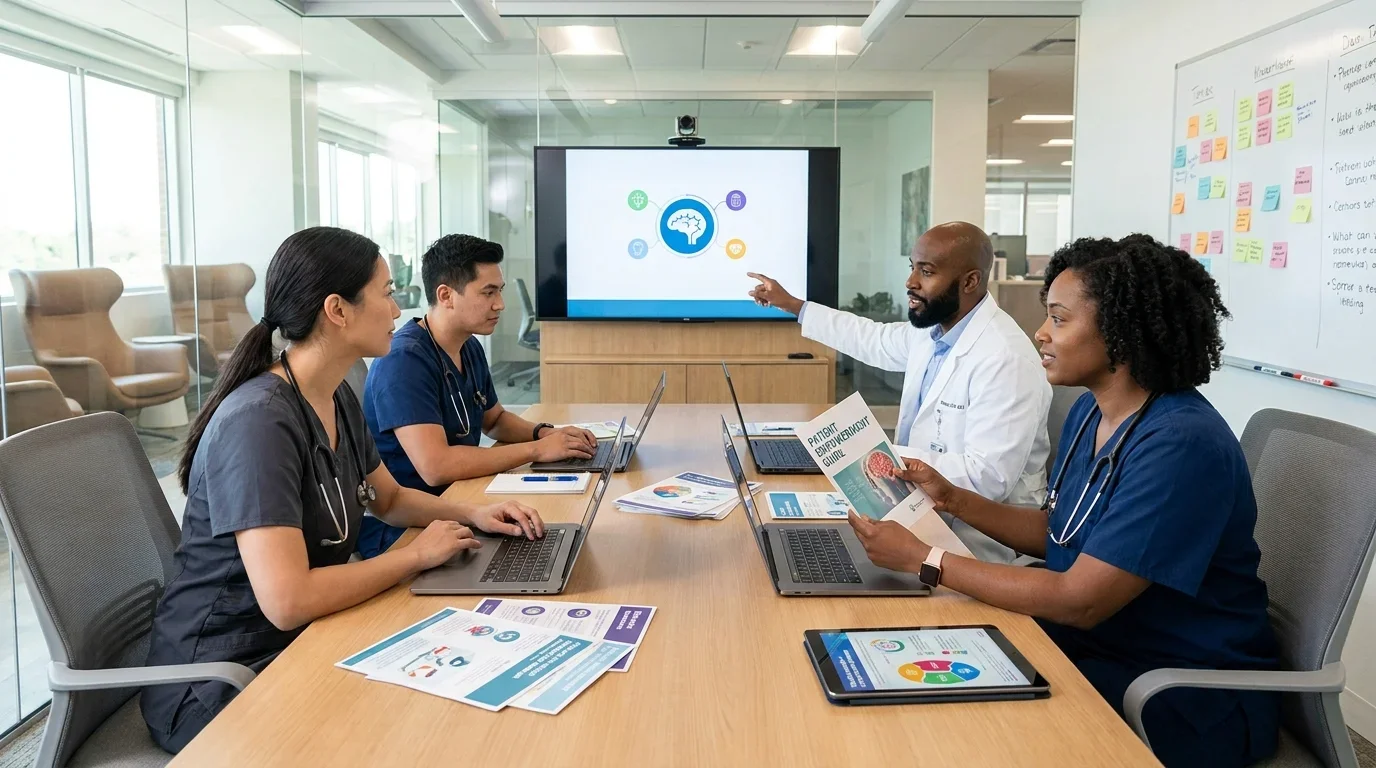
Empowering all members of the healthcare profession—including front desk staff, nurses, doctors, and allied health professionals—to take part in patient education efforts is vital. Regular training sessions and “best practice” workshops ensure everyone is up to date on the latest, evidence-based education materials and approaches.
Encouraging staff to share real-world challenges and success stories can help disseminate approaches that work best for the practice’s unique patient population. Developing quick-reference guides, maintaining a central repository of trusted resources, and assigning team education leads can further embed patient education in the daily workflow.
Patient-Centered Care: Adapting Strategies Over Time
Effective patient education strategies are not static—they adapt as patient needs, knowledge, and health conditions evolve. Patient-centered care means listening actively, reviewing what works (and what doesn’t), and modifying materials and delivery methods in response to feedback. This ongoing adaptability strengthens trust and ensures education keeps pace with changing health landscapes.
Healthcare professionals can set regular check-ins or “mini-assessments” to review progress and adapt strategies. Flexibility in both content and approach means patients are always met where they are, making education materials really patient-centered and effective in every phase of care.
This short animated video summarizes the essentials of effective patient education strategies—highlighting how different approaches support learning, health literacy, and improved patient outcomes through real-world clinical stories.
Adapting Patient Education Strategies for Diverse Populations
Cultural, Linguistic, and Socioeconomic Considerations
Patients come from all walks of life, bringing unique cultural, linguistic, and socioeconomic backgrounds to the healthcare encounter. Building education materials that respect these differences is key to achieving equitable health outcomes. Translating materials, using culturally representative images, and seeking feedback from local community members make education feel relevant and dignified.
Socioeconomic considerations—like access to smartphones or internet—may also impact the delivery of digital education materials. Providers can partner with community resources, such as local libraries or cultural centers, to ensure educational content reaches everyone, regardless of economic background.
Technology and Accessibility: Digital Patient Education Materials
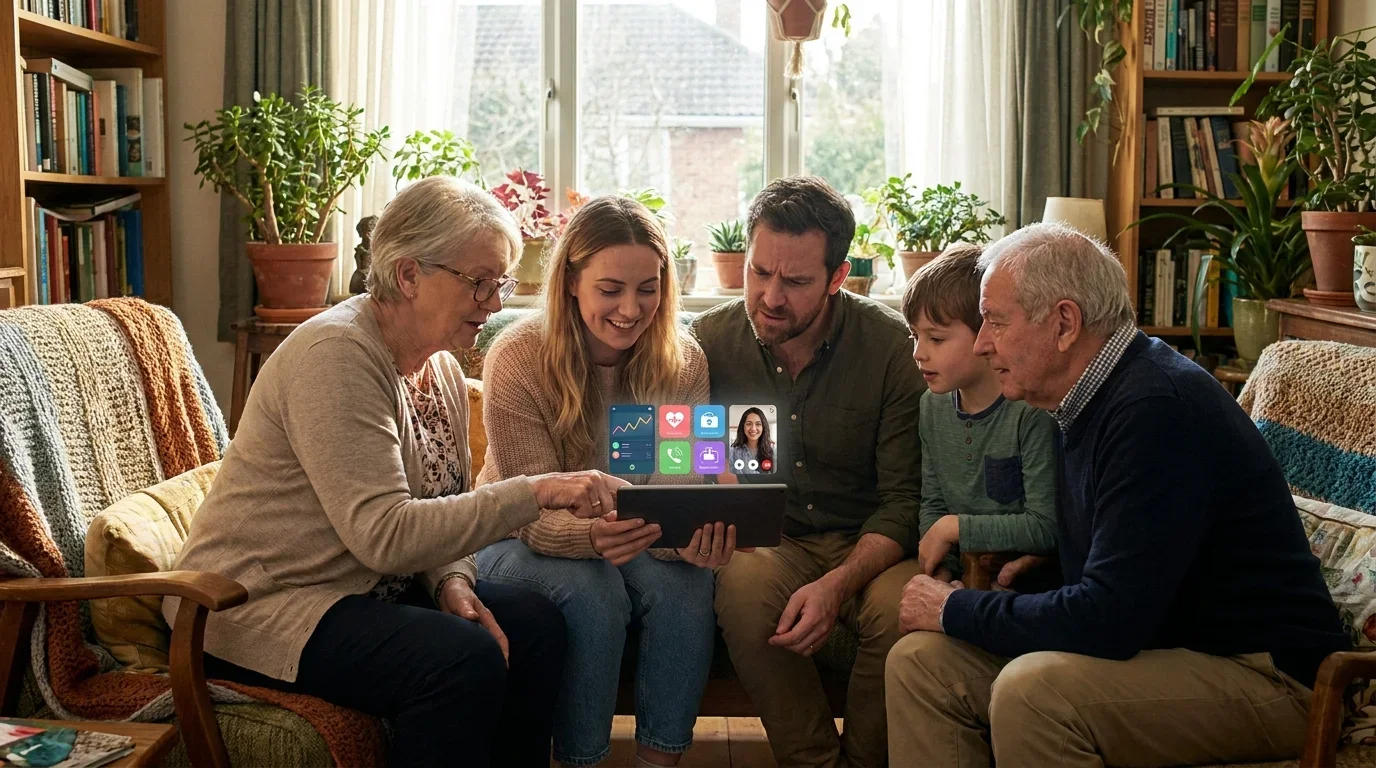
Digital tools have revolutionized how patient education materials are delivered. From healthcare apps to online portals, providers can deliver step-by-step guides, medication reminders, and symptom trackers at the patient’s fingertips. For visually impaired or older adults, digital resources should be accessible—with screen-reader compatibility, adjustable text size, and plain language content.
While technology brings new possibilities, healthcare professionals should assess digital literacy during the patient intake process and provide alternatives when needed. The goal is to make education materials accessible to all—empowering families and multi-generational households to engage together in making healthy choices.
Equitable Care: Reaching At-Risk Groups with Education Materials
At-risk groups—such as individuals with low health literacy, limited access to care, or chronic conditions—benefit most from well-designed, equitable education materials. Healthcare professionals should identify gaps by reviewing community health data, reaching out through trusted local networks, and offering materials in multiple formats.
Equity-driven patient education recognizes and actively addresses barriers to understanding, from translation to technology. By continually updating resources and gathering input from patients and advocates, care professionals close communication gaps, nurturing inclusive and safer health environments.

Overcoming Common Challenges in Patient Education Strategies
Identifying Barriers: From Health Literacy to Time Constraints
Common challenges in delivering patient education include patients’ varied health literacy levels, time pressures in busy clinical environments, and language or cultural barriers. Some patients may feel embarrassed to ask questions, while others may be overwhelmed by complex instructions. On the provider side, tight appointment schedules can lead to rushed education or insufficient follow-up.
Recognizing these obstacles is the first step to overcoming them. Creating a supportive environment, using visual cues to check understanding, and building short, clear education moments into each interaction helps to alleviate these barriers, ensuring that every patient leaves with the information they need.
Practical Solutions: Adapting Education Material and Delivery
Flexible, on-the-spot solutions are often required. For example, if a patient has difficulty reading, a healthcare provider might switch to verbal instructions reinforced with images. If time is short, they might provide a follow-up call or text with links to digital education material. Encourage patients to bring family members or caregivers to appointments for extra support and comprehension.
Continuous feedback loops—such as quick check-ins and post-visit surveys—help healthcare professionals refine their approach over time. By remaining adaptable and tuned in to patient reactions, staff can deliver education that sticks, even in the busiest care environments.
Empower Better Outcomes Through Effective Patient Education
Patient education is one of the most powerful tools healthcare organizations can use to improve communication, strengthen trust, and support better health outcomes. By providing clear, accessible, and culturally sensitive education materials, healthcare providers can help patients better understand their conditions, treatment options, and care plans. When patients feel informed and empowered, they are more likely to participate actively in their healthcare decisions, follow recommendations, and achieve positive long-term results.
The most effective patient education strategies recognize that every individual learns differently. Tailoring educational materials to a patient’s learning style, language preferences, cultural background, and specific needs makes information more meaningful and actionable. Healthcare professionals play a vital role in this process by delivering personalized guidance, answering questions, and ensuring patients have the knowledge and confidence needed to take charge of their health journey.
Frequently Asked Questions on Patient Education Strategies
How can patient education strategies improve patient adherence to treatment?
By making health instructions accessible and relatable, patient education strategies empower patients to follow their treatment plans accurately. Reinforcing information in multiple formats—such as visual, verbal, and interactive education material—means patients are more likely to remember what to do, understand why it matters, and feel confident enough to stick to prescribed therapies.
What makes educational material effective for diverse patients?
Effective patient education materials respect language, literacy, cultural background, and learning style. They use plain language, clear visuals, supportive analogies, and, when needed, professional translation. Including community feedback in the creation process ensures that materials meet the needs of diverse patient populations and help improve patient outcomes.
How do healthcare professionals choose the right patient education materials?
Healthcare professionals choose education materials based on each patient’s health literacy level, cultural context, learning preferences, and medical needs. Trusted sources, such as an official website or nationally recognized health organizations, provide evidence-based content, while patient feedback helps refine choices for continued improvement.
Transform Patient Education Into Better Outcomes
Ready to create patient education strategies that really connect, inform, and inspire action? Banida Digital can help you develop accessible content, strengthen patient engagement, and build communication strategies that support better health outcomes and lasting trust. Whether you're looking to improve educational materials, expand your digital reach, or enhance your overall patient experience, our team is here to help. 👉 Visit Banida Digital or contact us today to schedule your free consultation and discover how a patient-centered content strategy can help your practice educate, engage, and grow.



Write A Comment