

banida digital marketing agency logo
update

Banida digital

update
  • Home
  • Contact Us
  • All Posts
  • Social Media
  • 5-Star Reputation
  • SEO
  • Traffic
  • Funnels
  • Blogging
  • Advertising
  • Website
May 29.2026
13 Minutes Read

Unlock the Best Social Media Strategy for Clinics Today

Clinic team collaborating on the best social media strategy for clinics, gathered in a modern medical office with digital devices.

Did you know that clinics with a well-planned social media strategy can experience up to 75% higher patient engagement and retention? In today’s digital-first healthcare landscape, social media has become a powerful tool for clinics to connect with their communities, build trust, and keep patients informed. Whether you’re managing an established practice or just beginning to explore digital marketing, having a clear and effective social media strategy can make a significant difference in how patients discover and interact with your clinic.

In this guide, you’ll learn practical strategies, supported by real data and expert insights, to strengthen your clinic’s social media presence. From creating engaging content to building meaningful connections with patients online, these actionable tips will help you improve communication, enhance your reputation, and ultimately support better patient care through smart digital engagement.

Grabbing Attention: The Data Behind the Best Social Media Strategy for Clinics

In today’s healthcare industry, a powerful social media strategy is no longer optional—it’s essential. The latest industry reports highlight that clinics implementing the best social media strategies gain up to 75% higher patient engagement and retention. These numbers are not just impressive; they're transformative for healthcare professionals looking to grow their clinical brand and foster greater trust within their communities.

Data shows that patient-centric content, timely interactions, and educational posts lead to increased patient inquiries, appointments, and improved overall online presence. Additionally, clinics actively participating in media marketing platforms have reported advances in patient loyalty and satisfaction, citing the ability to connect with patients beyond office visits as a major value driver. With the healthcare industry rapidly evolving, adapting your media strategy can set your practice apart, attract your target audience, and ensure your information is both authoritative and relatable.

Healthcare professional engaging with social media on phone, demonstrating the best social media strategy for clinics.

Defining the Best Social Media Strategy for Clinics

Why Social Media Matters for Healthcare Professionals

For today’s healthcare professionals, social media is not just a channel for promotion—it’s a dynamic space to educate, inspire, and engage your patient community. Social platforms allow clinics to connect with patients beyond the waiting room, offering health tips, answering questions, and showcasing the human side of healthcare. Research shows that a clinic’s active media presence builds trust and reinforces patient relationships, while also enhancing your reputation as a modern, patient-focused healthcare provider.

Healthcare organizations utilizing social media marketing frequently report improved communication with both patients and team members. From sharing valuable updates to highlighting care providers’ achievements, these channels empower clinics to stay relevant and helpful. With more individuals looking for health advice online, establishing an authentic, trustworthy media strategy is a vital step in meeting today’s patient expectations and standing out within the competitive healthcare industry.

Key Differences: Social Media Marketing for Clinics vs. Other Businesses

Unlike general businesses, clinics must navigate additional responsibilities when crafting their media marketing strategy. Privacy, compliance, patient sensitivity, and the delivery of accurate health information all play critical roles. Healthcare providers must prioritize patient confidentiality and avoid making unfounded medical promises—something not every business needs to consider. The goal of healthcare social media is not only to promote services but to build trust, deliver credible health tips, and offer ongoing patient support that helps maintain continuity of care even outside clinic hours.

In summary, while traditional businesses often focus on product sales or brand awareness, the best social media strategy for clinics centers around relationship building, patient education, and ethical communication. Clinics are expected to serve as authoritative voices, providing guidance and reassurance, while fostering a safe and supportive digital environment for all patients and followers.

Comparison of social media platforms for clinics, highlighting Facebook, Instagram, and LinkedIn for healthcare professionals.

Essential Social Media Platforms for Healthcare Providers

Choosing the Right Social Media Platform for Your Clinic

Selecting the right social media platform is important for successful patient engagement. Healthcare professionals often find that platforms like Facebook, Instagram, and LinkedIn best support clinic outreach. Each offers unique opportunities: Facebook’s community-building features support interactive campaigns and patient testimonials, while Instagram’s visual-centric feed is perfect for sharing health tips, success stories, and behind-the-scenes glimpses. LinkedIn, on the other hand, helps clinics establish authority and connect with other healthcare organizations and professionals.

The best approach is to assess where your target audience spends their time. For example, younger patients may engage more on Instagram, while older demographics connect on Facebook. By aligning your media marketing platform selection with patient demographics and clinic goals, you can maximize reach, drive conversations, and build an engaging online presence that stands out in the healthcare industry.

Comparing Social Media Platforms: Reach, Audience, and Engagement

Let’s break down the primary social media platforms clinics commonly use to connect with patients:

Platform

Audience Demographics

Primary Features

Potential for Patient Engagement

Example Use-Cases

Facebook

Broad, ages 25-65+

Groups, Events, Messenger, Reviews

High (patient Q&A, reminders, reviews)

Health tips, testimonials, event promotion

Instagram

18-45, visual-focused

Stories, Reels, Feed, Direct Message

Medium-High (visual content engagement)

Behind-the-scenes, infographics, daily tips

LinkedIn

Professionals, caregivers, B2B

Articles, Company Page, Networking

Moderate (professional credibility)

Clinic news, research highlights, hiring

Selecting the best social media platforms is about aligning patient demographics with your clinic’s communication tone. While all three platforms support healthcare social media marketing, combining them allows clinics to optimize media presence, connect with diverse audiences, and deliver value at every touchpoint.

Clinic manager reviewing analytics dashboard to refine the best social media strategy for clinics.

Building Your Best Social Media Strategy for Clinics: A Step-by-Step Guide

Conducting a Social Media Audit for Your Clinic’s Online Presence

Before creating new media posts, conduct a thorough audit of your current online presence. Review your clinic’s profiles across major platforms: Are your bios complete and up-to-date? Do your posts align with your branding and communicate health tips clearly? By assessing both strengths and gaps, healthcare professionals can identify areas for improvement and create a focused roadmap for their best social media strategy for clinics.

Check analytics for top-performing posts, consistent engagement patterns, and brand sentiment. Listening to patients’ feedback on previous media posts can help your team members tailor content to community needs. An audit enables healthcare providers to set realistic benchmarks, shape more relevant strategies, and ensure every social media post supports overall clinic goals.

Benchmarking Against Leading Healthcare Providers

To excel at social media marketing, compare your clinic’s approach to high-performing healthcare providers in your region or specialty. Analyze what top organizations post, how they interact with patients, and which types of media content spark the most engagement. Benchmarking allows you to spot opportunities for differentiation—whether it’s more personalized care stories, frequent patient Q&As, or creative infographics that explain complex health concepts.

Look at your competitors’ success stories and learn from their failures, too. By adapting proven tactics, innovating on what resonates, and tailoring content to your unique clinic culture, you position your clinic as a forward-thinking, patient-centric healthcare provider. Regular benchmarking helps your media strategy evolve with industry trends while ensuring ongoing relevance and patient satisfaction.

Setting SMART Goals for Social Media Marketing Success

Setting SMART goals—Specific, Measurable, Achievable, Relevant, and Time-bound—is fundamental for any successful media strategy. Clearly define what you want to achieve, such as increasing followers by 20%, improving post engagement rates, or doubling patient inquiries over the next quarter. These specific targets turn your broad vision for social media marketing into actionable steps, making it easier to track progress and adjust your approach for better results.

SMART goals not only guide your efforts but also make documenting ROI and reporting to stakeholders much simpler. When every team member understands the benchmarks and desired improvements, your clinic can coordinate media posts effectively, ensuring consistent patient engagement and robust online presence in the competitive healthcare industry.

Doctor sharing health tips on social media, exemplifying educational content for healthcare social media strategy.

Content Creation: What Works Best for Healthcare Social Media

Educational Content: Building Trust with Patients

Trust is at the core of any healthcare relationship, and the best social media strategy for clinics always includes educational content. From daily health tips and myth-busting facts to in-depth explanations of treatments, sharing valuable information positions your clinic as a dependable source in a crowded online space. Not only does educational content empower patients, it drives consistent engagement as followers return for guidance and credible answers.

This approach helps connect with patients at every stage, from those exploring preventative care to supporters sharing success stories digitally. Team members should collaborate to ensure content accuracy and relevancy, establishing a clinic-wide commitment to high-quality, patient-first media marketing. When patients trust the information they see, they’re more likely to interact, recommend, and stay loyal to your practice.

Visual Content That Converts: Infographics, Videos, and Stories

Studies show that visual content—especially infographics, short videos, and stories—dramatically boosts social media engagement. For clinics, these formats can simplify medical information, share behind-the-scenes moments with care providers, and create memorable calls to action. Well-crafted visuals are more shareable and easier for patients to digest, particularly when addressing complex health topics or demonstrating new equipment and procedures.

Try alternating between bright, friendly graphics and authentic photos that showcase real team members and happy patients (only with consent). Videos, particularly those highlighting a day in the life of a healthcare professional, have proven effective at humanizing your clinic, while infographics can break down complicated subjects into actionable health tips. Story features on platforms like Instagram and Facebook let healthcare professionals engage patients in real-time, sparking conversations and building an approachable online identity.

Live Sessions and Q&As: Humanizing Healthcare Professionals

Live video sessions and Q&As are powerful tools for any clinic’s social media strategy. By letting patients interact with care professionals in real time, clinics can answer common questions, address concerns, and showcase their personality beyond standard posts. Patients are more likely to trust—and seek care from—providers who are visible, responsive, and relatable on social media platforms.

Schedule regular live Q&A sessions hosted by various team members to maintain fresh perspectives and address diverse topics. Promote these events ahead of time to maximize attendance, and always welcome topics that matter most to your audience. This transparent, interactive approach builds lasting relationships, positions your clinic as a community resource, and encourages patients to take proactive roles in their health journeys.

Clinic social media calendar with posting reminders, supporting the best social media strategy for clinics.

Scheduling, Consistency, and the Role of Social Media Tools

Best Times to Post for Maximum Patient Engagement

The timing of your media posts can make a significant difference in engagement levels. Data from healthcare social media studies indicates that weekdays between 9 a.m. and 3 p.m. see the highest patient activity, with Tuesdays and Thursdays being particularly effective. Posting health tips and clinic updates during these hours ensures your content lands when patients are most likely to interact—during lunch breaks or immediately after work. Consistency is key; maintain a predictable posting schedule so your audience knows when to expect new information or ask questions.

Experiment with posting times and analyze engagement to find the optimal window for your specific patient base. Remember, every clinic’s target audience is unique. What works for a pediatric clinic may differ for a specialist practice. Regular tracking and adjustment of your schedule keeps your social media strategy agile and responsive to patient habits.

Social Media Scheduling Tools: Streamlining Your Media Strategy

Using scheduling tools can transform your media marketing workflow. These digital platforms enable team members to plan, automate, and review content in advance, freeing up valuable time for real patient care. Popular choices include:

  • Hootsuite

  • Buffer

  • Sprout Social

  • Doctor-specific scheduling platforms (tailored for healthcare professionals)

Sophisticated tools also provide analytics that help track which posts drive engagement, which resonate less, and when your audience is most active. By streamlining these processes, your clinic can focus on creating valuable, high-quality content and strengthening relationships with your patient community—for long-term media marketing success.

Medical staff using secure digital devices, demonstrating HIPAA compliance for the best social media strategy for clinics.

Compliance, Ethics, and Privacy on Healthcare Social Media

HIPAA Compliance for Healthcare Professionals Using Social Media

Protecting patient information must remain a top priority when posting on any media platform. The best social media strategy for clinics always complies with HIPAA guidelines, safeguarding sensitive patient data in every public and private interaction. Never share personally identifiable information, case details, or images without explicit written consent, even if sharing educational content or celebrating clinic success stories.

Train every team member involved in social media marketing on privacy laws and clinic-specific protocols. Incorporate regular audits to ensure ongoing compliance and address concerns quickly. Focusing on these efforts protects patient trust and shields your clinic from potential legal risks or damage to reputation—both important for ongoing success in healthcare social media.

Safeguarding Patient Data and Building Trust Online

Strong, transparent privacy practices are essential to build trust with patients in the digital era. Clearly communicate your privacy policies across all channels, making it easy for patients to understand how their information is used and protected. Use encrypted messaging apps or direct patient portals, when appropriate, for confidential communications rather than public platforms.

Showing your commitment to privacy earns patient confidence and sets your healthcare organization apart as a trustworthy, ethical care provider. Encourage patients to reach out directly for private questions, and highlight your clinic’s approach to safeguarding all personal health data. This dual emphasis on digital safety and open communication is a hallmark of the best social media strategy for clinics today.

Doctor sharing health tips on social media, exemplifying educational content for healthcare social media strategy.

Engaging Your Community: Patient-Centric Social Media Marketing

Responsive Communication: How to Address Patient Questions Publicly

Responsiveness is key to fostering patient engagement. Timely, respectful public replies to patient questions build confidence and demonstrate that your clinic values every individual. When answering in public forums, always maintain patient confidentiality—generalize responses and invite private messages for sensitive concerns. This approach shows your team is attentive, professional, and committed to delivering reliable health tips and information without compromising privacy.

Encouraging ongoing dialogue through polls and open-ended questions also helps your clinic connect with patients and refine your media strategy to suit community needs. Every interaction, from simple thank-yous to detailed explanations, influences the public’s perception of your clinic and positions your healthcare professionals as approachable, compassionate partners in health.

Interactive Campaigns: Polls, Contests, and Testimonials

Engagement campaigns—like polls on preferred appointment times, friendly contests, or requests for patient testimonials—create two-way conversations that drive loyalty and word-of-mouth referrals. Inviting feedback not only enhances the clinic’s services but also transforms passive followers into active members of your healthcare community. Successful clinics regularly highlight patient stories (with permission), celebrate milestones, and recognize care providers who make a difference.

Leverage platform features such as polls, quizzes, and challenges to vary your clinic’s content mix. Testimonials—especially those paired with compelling visuals—build trust and inspire others to connect with your clinic. Ultimately, interactive campaigns foster a supportive community around your clinic, which is at the core of any best social media strategy for clinics.

Healthcare receptionist responding to patients online, illustrating patient-centric best social media strategy for clinics.

Measuring ROI: Analytics in the Best Social Media Strategy for Clinics

Key Metrics for Healthcare Social Media Success

To ensure your clinic’s media marketing efforts deliver real value, track key performance indicators (KPIs) consistently. Important metrics include post reach, engagement rates (likes, comments, shares), follower growth, click-through rates, and patient conversion from media posts to actual appointments. Monitoring these stats reveals what content works best and which tactics lead to increased appointments and better patient engagement.

A healthy mix of quantitative data—like reach and engagement—and qualitative metrics, such as patient satisfaction and sentiment, provides a holistic view of your online presence. Set up regular reporting cycles and review your analytics dashboards, ensuring all healthcare professionals involved in media strategy understand which success stories and approaches drive the most impact.

Using Analytics to Refine Your Media Marketing Strategy

Analytics are not just for measurement—they empower clinics to pivot and optimize in response to real-time feedback. Dive into which posts, times, or platforms consistently perform well and adapt your strategy accordingly. For instance, if health tip videos outperform static infographics, consider expanding your video content schedule. If certain types of posts are underperforming, test new approaches or revisit creative elements to see what sparks more engagement.

Regularly sharing analytics insights among team members ensures everyone is aligned on media goals, knows where to focus efforts, and can celebrate milestones together. This ongoing review and adjustment process is what will transform your clinic’s social media strategy from good to great, driving both higher patient engagement and sustainable growth in today’s rapidly changing healthcare landscape.

A laptop displaying social media analytics graphs

Pro Tips from Healthcare Professionals: Real-World Social Media Marketing Success Stories

Healthcare providers across the industry report measurable patient engagement improvements after implementing targeted strategies. Success stories highlight the power of regular educational videos, live Q&A sessions, and patient testimonial campaigns that help clinics stand out as trustworthy resources. The common denominators? Consistent content, transparency, and a willingness to let real care professionals shine on camera. These proven approaches can serve as inspiration for every clinic striving to improve its patient relationships and media presence in a meaningful, ethical way.

Inspire Trust and Connection: Elevate Your Clinic’s Social Media Impact

A successful social media presence for clinics begins with building genuine trust and authenticity in every piece of content you share. Patients are more likely to engage with healthcare providers who communicate openly, provide helpful information, and showcase the human side of their practice. By encouraging healthcare professionals within your clinic to actively participate in sharing insights, educational tips, and community updates, you create a more relatable and engaging online presence that strengthens relationships with both current and prospective patients.

At the same time, continuous improvement is essential for long-term success. Using analytics to measure engagement, reach, and patient interaction helps you understand which strategies are working and where adjustments are needed. While expanding your social media efforts, it’s equally important to maintain strict patient confidentiality and follow healthcare privacy guidelines in all communications. When trust, data-driven decision-making, and ethical practices work together, your clinic can turn social media into a powerful tool for patient engagement and community connection.

Doctor sharing health tips on social media, exemplifying educational content for healthcare social media strategy.

Frequently Asked Questions on the Best Social Media Strategy for Clinics

How can I ensure my clinic’s posts are professional?

Work with your team to create content that is accurate, clear, and aligns with your clinic’s values. Double-check privacy and obtain all necessary patient consents before sharing sensitive information or images.

What if I receive a negative comment publicly?

Respond calmly, thank the individual for their feedback, and invite them to discuss their concerns privately. This demonstrates your clinic’s commitment to transparency and patient care.

How much time should my clinic invest in social media per week?

Start with a manageable schedule (for example, 3-4 posts per week) and expand as your comfort and analytics indicate value from increased engagement.

Do I need professional equipment to create video content?

No—many successful clinics use smartphones with good lighting and a clean backdrop. Authenticity and clarity are more important than production value.
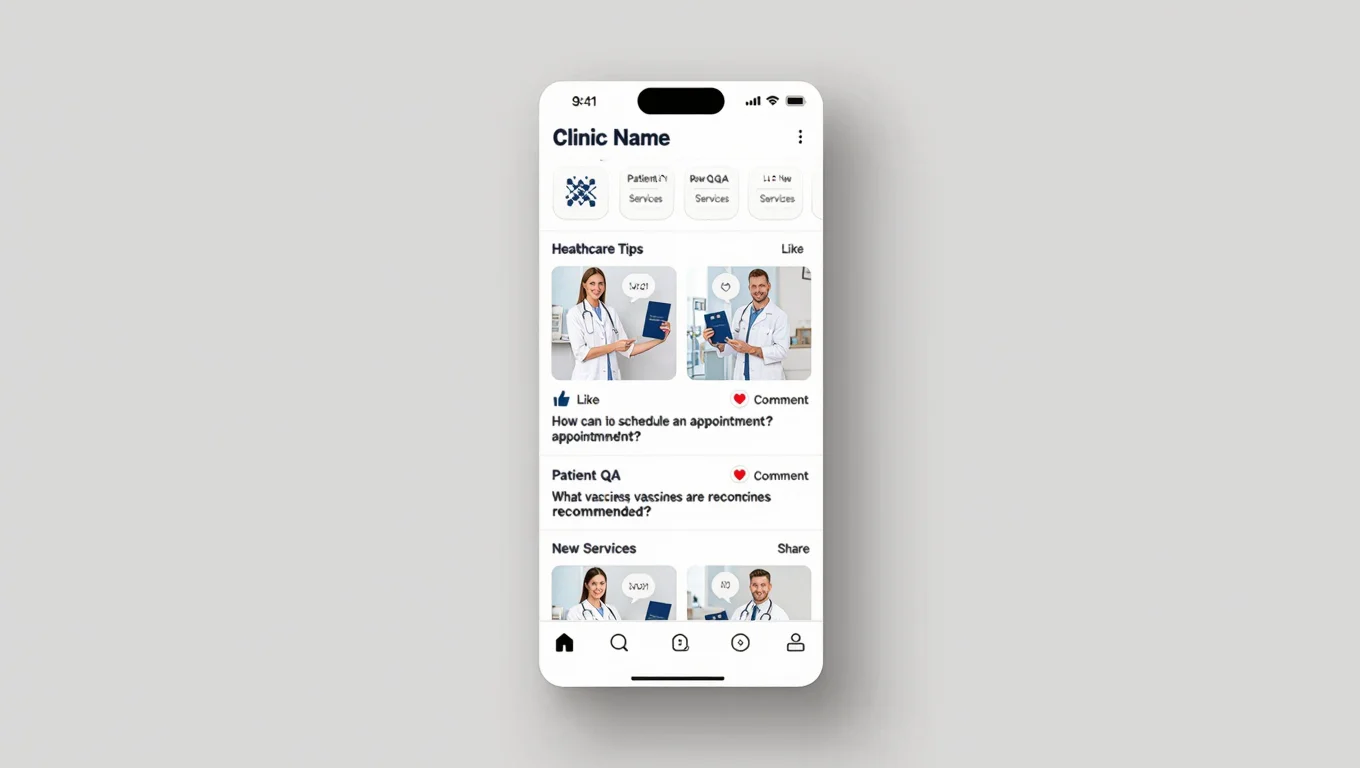
Doctor sharing health tips on social media, exemplifying educational content for healthcare social media strategy.

Start Building a Stronger Digital Presence for Your Clinic Today

If you’re ready to elevate your clinic’s online presence and turn social media into a powerful patient engagement tool, now is the time to take the next step. Banida Digital specializes in helping healthcare providers develop strategic social media and digital marketing campaigns that attract new patients, strengthen trust, and grow your brand online. Our team will work with you to create a customized strategy designed specifically for your clinic’s goals and audience. Visit Banida Digital’s website or contact us today to schedule your free consultation and discover how the right digital marketing approach can help your clinic connect, engage, and thrive.


Unlock Your Clinic’s Social Media Strategy

Social Media

0 Comments

Write A Comment

*
*
Please complete the captcha to submit your comment.
Related Posts All Posts
07.06.2026

Explore Healthcare Blog Content Ideas That Drive Clicks

Imagine you’re searching online for advice about that nagging symptom—or maybe you want to know what vaccinations your child actually needs. What draws you in? Healthcare blog content ideas anchored in real patient questions, timely health concerns, and actionable advice are what set a practice apart. In this article, you’ll discover a powerful list of blog post ideas that not only drive clicks but build trust and authority for your healthcare practice.Why Healthcare Blog Content Ideas Matter for Every Healthcare PracticeIn today’s digital landscape, the right healthcare blog content ideas do more than just fill up your website—they build a bridge between your expertise and your patients’ most pressing concerns. Well-crafted blog posts can demystify confusing health topics, spotlight your practice’s strengths, and spark engagement by providing tangible value. Each blog post is an opportunity to answer community questions, address trending health issues, and establish your practice as a trustworthy resource in the care industry.Whether you’re part of a multi-specialty clinic or a private provider, engaging blog post ideas are the heartbeat of your content strategy. They help you stay visible in search engines, attract new readers, and gently remind your established patients that you care about what matters to them. By consistently sharing practical advice—like preventive care tips or mental health support—you’re showing visitors you’re invested in their well-being beyond appointments. Ultimately, the ideas you choose for your blog content shape the reputation and growth of your healthcare practice.The Power of Compelling Blog Posts in Healthcare Content StrategyCompelling healthcare blog posts do more than inform—they foster connection and understanding. When a patient stumbles upon a clear, credible answer to their question on your blog, they’re more likely to trust your practice. That relationship-building power is why leading content strategy frameworks often place educational, empathetic content at their core. High-performing blogs use a combination of patient FAQs, health myth-busting, and personal success stories as recurring features. These posts provide valuable answers while also boosting your search engine ranking and providing a steady stream of relevant traffic to your healthcare provider’s website.Not all blog content is created equal, though. It’s the thoughtful posts, tailored to your target audience and rooted in real needs, that consistently deliver results. For example, covering topics like chronic illness management or seasonal health concerns demonstrates both expertise and empathy. Beyond sharing data, the best healthcare blog post ideas make complex information easy to understand—whether explaining insurance basics, debunking common myths, or outlining step-by-step wellness guides. In short, a consistent blog content strategy is indispensable for building trust and authority online.As you develop your healthcare blog content, consider how your posts can be amplified through digital channels. For example, integrating your blog strategy with targeted social media efforts can significantly expand your reach and engagement.How Healthcare Blog Post Ideas Drive Practice Growth and Patient TrustA strong list of healthcare blog post ideas does more than populate your publishing schedule; it directly powers your growth and credibility. Each carefully chosen post idea serves as a tool to nurture prospective patients and support current ones. For instance, answering common health questions signals your attentiveness, while sharing wellness tips for chronic illness reveals a commitment to long-term outcomes. These blog posts can enhance your visibility in search engines, making it easier for new patients to discover your healthcare practice when searching for answers in their moment of need.Building a library of practical blog content opens new opportunities—like supporting your social media strategy or enabling personalized email campaigns. Consistently addressing trending health topics or community-specific concerns shows that you’re plugged in and adaptable. This builds patient trust over time, helping your practice stand out in a competitive care industry. By focusing on patient-centered blog post ideas, you’re not just meeting content quotas—you’re building a foundation for lasting relationships and a stellar online reputation.Top 25 Healthcare Blog Content Ideas for Practices and ProvidersCreating fresh, valuable content consistently can be challenging, but the right topics can educate patients, strengthen trust, and improve your online visibility. Below are 25 healthcare blog content ideas designed to help practices and providers answer common patient questions, showcase their expertise, and keep their audience engaged with relevant, informative, and patient-focused content.Answering Common Health Questions in Blog PostsWellness Tips for Chronic Illness ManagementExplaining Preventive Care with Real-World ExamplesBehind the Scenes in a Healthcare PracticePatient Success Stories and TestimonialsLatest Advances in Medical TechnologyMyths vs. Facts Posts About Health ConcernsSeasonal Flu Guides and Vaccination CampaignsSpotlights on Team Members in Your Healthcare PracticeGuides to Mental Health Support and ResourcesNutrition Advice from Healthcare ProvidersVideo Content: Demonstrating Healthcare ProceduresHealthcare Content for Social Media: Cross-Promoting Blog PostsHow Healthcare Providers Tackle Chronic Illness and Improve OutcomesTips for Navigating the Healthcare SystemExploring Healthcare Content Strategy Best PracticesExplainers on Health Insurance BasicsPillar Page: Comprehensive Guide to a Health ConcernHighlighting Digital Marketing Success Stories in HealthcareCommunity Events Hosted by Healthcare PracticesHealthcare Blog Content Tailored for SeniorsCollaborations with Local BusinessesSpotlight on Telemedicine and Virtual CareQ&A Blog Content with Healthcare ExpertsInfographic Summaries of Health TopicsExamples of High-Impact Healthcare Blog Content IdeasThe most effective healthcare blog posts do more than share information—they answer patients' questions, address common concerns, and encourage informed decision-making. The examples below highlight engaging content ideas that can help your practice build credibility, improve patient education, and create stronger connections with both current and prospective patients.Blog Post IdeaIntended AudienceContent Strategy TipPatient FAQsNew PatientsUse clear, jargon-free languageMyths vs. Facts in Chronic IllnessChronic Care PatientsCite reputable sourcesMental Health ResourcesGeneral PublicLink to local support groupsDigital Health TrendsHealthcare ProvidersShare actionable insightsHow to Identify Timely Healthcare Blog Post Ideas for Your PracticeFinding the most relevant healthcare blog content ideas starts with listening to your patients and observing health trends in real time. Start by cataloging the most frequent questions your team receives—whether about new treatments, insurance concerns, or managing chronic illness. These FAQs are a goldmine for timely, relatable blog posts that can quickly position your website as a trusted health resource. Take a critical look at current events, local health alerts, and seasonal changes—are there any emerging health concerns you should address, such as flu outbreaks or mental health awareness campaigns?Keep a pulse on broader healthcare shifts. Is there a sudden increase in telemedicine usage? Are new digital tools or technologies being adopted in your field? Each of these topics offers fresh angles for blog post ideas, tailored guides, or educational content your patients will appreciate. By combining patient-driven queries and broader health trends, you’ll consistently generate compelling, search engine-friendly blog content ideas that drive both clicks and longer-term loyalty.Researching Trending Topics and Health ConcernsStaying ahead means being proactive about content research. Use online tools to monitor trending health topics, such as Google Trends or healthcare news aggregators, and subscribe to reputable medical publications. Engage with local health authorities or national health organizations to stay updated on pressing health issues—especially those affecting your specific community. By closely following conversations around mental health, vaccine updates, or emerging diseases, you’ll always have a well of content ideas ready for your editorial calendar.Don’t overlook the value of your own data. Analyze which of your past blog posts received the most engagement, shares, or patient feedback. This insight can highlight which topics resonate most and guide your future content strategy. Tracking search volumes for key health topics and audience demographics also ensures your blog post ideas directly address what your patients care about now.Leveraging Social Media and Patient FAQsSocial media channels offer a real-time window into your patients’ concerns and interests. Monitor the comments, questions, and shared content on your platforms to gain new blog post ideas that reflect real health issues and informative blog needs. Engage with relevant hashtags or trends—these can reveal gaps in available information and spark your next high-performing healthcare blog post. Consider running polls or short surveys on Facebook or Instagram to directly ask your audience what topics or health concerns they want to read about.Beyond social platforms, tap into the recurring patient FAQs collected at your front desk or during telemedicine appointments. Compiling and addressing these questions in detailed but accessible blog content is a proven way to build trust and demonstrate patient-centered care. These blog post ideas are usually packed with search intent—making them both SEO-friendly and genuinely useful to your readers.Video Content: Bringing Healthcare Blog Post Ideas to LifeShort form video content transforms complex healthcare concepts into easily digestible moments—whether it’s a well-lit demonstration of a simple wellness tip or a quick Q&A with an expert. Videos bring blog post ideas to life, showing instead of simply telling. For instance, tutorials on proper hand hygiene, step-by-step procedures, or animated infographics visually engage your audience and build confidence in your team’s expertise.Video content seamlessly supports your broader content strategy—from social media posts to in-depth guides. Sharing explainer videos in your blog not only boosts dwell time (helpful for search engines) but also ensures even readers with limited time gain value. You might start with basic health demonstrations, such as how to administer medication or prepare for a telemedicine visit, and expand to interviews or patient testimonials as your confidence grows.Best Practices for Filming Healthcare Video ContentProducing effective healthcare video content starts with careful planning. Choose topics that both educate and reassure viewers—health procedure walk-throughs, staff introductions, or patient safety tips are excellent places to start. Prioritize clarity: use simple language, maintain professional lighting, and make sure demonstrations are easy to follow. Real team members and genuine scenarios can offer a sense of authenticity more than stock footage or scripted content.Ensure compliance and privacy at all stages—get explicit consent from anyone featured, avoid sharing identifiable patient information, and use secure platforms for video hosting. Regularly update your video library to reflect new health guidelines, technologies, or frequently asked questions. Video analytics, such as watch time and drop-off rates, will inform what types of content resonate most and where improvements may be needed.Creating a Sustainable Healthcare Content StrategyA sustainable healthcare content strategy means balancing consistency, relevance, and manageability. Start by mapping out key health topics aligned with your practice’s specialties, patient demographics, and seasonal health needs. Plan your blog posts, videos, and infographics in advance, leveraging a mix of evergreen and timely content. This structured approach not only prevents last-minute scramble but also strengthens your search engine presence over time.Communicate content responsibilities clearly within your healthcare team: some may contribute clinical insights while others manage patient outreach or review analytics. Most importantly, remain flexible—set aside room for breaking health news, changing guidelines, or urgent health issues that matter to your community. Continual adaptation is what turns a good content strategy into a resilient, high-impact one.Planning an Editorial Calendar of Blog Post IdeasAn editorial calendar is the backbone of your blog content workflow. Begin with your list of top-performing or mission-critical blog post ideas—such as FAQs, myth-busting, or preventive care posts—then plot them across the coming months. Use color-coded systems, shared digital calendars, or even simple spreadsheets to track topics, deadlines, and assigned authors. Factor in holidays, national health observances, and anticipated flu or allergy seasons to keep your blog timely and valuable.Encourage your team to pitch new blog post ideas and share patient feedback during regular content meetings. Document any blog topics that spark significant online or in-person engagement—these “content wins” will inform your ongoing strategy. Revisiting analytics every quarter (or more often if possible) helps ensure your editorial calendar reflects what your community genuinely needs.Measuring What Works: Key Metrics for Healthcare Blog ContentTracking the performance of your healthcare blog content is important to sustainable success. Prioritize metrics such as page views, average time spent on page, bounce rate, and the number of shares or comments. These indicators reveal what content is most engaging and where patients are finding value. For more advanced insights, monitor search engine ranking positions for target health topics and observe patient inquiries that reference your recent blog posts.Beyond raw data, qualitative feedback from patients—such as email responses, comments, or direct conversation—can surface content gaps or highlight blog topics for deeper exploration. Set clear goals for each blog post idea: Is it meant to educate, inspire contact, or direct readers to a service? Measure accordingly and adjust your content strategy based on real results, not assumptions.Avoiding Common Pitfalls in Healthcare Blog Content CreationCommon pitfalls include neglecting to use plain language, overlooking patient privacy, or failing to provide up-to-date information. Overly technical or jargon-rich posts can discourage readers, while outdated advice undermines trust. Aim for a healthy mix of introductory and advanced topics, using patient stories and relatable examples to guide the content. Always fact-check against reputable health sources, and never present personal anecdotes or testimonials as a substitute for medical guidance.Avoid overwhelming your editorial calendar—separating must-have content from “nice-to-have” is key to preventing burnout. Most vital: don’t forget to measure results and solicit feedback regularly. This ensures your blog remains agile, authoritative, and really supportive for your healthcare practice and its patients.Mental Health and Chronic Illness: Content Pillars for Trust-Building Blog PostsFocusing on mental health and chronic illness in your blog content demonstrates a deep commitment to your patients’ whole-person health. These areas are often underrepresented or stigmatized, providing an opportunity for your blog to foster compassion, credibility, and a sense of community. Sharing supportive resources, actionable wellness tips, and real patient journeys builds trust and positions your healthcare practice as a pillar of support.When planning blog post ideas around these sensitive topics, always put patient dignity and privacy first. Spotlighting challenges in chronic illness management or sharing mental health coping strategies can make a powerful impact—especially when written with empathy and backed by expert insight. Linking to local or national support services adds an actionable layer to your content.Addressing Stigma and Providing Supportive ContentTo reduce stigma and encourage openness, create blog posts that normalize mental health conversations and acknowledge the realities of living with chronic illness. Highlight the benefits of counseling, peer support groups, or mindfulness practices. Use language that values individual lived experience rather than focusing solely on diagnostics or treatment regimes. Testimonials or interviews with healthcare providers specializing in mental health can further build reader comfort and trust.Whenever tackling health issues that carry stigma, reinforce confidentiality and respect. Avoid sensationalizing conditions—focus on practical management, positive coping mechanisms, and community resources. Use infographics or videos with approachable messaging to ensure these blog post ideas reach and support as broad an audience as possible.Showcasing Healthcare Provider Expertise in Sensitive AreasDemonstrating your healthcare team’s expertise in mental health or chronic disease builds trust with patients navigating uncertainty. Feature Q&A interviews with specialists, share continuing education updates, or spotlight new approaches in patient care. Consider “ask the expert” blog post ideas where patients can submit anonymous questions and receive evidence-based guidance in return.Provide practical tips: how to identify mental health warning signs, steps for medication management, or strategies for long-term management of chronic illness. All communications should emphasize compassion, reassurance, and the importance of seeking care—cementing your healthcare practice’s reputation as a reliable source for sensitive and accurate information.Healthcare Blog Content Ideas for Social Media and Digital MarketingYour healthcare blog content is a natural fuel source for your broader digital marketing activities—especially on social media. Translating blog post ideas into shareable tidbits, infographics, and short video clips increases your reach and positions your practice as both knowledgeable and approachable. Social media also enables two-way conversation: use it to draw out fresh blog ideas and gain insight into which health topics earn the most attention.Think beyond simply sharing links. Repurpose your “myth vs. fact” posts into Instagram carousels, turn lengthy guides into a series of digestible social graphics, or host live Q&A sessions aligned with recent blog content. The more consistently your practice shows up with valuable, timely health content, the more your audience will view you as a trusted reference point online.Optimizing Blog Posts for ShareabilityEnsuring your blog posts are easy to share isn’t just about clickable buttons—it’s about crafting headlines, summaries, and visuals that grab attention across platforms. Use clear, benefit-driven titles, preview main takeaways in bullet points, and include strong calls-to-action encouraging readers to share with friends or family. Use open graph meta tags for better display on social feeds and compress images for faster loading times.Capitalize on shareable health topics, especially those that are visually engaging (like infographics or procedure videos) or personally meaningful (such as mental health tips or community success stories). Always include clear attribution and links back to your main healthcare practice site to drive further discovery and engagement.Incorporating Infographics and Video ContentInfographics simplify complex medical information and are proven to boost both shares and retention. Use them to summarize lengthy guides, illustrate important data, or outline step-by-step health procedures. Complement text with custom visuals, always citing reputable sources for health statistics or recommendations.Integrate video content directly within your blog posts—and promote across YouTube, Facebook, or Instagram. Short explainer videos, patient testimonials, or behind-the-scenes tours of your practice make your healthcare blog content memorable and boost engagement across digital channels. Over time, these multimedia blog post ideas become signature assets for your digital marketing strategy.Pillar Pages: Building Authority Around Core Health ConcernsA pillar page is an in-depth resource centered around a high-priority health concern—such as diabetes, vaccination, or mental health. By organizing interconnected blog post ideas under these foundational themes, you build both search engine credibility and a user-friendly experience. Pillar pages improve internal linking, boost time on site, and position your healthcare practice as the go-to resource for that topic.Developing pillar pages starts with identifying recurring health questions and most-visited posts. Gather and update supporting blog content to ensure accuracy and completeness. Over time, these pillar resources not only help with search engine optimization but also provide clear pathways for existing and new patients to navigate your site.Selecting Pillar Topics from Blog Content IdeasChoose pillar topics that are relevant across seasons and especially important for your patient population—think chronic illness management, preventive care, or mental health support. Review which health topics generate the most engagement, questions, or referrals. Use search engine data to confirm the popularity and staying power of these themes.When possible, include multimedia—infographics, downloadable checklists, or video walkthroughs—that enhance understanding. Pillar page blog post ideas often include comprehensive guides, myth-busting FAQs, and step-by-step how-tos, all supporting your authority in the care industry.Integrating Blog Post Ideas into Pillar Page StructureOnce you select your priority health topics, map out a logical structure: the pillar page acts as the main hub, while related blog posts serve as spokes. For instance, a mental health pillar might link to articles on anxiety management, depression coping tools, and local support resources. Ensure each subtopic is clearly linked, summarized, and updated regularly.This approach supports both user experience—making it easy for readers to dive deep into a health concern—and search engine discoverability. Encourage your editorial team to refresh pillar page content quarterly and solicit patient feedback to uncover missing information or shifting needs.Transform Your Healthcare Content Into Lasting Patient ConnectionsCreating valuable healthcare blog content is about more than publishing articles—it’s about building trust with the people who rely on your expertise. By choosing topics that address real patient concerns and reflect the everyday experiences within your healthcare practice, you can create meaningful content that educates, reassures, and strengthens your digital marketing efforts. Listening to patient feedback and incorporating those insights into your content strategy ensures your blog remains relevant, helpful, and aligned with your audience's evolving needs.The most successful healthcare content strategies embrace a variety of formats, including blog posts, videos, infographics, and other educational resources, to engage patients wherever they prefer to learn. Regularly measuring engagement and refining your approach based on real performance data allows your content to continually improve and deliver better results. Whether you're just beginning or looking to elevate your existing strategy, investing in thoughtful, patient-focused content—and seeking expert guidance when needed—can help your practice grow its online presence while making a meaningful difference in patients' lives.Frequently Asked Questions on Common Questions on Healthcare Blog Content IdeasWhat length should a healthcare blog post be for optimal engagement?For most audiences, blog posts between 800 and 1,500 words balance depth with readability, providing space for targeted health topics and actionable advice while keeping attention.How often should I publish new blog post ideas?Aim for consistency—publishing once or twice each month allows you to maintain a regular presence without overextending your resources.What digital marketing tools work best with healthcare content?Tools like Google Analytics, Facebook Insights, or industry-specific scheduling and monitoring platforms can streamline your content strategy and track engagement with your blog content.How do I find trending healthcare content topics?Monitor patient questions in your practice, follow timely news from trusted health organizations, and use platforms like Google Trends or health discussion forums to identify emerging health concerns.Turn Your Healthcare Content Into a Powerful Growth EngineReady to create healthcare content that educates patients, builds trust, and drives meaningful growth for your practice? Banida Digital can help you develop a content strategy that aligns with your patients' needs, improves your online visibility, and positions your practice as a trusted healthcare resource. Whether you're looking to generate fresh blog ideas, optimize your existing content, or create a comprehensive digital marketing strategy, our team is here to help. 👉 Visit Banida Digital or contact us today to schedule your free consultation and discover how strategic healthcare content can help you attract, engage, and retain more patients.Discover Blog Content Ideas

06.29.2026

Unlock Success with Proven Patient Education Strategies

Unlock better outcomes with proven patient education strategies that improve health literacy, boost patient engagement, strengthen trust, and empower informed healthcare decisions.

06.26.2026

Top Patient Education Blog Topics That Engage & Heal

Discover the best patient education blog topics to inform, engage, and empower readers. Build trust, improve health literacy, and create content that supports better patient outcomes.

Terms of Service

Privacy Policy

Core Modal Title

Sorry, no results found

You Might Find These Articles Interesting

T
Please Check Your Email
We Will Be Following Up Shortly
*
*
*