
banida digital marketing agency logo
update

Banida digital

update
  • Home
  • Contact Us
  • All Posts
  • Social Media
  • 5-Star Reputation
  • SEO
  • Traffic
  • Funnels
  • Blogging
  • Advertising
  • Website
July 07.2025
12 Minutes Read

Unveil the Secret of Digital Marketing Strategies for Healthcare Success

Did you know that healthcare digital marketing spending surged by over 30% in 2023 — outpacing nearly every industry? As patients increasingly turn to online channels to choose providers and manage health, the care industry is undergoing a digital revolution. Whether you're a hospital executive, a private practice owner, or healthcare marketers, understanding and leveraging digital marketing strategies for healthcare providers is the key to thriving in the competitive healthcare market. Dive in to discover the tactics, tools, and trends shaping modern healthcare — and unlock your organization's digital potential.

Revealing the Power: Why Digital Marketing Strategies for Healthcare Are Transforming the Healthcare Industry

The healthcare industry finds itself at the crossroads of innovation and rising patient expectations. Today’s digital-savvy patients demand more convenient, transparent, and engaging experiences, forcing healthcare providers to rethink their approach to outreach and communication. Digital marketing strategies for healthcare are essential for building brand awareness, enhancing patient engagement, and driving appointments in today’s competitive care industry. Unlike the broad-stroke marketing tactics of other industries, healthcare digital marketing must navigate strict regulations, sensitive topics, and the nuances of patient relationships. From search engine optimization to targeted content marketing and patient testimonials, these healthcare digital marketing methods help care providers connect authentically, expand their reach, and improve health outcomes. If you’re looking to maximize your impact in the healthcare market , mastering these digital channels is a must.

Shocking Growth: The Rise of Healthcare Digital Marketing in Numbers

"Healthcare digital marketing spending grew by over 30% in 2023 alone, outpacing almost every other industry sector."

Master the Essentials: What You'll Learn About Digital Marketing Strategies for Healthcare

  • Understand the core principles of digital marketing strategies for healthcare providers

  • Explore healthcare marketing techniques for increasing patient engagement

  • Implement marketing strategies tailored to healthcare consumers

  • Maximize content marketing and social media to expand reach

  • Measure effectiveness with healthcare digital metrics

Decoding Digital Marketing Strategies for Healthcare Providers

Defining Digital Marketing in the Healthcare Market

Digital marketing in the healthcare market refers to leveraging online platforms, channels, and strategies to connect with patients, boost service awareness, and foster trust. Unlike traditional advertising, it emphasizes personalization, educational content, and community building through websites, email, social media, and search engines. For healthcare providers, a robust digital marketing strategy supports both acquisition and retention, enabling real-time communication, efficient appointment scheduling, and seamless patient education. By utilizing tactics such as targeted blog posts, video marketing, and patient engagement campaigns, organizations can ensure their messages reach the right target audience at every stage of the patient journey.

How Healthcare Digital Campaigns Differ from Other Industries

Healthcare digital campaigns differ from traditional product marketing in key areas like compliance, sensitivity, and outcome-driven messaging. While other sectors may focus on impulse purchases or entertainment, the healthcare industry is rooted in trust, accuracy, and empathy. Strict privacy laws (such as HIPAA), ethical marketing practices, and the need to convey complex information in an understandable way set healthcare apart. Marketing campaigns in healthcare are often judged by more than just conversions; they are measured by patient retention, positive feedback, and improved health outcomes. The stakes are higher, and so is the potential impact when done right, making digital marketing strategies for healthcare a specialized discipline requiring tailored expertise.

Mapping the Healthcare Market: Trends and Patient Expectations

Trend

Impact on Marketing Strategy

Telemedicine Adoption

Requires emphasis on online visibility

Patient Self-Service

Boosts need for easy-to-find, actionable information

Mobile Health Apps

Demands mobile-first design and engagement

Personalized Experiences

Drives need for segmentation and targeted messaging


Telemedicine and mobile health app use as part of healthcare digital marketing strategies

Building Blocks: Core Digital Marketing Strategies for Healthcare

  1. Establish an Optimized Website as a Central Hub

  2. Invest in Local SEO and Online Reputation Management

  3. Implement Targeted Content Marketing for Patient Engagement

  4. Leverage Social Media for Healthcare Consumer Outreach

  5. Personalize Communication Through Email and Retargeting
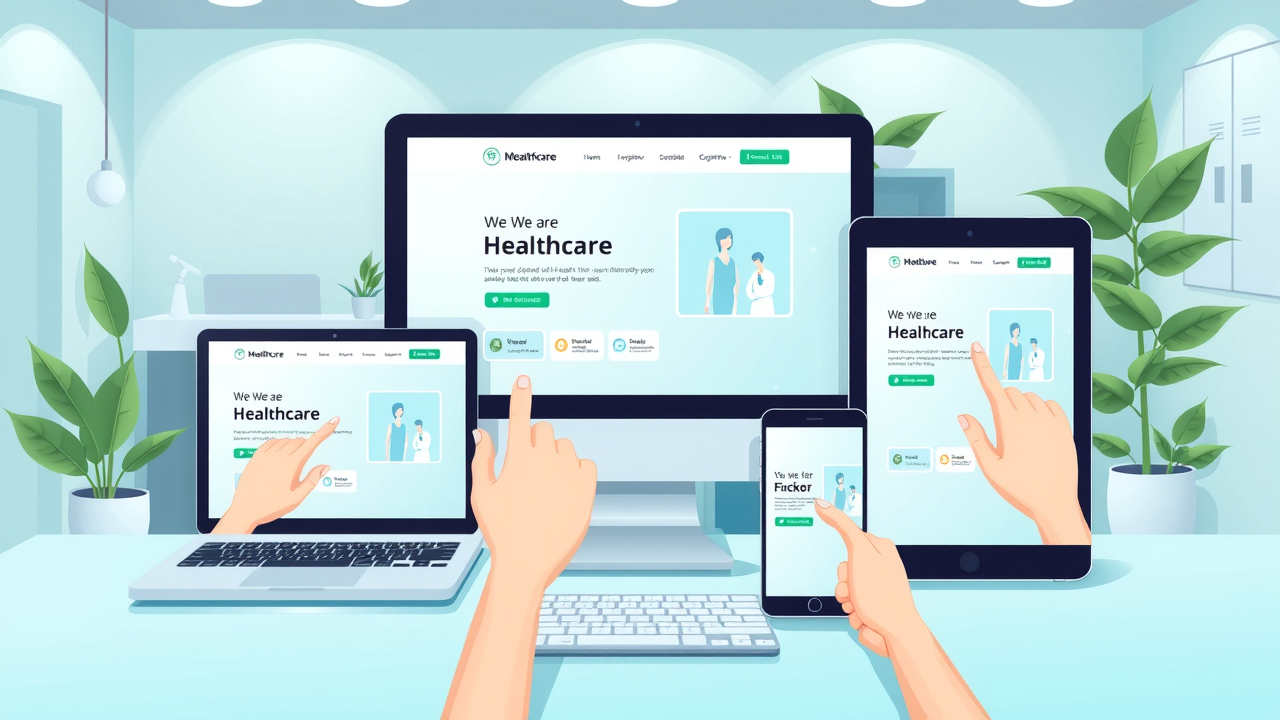

Optimized healthcare website on multiple devices showing medical marketing strategy

Deep Dive: 5 Proven Healthcare Marketing Strategies Driving Results

Local SEO for Healthcare Providers: Turning Searches into Appointments

Mastering local SEO is critical for healthcare providers aiming to convert search engine traffic into new patient appointments within the healthcare market. Most patients begin their provider search on search engines, making an optimized Google Business Profile, location-based keywords, and consistent NAP (Name, Address, Phone) data essential. Focusing on local content, map listings, and managing online reviews enables organizations to surface higher when patients seek “doctor near me” or “walk-in clinic.” This digital marketing strategy not only improves local visibility but also builds trust and drives walk-ins. Regularly updating business information, sharing location-specific blog posts, and responding to patient reviews can make your healthcare organization stand out in a crowded care industry marketplace.

Content Marketing for the Healthcare Consumer: Educate and Inspire

Effective content marketing is at the heart of modern healthcare digital marketing strategies, helping healthcare organizations engage and educate healthcare consumers. By creating patient-centric blog posts, downloadable guides, and FAQ pages, healthcare organizations can address patient concerns, educate about conditions and procedures, and establish themselves as industry authorities. This approach not only attracts organic traffic from search engines but also keeps potential patients engaged throughout their decision-making process. Educational content helps demystify complex topics and inspires confidence in both new and existing patients. From articles on preventive care to video testimonials from recovered patients, a versatile content calendar can drive both brand awareness and appointments.

Social Media Mastery: Engage Healthcare Consumers and Boost Trust

Social media marketing acts as a powerful bridge between healthcare providers and healthcare consumers, boosting patient engagement and trust. Through platforms like Facebook, Instagram, and LinkedIn, organizations can humanize their brand, share timely health tips, highlight staff expertise, and answer patient questions in real time. Consistent posting, patient success stories, and community event promotion foster trust and expand a healthcare provider’s digital footprint. Engaging visuals, live Q&A sessions, and targeted social media campaigns not only increase shares and likes but also drive real patient inquiries. Using analytics to gauge what content resonates allows for continuous improvement in outreach and patient engagement.

Reputation Management: Encourage Positive Reviews for Care Providers

Online reputation management is crucial for care providers to build trust and attract new patients in the healthcare industry. Positive reviews drive patient acquisition, while negative feedback can deter potential clients. Proactively soliciting and responding to online reviews, showcasing patient testimonials, and addressing concerns transparently are all key aspects of a modern digital marketing strategy. Beyond just ratings, reputation management also involves monitoring sentiment, highlighting awards and recognitions, and integrating real-time feedback into operational improvements. A strong online reputation assures potential patients that your healthcare organization is trustworthy, compassionate, and competent.


Patient leaving five-star review for a healthcare provider as part of digital marketing strategy

Patient Engagement Strategies: Personalization and Retargeting

Modern patient engagement strategies employ personalized communication and smart retargeting. Automated email campaigns, appointment reminders, and customized wellness tips help nurture ongoing relationships with patients, well beyond their initial appointment. Using website tracking and segmentation, healthcare providers can tailor content and offers to each user’s unique health interests. Retargeting campaigns ensure that people who visit your site but don’t schedule an appointment are reminded of your services via follow-up ads or emails. These tactics reinforce your brand as a caregiver invested in long-term health, increasing retention rates and lifetime value of each patient.

Content Marketing in Healthcare Digital Strategy: From Awareness to Conversion

Crafting Patient-Centric Content for the Healthcare Market

High-performing content marketing in the healthcare market starts with understanding your audience’s pain points and health aspirations. Developing easy-to-digest blog posts, infographics, and downloadable resources that answer real patient questions builds both authority and trust. The language should be free of jargon, accessible, and designed to empower readers to make informed health decisions. Storytelling plays a crucial role. Sharing real-life examples, patient journeys, and expert insights in your content increases relatability and impact. Consistent updates not only boost your search engine rankings but also keep your website a valuable resource for existing and prospective patients.


Healthcare provider writing a patient-centric blog post for digital marketing strategies

Video Marketing for Healthcare Providers: Humanizing the Brand

Video content is rapidly becoming a top-performing tactic in healthcare digital marketing strategies . Whether it’s a quick Q&A with a physician, a guided virtual tour of your facility, or patient testimonial videos, this format builds emotional connections and trust far faster than text alone. Short, educational clips can be leveraged on both your website and social media to improve engagement and conversion. Focus on authenticity by featuring real staff and patients (with permission), explaining complex procedures in simple terms, and addressing common concerns visually. Videos boost SEO, keep visitors on your site longer, and offer a behind-the-scenes look that breaks down barriers to care.

Social Media in Digital Marketing Strategies for Healthcare: Connecting with Consumers


Healthcare social media team collaborating on digital content strategy for patient engagement

Platform Selection: Where Healthcare Marketers Find Their Audience

Effective social media marketing for healthcare begins with understanding where your audience spends their time. Facebook is excellent for wide-reaching brand awareness and community updates, while Instagram and TikTok enable eye-catching visuals and patient education content. For B2B connections and recruiting talent, LinkedIn remains essential. Evaluate platform demographics, user engagement patterns, and content types that perform best for your specialty. For specialties like pediatrics or women’s health, visual-first platforms may outperform others, while specialty practices may find forums and professional groups more valuable.

Best Practices for Healthcare Digital Engagement

To maximize the impact of digital marketing strategies for healthcare, healthcare marketers should focus on consistency, compliance, and responsiveness across all digital channels. Post regularly, interact promptly with comments or messages, and ensure all information shared is vetted and HIPAA-compliant. Employ engaging visuals, use clear calls to action, and offer value in every post, whether it’s a quick tip, educational resource, or event invitation. Monitor engagement analytics to adapt your content strategy and invest in both organic and paid social campaigns for maximum reach. Providing support, answering questions, and sharing patient stories make your organization a relatable and reliable presence in the digital space.

Maximizing Search Engine Optimization for Healthcare Providers

Technical SEO Musts in the Healthcare Industry

Technical SEO is the backbone of a strong digital marketing strategy for healthcare providers, ensuring optimal search engine visibility and user experience for healthcare providers, ensuring optimal search engine visibility and patient accessibility. For healthcare providers, ensuring your website loads quickly, is secure (with HTTPS), and is mobile-friendly is fundamental. Structured data markup helps search engines understand your offerings, while optimized meta tags and local schema enhance visibility for specific health queries. Regular technical audits uncover broken links, crawl errors, or outdated information that can hinder patient discovery. Accessibility features — such as alt text for images and screen-reader compatible layouts — ensure inclusivity, which is paramount in the care industry.

Content Optimization for Healthcare Consumers

Writing relevant, informative, and SEO-optimized content marketing materials is critical for attracting and converting healthcare consumers in the digital healthcare market. Incorporate keywords naturally — think “digital marketing strategies for healthcare” or “local healthcare provider” — in titles, headings, and throughout your posts. Use clear, structured headings and bulleted lists to improve readability and boost SEO. Updating older blog posts with new data, developing FAQs about trending conditions, and linking to authoritative sources improve both trust and ranking. Patient-friendly language and strong calls to action convert readers into loyal patients.

Voice Search and Mobile Optimization in Healthcare Market

With more patients using voice assistants — like Siri, Alexa, and Google Assistant — to find care providers, voice search optimization is a must. Focus on natural language phrases (“Where’s the closest urgent care?”) and long-tail keywords, ensuring your content matches how people ask questions out loud. Mobile optimization is equally important. A responsive website design, click-to-call buttons, and fast-loading pages guarantee that patients browsing from smartphones find and contact you effortlessly. These elements are fundamental in any comprehensive healthcare digital marketing strategy.


Mobile healthcare website with user using voice search for easy patient engagement

Measuring Success: Key Metrics in Healthcare Digital Marketing Strategies

  • Website traffic and patient inquiries

  • Online review scores and sentiment

  • Engagement rates on healthcare marketing content

  • Lead conversion rates for healthcare campaigns

  • Patient retention and appointment follow-ups


Healthcare marketer analyzing performance of digital marketing strategies on screen

Expert Insights: Quotes and Lessons from Healthcare Marketers

"Effective healthcare marketing strategies begin with understanding patient needs and digital behaviors." – Healthcare Digital Marketing Leader

"Trust and clear communication are as vital online as they are in the treatment room." – Senior Care Industry Analyst

Overcoming Obstacles: Common Challenges in Digital Marketing for Healthcare

HIPAA Compliance in Healthcare Digital Campaigns

Strict privacy regulations like HIPAA can make healthcare digital marketing complex. Ensure all patient data is handled securely, avoid using identifiable information in content, and obtain proper consent before sharing testimonials. Partnering with legal experts to review your digital marketing campaign materials keeps your organization compliant and patients’ trust intact. Transparency about data collection and clear privacy policies not only keep you legal but also cement your reputation as a trusted healthcare provider.


Healthcare marketer and legal advisor discussing HIPAA compliance in digital marketing strategies

Standing Out in a Competitive Healthcare Market

The care industry is flooded with providers vying for attention. To set yourself apart, highlight what makes your services unique, whether it’s cutting-edge treatments, exceptional patient testimonials, or community involvement. Consistent branding, story-driven content, and proactive engagement help keep your name top-of-mind. Utilize data from past marketing campaigns to refine your approach and double down on what works. Persistence, creativity, and commitment to genuine value are your best tools for sustained digital marketing success.

Innovate Your Approach: The 5 P’s of Healthcare Marketing Strategies

  1. Product

  2. Price

  3. Place

  4. Promotion

  5. People


Healthcare marketer arranging product, price, place, promotion, people puzzle pieces as part of marketing strategy

Integrating Digital Marketing Strategy Across the Healthcare Industry

Case Studies: Multichannel Success in Leading Healthcare Providers

Successful healthcare marketing strategies use a multichannel approach combining SEO, content marketing, email campaigns, and social media outreach. Leading organizations such as multi-location clinics and hospital systems have increased patient inquiries by launching targeted ad campaigns and nurturing patient relationships with personalized follow-ups. Analyzing real-life case studies reveals that those who consistently monitor data, adapt to audience preferences, and test new tactics outperform their peers. A cross-functional team — digital strategy experts, marketers, clinicians, and IT — ensures all touchpoints deliver a seamless and engaging brand experience for patients.

Future Trends: Where Healthcare Digital Marketing Is Headed

AI and Automation in Marketing Strategies

Artificial intelligence (AI) and automation are revolutionizing digital marketing strategies for healthcare by enabling personalized patient engagement and efficient marketing strategy execution. AI tools can analyze patient data to predict trends, personalize content, and automate routine marketing tasks, such as responding to common inquiries or scheduling appointments. These tools free up staff and make patient interactions smoother and more timely. Looking forward, AI will further enhance segmentation accuracy, disease risk modeling, and even support clinical decision-making by providing insights from vast troves of patient data, all while complying with stringent privacy laws.


AI robot collaborating with healthcare marketer on future digital marketing strategies

Telemedicine and Virtual Care Industry Growth

The rapid rise of telemedicine is reshaping healthcare digital marketing strategies, requiring providers to highlight telehealth services and virtual care options to meet evolving patient expectations. As more patients opt for virtual care, providers must adjust their digital marketing strategies to start highlighting telehealth capabilities, online scheduling, and patient portals. Promoting convenient, secure remote care options on websites and social media increases appointments and strengthens your brand as an innovator. Content should focus on educating patients about digital visits, privacy, and ease of use, helping overcome barriers to adoption and making your organization a leader in the new healthcare market.

People Also Ask

What is the digital healthcare marketing strategy?

Digital healthcare marketing strategy refers to the combination of tactics and channels healthcare providers use to promote services, engage patients online, and build brand trust in the digital space. It blends content marketing, SEO, social media, and online reputation into an ongoing plan to connect and retain patients.

What are the 5 P's of healthcare marketing?

The 5 P’s of healthcare marketing are Product, Price, Place, Promotion, and People, which together deliver value and guide the overall marketing strategy for the healthcare industry. These help providers define unique offerings and connect with consumers.

What are the top 7 types of digital marketing strategies?

The top 7 types of digital marketing strategies include SEO, content marketing, social media marketing, email marketing, pay-per-click advertising, online reputation management, and influencer outreach. Each plays a key role in building patient trust and driving business growth.

What are the 4 P's of healthcare marketing?

The 4 P's of healthcare marketing are Product, Price, Place, and Promotion, forming the basis of healthcare marketing strategies excluding the 'People' element. These elements help providers target, position, and promote their healthcare services effectively.

Expert Answers: Frequently Asked Questions About Digital Marketing Strategies for Healthcare

How do digital marketing strategies for healthcare differ from traditional advertising?

Digital marketing strategies enable real-time engagement, data-driven targeting, and ongoing relationship building, while traditional advertising is often broad, static, and less measurable. Online strategies can be personalized and adjusted swiftly, making them more impactful.

What should healthcare marketers prioritize for fast results?

Focus on optimizing your website for search engines, building strong local SEO, soliciting patient reviews, and launching targeted social media campaigns. These actions can drive better rankings, visibility, and new patient appointments quickly.

How can healthcare providers ensure ROI from their digital marketing efforts?

Set clear goals, track performance metrics, and continually test new content, ads, and platforms. Use data insights to double down on effective tactics, ensuring every activity supports business objectives and patient growth.

Practical Next Steps: Elevate Your Healthcare Marketing Strategies Today

  • Start by assessing your current digital marketing presence and website effectiveness.

  • Develop content tailored to your core healthcare consumers.

  • Prioritize local SEO and patient reviews.

  • Create a detailed digital marketing strategy calendar.

  • Monitor performance and continuously test new tactics.



Healthcare marketing team planning digital strategy on whiteboard calendar

Drive Growth with Digital Marketing in Healthcare

Your patients are online, and the right digital strategy makes your organization discoverable, credible, and memorable. Now is the time to review your digital presence, invest in patient-focused content, and commit to continuous optimization to stay ahead in today’s evolving healthcare landscape. Partner with experts who understand the unique needs of healthcare marketing and can help you unlock long-term growth.



Start Your Healthcare Marketing Strategy Today

Advertising

0 Comments

Write A Comment

*
*
Please complete the captcha to submit your comment.
Related Posts All Posts
05.15.2026

PPC Campaigns for Dentists: Get Instant Patient Leads

More than 80% of patients now turn to search engines when looking for a new dentist, making online visibility a critical factor for modern dental practices. Imagine your dental office appearing at the very top of search results precisely when local patients are actively searching for care. With PPC campaigns for dentists, you can bypass the slow pace of traditional marketing and immediately connect with people who are ready to schedule an appointment.In this guide, you’ll discover how strategic PPC advertising for dental practices helps generate qualified leads, increase appointment bookings, and keep your schedule consistently full. Learn how successful dental clinics use targeted ads, smart keyword strategies, and optimized landing pages to stay ahead of competitors and attract patients faster.Why PPC Campaigns for Dentists Are the Fastest Way to Generate Patient LeadsPay-Per-Click (PPC) advertising is a digital marketing strategy where businesses pay a fee each time someone clicks on their online advertisement. These ads typically appear at the top of search engine results or within social media platforms, allowing businesses to gain immediate visibility for targeted keywords or audiences. For dental practices, PPC campaigns—such as those run through Google Ads or social media platforms—place your services directly in front of potential patients who are actively searching for treatments, clinics, or urgent dental care.Because PPC ads appear instantly once campaigns are launched, they can generate patient leads far faster than strategies like SEO or word-of-mouth referrals. For example, a dental implant clinic that targets keywords like “dental implants near me” in their city can appear above organic search results and map listings, capturing high-intent searches from people ready to book an appointment. With compelling ad copy and a well-optimized landing page, PPC campaigns can begin driving patient inquiries almost immediately—making them one of the most effective growth tools for dentists competing in a crowded local market.Unlocking Growth: What You'll Gain from PPC Campaigns for DentistsEmbracing PPC campaigns for dentists unlocks a world of strategic advantages. First, you gain data-driven targeting, ensuring every dollar of your ad spend hits your ideal audience—people actively looking for dental services you provide. With precise keyword research and ad scheduling, your campaigns appear just as potential patients are searching.You’ll also benefit from transparent performance tracking. Each PPC ad’s effectiveness is visible and measurable, allowing for real-time optimization and efficient budget use. Plus, the ability to test different ad copy, offers, and landing page variations means you’re always improving, driving more and more qualified leads over time.Breaking Down Dental PPC: What Makes PPC Advertising Important for Dental PracticesThe Unique Dental Market Landscape and Its Digital ChallengesThe dental market is more competitive than ever, with dental practices vying for attention both on Main Street and online. Patients now have countless choices at their fingertips thanks to search engines, making it tough for even established practices to remain top-of-mind. Unlike other industries, dental services are a high-trust, high-urgency purchase—patients search when they have an immediate need, like dental pain or a cosmetic concern.This immediacy makes traditional dental marketing channels like print ads and referrals far too slow for maximum patient acquisition. In contrast, PPC advertising positions your practice in front of high-intent patients at the exact decision-making moment. Online reviews and localized map listings add another layer of complexity, requiring a strategy that breaks through digital noise and builds credibility fast.How PPC Advertising Stands Out Against Other Dental Marketing MethodsUnlike long-term SEO or expensive offline campaigns, PPC advertising delivers instant, trackable results. With a PPC ad, you pay only when a potential patient clicks—meaning each dollar spent is measurable. Compared to radio, newspaper, or even direct mail, PPC campaigns for dentists give you laser-targeted control over who sees your ads and when.Google ads and social PPC platforms offer in-depth analytics to guide your decision-making, letting you optimize your bids and ad copy in real time. With split-testing, you can continually improve lead quality, driving up your return on investment and outpacing competitors who rely on passive, traditional marketing.Core Components of a Successful PPC Campaign for DentistsThe Anatomy of a High-Converting Dental PPC CampaignBuilding a winning dental PPC campaign begins with in-depth keyword research. Uncovering what potential patients actually search for—like “emergency dentist open now,” “invisalign cost,” or “dental implants near me”—ensures your PPC ads hit the most motivated audience. Next, attention-grabbing ad copy highlights your dental expertise, unique selling points (like free consultations or same-day appointments), and includes a clear call to action.Optimized landing pages are the linchpin. Instead of sending clickers to your homepage, targeted landing pages speak directly to the patient’s intent—whether it’s booking an implant consultation or redeeming a whitening offer. Strong trust signals (like reviews, certifications, and a direct phone number) prompt immediate conversions. Finally, leveraging negative keywords ensures you avoid wasted clicks by preventing ads from showing on irrelevant searches, stretching your ad spend further.Key Metrics to Track in PPC Campaigns for DentistsMetricWhy It MattersOptimal BenchmarkClick-Through Rate (CTR)Shows if your ad copy and targeting align with patient intentAbove 3-5%Cost Per ConversionReveals what you pay for each patient inquiry or booking$10–$50 (varies by city & service)Conversion RateTracks the % of clicks turning into patient leads15–30% on high-converting landing pagesImpressionsIndicates how often your ad is seen—vital for reachMatched to audience sizeGetting Started: Setting Up PPC Campaigns for Dentists Step-by-StepChoosing the Right Platforms (Google Ads, Microsoft Ads, Facebook PPC)Not all PPC platforms are created equal for dental practices. Google Ads is the gold standard, matching your PPC campaign to high-intent searches right as patients are looking for providers. Microsoft Ads (Bing Ads) can supplement, especially if your local demographic includes older patients or corporate audiences. Facebook PPC excels for branding and retargeting—catching potential patients as they browse social feeds or reminding website visitors to book an appointment.Most dentists find starting with Google Ads produces the fastest, highest-quality leads, thanks to detailed targeting and local extensions. Diversifying with Facebook ads lets you run awareness campaigns, share educational content, and retarget website visitors who didn’t book yet. Advanced dental PPC advertisers integrate multiple platforms to cover every patient touchpoint, maximizing exposure and ROI.Keyword Research for Dental Practices: Finding Patient-Driven OpportunitiesStrategic keyword research is the backbone of successful PPC campaigns for dentists. Go beyond generic terms like “dentist near me” and dig into service keywords (“emergency tooth extraction,” “affordable veneers”) and local intent phrases (“children’s dentist [your city]”). Use keyword planner tools, your own patient queries, and competitor analysis to build a tailored list.Consider negative keywords too—block irrelevant searches like “dental school” or “free dental care” unless they fit your offerings. Continuously monitor which keywords convert (using your platform analytics) and adjust bids or add new terms as patient behavior shifts over time. This keeps your ad spend laser-focused on qualified leads with real dental needs.Creating Compelling PPC Ad Copy for Maximum EngagementAd copy makes or breaks your PPC ad. Use clear, authentic language and highlight what sets your dental practice apart—are you pain-free, open late, or have 5-star reviews? Leverage urgency (“Same-Day Appointments!”) and trust (“Trusted by 2,000+ Patients”) to draw attention. Always include a strong call to action, like “Book Now,” “Call Today,” or “Claim Your Free Consultation.”For dental services, patients want information quickly—make sure your ad copy matches their search query and reassures them. Incorporating benefits like “invisible braces specialists” or “gentle children’s dentist” makes your ad more relevant, improving click-through and conversion rates. Keep testing new headlines and descriptions to boost your lead volume.Landing Page Optimization: Convert Clicks to Dental AppointmentsYour landing page is the patient’s first impression after clicking your PPC ad. Unlike a homepage, a high-performing landing page is highly specific—mirroring the ad’s promise (“Free Whitening Consultation”) and focused solely on conversion. Elements like easy-to-find contact forms, visible phone numbers, real patient reviews, and minimal distractions are key.Landing pages optimized for dental ppc campaigns cut bounce rates and drive more appointments. Include trust badges, clear service descriptions, and before/after photos where relevant. Test different layouts and calls-to-action; even small tweaks can raise your conversion rate by 10–20% or more.Setting Budget, Bids, and Ad Schedule for Your Dental PPC CampaignDetermining your PPC budget means balancing patient acquisition goals with local competition. Calculate how many new patients you need per month and estimate your cost per conversion (often $20-$100, depending on service and market). Set daily budgets accordingly, allocating more to high-value services like dental implants or Invisalign.Use smart bid strategies—start with automated bidding in Google Ads to maximize visibility, then adjust as you identify your top-performing keywords. Schedule your ads for when patients are most likely searching—often before work, during lunch, or in the evening—and consider boosting bids for mobile searches, as many patients look for immediate care from their phones.Enhancing Dental PPC Performance with Google Ads Extensions and Advanced TacticsUtilizing Ad Extensions to Stand Out in Search ResultsAd extensions give your PPC ad more real estate and richer information in search results—making your practice look more trustworthy and convenient. Sitelink extensions can link directly to appointment forms, specific services, or reviews. Call extensions display your phone number directly in the ad, encouraging instant patient calls. Location extensions help nearby patients navigate right to your front door.Utilizing these features increases click-through rates and lowers your cost per conversion. In a crowded dental market, ad extensions are a best practice for boosting visibility, credibility, and patient engagement with every impression.Negative Keywords: Eliminating Budget-Drainers in Dental PPCNegative keywords ensure you’re not wasting ad spend on irrelevant or low-quality searches. For dental PPC campaigns, this could mean excluding keywords like “dental school,” “DIY teeth whitening,” or “free dental clinic”—unless such leads align with your goals. By routinely reviewing which searches trigger your ads, you can add new negative keywords as needed, keeping your budget focused on high-value patients.This strategy dramatically improves return on investment, reduces wasted clicks, and raises your conversion rate. Advanced dental PPC advertisers monitor negative keyword effectiveness weekly, constantly refining to match real-world search intent.Retargeting Strategies for Recapturing Interested Dental PatientsLead wasn’t ready to book? Retargeting ads follow visitors who left your site without converting—displaying gentle reminders as they browse other sites or scroll social media. For dental practices, this might mean showing a special implant or cleaning offer to website visitors or recent inquirers.Retargeting ads keep your name top-of-mind, turning tire-kickers into booked appointments even weeks after their initial search. Done right, retargeting lifts total conversions and increases lifetime patient value from your dental PPC campaigns.How to Promote Your Dental Office with PPC Campaigns that Deliver Measurable ResultsAligning PPC with Broader Dental Marketing for Maximum ROIThe best-performing dental PPC campaigns don’t work in isolation—they align PPC with your website SEO, online reviews, email follow-ups, and social media. Use PPC to capture immediate interest and nurture leads with email reminders or compelling content. Tracking tools let you see what source brought each new patient, so you can double down on what’s working.Integrating PPC with other dental marketing drives even better ROI—building patient trust, increasing lifetime value, and ensuring every lead has a frictionless journey from click to chair.Comparing PPC Ads for Dental Practices: Which Platform Returns the Best ROI?Choosing the right PPC platform can significantly impact how effectively your dental practice attracts new patients. Each advertising network offers different advantages depending on your campaign goals, target audience, and budget. While some platforms focus on capturing patients actively searching for dental services, others are better suited for building awareness and re-engaging potential patients who have previously interacted with your brand. Understanding these differences helps dental practices allocate advertising budgets more strategically and maximize overall return on investment.Google Ads typically generates the highest-quality leads because it targets patients actively searching for dental services such as “emergency dentist near me” or “teeth whitening dentist.” Although the average cost per click is higher, the strong search intent often results in faster appointment bookings and measurable ROI. Facebook Ads, on the other hand, work well for brand awareness, promotions, and retargeting campaigns by using visually engaging formats and advanced audience targeting. Microsoft Ads (Bing) can serve as a valuable supplemental channel, often offering lower click costs and reaching an older demographic with strong purchasing power. By combining these platforms strategically, dental practices can capture high-intent search traffic, build brand recognition, and nurture potential patients throughout their decision-making journey.Google Ads vs Facebook Ads vs Microsoft Ads for Dental PracticesPlatformAvg. Click CostLead QualityAd CustomizationBest ForGoogle Ads$5–$15Very High (search intent)Highly flexibleImmediate appointments, local searchesFacebook Ads$1–$8Moderate (browsing audience)Strong native & visual optionsBrand awareness, retargeting, promotionsMicrosoft Ads (Bing)$2–$10Good (older or business users)Good; less crowdedSupplemental patient reachReal Results: ROI, Metrics, and Common Pitfalls in Dental PPC AdvertisingHow to Measure Success: Key Performance Indicators for Dental PPCSuccess in dental PPC advertising comes down to tracking the right metrics: Click-Through Rate (CTR), Cost Per Conversion (CPC), Conversion Rate, and Total Return on Investment (ROI). By setting up conversion tracking through Google Ads or Facebook Ads, you can pinpoint which keywords, ad copy, and landing pages produce the most patient bookings. Monthly reporting lets you spot trends and make smart adjustments—ensuring every ad dollar delivers results.Additional KPIs include phone call tracking (to link calls to specific ads), appointment forms submitted, and reviews left post-appointment. These granular metrics ensure you know what’s driving real business growth, not just clicks.Avoiding Common PPC Campaign Mistakes in the Dental MarketSuccessful PPC campaigns don’t just rely on launching ads—they depend on avoiding common mistakes that can quickly drain your marketing budget. Many dental practices overlook important elements such as negative keywords, which help filter out irrelevant searches, or they direct ad traffic to generic homepages instead of highly targeted landing pages. Others fail to take advantage of ad extensions that highlight services, locations, or call options—valuable features that can significantly increase click-through rates and patient inquiries.To maximize results, dental practices should regularly monitor campaign performance and make small, strategic improvements over time. Review metrics weekly, test new ad copy, and continually optimize landing pages to improve conversions. Remember, PPC is not a “set-it-and-forget-it” strategy. Ongoing adjustments and data-driven decisions help ensure your campaigns remain competitive, attract high-quality patient leads, and deliver a stronger return on investment.Building a Sustainable PPC Strategy for Continuous Dental Practice GrowthAchieving long-term success with PPC campaigns in the dental market requires a commitment to consistent optimization and strategic testing. Regular A/B testing of ad copy and landing pages helps identify which messaging and offers resonate most with potential patients. At the same time, refreshing your keyword lists ensures your campaigns stay aligned with how patients’ search behaviors evolve. As trends, seasons, and patient needs change, updating your targeting strategy allows your dental practice to remain visible for the most relevant searches.Equally important is regularly reviewing campaign performance to identify opportunities for improvement. Monthly analysis of metrics—such as click-through rates, conversions, and cost per lead—can reveal which strategies are driving results and which areas need adjustment. Incorporating remarketing campaigns can further strengthen your marketing efforts by reconnecting with previous website visitors and encouraging them to book appointments. With continuous monitoring and refinement, PPC campaigns can become a powerful long-term engine for sustainable patient growth.Frequently Asked Questions on Dental PPC CampaignsHow Long Before You See Results from Dental PPC Ads?Most practices see new patient inquiries within days of launching a well-targeted dental PPC campaign. Full optimization typically takes 2–4 weeks, but the instant visibility of PPC means bookings can start flowing in almost immediately, especially for high-demand dental services.What Budget Should Dental Practices Set for PPC Advertising?Budgets vary by market, but most dental practices see strong results from an initial budget of $1,000–$3,000 per month. Focus on high-value service lines (like implants or orthodontics) for your biggest ROI, and scale up as you see cost-per-conversion decrease with improved optimization.What’s the Difference Between Google Ads and Facebook Ads for Dental Practices?Google Ads targets patients actively searching for dental care—making it best for immediate leads and bookings. Facebook Ads target patients by location, interests, and demographics—excellent for brand awareness, building an audience, and retargeting website visitors who didn’t convert on the first visit.What Are the Best Keywords for Dental PPC Campaigns?The best dental PPC keywords match your services and local patient intent—think “emergency dentist near me,” “teeth whitening [city],” “dental implants cost,” or “kids dentist open now.” Review your search terms report weekly for new ideas and negative keyword gaps to fill.Take the Next Step Toward Rapid Patient Growth with Expert PPC StrategiesIf you’re ready to attract more high-intent patients and fill your appointment calendar faster, now is the time to invest in a smarter PPC strategy. Well-executed PPC campaigns for dentists can place your practice directly in front of local patients who are actively searching for dental services. With the right targeting, compelling ad copy, and optimized landing pages, every click becomes a valuable opportunity to convert a searcher into a loyal, long-term patient.At Banida Digital, we specialize in building data-driven PPC campaigns designed specifically for dental practices. Our team helps you maximize your advertising budget, generate qualified leads, and achieve measurable growth. Visit our website or contact us today to schedule a free consultation and discover how a customized PPC strategy can help your dental practice stand out, attract more patients, and grow with confidence.Get Instant Dental Patient Leads

03.20.2026

Maximize Your Google Ads Budget for Clinics Effectively

Learn how to maximize your Google Ads budget for clinics with smarter targeting, compliance-first strategies, and optimizations that reduce waste, lower costs, and drive more patient bookings.

03.18.2026

Clinic Marketing Online: Strategies That Get Results

Clinic marketing online helps practices attract patients, build trust, and grow appointments using proven strategies—from SEO and content to reviews, social media, and targeted ads that drive results.

Terms of Service

Privacy Policy

Core Modal Title

Sorry, no results found

You Might Find These Articles Interesting

T
Please Check Your Email
We Will Be Following Up Shortly
*
*
*