

banida digital marketing agency logo
update

Banida digital

update
  • Home
  • Contact Us
  • All Posts
  • Social Media
  • 5-Star Reputation
  • SEO
  • Traffic
  • Funnels
  • Blogging
  • Advertising
  • Website
May 08.2026
10 Minutes Read

Website Optimization for Dentists: Convert Visitors to Patients

A modern dental clinic website displayed on a laptop and tablet, showcasing appointment booking features

Did you know that as many as 77% of patients choose their next dental practice based on its online presence? In today’s increasingly competitive digital landscape, your website isn’t just a virtual brochure—it’s often the first impression potential patients have of your practice. As competition among dental providers continues to grow, strategic website optimization has become essential for attracting new patients and driving long-term practice growth.

In this guide, you’ll discover proven website optimization techniques specifically for dentists, blending dental SEO, seamless user experience, and strong local search visibility. With the right strategy in place, you can turn casual website visitors into scheduled appointments—and ultimately, loyal, returning patients.

Understanding Website Optimization for Dentists: Building the Foundation for Dental Practice Growth

In today’s digital-first world, the journey for new dental patients starts online. Website optimization for dentists is not just a buzzword—it's the backbone of transforming your dental website from a simple information hub into a powerhouse for acquiring patients. Dental SEO ensures your practice appears at the top when potential patients search for dental services in your area, driving organic traffic and more bookings. For example, practices that adopted a robust SEO strategy saw double-digit growth in appointments and consistent placement atop local search results. By following website optimization best practices—including fast load times, mobile responsiveness, and relevant content—you significantly increase your chances of connecting with potential patients who are ready to book.

It’s important to understand that ranking high on the search engine results page (SERP) isn’t just about keywords. It’s about creating the best patient experience possible, both online and offline. Dental practices that embrace a comprehensive approach—melding technical, on-page, and user experience optimization—command greater authority and trust. In this section, we’ll introduce you to the essentials of dental website optimization so your practice can thrive in the increasingly competitive dental web landscape.

Modern dental practice waiting room with welcoming atmosphere, representing exceptional website optimization for dentists

What You Need to Know: The Benefits of Website Optimization for Dentists

The benefits of optimizing your dental website are immediate and far-reaching. First and foremost, effective website optimization for dentists increases your dental web visibility, giving your practice a competitive edge in your local market. By climbing the search engine rankings , you attract a consistent flow of qualified leads —potential patients searching for the exact dental services you offer. A well-optimized website not only drives traffic, it also improves patient engagement by providing clear information, streamlined navigation, and accessible online booking tools.

The impact on your online reputation can’t be overstated. Optimized practices that pay attention to their Google Business Profile see more positive reviews and enhanced local seo advantages, which amplify trust. Patients increasingly rely on these cues before making a decision. With strategic changes such as optimizing your business profile, sharing real-time patient testimonials, and ensuring accurate information across online directories, your dental practice builds authority in the eyes of both patients and search engines. Website optimization for dentists increases bookings, strengthens loyalty, and positions your practice for sustainable long-term growth.

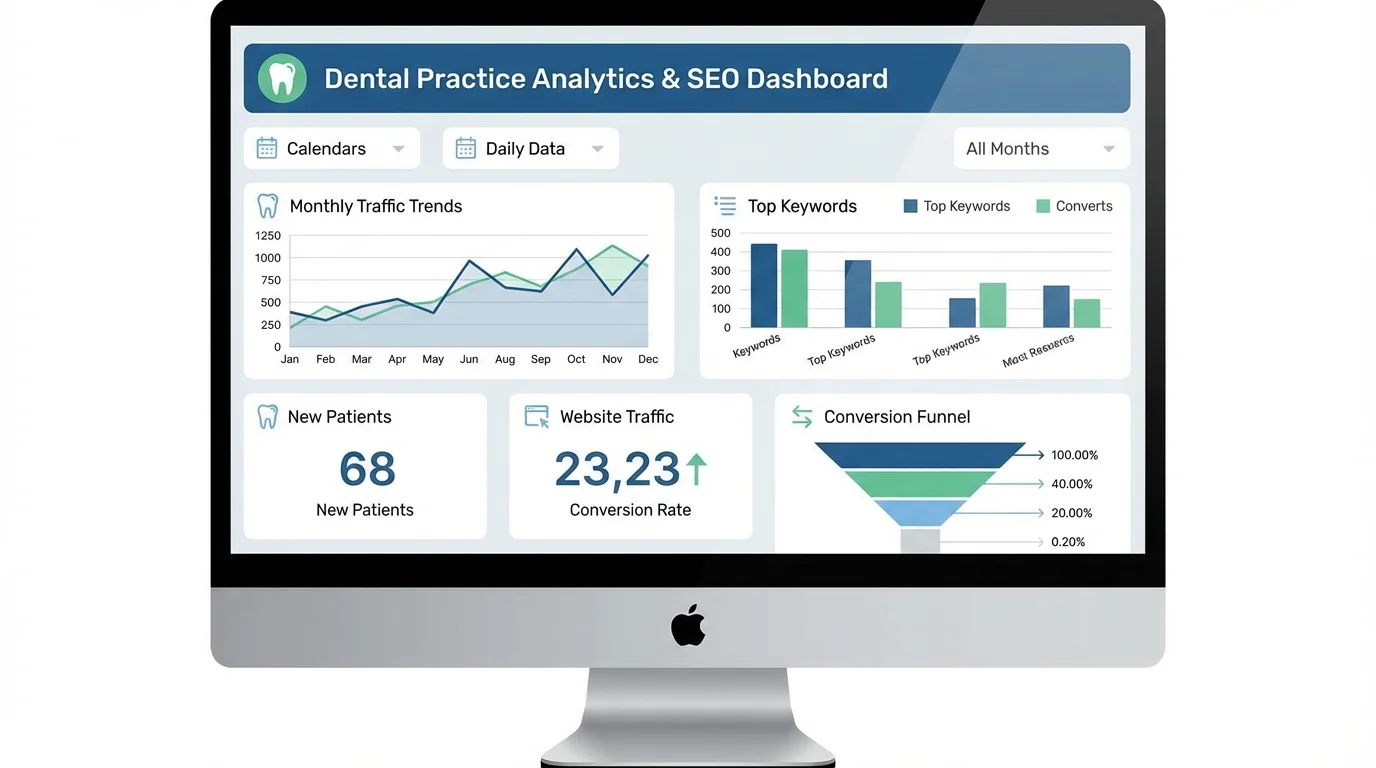
Dentist analyzing website optimization analytics dashboard for dentists

Core Components of Dental SEO and Website Optimization for Dentists

Technical SEO Essentials for Dental Practices

Technical SEO forms the bedrock of successful website optimization for dentists. A dental website must be fully responsive for mobile devices; after all, most patients search for dental services on their phones. Fast load times are critical—studies show even a one-second delay can lead to lost potential patients. Securing your site with HTTPS not only protects visitors’ information but also positively impacts search engine rankings. Structured data, such as schema markup, helps search engines understand your location, services, and reviews, improving your visibility in local search and on the engine results page.

Another technical must-do is ensuring indexability. If search engines cannot crawl or index your dental website effectively, your practice will remain invisible to local patients. Conducting regular technical audits ensures broken links, duplicate content, or slow-loading images do not drag down your engine optimization efforts. By addressing these details, you create a foundation that enhances every other SEO element, from on-page optimization to content strategy.

On-Page SEO for Dentists: Best Practices

On-page SEO refers to the strategies you control directly within your dental website. Start with optimizing page titles and meta descriptions; these elements appear in the search engine results page and prompt potential patients to click. Include keywords like website optimization for dentists , dental SEO, and your city or neighborhood to improve relevance for local search. Well-crafted headings (H1-H3) organize your content for both users and search engines, improving readability and structure.

Content on each page should directly answer common patient questions, describe your services, and highlight what sets your dental practice apart. Don’t forget to add high-quality images with descriptive alt text, helping both the visually impaired and boosting SEO for dentists. A robust internal linking structure guides potential patients to other valuable pages within your site, such as appointment booking, services, or your google business profile. Regularly update and expand content to maintain your advantage on engine results.

Modern dental practice waiting room with welcoming atmosphere, representing exceptional website optimization for dentists

User Experience: Turning Dental Website Visitors into Patients

Outstanding user experience is at the heart of converting website visitors into patients for your dental practice. Navigation should be clear and intuitive, eliminating confusion and making information easy to find. Prompt calls to action—such as “Book an Appointment” or “Contact Us”—must appear prominently on every page. Integrating an easy-to-use online appointment scheduler dramatically raises conversion rates, ensuring that potential patients don’t abandon your site in frustration.

A mobile-first design isn’t optional. With the majority of dental searches happening on smartphones, your website must provide seamless functionality on all screen sizes. Simplified menu structures, large tap-friendly buttons, and legible text make browsing pleasant and stress-free. Ultimately, a frictionless user experience builds trust, increases the likelihood of conversion, and encourages return visits—fueling ongoing growth for your dental practice.

Comparison of Website Optimization Strategies for Dentists: On-Page SEO, Technical SEO, and Local SEO Benefits

SEO Component

On-Page SEO

Technical SEO

Local SEO

Primary Focus

Titles, meta, content, headings, internal linking

Site speed, mobile-responsiveness, security, indexability

Google Business Profile, local citations, city-based content

Main Benefits

Improves relevance, boosts keyword rankings, increases engagement

Enhances crawlability, user trust, and overall site health

Drives local traffic, dominates local map packs, increases reviews

Key Strategies

Keyword-rich content, updated page SEO practices

Regular site audits, secure (HTTPS) connections

City-specific landing pages, patient review acquisition

ROI Impact

Moderate-High (when paired with strong content)

Foundational (supports all other optimization)

High for driving local patient bookings and reputation

Dental website optimization for dentists shown on laptop and mobile screens, highlighting site speed, navigation, and calls-to-action

Crafting SEO for Dentists: Building a Winning Dental SEO Strategy

Keyword Research for Dental Practices

Keyword research is the cornerstone of every successful SEO strategy for dental practices. Start by identifying phrases patients use, like “dentist near me,” “teeth whitening [city],” and “emergency dental care.” Using tools such as Google Keyword Planner or SEMrush, analyze search volumes and identify highly-relevant and attainable terms for your locality. Focus on incorporating both broad and long-tail keywords for better engine optimization—for example, blend “dental SEO,” “dental practice,” and “family dentistry in [your city].”

The right keywords will help you rank high on local and organic search engine results pages, drawing in potential patients who are already interested in your services. Regularly update your keyword list based on patient inquiries, trends, and competitor analysis to keep your dental website competitive and visible in local search.

Content Strategy for Dental Website Optimization

An effective content strategy is vital to your website optimization for dentists plan. Answer common patient questions (“How often should I visit the dentist?” “Is teeth whitening safe?”) with detailed, easy-to-read articles and blog posts. Detailed service pages, staff bios, patient testimonials, and dental health tips establish your practice as an authority and keep potential patients engaged on your dental web property for longer.

Leverage multimedia—such as instructional videos, downloadable guides, and before-and-after galleries—to enhance engagement and improve your visibility on the search engine results page. Regular updates signal freshness to search engines, while shareable content helps generate backlinks for further engine optimization benefits.

Link Building: Boosting Credibility and Dental Practice Authority

Backlinks, or incoming links to your dental website, serve as endorsements that boost your practice’s credibility and search rankings. Focus on building relationships with reputable dental directories, securing profiles on local business directories, and contributing expert articles to dental marketing or medical websites. Encourage satisfied patients to share testimonials on your site and third-party review platforms—these not only improve trust but can result in valuable links to your site.

Be strategic: request listings on local medical associations, participate in community sponsorships, and engage with local news for extra exposure. Strong backlink profiles are a core reason why some dental practices consistently outrank competitors on the engine results page and maintain a steady stream of potential patients.

SEO specialist presenting dental SEO keyword research data for website optimization for dentists

Optimizing for Local Search: Local SEO for Dentists

Google Business Profile Optimization for Dental Practices

Your Google Business Profile is pivotal to appearing on Google Map packs, local search results, and voice search queries. Begin by claiming and verifying your profile for maximum control. Consistency is important: ensure that your Name, Address, and Phone (NAP) information matches your dental website and all other online citations. Upload high-resolution images of your office, team, and services to foster trust with potential patients.

Encourage patients to leave detailed, positive reviews—these have a significant impact on local rankings and conversions. Connect your profile directly to your website (and vice versa) for seamless navigation and improved authority. Periodically update your business hours, special offers, and service lists to keep your Google Business Profile fresh and highly visible in local search.

Maximizing Visibility in Local Search Results

Dominating local SEO means more than just optimizing your Google Business Profile. Build citations on trusted local directories (health grades, Yelp, Chamber of Commerce) and ensure your practice details are accurate sitewide. Create landing pages for each location or major service, using city-specific keywords and content tailored to your local community. This laser focus elevates your visibility on local search results and Google Maps, expanding your potential patient base.

Seek partnerships and links from other respected local businesses or healthcare providers—these reinforce your ties to the community and enhance your dental website’s authority in the eyes of search engines. In a competitive dental market, these extra steps can be the difference between a thriving practice and one that goes unnoticed by today’s online-centric patients.

Top-ranked dental practice Google Business Profile on mobile, showcasing successful website optimization for dentists

Performance Metrics: Measuring the Success of Website Optimization for Dentists

Success in website optimization for dentists is quantifiable. Start by tracking conversion rates—what percentage of website visitors actually book appointments? Pair this with organic traffic trends to see if your SEO efforts are driving more visitors to your dental website. Monitor how well you rank high for priority keywords on the search engine results page, as increases here usually correlate with more patient inquiries.

Use analytics tools to analyze patient engagement metrics: bounce rates, time on site, and page views per session reveal what’s resonating with potential patients and what needs refinement. Regular reporting allows your dental practice to make data-driven decisions, optimize future content, and adjust technical or local seo tactics swiftly. This commitment to improvements helps secure and maintain top placement in your local search market.

Before-and-after analytics showing the impact of dental SEO and website optimization for dentists

Step-by-Step Checklist for Website Optimization for Dentists

  1. Perform a comprehensive technical SEO audit and address mobile responsiveness, site speed, security, and indexability issues.

  2. Optimize on-page elements: update page titles, meta descriptions, headings, and use relevant dental keywords.

  3. Develop a content calendar with educational dental topics and patient FAQs.

  4. Strengthen your internal and external link-building profile.

  5. Set up or update your Google Business Profile with accurate NAP, photos, and fresh reviews.

  6. Secure local citations and city-specific landing pages for each service/location.

  7. Monitor search engine rankings, conversion rates, and traffic in analytics tools regularly.

  8. Encourage ongoing patient engagement and online reviews through follow-ups and surveys.

  9. Invest in continual content improvements and periodic SEO audits for sustained growth.

Build a Stronger, Future-Ready Dental Practice Online

Successful website optimization for dentists requires a balanced, strategic approach. It’s not just about ranking higher on search engines—it’s about combining strong technical SEO, compelling and educational dental content, intuitive user experience, and effective local SEO strategies to stand out in competitive markets. When these elements work together, your website becomes a powerful patient acquisition tool rather than just an online placeholder.

If you’re ready to grow your dental practice, now is the time to take action. By implementing professional website optimization strategies, you can attract more qualified visitors, build trust from the first click, and convert site traffic into loyal, long-term patients.
Top-ranked dental practice Google Business Profile on mobile, showcasing successful website optimization for dentists

Frequently Asked Questions on Website Optimization for Dentists

What is SEO in dentistry?

SEO in dentistry leverages targeted keywords, technical improvements, and optimized content to increase a dental practice’s position on search engine results pages. By integrating dental SEO best practices, your dental website becomes more visible to potential patients searching for dental care services, which in turn helps boost appointment bookings and build long-lasting patient relationships.

How much does dental SEO cost?

The cost of dental SEO depends on the scope of your strategy—basic technical optimization, ongoing content development, and local SEO all factor in. While some solo practices start with smaller budgets, the most competitive practices invest in comprehensive, ongoing SEO for dentists to maximize their return and grow their client list.

What is local SEO for dentists?

Local SEO for dentists focuses on boosting your visibility in local search engine results and map listings. Optimizing your Google Business Profile, acquiring accurate local citations, and publishing location-based website content ensure your practice stands out when potential patients look for dental services in your area, directly resulting in more foot traffic and bookings.

How to optimize SEO for your website?

To optimize SEO for your dental website, begin with thorough keyword research, then address technical SEO requirements like mobile performance and site speed. Next, produce valuable educational content, update on-page SEO elements (titles, headings, metadata), and boost local presence through Google Business Profile and local directories. Continuous tracking of analytics and adjustments ensures sustainable performance and steady practice growth.
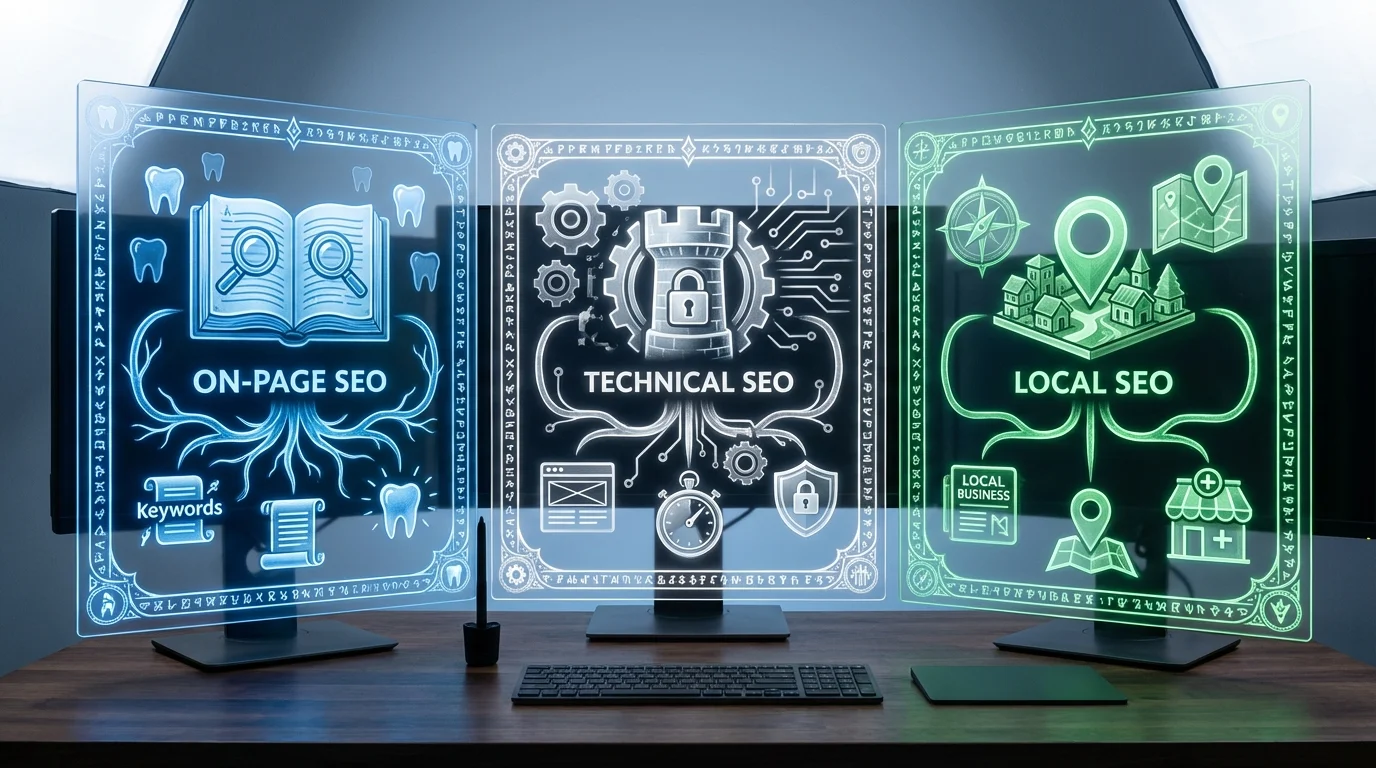
On-page, technical, and local SEO strategies compared in dental website optimization for dentists

Take the Next Step Toward Explosive Practice Growth

Your dental website has the power to become your most valuable marketing asset—when optimized strategically. If you're ready to turn more online visitors into scheduled appointments and lifelong patients, now is the time to act. Implementing smart website optimization strategies can elevate your visibility, strengthen patient trust, and drive consistent growth for your practice. Visit Banida Digital’s website or contact us today to schedule your free consultation and discover how we can help you build a high-performing dental website designed to grow with your practice.


Optimize Your Dental Website Now

Website

0 Comments

Write A Comment

*
*
Please complete the captcha to submit your comment.
Related Posts All Posts
06.05.2026

Brand Voice Definition: Unlock Your Business’s True Identity

What if a single, clear voice could cut through the noise of a crowded marketplace and turn every interaction into a memorable experience? In today’s competitive landscape, standing out isn’t just about what you offer—it’s about how you communicate it. A well-defined brand voice shapes how your audience perceives you, builds trust, and creates consistency across every touchpoint.In this article, you’ll discover why defining your brand’s voice is one of the most impactful steps you can take to strengthen your business identity. From creating deeper connections to leaving lasting impressions, the right voice has the power to transform the way your brand is seen, heard, and remembered.What is the Brand Voice Definition? Your Key to Consistent ConnectionIn today’s hyper-competitive marketplace, connecting with your target audience goes far beyond a catchy logo or sharp graphics. The true heartbeat of your brand lies in its brand voice definition—the distinct, unified personality woven through every word you share across websites, social media, and beyond. A strong brand voice is your business’s unique way of communicating its core values and promises, shaping your reputation and helping your brand stand out among competitors struggling for attention.But why is this important? Because without a well-defined, consistent brand voice, even the most recognizable brands struggle to create meaningful connections. Your brand voice guides everything from media posts to customer service emails, ensuring that every encounter feels authentically “you.” When listeners—even new prospects—hear your words, they should immediately sense your personality and values at play. Understanding and implementing a true brand voice definition is the key to building an identity that is not only memorable but also trustworthy and relatable.How Does Your Brand Voice Definition Set You Apart in Today's Competitive Marketplace?What truly differentiates businesses that thrive from those that fade into background noise? Often, it’s not just their products or marketing spend, but a brand voice that’s instantly recognizable and impossible to mistake for anyone else. When your business defines its voice with purpose and clarity, you create the kind of connection that keeps customers coming back. Ask yourself: Is your current communication style just blending in, or are you shaping a lasting impression every time you interact?Your brand voice acts as a personality—crafted, intentional, and always in alignment with your core values and brand identity. In a world overloaded with choices, your ability to consistently convey your mission and values gives your brand a distinctive edge, making trust and loyalty second nature for your audience.Understanding Brand Voice Definition: The Foundation of Brand IdentityBrand voice definition goes far beyond catchy phrases or witty advertising copy—it's about establishing your business’s core personality and ensuring that every touchpoint with your audience feels authentic and memorable. Think of brand voice as the DNA of all communications, guiding your marketing team, partners, and even automated content like chatbots. When every message—social media posts, ad campaigns, product descriptions—speaks in the same recognizable voice, you build a strong brand that draws customers in with every word.Your brand identity isn’t complete without a well-articulated brand voice. It brings your mission and core values to life, translating abstract concepts into relatable language that your buyer persona instantly connects with. Not only does this foster trust and brand recognition, but it also encourages your audience to become enthusiastic storytellers for your business, helping to organically grow your presence and reputation both online and off.As you work to define and refine your brand voice, it's also important to consider how emerging technologies are shaping communication strategies. For example, advancements in artificial intelligence are beginning to influence how brands interact with audiences, especially in sectors like healthcare.Exploring Brand Voice and Tone: Key Differences and OverlapsIt’s easy to conflate brand voice and tone of voice, but knowing the difference is vital for consistent communication. Brand voice is the steady personality your business presents across all messages. It remains constant—whether you’re responding to a customer complaint or launching a bold new campaign. In contrast, tone of voice adapts to context, reflecting the emotions your brand conveys in specific situations or platforms. For example, your tone may be empathetic in customer service replies and more upbeat in promotional content, while the underlying voice remains confidently helpful throughout.This distinction matters because, to truly build a brand people remember, you must master both: your unwavering voice and your adaptive tone. Understanding the interplay keeps your messaging flexible yet recognizable, helping you navigate everything from crisis communications to celebratory product launches—always staying aligned with your brand identity and goals.How Brand Voice Definition Shapes Your Communication StyleHaving a formal brand voice definition is more than an internal exercise; it’s a strategic advantage that sets the stage for your business’s overall communication style. Clear, consistent messaging is crucial in every interaction: it makes marketing materials, website copy, and even internal communications resonate with employees and customers alike. This defined voice directly impacts customer perceptions, purchase decisions, and brand loyalty.By creating a voice guideline—a documented set of rules and examples for how your brand expresses itself—you empower every team member, from marketing to sales to customer service, to communicate with a shared understanding. This leads to a consistent brand experience, whether someone interacts with your brand in an email, at a live event, or on social media. Over time, your distinct brand personality becomes instantly recognizable, which is the foundation of both brand recognition and long-term business growth.Understanding the Differences: Brand Voice vs. Tone of Voice vs. Communication StyleAspectBrand VoiceTone of VoiceCommunication StyleDefinitionOverall personality and character of your business’s messagesEmotional inflection added to messages depending on contextThe structure and manner in which messages are deliveredConsistencyAlways stable across all contentVaries by channel, mood, and circumstanceGuided by brand guidelines and audience expectationsExampleProfessional, approachable, wittyExcited, reassuring, urgentFormal, conversational, concise, detailedThe Strategic Importance of Brand Voice Definition for a Strong BrandWhy Every Strong Brand Relies on a Consistent Brand VoiceA strong brand is not built overnight; it’s the result of persistent, consistent communications that reflect your unique core values and mission. Major brands you recognize instantly—think Apple, Nike, or Disney—haven’t just mastered their logos and color palettes. They’ve invested deeply in a brand voice definition that’s recognizable in every campaign, post, and customer interaction.By developing and defending a consistent brand voice, you ensure that all external messaging resonates in harmony, regardless of who’s writing it or what channel it appears on. This unified approach helps build brand trust, reduces confusion across social media and digital platforms, and paves the way for your brand story to become a natural part of your audience’s lives.Brand Voice Definition and Brand Recognition: Making a Lasting ImpressionImagine a customer reading a product review, scrolling through your Instagram, and receiving a support email—all in the same day. If each communication “sounds like” your brand, you’ve achieved an invaluable feat: brand recognition. Defining your brand voice and ensuring it is applied everywhere strengthens recall, drives word-of-mouth, and transforms passive audiences into brand advocates. Whether your business is playful or professional, your voice helps audiences relate to your brand persona on a personal level, turning casual interactions into lasting connections.Ultimately, recognition is earned through clarity and repetition, and the brands that take the time to develop a strategic, well-enforced brand voice are the ones that stand out—time and again—in the minds of customers.Core Elements of Brand Voice DefinitionTarget Audience: The First Pillar of Brand Voice DefinitionYour target audience shapes how you craft and deliver your business’s core message. Without understanding who you’re talking to, defining the right brand voice is nearly impossible. Questions like: “Who are our ideal customers?” and “What do they care about?” allow you to develop a voice that resonates—a voice your audience trusts, remembers, and advocates for.Successful brands tailor their communication style to their buyer persona, using specific vocabulary, industry references, and emotional cues. Whether friendly and upbeat or authoritative and sincere, your voice must always reflect the needs and aspirations of your most valued customers. The result? Customers feel seen and heard, leading to greater loyalty and organic growth.Core Values and Brand Voice: Aligning Principles with MessagingCore values aren’t just words on a poster—they’re the moral and ethical compass that drives your communication. Integrating these values into your brand voice definition ensures every interaction reflects what makes your brand unique and trustworthy. For example, a brand rooted in innovation will naturally choose bold and forward-thinking language, while a community-focused brand may prefer inclusive, supportive tones in every message.Documenting the link between values and brand voice gives your marketing team a guiding framework, supporting coherent and authentic storytelling across all platforms, from blog articles to social media posts. This strategic alignment transforms abstract beliefs into tangible relationships with your audience, fostering genuine engagement and repeat business.Brand Identity and Voice: How They Work TogetherYour brand identity is the sum total of your logo, visuals, and every word you write or say. The brand voice is the thread tying it all together—a shared language that reinforces your business’s ethos at every touchpoint. When visual and verbal identities mesh seamlessly, audiences don’t just remember your brand—they recognize it instantly, even before reading the name or seeing the logo.Brands that see the highest engagement rates are those where visual cues and brand messaging are aligned. Whether you're launching digital campaigns, placing ads, or even updating your website’s copy, ensuring that the brand voice matches your overall identity leads to a stronger, more favorable market presence.The Connection Between Mission Statement and Brand Voice DefinitionEvery memorable brand voice traces back to a clear, actionable mission statement. Your mission fuels why you exist—and your brand voice brings that mission to life. For instance, if your mission champions empowerment, your brand voice should consistently be uplifting and motivating.By embedding the mission statement into your communications strategy, you ensure that your values, goals, and promises are clear to both customers and employees, reinforcing unity and direction across departments and campaigns. This robust tie strengthens your brand story and makes it easier for new team members to “speak the language” of your business from their very first day.Consistent Brand Voice: Ensuring Coherence Across ChannelsConsistency is what transforms your brand voice from a concept into a business asset. Every time your company touches an audience—on a call, via email, or through a tweet—there’s an opportunity to reinforce or undermine your voice guideline. With clear, documented voice guidelines, all team members (from copywriters to executives) can echo the same values, tone, and messaging structure, no matter the channel.Today’s omnichannel world demands that customers encounter a consistent brand voice across websites, email newsletters, text alerts, and social media posts alike. Not only does this fortify brand recognition, it provides your audience with a seamless experience that feels cohesive and reassuring.How to Define Your Brand Voice: Step-by-Step Brand Voice GuidelineStep 1: Audit Your Existing Communication StyleStep 2: Gather Insights from Your Target Audience and Buyer PersonaStep 3: List Core Values and Brand Tone KeywordsStep 4: Craft a Brand Voice Guideline DocumentStep 5: Test and Refine Your Brand Voice Across ChannelsDeveloping a robust brand voice guideline starts with auditing your current communications. Identify what’s working well and where inconsistencies appear—these insights will guide your transformation. Then, involve your target audience and buyer persona research to zero in on what truly resonates. Gather keywords and phrases that exemplify your desired brand tone, ensuring these align with your core values and broader brand strategy.With these building blocks in hand, document your findings in a user-friendly brand voice guide that includes do’s and don’ts, sample sentences, and examples for each channel. Finally, don’t be afraid to test and tweak—maintain feedback loops across teams to keep evolving as your business grows and markets shift.Creating a Comprehensive Brand Voice GuideThink of a brand voice guide as a map that points every communicator—whether an intern or CEO—in the right direction. Your guide should capture your brand’s character, break down accepted vocabulary, and outline unacceptable phrases or styles. Include real-world scenarios that show how your brand voice should sound across emails, product descriptions, and even crisis statements.Updating the guide regularly ensures it keeps pace with evolving brand strategy and buyer persona expectations. Sharing examples of both ideal and non-ideal messaging not only drives consistency but empowers team members to reflect your brand accurately—everywhere, every time.Using a Style Guide to Support Your Voice GuidelineA style guide complements your voice guideline by setting standards for grammar, punctuation, design, and formatting. When combined, these resources guarantee that your business’s outward communication is not only on-brand but also professional and accessible. Even as teams expand or remote work becomes the norm, these guides help everyone—from freelance content creators to marketing leaders—deliver a seamless, consistent brand voice.This harmony between style and voice safeguards your messaging and visual communications. Whether launching a website, writing blog posts, or designing advertising materials, a concise, current style guide supports uniformity and leaves no room for ambiguity.Visualizing Brand Voice Definition: Real-World ExamplesThe abstract idea of “brand voice” becomes crystal clear when you examine how famous brands apply their unique voices in everything they say and do. Apple, for example, consistently uses a clean, innovative, forward-thinking tone that reflects its values; Nike opts for empowerment and motivation, echoing its “Just Do It” ethos through bold, concise copy; while Old Spice stands out by pushing humor and playful absurdity in memorable ad campaigns.Each of these brands has taken time to precisely define their brand voice—and they stick to it in social media memes, video scripts, product packaging, and beyond. These consistent choices make each brand instantly recognizable and relatable, strengthening both brand identity and loyalty over the long term.Brand Voice in Practice: Standout Brands and Their Unique Communication StylesBrandCore ValuesTonePrimary AudienceNikeEmpowerment, innovation, inspirationBold, motivationalActive, goal-driven consumersAppleInnovation, simplicity, creativityForward-thinking, minimalistTech-savvy, creative usersOld SpiceHumor, confidence, uniquenessPlayful, irreverentYoung, adventurous menDoveInclusivity, self-esteem, authenticityEmpathetic, supportiveWomen and familiesBrand Voice Guidelines for Sustaining Consistent Brand IdentityVoice and Tone: Updating Guidelines as Brand Strategy EvolvesNo matter how well-crafted, voice guidelines must evolve as businesses scale, reposition, or enter new markets. Regularly revisiting your guide—especially after a rebrand—ensures your core values and tone remain aligned with changing missions or audiences. Gather input from your team and customers to sharpen examples and keep the guidelines relevant and engaging.This ongoing refinement builds a flexible yet unshakable foundation that allows creative campaigns without risking the integrity of your brand voice definition.How to Ensure a Consistent Brand Voice Across TeamsAs companies grow, diverse departments and remote contributors can threaten the continuity of your brand voice. The antidote? A centralized, easily accessible brand voice guideline paired with regular training and feedback loops. Empower each team—from sales to support—to access and understand the rules, and assign a point person or committee to field questions and conduct periodic audits. By auditing brand materials and seeking target audience feedback, you catch inconsistencies before they reach the public—preserving brand trust and recognition.Centralize your brand voice guidelinesTrain all content creators on voice and toneAudit regularly for consistencyGather feedback from your target audienceAvoiding Common Mistakes in Brand Voice DefinitionDefining your brand voice requires a clear understanding of your audience and a strong connection to their needs. Ignoring your buyer persona can lead to messaging that feels disconnected, while confusing brand voice with tone of voice often creates inconsistency across your communications. Your brand voice should remain stable, while your tone can shift depending on context—knowing the difference is key to building a voice that feels both cohesive and adaptable.To ensure long-term success, keep your brand voice aligned with your business as it evolves. Failing to update your voice guidelines after a rebrand can create confusion, and leaving out key stakeholders may result in a voice that lacks direction or buy-in. At the same time, avoid overcomplicating your brand voice guide—simplicity and clarity make it easier for your team to apply it consistently and effectively across every touchpoint.Strengthen Your Brand with a Voice That EnduresDefining your brand voice is the foundation of a strong and recognizable identity. It shapes how your audience perceives your business and ensures that every message you share feels consistent, intentional, and aligned with your values. When your brand voice is clear and well-defined, it becomes a powerful tool for building trust, strengthening recognition, and creating meaningful connections with your audience.A distinct brand voice not only differentiates your business in a crowded market but also drives long-term loyalty. By formalizing your voice through clear guidelines, you create a framework that supports sustainable, scalable messaging across all channels. With the right structure in place, your team can communicate with confidence, ensuring your brand remains consistent, impactful, and memorable as it grows.Frequently Asked Questions About Brand Voice DefinitionWhat is a brand voice, and why is it important?A brand voice is the consistent personality and style your business uses in all communications. It’s important because it builds trust, strengthens recognition, and helps your audience connect with your message. A clear voice makes your brand more memorable and relatable.How is brand voice different from tone of voice?Brand voice is your overall, consistent personality across all messaging. Tone of voice, on the other hand, changes depending on the situation, audience, or platform. Together, they ensure your communication is both consistent and contextually appropriate.How can a strong brand voice improve marketing results?A strong brand voice makes your messaging more engaging and recognizable. It helps build trust with your audience, which can lead to higher loyalty and better conversion rates. Over time, it turns casual audiences into long-term advocates.What are the key elements of an effective brand voice?An effective brand voice is rooted in your core values, audience understanding, and consistent messaging. It also includes a defined tone and communication style that aligns with your identity. These elements work together to create a cohesive and authentic presence.How do you create a brand voice guideline?Start by auditing your current messaging and identifying your target audience and core values. Then define your tone, preferred language, and messaging examples in a clear document. This guide helps your team communicate consistently across all channels.What are common mistakes to avoid when defining a brand voice?Common mistakes include ignoring your audience, confusing voice with tone, and overcomplicating your guidelines. Failing to update your voice after changes in your brand can also create inconsistency. Keeping your voice simple, clear, and aligned ensures long-term success.Step Into a Stronger Brand Future TodayYour brand voice isn’t just what you say—it’s how your audience experiences and remembers you. As your business grows and the digital landscape evolves, refining your voice and embracing innovative strategies will keep your brand relevant, engaging, and ahead of the competition. Don’t navigate that journey alone—visit Banida Digital or contact us today to schedule your free consultation, and let our team help you craft a powerful brand voice that elevates your presence, strengthens connections, and drives lasting growth.Define Your Brand Voice Today

09.08.2025

Unlock Patient Communication Tools for Stronger Bonds

Discover how modern patient communication tools—like secure messaging, portals, and mobile apps—boost engagement, safety, and trust, transforming healthcare interactions and outcomes.

04.22.2025

The Step-by-Step Process of Creating a Successful Medical Newsletter

Explore the process of creating a successful newsletter, from content planning to distribution. Engage readers and promote your organization effectively.

Terms of Service

Privacy Policy

Core Modal Title

Sorry, no results found

You Might Find These Articles Interesting

T
Please Check Your Email
We Will Be Following Up Shortly
*
*
*