


Did you know that over 80% of healthcare organizations struggle to turn raw data into actionable insights? If you run a small practice, you’ve likely felt the frustration: endless spreadsheets, confusing reports, and the constant worry that you’re missing what truly matters to your patients. The good news is that healthcare data analysis—when done right—can cut through the noise, help you attract the right patients, and protect your reputation, all without requiring you to become a tech expert overnight.
In this guide, you’ll learn how to leverage healthcare data to attract and retain patients, avoid common pitfalls that erode trust and revenue, and implement simple frameworks that improve patient care and your practice’s reputation. Plus, we’ll cover essential skills and quick wins that make diving into data analytics practical and manageable for small practices.
Unlocking the Power of Healthcare Data Analysis: Why It Matters for Small Practices
For small practice owners, making decisions based on guesswork can be costly. Healthcare data analysis provides clarity by showing which marketing efforts, patient engagement strategies, and operational improvements actually drive growth. By understanding your data, you can identify the activities that attract the right patients, improve retention, and ensure your team’s efforts are focused where they matter most.
Beyond growth, data analysis helps you respond quickly to negative feedback before it harms your reputation, anticipate patient flow and revenue trends, and maintain compliance with healthcare regulations. Even without a dedicated IT team, small practices can leverage actionable insights to make informed decisions, optimize daily operations, and build stronger patient trust—turning raw numbers into a roadmap for success.

What Is Healthcare Data Analysis—and Why Is Everyone Talking About It Now?
Defining Healthcare Data, Data Analytics, and Their Role in Patient Care
Let’s break it down. Healthcare data means all the information generated by your practice—think appointments, insurance claims, online reviews, phone calls, and even patient satisfaction surveys. Healthcare data analysis is how you turn that mountain of raw numbers into patient care wins and practice growth. This isn’t just about fancy graphs; it’s about understanding not just what happened, but why, and what to do next.
Data analytics in healthcare now powers not only major hospital systems but also small practices like yours. Thanks to the rise of big data—the huge volumes of information flowing through modern health care—the right approach can help solve real challenges in both business and clinical strategy. No more shooting in the dark or copying what big health organizations do; you can act on insights designed for practices like yours.

Your Biggest Practice Challenges That Healthcare Data Analysis Can Solve
Common Problems: The Reputation Trap, The Missed Patient Connection, The Leaky Funnel
Small practices often face recurring challenges that limit growth and patient satisfaction. Outdated websites, weak online visibility, and inconsistent messaging can drive away ideal patients, while negative reviews or unaddressed patient concerns hurt trust and reduce referrals. These issues make it difficult for teams to focus on providing care rather than constantly reacting to problems.
Healthcare data analysis helps tackle these pain points by identifying gaps in patient engagement, tracking patient flow, and highlighting areas where reputation or communication could improve. It can also flag potential compliance or privacy risks before they become serious problems. By turning data into actionable insights, practices can attract the right patients, stabilize revenue, strengthen trust, and streamline operations—all while keeping patient experience and regulatory requirements front and center.
Why Typical Marketing Fixes Fall Short
Many small practices rely on “set it and forget it” marketing approaches, assuming that generic dashboards or standard campaigns will automatically deliver results. In reality, these solutions often measure the wrong metrics, produce reports that are too complex to act on, and create busywork that doesn’t improve patient care or satisfaction. Without actionable insights, your team may spend time reviewing data that doesn’t help grow the practice or enhance the patient experience.
Traditional marketing fixes also fail because they aren’t tailored to the unique needs of your patients or practice. Generic campaigns may generate clicks or impressions, but they rarely translate into new patients, repeat visits, or stronger patient trust. By focusing on meaningful, actionable data and strategies, practices can ensure marketing efforts directly impact patient engagement, operational efficiency, and long-term growth.
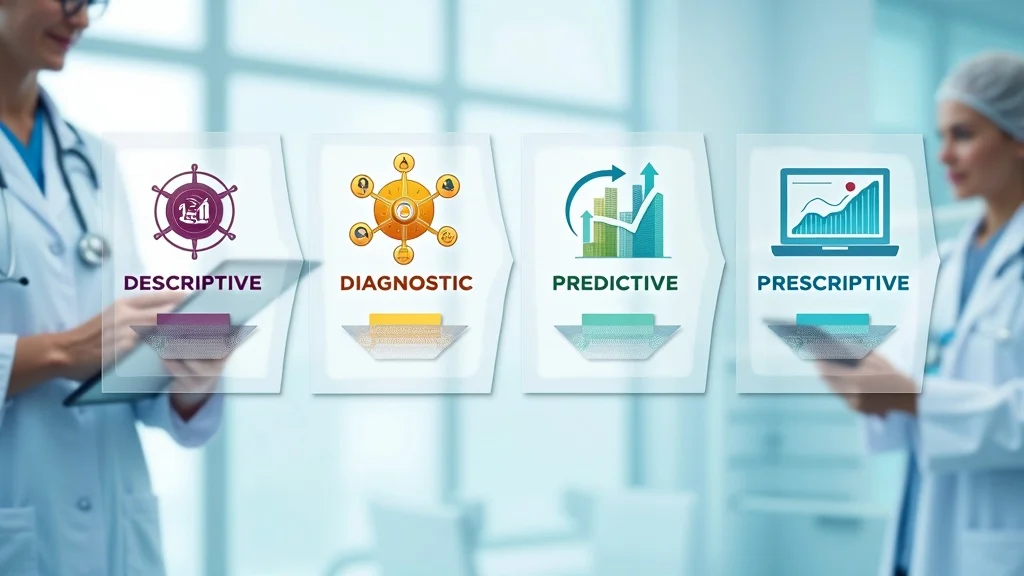
The Four Core Types of Data Analytics in Healthcare (and What They Mean for You)
Descriptive, Diagnostic, Predictive, and Prescriptive Analytics
Here’s where real healthcare data analysis starts to pay off. Each type below helps you answer a different (but important) question:
Descriptive Analytics: What happened? Review last month’s appointments, missed calls, or patient satisfactions to get a clear picture.
Diagnostic Analytics: Why did it happen? Maybe your patient outcomes dipped—was it staffing, seasonality, or a process hiccup?
Predictive Analytics: What’s likely to happen next? Use patterns in your care data to forecast future demand and prep your team.
Prescriptive Analytics: What should we do now? Turn findings into clear action steps to boost team workflow, revenue, or patient trust.
Smart care data analytics connect all four—the best dashboards and reports don’t just tell you what happened, but highlight what needs your attention (and what you can safely ignore). Avoid common mistakes like tracking vanity metrics, misinterpreting trends, or ignoring context.
Healthcare Analytics: What Works, What to Avoid, and How to Use It
Type of Analytics |
What It Answers |
Typical Use Case (Small Practice) |
Biggest Pitfall to Avoid |
|---|---|---|---|
Descriptive |
What happened? |
How many reviews did we receive? What was our no-show rate? |
Focusing only on lagging stats; not asking “why?” |
Diagnostic |
Why did it happen? |
Understanding why negative feedback increased. Was it a staffing issue? |
Jumping to conclusions without enough context |
Predictive |
What might happen next? |
Forecast busy seasons or times when you’ll need extra staff |
Trusting forecasts blindly; missing unique patient trends |
Prescriptive |
Now what? |
Setting new protocols, improving phone intake scripts |
Making sweeping changes based on one-off events |

How Healthcare Data Analysis Improves Patient Care and Practice Reputation
Connecting Healthcare Data Analytics to Real-World Patient Outcomes
Effective healthcare data analysis has a direct impact on patient outcomes, which in turn shapes your practice’s reputation and revenue. By examining operational and patient data, practices can identify bottlenecks, reduce errors, and address sources of confusion or dissatisfaction. Spotting trends early—such as recurring complaints or delays—allows teams to take proactive steps, preserving trust and maintaining positive reviews before small issues escalate.
In practice, data analytics supports compliance, enhances communication, and strengthens the patient–provider relationship. Small practices that leverage insights from patient feedback, appointment flow, and care delivery processes can compete successfully against larger organizations. By translating analytics into actionable improvements, even modest practices can improve patient experience, operational efficiency, and long-term growth.

The Healthcare Data Analyst Role: What Skills You Need (and When to Outsource)
Essential Skills Needed by a Healthcare Data Analyst
A successful healthcare data analyst blends technical expertise with strong communication and problem-solving skills. Beyond handling spreadsheets or analytics software, the most valuable abilities include translating complex data into clear, actionable insights that can improve patient care and practice operations. Analysts who can explain findings in plain English help teams make informed decisions quickly, turning raw numbers into practical strategies.
Equally important is a solid understanding of HIPAA regulations and patient privacy best practices to ensure sensitive information is protected. Analysts should also be adept at spotting patterns in patient flow, care delivery, and operational metrics, and comfortable using the key data analytics tools that small practices rely on. These skills collectively enable practices to leverage data effectively, enhance patient experience, and strengthen overall practice performance.
When to DIY—and When to Call in Healthcare Data Analytics Experts
Some data analysis tasks can be handled effectively in-house by your existing staff. Simple wins—like monitoring Google reviews, tracking monthly patient numbers, or setting up a basic Excel dashboard—require minimal technical expertise and can provide immediate insights to improve patient experience and practice operations. These quick wins help you act fast and build momentum without overloading your team.
However, more complex challenges—such as identifying the root causes of patient churn, integrating multiple data systems, or running a HIPAA-compliant care informatics project—are best handled by a healthcare data analyst or specialized analytics partner. Experts bring the technical skills, compliance knowledge, and analytical experience needed to turn sophisticated data into actionable strategies, ensuring your practice can make confident, informed decisions without risking privacy or efficiency.

Quick Wins: Simple Healthcare Data Analysis Moves You Can Start This Week
Even small practices can make meaningful improvements with simple data analysis steps that don’t require new software or a dedicated analyst. Start by auditing your existing health data to understand trends in patient visits, feedback, and operational metrics. A short checklist, like reviewing Google Business reviews for recurring themes, can quickly highlight areas for improvement in patient experience and communication.
You can also set up a basic dashboard—using tools as simple as Excel—to track key metrics and spot trends at a glance. Leveraging care informatics basics, such as identifying common patient questions and priorities, allows your team to respond proactively, improve satisfaction, and make smarter decisions without overwhelming resources. These quick wins build momentum and lay the foundation for more advanced data-driven strategies.

Long-Term Success with Healthcare Data Analysis: Building Habits That Stick
Monthly Check-Ins, Team Huddles, and Patient Outcome Reviews
The most successful practices make healthcare data analysis a regular part of team routines. By dedicating time each month to review patient outcomes, operational metrics, and feedback, teams can celebrate successes, learn from challenges, and adjust strategies in real time. Embedding data into huddles ensures everyone is aligned and focused on what truly impacts patient experience and practice growth.
Using a consistent feedback loop—collecting data, generating insights, and taking action—helps practices shift from reactive problem-solving to proactive improvement. Regular check-ins, structured patient care reviews, and analyst-guided discussions allow teams to spot trends early, refine workflows, and reinforce best practices. Over time, this approach strengthens decision-making, enhances patient satisfaction, and creates a culture of continuous improvement.

The 4 P’s of Healthcare Data: What They Are and Why They Matter
The 4 P’s of healthcare data—Predictive, Preventive, Personalized, and Participatory—provide a framework for using data to improve patient care and practice performance. Predictive analytics help anticipate patient needs and trends, Preventive focuses on reducing risks before they escalate, Personalized ensures care is tailored to individual patients, and Participatory encourages active engagement from both patients and staff. Together, these pillars guide smarter decision-making at every touchpoint, from scheduling and treatment planning to follow-up communication.
Applying the 4 P’s in practice means asking the right questions: Are we anticipating patient needs before they arise? Are we using data to prevent issues rather than just react? How personalized is our communication and treatment? Are patients and staff actively engaged with the data insights? Real-world examples show clinicians reviewing patient feedback dashboards, identifying pain points, and collaborating with their team on actionable steps—all in a welcoming, supportive environment that reinforces trust and continuous improvement.

Lists to Jumpstart Your Healthcare Analytics: Ready-to-Use Action Steps
-
5 data points every small practice should track:
No-show and cancellation rates
Source of new patient referrals
Time-to-appointment and wait times
Patient satisfaction review scores
Google/website traffic spikes and dips
-
What to review weekly, monthly, and quarterly (Checklist):
Weekly: Patient feedback and urgent operational issues
Monthly: Patient flow analysis, revenue, and compliance checks
Quarterly: Big-picture trends, competitive insights, workflow adjustments
-
Top patient satisfaction signals to measure:
Follow-up appointment engagement
Active Google and online ratings
Direct referrals and testimonials

Turning Healthcare Data Into Confident, Patient-First Decisions
Healthcare data analysis doesn’t have to be complex or intimidating to be powerful. For small practices, the real value lies in using data to replace guesswork with clarity—understanding which actions attract the right patients, where trust is won or lost, and how daily operations impact long-term growth. When data is translated into simple, actionable insights, it becomes a practical tool for improving patient experience, strengthening reputation, and stabilizing revenue.
The most successful practices aren’t drowning in dashboards—they’re focused on the right metrics, building habits around regular review, and taking thoughtful action. By starting small, staying patient-first, and knowing when to handle analytics in-house versus bringing in experts, healthcare organizations can turn raw information into better care, smarter decisions, and sustainable success. The future of healthcare belongs to practices that listen closely to their data—and act on what it’s telling them.

Frequently Asked Questions About Healthcare Data Analysis for Practices
What is healthcare data analysis in simple terms?
Healthcare data analysis is the process of turning information—like appointments, reviews, and patient feedback—into insights that help improve care and operations. It shows what’s working, what isn’t, and what to do next.
Do small practices really need healthcare data analytics?
Yes. Even small practices generate valuable data every day, and analyzing it helps attract the right patients, improve retention, and protect your reputation without requiring enterprise-level tools.
What data should a small practice focus on first?
Start with patient reviews, no-show rates, referral sources, wait times, and patient satisfaction. These metrics provide quick insight into experience, trust, and operational efficiency.
Is healthcare data analysis expensive or technical?
It doesn’t have to be. Many practices begin with simple tools like Excel and Google reviews, adding more advanced analytics only as needed.
When should a practice hire a healthcare data analyst or expert?
If you’re dealing with patient churn, compliance concerns, complex systems, or unclear trends, it’s time to bring in an expert. Professionals can uncover root causes and ensure insights are accurate and HIPAA-compliant.
How does data analysis improve patient trust and reputation?
By spotting issues early—like recurring complaints or delays—data helps practices fix problems before they escalate. This leads to better experiences, stronger reviews, and increased patient confidence.

Ready to Be the First Choice for Patients? Take Your Next Step with Banida Digital
Ready to turn healthcare data into confident decisions and real growth? Banida Digital helps small practices cut through the noise with practical, patient-first healthcare data analysis—no buzzwords, no overwhelm. Whether you’re just getting started or ready to make analytics a consistent habit, our team will help you focus on the right metrics, build clarity across your team, and protect your reputation while driving sustainable results. Visit Banida Digital or contact us to schedule your free consultation and take the next step toward smarter insights, stronger patient trust, and predictable practice growth.




Write A Comment