


Imagine a clinic where patients actively ask questions, follow their care plans, and understand every step of their health journey. This isn’t futuristic—it’s the power of interactive patient learning resources in action. In today’s healthcare landscape, engaging patients with personalized, interactive tools leads not only to better comprehension, but also improved health outcomes and satisfaction. This comprehensive guide explores how these resources are reshaping patient education and what you need to know to leverage them for better results.
Unlocking the Power of Interactive Patient Learning Resources
Interactive patient learning resources are transforming how patients and healthcare professionals connect, leading to more informed care decisions and enhanced outcomes. Unlike static pamphlets or one-size-fits-all materials, these dynamic education tools invite patients into an active role in their care. When care professionals incorporate patient education resources like interactive apps, patient portals, and multimedia content, patients learn more effectively, retain information longer, and become genuine partners in the care process.
For health care organizations focused on improving patient engagement, utilizing interactive education material offers tangible benefits. Engaging patients with quizzes, tailored learning modules, and instant feedback loops keeps patients interested and drives better adherence between visits. Whether for diabetes self-management, medication adherence, or general health literacy, interactive patient education materials foster a climate where both care professional and patient can work together confidently toward better outcomes.
To further enhance your patient engagement strategy, consider how digital communication channels can complement interactive learning tools.

How Interactive Patient Learning Resources Transform Patient Engagement
Traditional education resources often fall short in capturing patient attention or addressing diverse learning styles. Interactive patient learning resources, by contrast, are built to engage. When patients are empowered to explore decision aids, track their journey through real-time quizzes, or revisit educational videos at their own pace, their participation and understanding skyrocket. This interactivity supports care professionals in helping patients make informed decisions and follow through on health plans, which drives improved patient care and substantial boosts in patient experience.
Interactive patient education allows patients and their families to review content together, ask targeted questions, and return to resources as needed. In turn, this approach strengthens the relationship between patient and care organizations, cultivating adherence to treatments and satisfaction with the healthcare process. By integrating patient feedback and tracking engagement, providers can further refine their education material strategy for continued improvement.
Scenario: Guided Diabetes Self-Management with Interactive Patient Education Materials
Consider a patient recently diagnosed with type 2 diabetes. Instead of receiving a stack of pamphlets, the patient is introduced to a user-friendly digital portal. The resource guides them through customized learning modules, complete with quizzes, progress tracking, and a calendar for glucose monitoring. The care professional monitors the patient’s journey through the portal, answering questions and celebrating milestones. The patient, now an active role participant, gains confidence, achieves better blood sugar control, and feels supported at every step—illustrating the true potential of interactive patient learning resources to enhance patient engagement and outcomes.
Not only does this approach increase patient understanding, it also gives healthcare professionals invaluable insight into where patients struggle or excel. These insights help shape future interactions and ensure education materials remain relevant, targeted, and practical for each person's journey.

Understanding Interactive Patient Learning Resources in Health Care
What Are Interactive Patient Learning Resources?
Interactive patient learning resources are technology-driven tools designed to inform, empower, and engage patients in their health care journeys. Unlike conventional education material, these resources actively involve patients—think touchscreen health quizzes, animated educational videos, interactive infographics, and personalized portals with real-time feedback and reminders. Used effectively by healthcare professionals, these patient education resources make complex health information relatable and actionable, supporting health literacy and encouraging an active role in patient care.
The key benefit of such resources is their adaptability; content can be customized to a patient’s background, condition, or language needs. The result is a tailored learning experience that helps patients and their families understand the path ahead, fosters decision making, and increases both confidence and adherence to care plans. Interactive tools seamlessly support provider workflow, making education efficient, memorable, and measurable for both patient and care professional.
Why Interactive Materials Outperform Static Patient Education Resources
Traditional static education materials—printed pamphlets, generic websites, or standard leaflets—often struggle to keep pace with today’s diverse, tech-enabled patient population. Static content may be overlooked, misunderstood, or forgotten after appointments. Interactive patient learning resources, on the other hand, foster deeper understanding and retention by inviting patients to participate, reflect, and repeat learning activities. Features like instant quizzes, on-screen decision aids, and personalization ensure the material resonates, sticks, and becomes part of the patient’s ongoing care management tools.
Research and real-world feedback consistently show that interactive education resources improve patient outcomes, drive engagement, and reduce misunderstanding. When patients are invited to ask and answer questions, log symptoms, or access custom content at home, they’re more likely to manage their conditions effectively and feel ownership of their care.
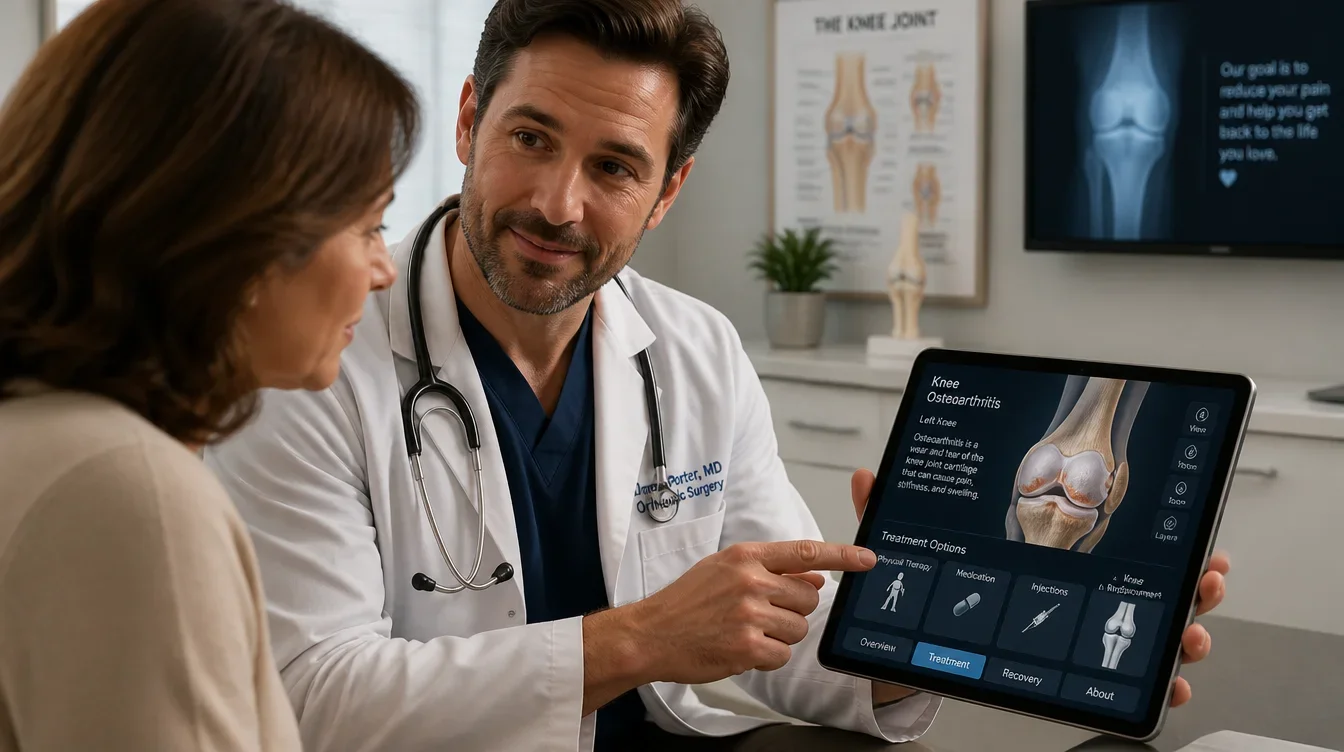
Key Elements of Effective Interactive Patient Learning Resources
Patient Engagement: Personalization, Interactivity, and Feedback Loops
The best interactive patient education materials put patient engagement at the center of their design. Personalization is essential—resources should adapt not just by medical condition, but also by patient’s language, age, culture, and learning preference. Interactivity, whether through visual timelines, quizzes, or scenario-based modules, encourages patients to learn by doing, rather than passively absorbing information. Finally, feedback loops—instant responses to quiz results, smart suggestions based on activity, or digital encouragement—motivate ongoing participation and support self-directed learning, which increases patient adherence and overall satisfaction.
Healthcare professionals benefit, too. Patient engagement data from these resources helps care professionals identify common questions, knowledge gaps, or points where patients lose interest. By leveraging these insights, organizations can continually refine education material for maximum impact. Ultimately, effective interactive patient learning resources turn each care interaction into a two-way conversation, empowering patients and helping care teams focus on education and engagement that works.
Types of Interactive Patient Education Materials for Healthcare Professionals
Digital quizzes: Gauge patient understanding in real time and reinforce health information retention.
Short educational videos: Explain concepts visually—ideal for all learning styles and language backgrounds.
Interactive diagrams: Help patients and their families visualize processes (like surgery or medication pathways) or track progress on personalized dashboards.
Patient portals and decision aids: Give patients on-demand access to custom content, appointment reminders, care instructions, and two-way communication with their care professional.
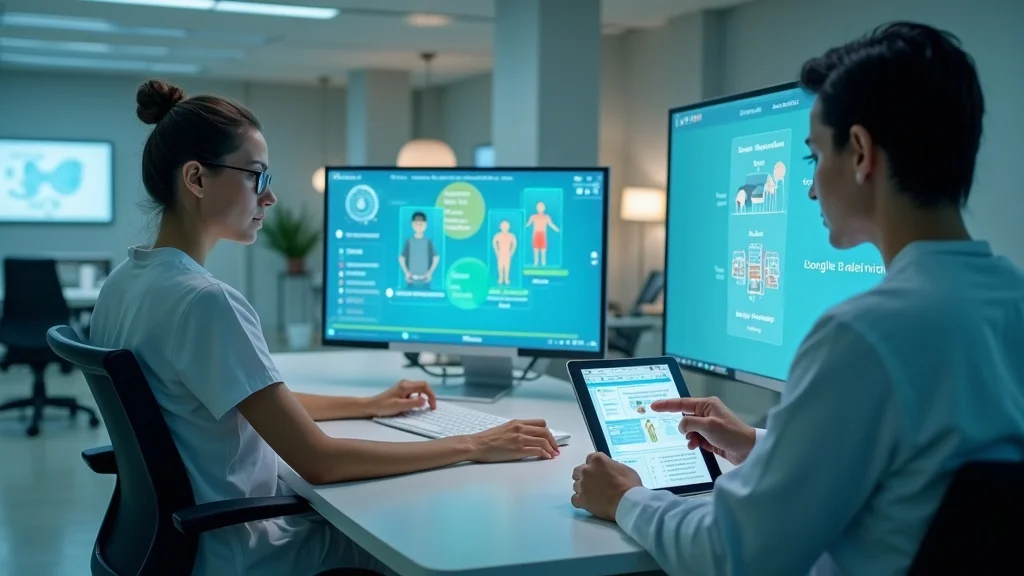
How Healthcare Professionals Choose the Right Patient Education Resource
Assessing Education Material Quality: Best Practices
Selecting the best interactive patient learning resources starts with a thorough needs assessment. Healthcare professionals should first consider the patient population—age, health literacy, preferred languages, and common conditions—to ensure materials are accessible and appropriate. Next, evaluate resource credibility: Does the education resource come from a reputable source (such as a recognized medical organization or official website)? Is the information evidence-based, up-to-date, and well-reviewed by experts?
Look for resources that provide clear, personalized learning paths, intuitive navigation, and measurable outcomes. Patient feedback mechanisms should be built-in, so care organizations can gather data and refine education content over time. Finally, seamless integration into existing clinical workflows and compatibility with electronic health records (EHR) or patient portals will streamline implementation and increase provider buy-in.
Pitfalls to Avoid When Implementing Education Materials
One common mistake is underestimating the technology requirements and training needed for new resources. Healthcare professionals should ensure all staff are comfortable with new tools and that patients have access to devices and reliable internet. Another pitfall is deploying “off the shelf” content that may not match the literacy or language requirements of the patient population. Custom content or localized resources often yield much better results.
Finally, avoid assuming once deployed, education materials are set-and-forget. Ongoing measurement, soliciting feedback from both patients and staff, and regular content updates are crucial. Ignore these steps, and even the most sophisticated patient education resource can fail to engage patients—or worse, provide outdated or incorrect information.

Measuring the Impact of Interactive Patient Learning Resources on Patient Experience
What to Measure: Engagement, Retention, and Outcomes
Assessing how well your interactive patient learning resources perform is fundamental to continuous improvement. Key metrics include patient engagement—how often and how long patients interact with the content—plus knowledge retention, demonstrated by improved quiz scores or patient-reported understanding. Patient outcomes, such as medication adherence, appointment follow-through, or improved biometrics, signal the real-world effectiveness of your education material.
Providers should implement feedback tools within their education resources: in-app surveys, engagement dashboards, or direct patient interviews. For population health managers, aggregate data helps identify trends in patient information needs or content gaps. The combination of objective (usage data) and subjective (patient-reported experience) feedback allows care organizations to fine-tune resources, close health literacy gaps, and ultimately increase patient satisfaction.
Comparing Interactive Patient Learning Resources to Static Education Materials
Criteria |
Interactive Patient Learning Resources |
Static Education Materials |
|---|---|---|
Engagement |
High, with quizzes, videos, feedback, and personalized paths |
Low, often passive and one-size-fits-all |
Accessibility |
On-demand, often multi-language and device-friendly |
Limited to printed formats or generic web pages |
Measurement |
Trackable usage, quiz results, patient and staff feedback |
Difficult to track; limited to patient recall or anecdotal reports |
Adaptability |
Customizable to patient, condition, learning preference |
Static; changes require full reprint or new materials |
Outcome Impact |
Proven increases in retention, adherence, and satisfaction |
Often minimal long-term behavioral impact |

Best Practices for Deploying Interactive Patient Learning Resources in Healthcare
Step-by-Step: Integrating Patient Education Resources into Clinical Workflows
Assess existing education materials for currency, accuracy, and gaps.
Select appropriate interactive tools tailored to your patient population’s needs and preferences.
Involve all care professionals in the rollout, providing training and feedback opportunities.
Monitor education resource usage, collect feedback, and adapt content or format based on patient and staff experience.
Successful integration involves not just the adoption of new technology, but also adjustments to clinical culture and workflows. Continuously share results and insights from patient engagement data with your team, and establish a routine for updating digital and print materials as standards evolve. If you’d rather not tackle this alone, collaboration with vendors or outside consultants can ease technical and change management challenges.

Frequently Asked Questions on Interactive Patient Learning Resources
How do interactive resources improve patient outcomes?
Interactive patient learning resources improve outcomes by promoting active learning, enhancing understanding, and supporting adherence to care plans. They enable patients and their families to revisit information, track their progress, and communicate concerns, making informed decision making a routine part of patient care.
Are these education materials suitable for all age groups?
Yes, with proper design and content adaptation, interactive patient education materials can serve all age groups. Custom content, accessibility features, and language options ensure inclusivity for children, adults, and older adults in health care settings.
What technology is required to implement patient education material?
Most interactive patient learning resources are web-based or app-based, requiring internet access and a compatible device (tablet, computer, or smartphone). Some platforms also integrate directly with patient portals or EHR systems for seamless, secure use.
How can providers ensure the accuracy of patient education materials?
Choose education resources from reputable organizations, update content regularly based on medical guidelines, and involve clinical subject-matter experts in reviews. Patient feedback and usage analytics help identify areas for further clarification or improvement.
Elevate Your Patient Education With Interactive Learning
Ready to create interactive patient learning experiences that educate, engage, and inspire better health outcomes? Banida Digital can help you develop personalized educational content, optimize your digital resources, and build a patient education strategy that strengthens trust while improving your online visibility. Whether you're enhancing existing materials or creating a new patient engagement program, our team is here to guide you every step of the way. 👉 Visit Banida Digital or contact us today to schedule your free consultation and discover how interactive patient education can transform the way your practice connects with and supports patients.



Write A Comment