


Imagine walking into a doctor’s office and feeling really seen, heard, and prepared to make decisions about your care. When patients are equipped with education, they no longer feel lost in a maze of medical jargon—they gain confidence, collaboration, and real control of their health journey. Patient empowerment through education isn’t just a buzzword—it’s a transformative shift changing lives and revolutionizing healthcare daily. In this guide, discover the actionable steps, real-world examples, and key principles that empower patients to take charge, boost health outcomes, and foster stronger partnerships with care providers.
Why Patient Empowerment Through Education Is Essential
Patient empowerment through education is at the foundation of excellent health care. At its core, it means equipping individuals with the knowledge, skills, and confidence to take an active role in their health journey. In today’s complex healthcare system, patients are often overwhelmed by unfamiliar diagnoses, treatment options, and care decisions. By making health literacy a priority and providing accessible patient education, healthcare providers enable their patients to make informed choices, participate in shared decision-making, and better understand their treatment plan. This proactive approach has a direct impact on health outcomes, patient satisfaction, and even care costs.
When patients understand their health condition, risks, and all available treatment options, they are more likely to adhere to their treatment plans, engage with their healthcare provider, and recognize when to seek help. This not only leads to improved health outcomes—fewer hospital readmissions, better disease management, and enhanced quality of life—but also reduces healthcare costs for both individuals and the larger care system. Involving patients as partners, not just recipients, helps cultivate a sense of ownership and partnership that transforms the healthcare experience for everyone.
Patient Education in Modern Healthcare
Modern healthcare is constantly evolving, and with these changes, the role of patient education has become more important than ever. No longer is the patient expected to simply receive instructions; rather, they are encouraged to ask questions, access quality health information, and participate in forming their best treatment plan alongside their care provider. Quality patient education uses tools such as plain-language educational materials, interactive apps, and open conversation. This shift supports the move from a one-size-fits-all care model to a personalized, integrated approach, where the patient's voice and knowledge are central to decision-making.
Technology, including patient portals and mobile educational apps, makes it easier for patients to review test results, ask questions, and learn about their health at their own pace. As health systems adapt, integrating effective patient education as part of every encounter—whether in clinic, hospital, or at home—becomes an essential best practice for every care professional.
Empowering patients through education is closely tied to how healthcare providers communicate and engage with their communities.

The Role of Health Literacy in Patient Empowerment
Health literacy is more than just reading about medical conditions; it's the ability to access, process, and understand health information needed to make informed health decisions. Patients with strong health literacy can weigh risks and benefits, compare treatment options, and actively engage their healthcare providers. However, low health literacy can be a barrier, leading to confusion, missed appointments, and even poorer health outcomes. By focusing on clear communication and tailored educational materials, care professionals help bridge the gap—empowering more patients, regardless of background or education level.
When patients really grasp their diagnosis and next steps, they are less likely to feel anxious and more likely to take control of their health. That's why health literacy stands as a cornerstone of patient empowerment through education and should be a goal for every care provider delivering patient education.
Improving Health Outcomes with Patient Empowerment Through Education
When education becomes an integral part of care, positive changes quickly follow. Patients who understand their health conditions and the reasons for specific treatments are much more likely to follow through with their treatment plan, leading to measurable improvements in health outcomes such as medication adherence, chronic disease management, and even lower healthcare costs over time. These patients also become adept at noticing early warning signs and can seek care proactively, preventing complications before they arise.
Empowered patients often report greater satisfaction with their care, feeling respected and valued within the healthcare system. Their active participation leads to fewer misunderstandings, reduced anxiety, and an overall improvement in well-being. These powerful results are not just anecdotal—they are increasingly supported by clinical research and best practices across care providers and health systems worldwide.

The Foundation: Health Literacy and Patient Education
What is Health Literacy and Why Does It Matter?
Health literacy is the bridge between medical knowledge and everyday understanding. It’s more than being able to read a pamphlet—it’s about fully grasping health concepts, side effects, lifestyle changes, and medical instructions. When patients have high health literacy, they understand their treatment options and can confidently make informed decisions. Unfortunately, a lack of health literacy is a leading reason why patients struggle with care instructions or don’t feel involved.
Every aspect of patient education should be designed to boost this literacy. Educational materials should be clear, culturally sensitive, and available in the patient’s preferred language. When patients feel empowered to ask clarifying questions and discuss their health concerns openly, outcomes improve and the role of the healthcare provider becomes more collaborative.
Patient Education as a Cornerstone of Empowerment
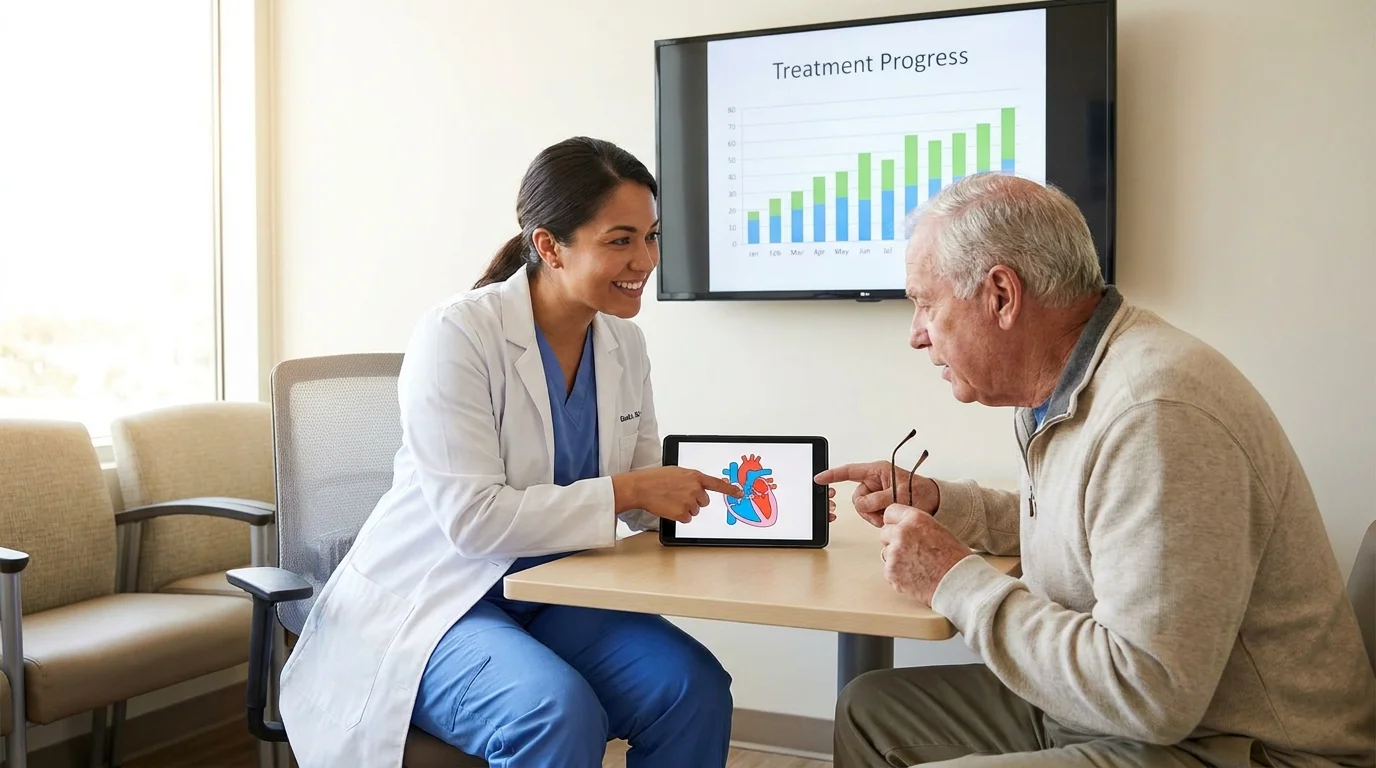
Patient education is not a supplementary service—it is central to empowering people to actively manage their health. When care professionals explain conditions, medication, and procedures using straightforward language and visual aids, patients gain the confidence to participate in health-related decisions. Evidence shows that patients who understand their diagnosis and the "why" behind their treatment plan are better able to follow through on medication, attend follow-ups, and note any side effects or complications early.
Effective patient education also means tailoring resources to fit the patient’s background, learning style, and needs. Some patients benefit from printed educational materials, others from hands-on demonstrations or interactive digital tools. When education is accessible and relevant, the path to improved health outcomes becomes clearer, and patients take an active role as equal partners in their journey.
Barriers to Effective Patient Education
There remain significant barriers to effective patient education. Time constraints during medical appointments, medical jargon, cultural differences, and even limited access to technology can prevent patients from fully understanding their care. Health literacy gaps can widen the divide, leaving patients confused and less likely to follow care recommendations. Overcoming these challenges is critical for both patients and care providers.
Clear, open communication serves as the first step toward patient empowerment. Providers must be mindful of each patient's background and provide multiple avenues—written, verbal, digital—for learning and engagement. When barriers are removed, patient education becomes a transformative tool that supports informed choices and better health.

Active Role: How Patients Participate in Their Healthcare Journey
Transforming Passive Recipients into Active Participants
Traditionally, patients have often been seen as passive recipients of care, expected to follow instructions without question. However, true patient empowerment through education flips this script—encouraging active participation, curiosity, and engagement. When patients feel their voice matters and understand their role in their treatment plans, they are far more likely to adhere to advice, make healthy choices, and share insights with care providers for better problem-solving.
Enabling an active role involves building trust, creating a supportive environment, and providing tools for patients to manage their health. This approach strengthens shared decision-making, one of the hallmarks of modern healthcare, and helps bridge communication between patients and providers—leading to better outcomes and higher satisfaction for everyone involved.
Common Pitfalls When Encouraging Active Participation
One pitfall many care professionals encounter is assuming every patient wants or is able to participate fully without support. Another is overwhelming patients with complex information too quickly, which can increase anxiety rather than boost empowerment. It's important to start with simple, accessible instructional materials and encourage questions without judgment.
Best practices for guiding patients into an active role include using teach-back methods, adapting educational approaches to learning styles, and setting small, achievable milestones. Providers who regularly ask for patient feedback about the clarity and usefulness of education materials are best positioned to foster trust and continuous improvement.

Care Providers and Their Impact on Patient Empowerment Through Education
Healthcare Providers as Partners in Education
Healthcare providers serve as trusted partners and guides in the patient education process. Rather than simply issuing instructions, clinicians should foster an open environment where patients are encouraged to express concerns, ask questions, and share their experiences. This patient-provider partnership makes every care decision collaborative, supporting shared decision-making and more effective health outcomes.
The best care professionals are attuned to each patient’s individual needs. They personalize educational approaches—using language, visuals, or digital resources that fit that patient. Ongoing dialogue ensures that patient education is a conversation, not a lecture, and empowers patients to become co-creators of their health plan.
Building Trust and Collaboration Between Care Providers and Patients
Trust is integral to patient empowerment through education. Patients are more likely to accept and understand health information from providers they believe care about their well-being. Building trust takes time and is fostered by transparency, consistent communication, and respect for patient preferences and beliefs.
Care providers who explain treatment options clearly, outline potential side effects, and respect each patient’s decision foster a sense of collaboration that extends beyond the exam room. These partnerships are especially vital when shared decision making is needed for complex or chronic health conditions, leading to better engagement and outcomes.
Examples of Patient Engagement Strategies from Healthcare Professionals
Care professionals use a range of tactics to boost patient engagement: from group education workshops and one-on-one coaching to integrating patient portals and mobile apps that provide 24/7 access to personalized health information. Some healthcare providers offer visual educational materials, role-play scenarios, or hands-on demonstrations to ensure every patient can participate, regardless of age or health literacy level.
Success is often measured in small steps—patients remembering to take medication, showing up for preventive appointments, or logging self-reported data in a patient portal. By meeting patients where they are and leveraging diverse educational methods, providers make empowerment both achievable and sustainable.
Patient Engagement Tools: From Conversations to Technology
Interactive Methods for Effective Patient Education
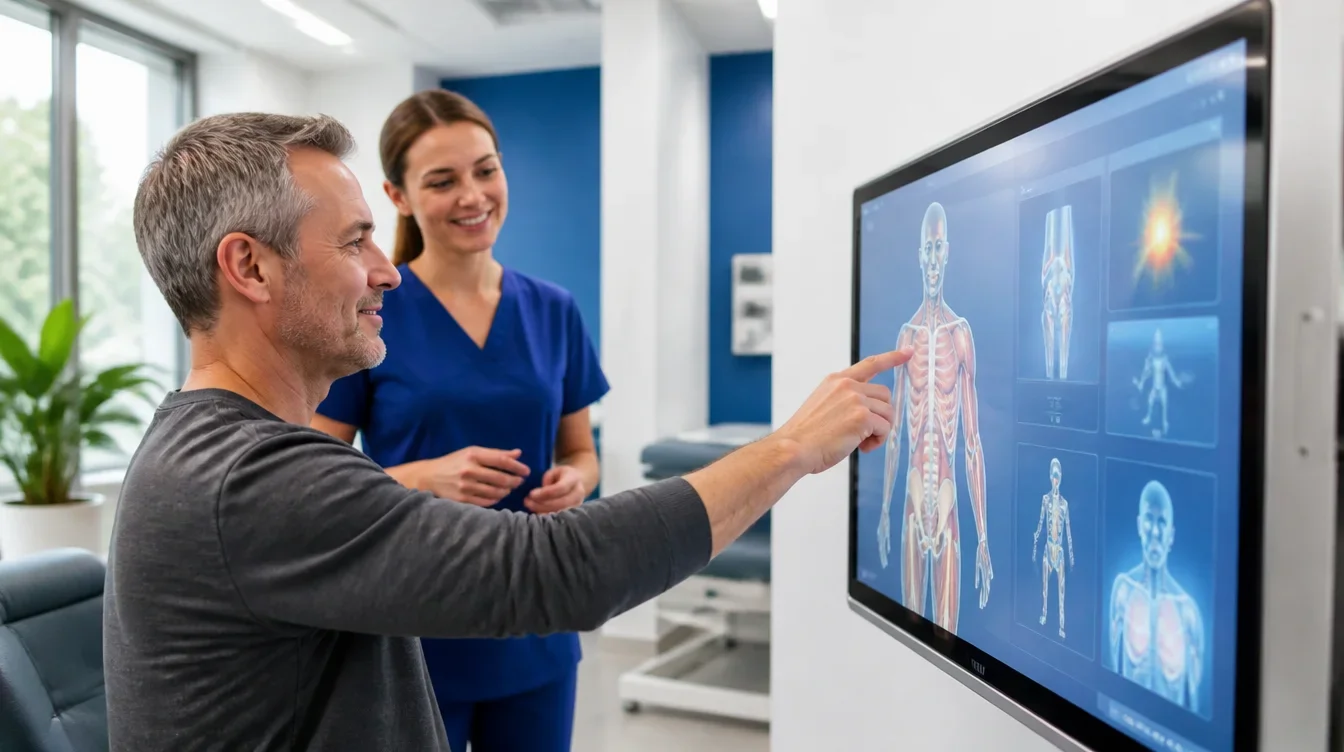
Effective patient education is not simply about disseminating information—it’s about creating dynamic conversations, leveraging storytelling, and using practical tools to address real-world concerns. Interactive teaching methods, such as using visual aids, hands-on demonstrations, quizzes, and support groups, enhance patient understanding, retention, and confidence.
Providers might use questions like “Can you show me how you’ll take your medication at home?” or interactive videos that demonstrate tasks step-by-step. These approaches encourage patients to take an active role in their care, leading to higher engagement and better health outcomes over time.
Digital Resources That Support Health Literacy and Empowerment
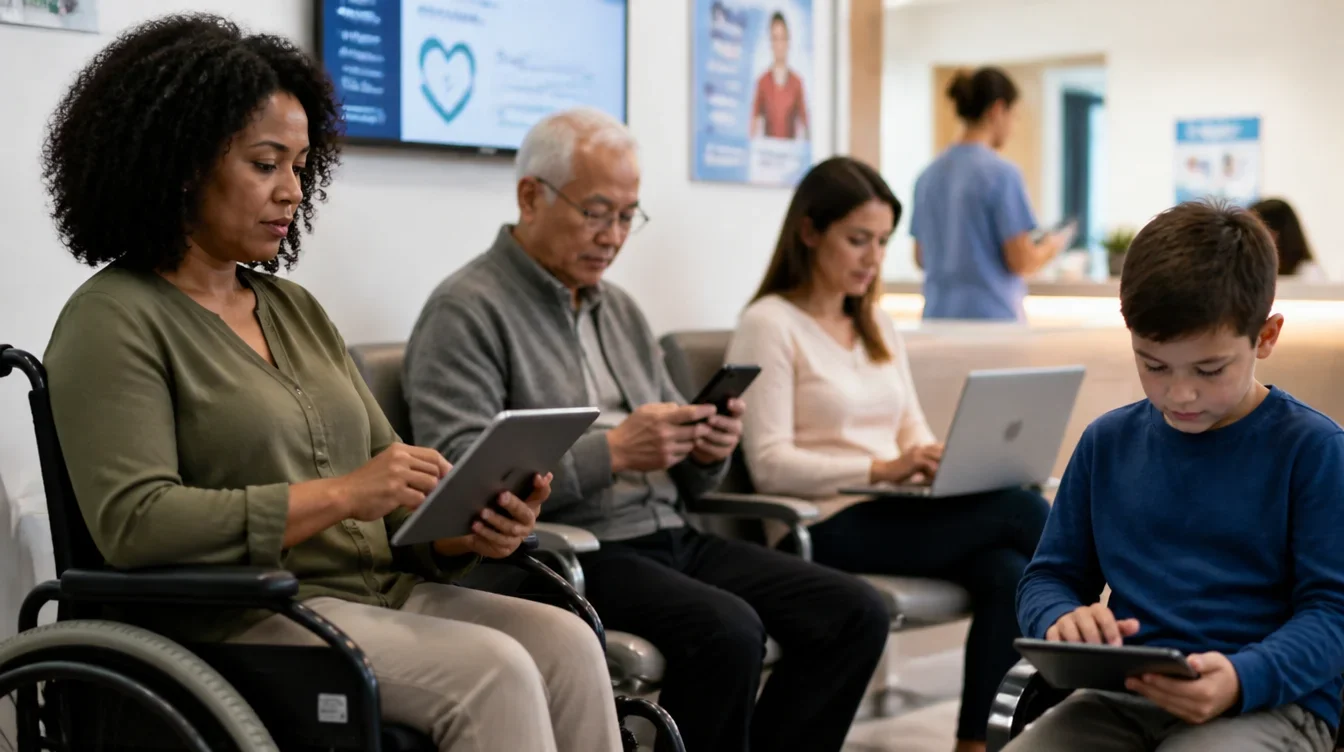
Digital technology has revolutionized patient empowerment through education. Patient portals allow individuals to review their medical history, lab results, and upcoming appointments. Trusted health apps offer personalized education modules, symptom trackers, and direct messaging for questions—all accessible at home or on the go.
Providers can recommend credible digital resources—like online health libraries, support forums, and e-learning courses—to help patients make informed decisions at their own pace. Combining in-person education with digital access helps address different learning preferences and bridges health literacy gaps, further supporting improved health outcomes.

Key Components and Strategies of Effective Patient Empowerment Through Education
The Five Elements of Empowerment in Patient Care
Effective patient empowerment through education is rooted in five essential elements: information access, skill development, support, confidence-building, and ongoing feedback. First, patients need clear, relevant information about their health conditions and treatment options. Second, they need practical skills to manage day-to-day care—such as tracking symptoms, taking medications, or scheduling follow-up visits.
Support comes from both care providers and family, building confidence as patients try new behaviors or make serious decisions. Lastly, regular feedback allows for adjustment and ensures that patients remain partners in their care, not spectators. Together, these components foster active participation and superior health outcomes.
Strategies for Healthcare Providers and Care Professionals
Healthcare professionals can boost patient empowerment through education by adopting simple, proven strategies. Use plain language and avoid jargon. Break complex topics into manageable steps. Employ teach-back methods, where patients repeat back instructions in their own words to confirm understanding. Offer a mix of educational materials—visual, digital, and hands-on—to accommodate different learning preferences.
Frequently check for understanding and adapt your approach to fit patient feedback. Encourage family involvement or peer support for those with chronic health conditions. Document educational efforts and their results, and make use of patient portals for continuous engagement. A step-by-step, patient-centered approach ensures more effective patient education and stronger outcomes for everyone involved.

Measuring Success: Evaluating Health Outcomes and Empowerment
Which Health Outcomes Improve Most with Empowered Patients?
Empowered patients experience improvements across a wide range of health outcomes. These include better disease control (such as lower blood pressure or improved blood sugar in diabetes), increased adherence to treatment plans, fewer hospitalizations, and higher overall patient satisfaction. Additionally, patients who actively engage with their health care providers and participate in care decisions are less likely to experience complications and more likely to identify early warning signs of ailment, leading to timely interventions.
Long-term, these changes not only boost patients' quality of life but also reduce healthcare costs by minimizing unnecessary procedures and hospital visits. Empowerment supports a more sustainable healthcare system and provides measurable benefits to all stakeholders.
What Metrics Reveal About Patient Engagement and Health Literacy
To evaluate the impact of patient empowerment through education, care providers track key metrics—such as medication adherence rates, missed appointment frequency, patient engagement scores, and patient satisfaction surveys. Outcomes like improved health literacy, reduced errors, and higher levels of self-reported confidence in managing health conditions serve as benchmarks for success.
Monitoring these indicators allows healthcare teams to tailor education strategies and address gaps, ensuring that every patient gets the support they need. This data-driven feedback loop forms the backbone of continuous improvement in patient education initiatives.
Comparing Health Outcomes Before and After Patient Empowerment Through Education
Outcome Measure |
Before Education |
After Empowerment |
|---|---|---|
Medication Adherence |
Lower |
Significantly Higher |
Chronic Disease Management |
Poor or Inconsistent |
Consistent & Improved |
Patient Satisfaction |
Average/Low |
High |
Emergency Visits |
Frequent |
Reduced |
Health Literacy |
Variable/Low |
Improved & Retained |

Real-World Examples of Patient Empowerment Through Education
Successful Patient Education Campaigns
Across the globe, patient education campaigns are demonstrating powerful results. From chronic disease management support groups to public health fairs and virtual learning modules, real-world projects emphasize the tangible impact of empowering patients. Community organizations often partner with local care providers to bring education into neighborhoods, using interactive resources and storytelling to engage people of all ages and backgrounds.
One notable campaign featured hands-on workshops and follow-up support for patients living with heart disease. Through regular meetings and digital toolkit access, participants gained confidence, improved health literacy, and experienced measurable health improvements that persisted long after the sessions ended.
How Patients Benefit from Taking an Active Role
Patients who engage with educational materials, join group sessions, or use a patient portal to manage their health information enjoy significant advantages. They’re more likely to understand their health condition, follow through with their treatment plan, and avoid preventable complications. The benefits extend beyond clinical outcomes—active participation fosters self-esteem, reduces health-related anxiety, and cultivates a sense of control.
Empowered patients also become resources for others, often sharing insights or strategies with family or peers managing similar health challenges. This ripple effect keeps positive changes moving through organizations, communities, and the healthcare system as a whole.

Addressing Challenges: Common Barriers and How to Overcome Them
Cultural, Linguistic, and Systemic Challenges
Diverse patient populations bring distinct needs and expectations. Language barriers, health beliefs, and systemic inequities can hinder patient empowerment through education. Providers should offer multilingual and culturally sensitive educational materials, use visual aids, and foster respectful two-way communication.
Systemic issues—like limited appointment time, lack of access to technology, or rigid healthcare systems—must be addressed at both the practice and policy level. Working toward greater equity and incorporating interpreters or cultural liaisons as needed helps every patient feel seen, heard, and informed.
Overcoming Resistance to Change in Patient and Provider Roles
It’s natural for both patients and providers to feel hesitant about shifting traditional roles. Some patients may doubt their ability to participate; providers may feel pressured by time constraints or worry about losing authority. The solution begins with open conversation, clear expectations, and consistent support.
Change is most successful when gradual and accompanied by encouragement, feedback, and easy access to trusted educational resources. Providers should celebrate small achievements and invite patient feedback to build comfort and participation in the process.
Solutions for Low Health Literacy Environments
For environments where health literacy is low, simplicity and repetition are key. Use visual guides and short instructional videos. Involve family or support networks whenever possible. Employ the “teach-back” method—invite patients to explain a concept in their own words—and provide easy-to-read educational materials. The goal is to empower every patient, regardless of background or education level, to manage their health confidently and effectively.
Inspire Better Health Through Patient Empowerment
Patient education is the foundation of empowered healthcare, giving individuals the knowledge and confidence to make informed decisions about their well-being. When patients clearly understand their conditions, treatment options, and preventive care, they are more likely to participate actively in their health journey, follow care plans, and achieve better long-term outcomes. Education transforms patients from passive recipients of care into informed partners who can work alongside their healthcare providers to make the best decisions for their health.
Empowerment thrives through strong collaboration between patients and healthcare professionals. By encouraging open communication, answering questions, and providing easy-to-understand educational resources, healthcare practices can remove common barriers to engagement and build lasting trust. Even small improvements—such as simplifying medical information, offering accessible learning materials, and creating opportunities for meaningful dialogue—can make a significant difference in helping patients feel supported, confident, and in control of their care.
Looking Ahead: Fostering Ongoing Patient Empowerment Through Education
Embracing a Culture of Continuous Learning in Healthcare
Sustained patient empowerment requires a culture of learning—for patients and care providers alike. This means continually updating resources, embracing patient feedback, and incorporating new technologies to support education. Healthcare leaders should encourage staff training in health literacy and patient engagement strategies so that best practices become routine, not rare.
Frequently Asked Questions on Patient Empowerment Through Education
How can healthcare providers improve patient engagement?
Healthcare providers can improve patient engagement by communicating clearly, using educational materials suited to each patient’s learning preferences, integrating digital tools like patient portals, and fostering two-way conversations that encourage patient questions, participation, and feedback at every stage of care.
What are the risks of poor health literacy in patient empowerment?
Poor health literacy can result in confusion, medication errors, missed appointments, and lack of adherence to treatment plans. It can also increase anxiety, decrease patient satisfaction, and ultimately lead to worse health outcomes and higher healthcare costs.
Which tools best support patient empowerment through education?
Effective tools include simple printed materials, instructional videos, digital apps, patient portals, teach-back conversations, and group workshops. The key is to offer multiple resources to fit the needs and preferences of diverse patient populations.

Empower Your Patients—And Grow Your Practice
Ready to create educational content that empowers patients and strengthens your practice? Banida Digital can help you develop clear, engaging, and patient-centered resources that build trust, improve health literacy, and enhance your online presence. Whether you need a stronger content strategy, optimized patient education materials, or a more effective digital marketing approach, our team is here to help. 👉 Visit Banida Digital or contact us today to schedule your free consultation and discover how the right content can educate your community, deepen patient relationships, and drive lasting growth for your practice.


Write A Comment