


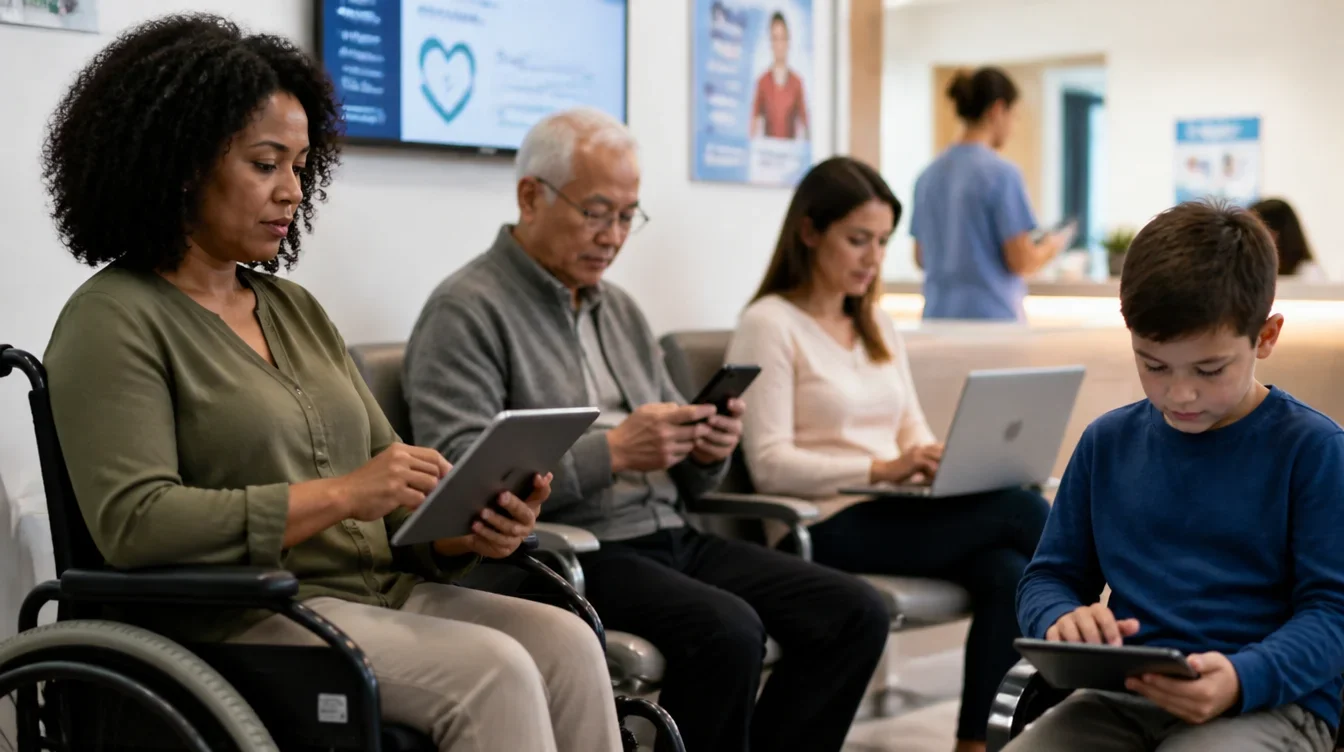
Imagine sitting in a bright, modern clinic, a friendly healthcare provider by your side. Instead of handing you a printed pamphlet, they open a tablet, displaying a personalized dashboard with videos, reminders, and interactive tools—all tailored to help you understand your diagnosis and treatment plan. This is not the future of healthcare; it's the reality, thanks to the rapid rise of digital tools for patient education.
How Digital Tools for Patient Education Are Changing Healthcare
Patient care used to begin and end with a handshake, a smile, and a stack of paper leaflets. Today, digital health tools offer new opportunities for engagement, health literacy, and measurable improvements in health outcomes. Healthcare providers are leveraging platforms like patient portals, mobile apps, and wearables to create a digital care system where educational content adapts to individual needs and preferences. These tools support everything from understanding chronic conditions to managing wellness between doctor visits and streamlining communication across the care plan.
The shift from static materials to dynamic, digital solutions reflects a deeper change in how patients and providers interact. Now, educational resources can be updated in real time, personalized to the patient’s medical record or treatment plan, and accessed from virtually anywhere. This evolution isn’t just about delivering information—it’s about building a partnership between healthcare providers and patients where both sides are empowered to achieve better patient outcomes, greater engagement, and improved overall health literacy in our increasingly connected world.
From Paper Pamphlets to Digital Health Tools
Think back just a decade ago: a patient newly diagnosed with diabetes may have left a doctor’s office with a pile of brochures. Fast-forward to today, that same patient could use a secure mobile app to track blood sugar, receive meal suggestions, message their provider, and watch condition-specific educational videos at home. The digital patient experience bridges gaps between appointments and enables individuals to engage with health information at their own pace. These digital tools extend far past just convenience—they drive understanding, adherence to treatment, and support for patients and families when they need it most.
Behind the scenes, healthcare providers use these platforms not only to disseminate important information but also to monitor engagement and refine educational strategies based on aggregated patient data. The result is a more responsive, adaptive care system designed to enhance patient engagement, boost health literacy, and support real-world, measurable health outcomes. As digital health tools become standard in clinics and homes, one thing is clear: patient education is now collaborative, flexible, and more effective than ever.

Understanding Digital Tools for Patient Education
Before diving deeper, let’s clarify what we mean by digital tools for patient education. These are interactive software, apps, platforms, and connected devices that deliver health information, improve patient engagement, and support better health outcomes. The scope is wide: from a patient portal connected to your doctor’s medical record system, to mobile apps guiding medication adherence, to wearable tech that not only tracks steps but also offers health literacy content directly to your wrist.
Digital patient education is fundamentally about making health information more accessible, understandable, and motivating. Whether you are a healthcare provider aiming to enhance patient engagement or an individual curious about managing your own health plan, understanding these health tools will help you use them most effectively. In the next sections, we’ll explore definitions, platform types, and the evolving strategies for digital patient empowerment.
Defining Digital Tools in Healthcare
Digital tools in healthcare refer to technologies that support, inform, and often empower both patients and providers across all levels of care. These digital health tools range from electronic health records and patient portals to interactive videos and remote-monitoring wearables. The goal is to seamlessly integrate technology into the healthcare journey, so patients not only receive information but also engage with it meaningfully—leading to better patient outcomes and a richer, data-driven patient experience.
With modern digital health tool adoption, patients can access a host of resources tailored to their health status, treatment plans, and personal preferences. For example, a patient portal may provide secure messaging with a healthcare provider, personalized educational content, and easy access to lab results or appointment scheduling. Mobile health apps often deliver timely reminders and targeted resources, while telemedicine platforms allow for direct, visual communication. These platforms are transforming how medical information flows between healthcare services, giving patients a central role in their care system.
What Are Patient Education Tools?
Patient education tools are any resources designed to inform and empower patients about their medical conditions, treatment plans, or healthy lifestyle choices. These can be traditional—like brochures or charts—but today, digital platforms, interactive applications, and multimedia content dominate the landscape. Examples include animated explainer videos on a patient portal, step-by-step medication guides in a mobile app, or digital multimedia health libraries accessible in multiple languages.
Effective patient education tools make information digestible and actionable, often using visuals, interactive components, or quizzes to check understanding. Digital tools bring the added advantage of real-time updates, two-way communication, and personalized educational content driven by a patient’s unique health data. This shift moves knowledge out of pamphlets and into patients’ daily lives, where it can make the most difference for health literacy and long-term outcomes.
Digital Patient Engagement: Key Elements and Trends
At the heart of today’s healthcare transformation is the concept of digital patient engagement, where technology encourages active participation in care decisions and management. Tools like patient portals help patients regularly review their medical record, understand next steps, and communicate with healthcare providers at their convenience. Meanwhile, wearables and remote monitoring devices provide daily insights and gentle nudges that support healthier habits.
A key trend is the move toward personalization—delivering patient education that takes cultural, linguistic, and literacy differences into account. Digital platforms increasingly offer content tailored to an individual’s condition, lifestyle, and learning preferences. This not only builds patient confidence but also measurably improves both patient engagement and clinical health outcomes. In the words of a leading expert: “Digital tools for patient education not only inform—they empower people to be active participants in their health journey. ”

Types of Digital Tools for Patient Education
Choosing the right type of digital health tool can dramatically influence the effectiveness of patient education efforts. The landscape spans everything from comprehensive patient portals to specialized apps, multimedia learning platforms, and connected wearable health devices. Below, we break down the major categories, highlighting their roles in driving health literacy and patient engagement. Understanding what each platform offers—and where each excels—can help providers and patients pick the right balance of digital tools for education, empowerment, and support.
Let’s look closer at these platforms in action, examining how they streamline communication, support treatment plans, and contribute to measurable health outcomes.
As you consider which digital tools best fit your patient education strategy, it's also valuable to explore how broader digital engagement tactics can support your goals. For example, leveraging social media platforms can amplify your educational content and reach more patients outside traditional channels.
Patient Portals: Central Hub for Health Literacy and Patient Engagement
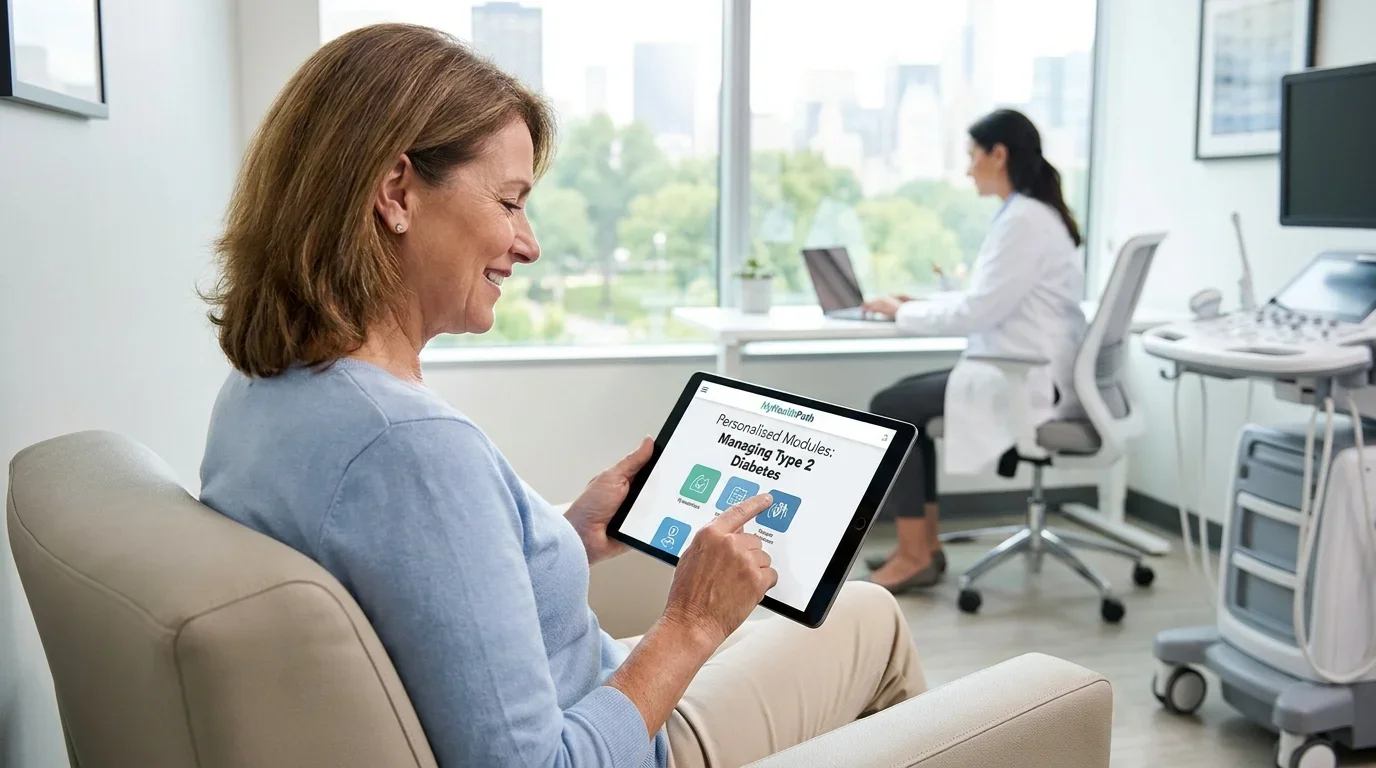
A patient portal is a secure online system provided by healthcare organizations, offering patients real-time access to their medical record, test results, educational resources, and direct communication with providers. Patient portals have become the foundation for many health systems aiming to improve patient engagement and deliver high-quality health information in a centralized, user-friendly way.
From tracking appointments and viewing lab results to accessing tailored educational content and care plans, these portals empower patients to manage their health proactively. However, their success depends on more than just availability—ongoing promotion and training ensure higher adoption and true impact on health literacy. When integrated well into everyday healthcare services, patient portals can significantly improve both the digital patient experience and overall health outcomes.

Mobile Health Apps and Digital Health Tools
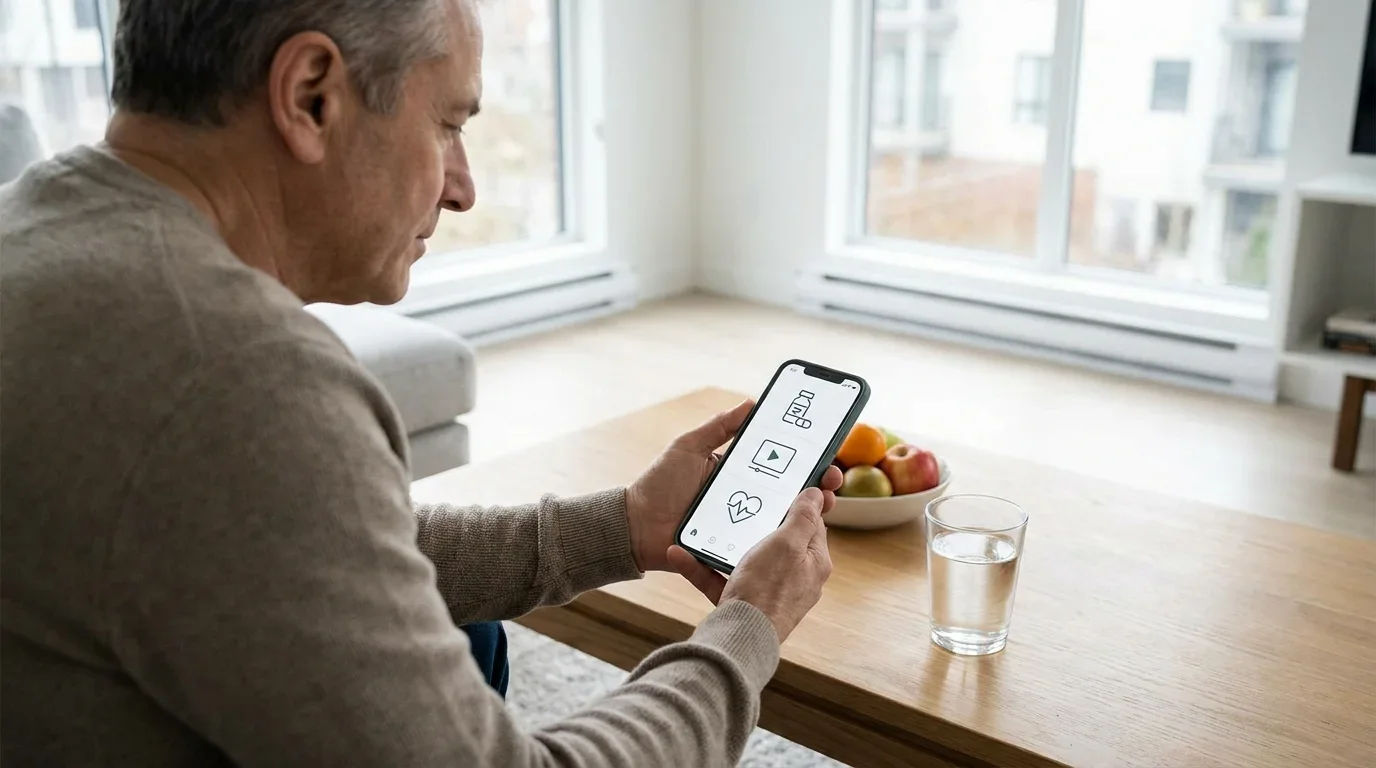
Mobile health apps put vital health tools directly into patients’ hands. Whether it’s a medication tracker, a dietary guide, or a secure communication platform, these digital health tools foster engagement between visits and make education a daily, actionable part of the care plan. The ability to send reminders, deliver educational content, and even offer symptom checkers bridges gaps that previously left patients feeling unprepared after leaving the doctor’s office.
App fatigue and security concerns are real—so successful adoption depends on matching the right app to the right patient, ensuring protection of sensitive health information, and providing training or support for new users. Still, for many, mobile health tools remain the easiest way to access care systems, reinforce treatment plans, and stay on track toward better health outcomes.
Interactive and Multimedia Patient Education Platforms
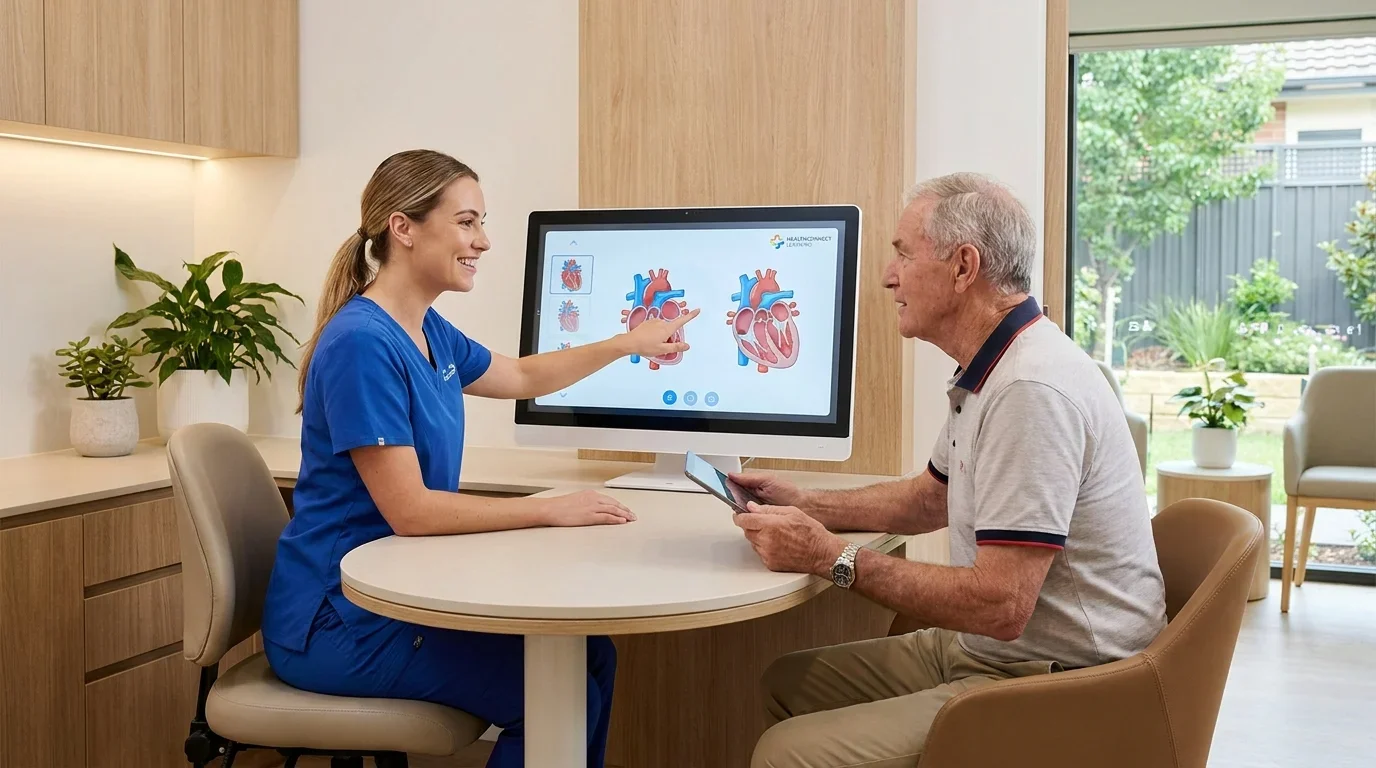
Some of the most powerful patient education experiences now happen on multimedia platforms—websites or apps offering interactive videos, quizzes, and self-assessments tailored to a patient’s condition or question. These digital platforms transform static information into dynamic learning journeys. For instance, a patient recovering from surgery might access rehabilitation videos, track their progress, and check in through brief knowledge checks—all from their tablet or computer.
Multimedia platforms enhance health literacy by catering to diverse learning styles, breaking down complex topics into relatable, step-by-step educational content. However, challenges like varying access to high-speed internet or language barriers must be addressed to ensure these resources are really accessible and effective for all users across the care system.
Wearables and Remote Monitoring: New Frontiers for Patient Education and Health Outcomes
Wearables, such as fitness trackers and smartwatches, are rapidly moving from wellness gadgets to essential health tools in ongoing patient education and engagement. These devices monitor vital signs, offer educational reminders, and track progress toward health goals—all while integrating results directly with patient portals or health apps. The real-time feedback they provide can reinforce learning, highlight progress, and flag potential issues, making abstract health advice feel relevant and immediate.
Remote monitoring expands on this concept, allowing healthcare providers to observe patient data continuously, intervene as necessary, and deliver custom educational content based on trends and milestones. While some users may find device integration challenging at first, the rewards—ranging from greater self-efficacy to improved health outcomes—are substantial when properly addressed during digital health implementation.

Comparing Digital Tools for Patient Education
No digital health tool is one-size-fits-all. Each has distinct strengths, features, and limitations. The most effective digital patient education strategy involves evaluating these differences and choosing a blend that matches your goals, patient population, and care environment. Below, our comparison table outlines the four most common digital tools for patient education, offering a practical look at use cases, core features, and common challenges you’ll want to consider as you design or refine your own approach.
Tool Type |
Best For... |
Features |
Cons |
|---|---|---|---|
Patient Portals |
All patient education |
Secure messaging, test results |
Limited engagement if not promoted |
Mobile Health Apps |
On-the-go health literacy |
Reminders, personalized learning |
App fatigue, privacy |
Wearables |
Real-time health outcomes |
Tracking, feedback |
Adoption, integration |
Multimedia Platforms |
Visual & interactive learning |
Videos, quizzes |
Accessibility, bandwidth |

How Digital Tools Improve Patient Engagement and Health Outcomes
One of the most compelling reasons to invest in digital tools for patient education is their direct impact on patient engagement and measurable health outcomes. When patients understand their care plan, have access to trustworthy information, and can interact confidently with their healthcare team, they are more likely to adhere to treatment, self-manage conditions, and report better health overall.
The best digital health tools go beyond simply delivering content—they foster a sense of participation, enabling individuals to track progress, set reminders, and reach out to providers as questions arise. For healthcare providers, these technologies offer valuable insights into patient preferences, comprehension, and behavior, making it easier to refine approaches and drive continuous improvement in both service and patient satisfaction.
Boosting Health Literacy with Digital Solutions
Health literacy—the ability to obtain, process, and act upon health information—is a cornerstone of positive patient outcomes. Digital patient education platforms offer a range of formats (videos, interactive guides, quizzes) to meet different literacy and learning needs. By breaking down complex medical jargon and offering stepwise explanations, these tools lower barriers to understanding even intricate care plans or medical procedures.
Digital solutions allow for immediate feedback, knowledge checks, and the ability to revisit content anytime, fostering repeated engagement and true internalization of vital health information. This cycle—access, learn, act, review—forms the backbone of modern patient education, making measurable gains in both confidence and adherence among users.
From Digital Patient Experience to Real-World Health Outcomes
Digital tools have revolutionized the patient experience by making health education ongoing, interactive, and easily accessible. But their impact is perhaps most evident in improved real-world health outcomes, such as higher rates of medication adherence, better chronic disease management, and fewer unnecessary hospital visits. Patients who engage with digital platforms are more likely to stick with treatment plans, communicate effectively with providers, and proactively manage their health.
Providers benefit as well: better-informed patients mean fewer misunderstandings, more efficient care delivery, and higher overall satisfaction. The synergy between digital health tools and human support drives advances in every aspect of the care system. As one expert puts it: “Integrated digital health tools can enhance patient education and engagement, leading to improved adherence and health outcomes. ”
Best Practices for Implementing Digital Tools for Patient Education
Implementing digital tools for patient education goes far beyond installing new software or apps. Success starts with an honest assessment of patient needs, a careful selection of appropriate platforms, and continued evaluation and improvement. Below, we outline best practices to guide your process and ensure these health tools deliver on their promise of patient-centered, effective education. Consider these practical strategies as starting points for any digital health initiative—whether for a large health system, private practice, or community clinic.
Assessing Needs: Start with the Patient Perspective
Every successful digital patient education initiative begins by listening: What formats do your patients prefer? What languages, devices, or accessibility features will they need? Engaging patients and families early in the process offers vital insights—revealing what feels welcoming, what information is most valued, and what barriers still exist. It’s equally important to involve care teams and frontline staff, whose feedback on workflows and patient questions can identify key priorities for your digital health tools.
Surveys, pilot projects, and one-on-one interviews can help ensure your chosen solution really addresses the target population’s needs. This approach doesn’t just boost uptake—it sets the stage for a respectful, cooperative relationship where patients feel seen, heard, and supported every step of the way.

Choosing the Right Digital Health Tools and Platforms
Selecting the best digital health tools starts with clear goals: Are you trying to improve chronic disease self-management? Reduce unnecessary readmissions? Build a more engaged patient population? Map your priorities to the platform that offers the best features for those objectives. Security, language support, ease of use, and integration with existing health systems are all critical factors when evaluating digital solutions.
It can be tempting to chase the “latest and greatest” digital tool, but proven, widely adopted options are often more sustainable and receive better support. Pilot-testing new tools with small groups before wider rollout can help surface unexpected issues and improve acceptance across the board. Remember: A tool that serves your patients’ real-world needs will drive better health outcomes and a more positive patient experience.
Measuring Success—What to Track and Improve
Continuous measurement is key to improving digital patient education programs. Important metrics might include patient engagement rates (logins, time spent, and resource completion), health literacy improvements (pre-/post-intervention surveys), satisfaction scores, and—most importantly—health outcomes such as adherence to treatment plans or readmission rates. Tracking these indicators over time helps reveal what’s working and pinpoints where additional support or adjustments are needed.
Soliciting regular feedback from both patients and providers sustains an environment of learning and adaptation. Consider scheduled check-ins or digital surveys to keep pace with user needs and evolving technology—ensuring digital health tools remain relevant and impactful through every phase of care.
Avoiding Common Pitfalls with Digital Patient Education
Every new initiative comes with its own set of challenges. Common pitfalls include overlooking accessibility or language barriers, underestimating the importance of promotion and staff training, failing to integrate digital platforms with existing workflows, or not establishing clear measures of success from the outset. Mitigating these risks starts with recognizing them early and building solutions collaboratively.
Transparency about privacy, ongoing education for both patients and staff, and a willingness to adjust based on real-world experience will help your digital health tools achieve their potential. Plan for regular updates, open communication, and accessible troubleshooting support—for both patients and providers. When implemented thoughtfully, digital patient education doesn’t just inform, it transforms the care experience.
Empower Better Care Through Smarter Patient Education
Digital tools are transforming the way healthcare organizations educate, engage, and support patients. From interactive learning platforms and patient portals to mobile apps and telehealth resources, technology makes health information more accessible and personalized than ever before. When used strategically, these tools help bridge communication gaps, improve understanding, and encourage patients to take a more active role in managing their health and well-being.
The greatest success comes from selecting digital tools that align with the unique needs, preferences, and learning styles of your patients. Effective implementation requires thoughtful planning, ongoing communication, and a commitment to gathering feedback and measuring results. By continuously refining your approach and leveraging technology to enhance—not replace—human connection, healthcare organizations can create meaningful educational experiences that lead to stronger engagement, better outcomes, and more empowered patients.
Frequently Asked Questions on Digital Tools for Patient Education
How secure are digital health tools for patient education?
Most digital tools are built with robust security protocols—such as encryption, password protection, and HIPAA compliance—to safeguard patient information. Still, it’s important for both providers and patients to use secure devices, keep software updated, and choose only trusted official websites or apps.
How can providers boost patient engagement with digital resources?
Providers can encourage engagement by integrating digital tools into appointments, offering clear tutorials, following up on use, and personalizing educational content to individual needs. The most effective strategies also involve feedback and adaptation to patients’ changing preferences.
What barriers exist to adopting digital patient tools, and how can they be overcome?
Barriers may include limited access to technology, discomfort with digital devices, language differences, and concerns about privacy. Addressing these starts with user-friendly design, multilingual support, and consistent guidance, as well as ensuring ongoing technical assistance for all users.
Are digital patient education platforms accessible to non-English speakers?
Many digital platforms now offer multilingual content and translation features, but not all resources are equally accessible. When choosing a platform, look for one with built-in language support and check whether educational materials fit your patient population’s needs.
How can you measure the effectiveness of digital health tools in education?
Effectiveness can be measured by tracking usage metrics, patient feedback, knowledge retention, treatment adherence, and health outcomes such as reduced hospitalizations or improved disease management rates.
Take the Next Step Toward Smarter Patient Engagement
Ready to enhance your patient education strategy with digital tools that inform, engage, and empower? Banida Digital can help you identify content opportunities, improve your online visibility, and implement patient-centered digital solutions that strengthen communication and trust. Whether you're looking to optimize your educational content, increase patient engagement, or create a more effective digital experience, our team is here to guide you every step of the way. 👉 Visit Banida Digital or contact us today to schedule your free consultation and discover how the right digital strategy can help your practice connect with more patients and deliver greater value.


Write A Comment