


Imagine an older adult struggling to remember medication instructions because she can’t read her hospital’s online portal, or a visually impaired patient unable to book follow-up appointments due to inaccessible websites. These scenarios happen every day, reinforcing an urgent truth: medical information accessibility isn’t just about compliance—it’s about real lives, health outcomes, and trust in our health care system.
The Everyday Impact of Medical Information Accessibility
Every day, patients navigate a complex maze of information: test results, medication lists, treatment plans, and more. When access to this health information is limited—by complex language, difficult-to-use technology, or outdated formats—patients are left at a disadvantage. Medical information accessibility bridges this gap, empowering individuals and improving both patient care and engagement. For those covered by the Americans with Disabilities Act or experiencing digital literacy gaps, accessible health records are more than a convenience—they are essential for equitable care. Accessible systems don’t just benefit patients; they streamline processes for health care providers, reduce misunderstanding, and support better health outcomes for everyone.
Technology, legal standards, and a growing expectation for transparency all intersect here. Whether a patient is reviewing their electronic health record from home or a care provider is sharing sensitive updates over secure websites, the gaps in accessibility can mean missed opportunities for prevention, delayed diagnoses, or subtle losses of dignity. Our health care system stands at a crossroads: will we prioritize accessible, inclusive information sharing, or maintain barriers that inadvertently exclude our most vulnerable community members?
Real-World Scenarios Where Medical Information Accessibility Makes a Difference
Consider these everyday examples. A patient newly diagnosed with diabetes receives an after-visit summary—only to find it’s in a PDF that their screen reader can’t interpret. A non-English-speaking family struggles to understand discharge instructions because translation options are missing online. Or, an older adult in a rural area lacks confidence with digital devices, so the state and local government health portal feels like an obstacle course.
These stories underline why health record accessibility is not an abstract policy—it’s a practical need. When patients can’t use secure websites, find information only on official gov websites, or request alternate formats for their health records, the result is uncertainty and disengagement. Health care providers, meanwhile, spend extra time correcting communication misfires. Ultimately, accessible information technology helps everyone: it reduces errors, fosters trust, and gives patients the tools to participate in their own care.
In addition to improving patient engagement through accessible information, healthcare organizations can also leverage digital platforms to reach and educate more patients.

Defining Medical Information Accessibility in Today’s Health Care World
What Health Information Accessibility Is—and Isn’t
Medical information accessibility means ensuring that every person—regardless of age, disability, language, or digital skills—can easily obtain, understand, and use their health records and other health information. Accessibility covers not only physical formats (like large print or Braille) but digital ones too—accessible PDFs, websites with clear navigation and ALT text, and portals compatible with screen readers. It’s not simply “sharing” information online; it is meeting the distinct needs of all users, including those protected by the Americans with Disabilities Act. Accessibility excludes one-size-fits-all solutions. Just having a downloadable form doesn’t guarantee someone with a visual impairment or limited literacy will benefit. True accessibility is flexible, patient-centered, and proactive.
Think beyond visual impairments. Accessibility means someone with limited English proficiency can understand their immunization schedule; a caretaker can access up-to-date records for someone with cognitive challenges; or someone in a rural area can get the same health care access via secure websites as someone in an urban clinic. In contrast, inaccessible materials can worsen health disparities, frustrate users, and leave care providers spending more time on clarification than care.
Information Technology’s Role in Delivering Accessible Health Care
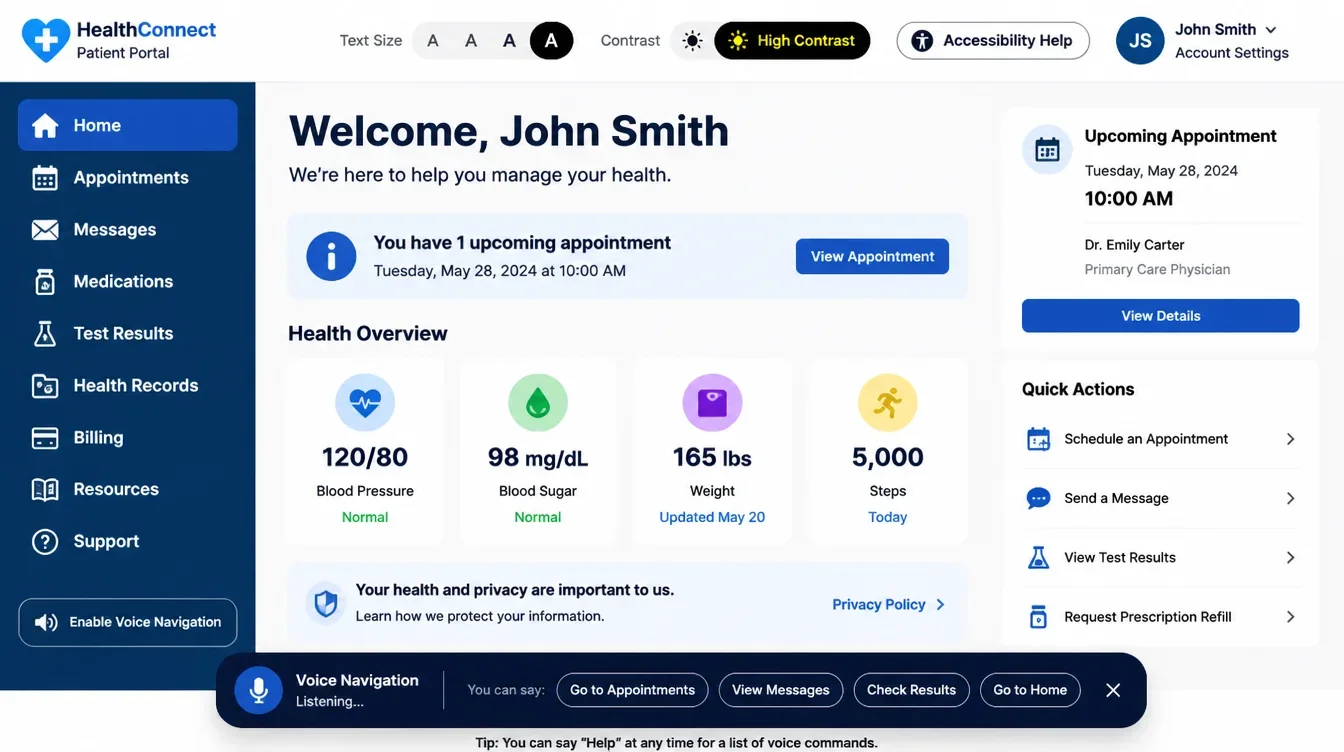
Information technology (IT) is the backbone of modern medical information accessibility. From electronic health record systems to telehealth platforms and secure websites, IT can be a great equalizer—if designed with accessibility in mind. Key concepts like web accessibility and adherence to accessibility standards directly impact whether users can successfully interact with digital health information.
Unfortunately, not all IT solutions are created equal. Some gov websites or portals may neglect features like screen reader support, high-contrast options, or intuitive design. When health systems implement IT without considering the full spectrum of accessibility needs, they can inadvertently exclude users, especially those protected under the Disabilities Act. Accessible technology helps providers share sensitive records securely, allows patients real-time access to care information, and closes gaps between patients and their health care teams.

Why Medical Information Accessibility Should Be a Priority
The Connection Between Health Information, Health Records, and Patient Engagement
Accessible health information unlocks greater patient engagement. When individuals can easily read, listen to, or interact with their health records, they’re empowered to ask questions, remember care instructions, and spot mistakes that could affect their care. Conversely, inaccessible formats inhibit self-advocacy and often require more time and resources for health care providers to resolve simple but critical misunderstandings.
Patient engagement isn’t limited to tech-savvy users. Older adults, those with limited literacy, and people with disabilities all deserve to be confident participants in their care. The easier it is for a patient or care provider to access accurate health information, the more efficiently the health care system functions, leading to fewer errors, reduced delays, and improved satisfaction on all sides.
How Medical Information Accessibility Supports Health Equity
Health equity is about providing every individual the right resources to achieve optimal health, regardless of circumstance. Medical information accessibility is a cornerstone of health equity: without it, people with disabilities, language barriers, or less digital literacy routinely face obstacles. Laws like the Americans with Disabilities Act aim to guarantee rights, but true equity comes from systems designed to include everyone from the start.
When accessible information technology is integrated across all platforms, patients are more likely to follow treatment, keep appointments, and engage in preventive care. Inequity grows when health information is locked behind inaccessible portals or dense paperwork. Making accessibility a priority—by following best practices and legal standards—positions health systems to serve all community members, not just those with the fewest barriers.
Legal and Regulatory Perspectives on Medical Information Accessibility
The Disabilities Act and Americans with Disabilities Act: What They Mean for Health Care Providers
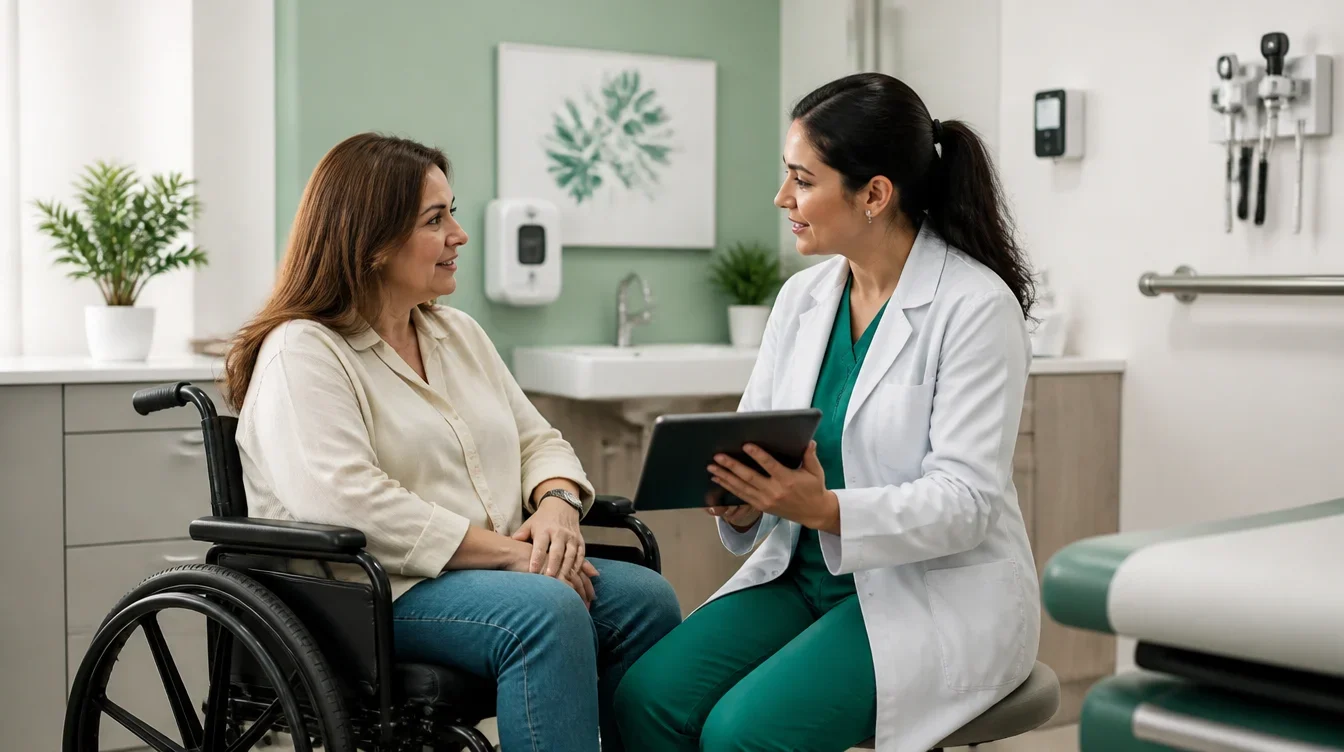
The Disabilities Act and the Americans with Disabilities Act (ADA) are foundational in setting expectations for accessible health information. Title II of the ADA requires all state and local government entities to ensure their digital and physical spaces offer equal access to health records and services. This mandate covers everything from clinic signage to the usability of digital patient portals. Any provider receiving public funds or operating within the United States is held to these standards, which are intended to remove barriers and foster inclusive care for everyone. Notably, healthcare providers must regularly review their systems against current accessibility standards, ensuring that updates or new technologies do not inadvertently disadvantage covered individuals.
Health care organizations failing to meet these requirements may face legal consequences, including penalties, public complaints, and reputational damage. However, compliance is about more than risk avoidance—embracing these standards also demonstrates a commitment to ethical, equitable care. Patients and their advocates increasingly understand their rights, making transparent, accessible information technology not just a legal mandate but a practical necessity for modern care providers.
The Responsibilities of Care Providers and Healthcare Providers
It’s the joint responsibility of care providers and healthcare providers to actively create and maintain accessible channels for patients to receive their health information. This responsibility means assessing every stage—sign-up forms, check-in procedures, treatment instructions, and health record access—through the lens of inclusivity.
Providers shouldn’t assume patients will self-identify their needs or adapt to difficult systems. Instead, a proactive approach involves staff training, early identification of accessibility gaps, and regular consultation with patients and advocacy groups. Integrating adaptive technologies, providing translation services, and maintaining secure, user-friendly digital options fortify the trust and safety of both clinics and patients. If systems seem daunting to update, providers should remember: progress is iterative, and even small changes—like offering information in multiple formats or using clear signage—can make a difference.

Common Barriers to Medical Information Accessibility
Technology Gaps: Digital Literacy and Information Technology
Digital literacy is the ability to use modern technology—smartphones, tablets, online portals—to access information. Many patients (particularly older adults or those with limited exposure to technology) find government websites or patient portals overwhelming. Even with secure websites and official platforms, small font sizes, complex navigation, or lack of tutorial resources can create overwhelming barriers. Likewise, if information technology vendors focus only on technical or clinical staff and overlook patients’ needs, accessibility falters.
For health care providers, addressing these gaps requires both technology and training. Training staff to recognize when patients are struggling and providing hands-on support can bridge the digital divide. Using accessible, well-designed platforms that adhere to recognized accessibility standards—such as the Web Content Accessibility Guidelines (WCAG)—creates more user-friendly environments for all, making health care access more fair and effective.
Accessibility Challenges for Health Records
Even with federal regulations in place, many providers still distribute health records in inaccessible formats—poorly scanned PDFs, hard-to-navigate websites, or printed records with small fonts. Individuals with visual impairments, limited English proficiency, or cognitive disabilities may not be able to read, interpret, or use these materials effectively. A gap exists between “providing” information and delivering it accessibly—and it’s here that everyday health outcomes can falter.
Best practices recommend making health records available in multiple formats—including Braille, large print, and easy-to-read versions. Digital records should be downloadable, screen reader–compatible, and available through secure websites that embrace universal design. If this sounds daunting, remember regular user feedback, accessibility audits, and consults with experts offer practical, achievable progress. Government organizations often provide toolkits and checklists for clinics unsure of where to start.
Exploring Health Information Privacy vs. Accessibility
A key tension in health information management is balancing privacy with accessibility. Secure websites and careful identification protocols protect sensitive data—but, if security is implemented without accessibility in mind, people with disabilities can be left behind. For example, requiring complex two-factor authentication that excludes those without smartphones can inadvertently restrict access for some users.
The best care providers understand that privacy and accessibility are not mutually exclusive. By applying sound processes—encrypting data, using accessible login solutions, and adopting user-friendly verification techniques—providers can both protect and empower patients. The solution is not to choose one over the other, but to embed privacy and accessibility practices in tandem, ensuring health care is both safe and fair for all.

Practical Solutions: Improving Medical Information Accessibility
Best Practices for Healthcare Providers and Care Providers
Effective solutions begin with awareness and assessment. Providers should routinely audit their forms, digital platforms, and printed materials against up-to-date accessibility standards. Engaging with patients through surveys or focus groups surfaces real-life accessibility issues—ones overlooked by even the most well-intentioned staff. Next, invest in staff training so employees know how to support patients encountering barriers and act as advocates in daily care.
Further best practices include offering information in multiple formats (digital and physical), translating resources into predominant patient languages, and using universal design principles when choosing new technologies. Providers should also maintain updated documentation on compliance with the Americans with Disabilities Act, and regularly test digital services with screen readers and mobile devices. Real accessibility is not a one-time fix but an ongoing process of learning, testing, and improving.
Harnessing Information Technology for Better Health Information Sharing
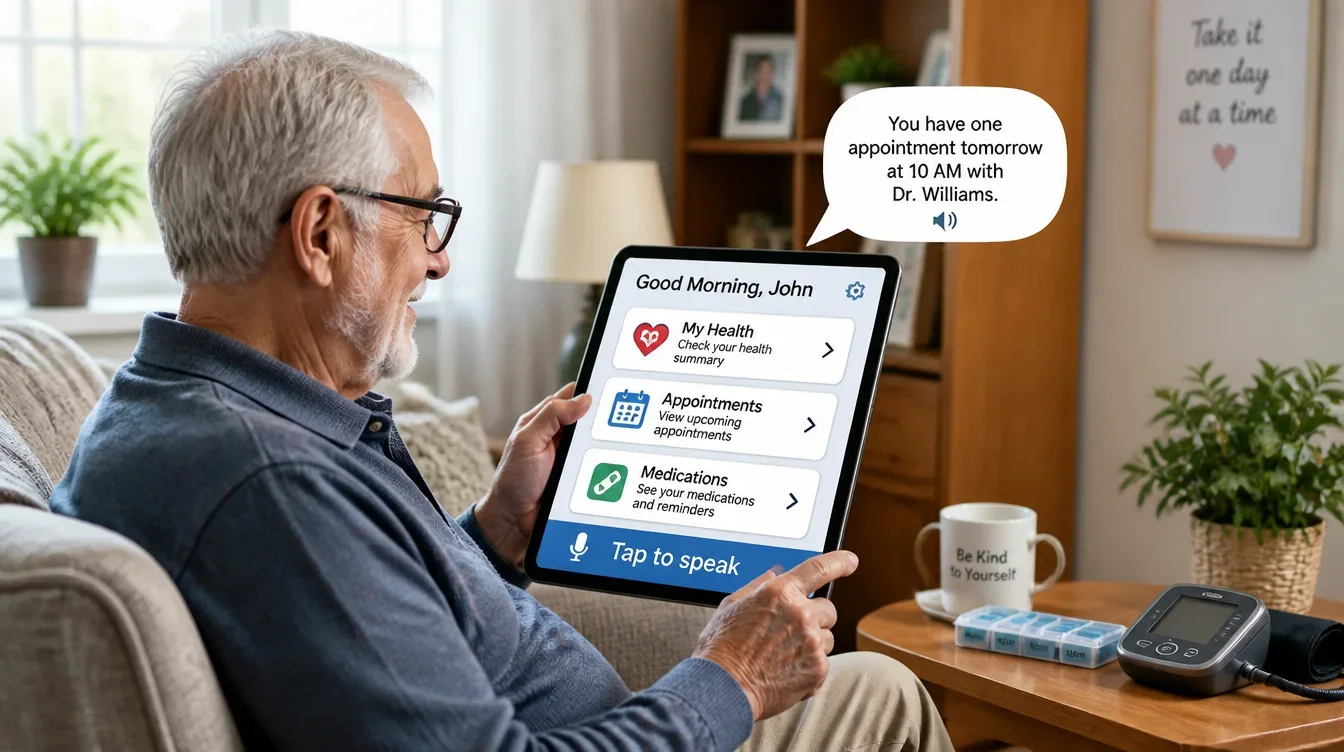
Information technology can bridge accessibility gaps by integrating features like high-contrast display modes, voice guidance, and simplified navigation. Regularly updated and secure platforms that allow patients to share sensitive information safely are important to modern care. Providers should choose health record systems tested for accessibility and commit to ongoing upgrades as standards develop.
Leveraging partnerships with IT specialists skilled in web accessibility, providers can anticipate and address potential pitfalls before rollout. Transparency is vital: posting accessibility statements on platforms and inviting public feedback encourages community trust and ongoing refinement. Remember, the real goal is making it just as easy for someone who uses a screen reader or who struggles with English to book an appointment, review test results, or advocate for themselves as it is for anyone else.
Advancing Healthcare Through Accessible Medical Information
Making medical information accessible is a shared commitment that empowers patients and strengthens healthcare for everyone. Healthcare providers, technology specialists, government organizations, support staff, and patient advocates each play a vital role in ensuring that health information is easy to access, understand, and use. From designing accessible websites and patient portals to providing information in multiple formats and complying with accessibility standards, every effort contributes to a more inclusive healthcare experience that supports informed decision-making and better patient outcomes.
True accessibility is achieved through ongoing collaboration and continuous improvement. Healthcare teams can create lasting change by listening to patient feedback, embracing inclusive technologies, and removing barriers that prevent individuals from accessing the information they need. When every stakeholder works together toward the common goal of equitable access, medical information becomes more than just available—it becomes meaningful, empowering, and capable of improving the health and well-being of entire communities.
Medical Information Accessibility - Key Stakeholders & Their Responsibilities
Ensuring medical information is accessible requires collaboration across the healthcare system. Healthcare providers, technology specialists, government agencies, support staff, and patients each have an important role in creating, delivering, and improving accessible health information. By working together, these stakeholders help remove communication barriers, promote health equity, and ensure every patient can access the information they need to make informed healthcare decisions.
Stakeholder |
Responsibility |
Impact on Accessibility |
|---|---|---|
Healthcare Providers |
Deliver accessible information in both digital and physical formats; comply with ADA standards |
Directly improves patient engagement and equitable access to care |
IT Specialists |
Design and maintain accessible health record systems and websites |
Enables easy, safe access for all users, including people with disabilities |
Government Organizations |
Set regulations, provide oversight, and offer resources for compliance |
Drives industry-wide standards and helps protect patient rights |
Care Providers/Support Staff |
Assist patients in using accessible tools and advocate for continuous improvement |
Bridges practical gaps and promotes confidence among patients |
Patients and Advocates |
Request necessary accommodations and provide feedback |
Shapes future improvements and ensures individual needs are met |

Steps to Make Health Information and Health Records More Accessible
Assess current systems and identify accessibility gaps
Consult guidelines from the disabilities act and Americans with Disabilities Act
Choose information technology solutions with proven accessibility features
Provide training for care providers and healthcare providers
Regularly review and update accessibility practices
Empower Every Patient Through Accessible Healthcare Information
Medical information accessibility is essential to creating a more equitable and patient-centered healthcare experience. When health information is easy to access, understand, and use, patients are better equipped to make informed decisions, follow treatment plans, and actively participate in their care. Improving accessibility helps bridge communication gaps, fosters greater patient engagement, and ensures that individuals of all abilities have equal opportunities to receive the information they need.
Achieving meaningful accessibility requires both commitment and action. Regulations such as the Americans with Disabilities Act provide important standards that guide healthcare organizations in delivering inclusive services while protecting patient rights. By adopting accessible communication practices, embracing inclusive technologies, and continually evaluating patient needs, healthcare providers can streamline care, strengthen trust, and create a healthcare environment where every patient feels informed, supported, and valued.
Frequently Asked Questions on Medical Information Accessibility
What is considered an accessible health record?
An accessible health record is one provided in a format that can be read, understood, and acted upon by all patients—including those with disabilities—such as accessible PDFs, Braille, large print, or screen reader–friendly files.
Who is responsible for providing accessible health information?
The responsibility lies with healthcare providers, care providers, IT vendors, and any organization delivering patient care and information.
How can patients request their health records in accessible formats?
Patients should contact their healthcare provider, outlining specific needs (e.g., large print, translated materials, or digital options). Most organizations have procedures to handle such requests.
Are there legal penalties for failing to comply with the Americans with Disabilities Act?
Yes, failures can result in legal action, penalties, or loss of funding, especially for state and local government providers or recipients of federal support.
What resources exist for improving digital literacy in health care?
Many government websites, advocacy groups, and hospital systems provide tutorials, helplines, and community workshops dedicated to digital literacy and web accessibility in health care.
Create a More Accessible Healthcare Experience Today
Ready to make your healthcare content more accessible, inclusive, and patient-friendly? Banida Digital can help you improve the way patients find, understand, and engage with your practice through clear, accessible digital content and effective communication strategies. Whether you're looking to enhance your website, optimize patient education materials, or strengthen your online presence, our team is here to help. 👉 Visit Banida Digital or contact us today to schedule your free consultation and discover how accessible content can improve patient experiences while helping your practice grow.




Write A Comment